Best Shore Fishing Spots at Flaming Gorge
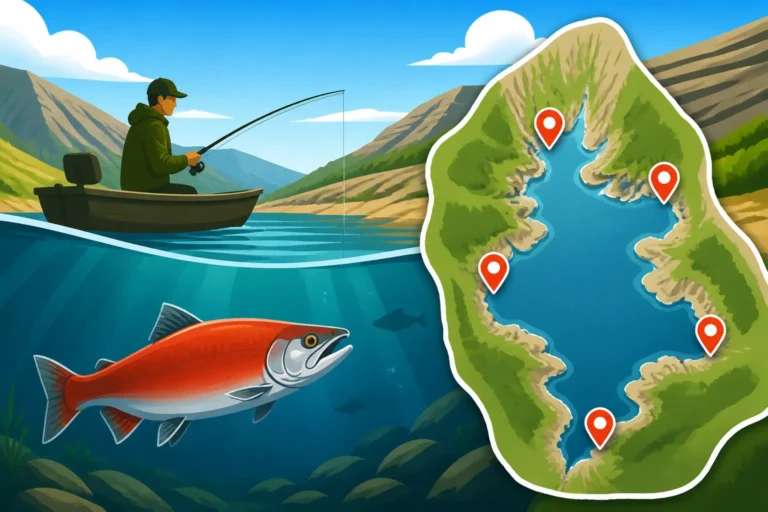
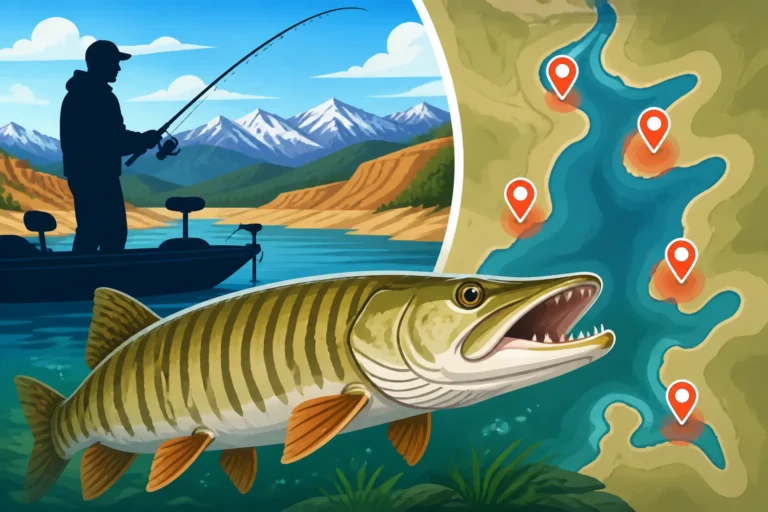
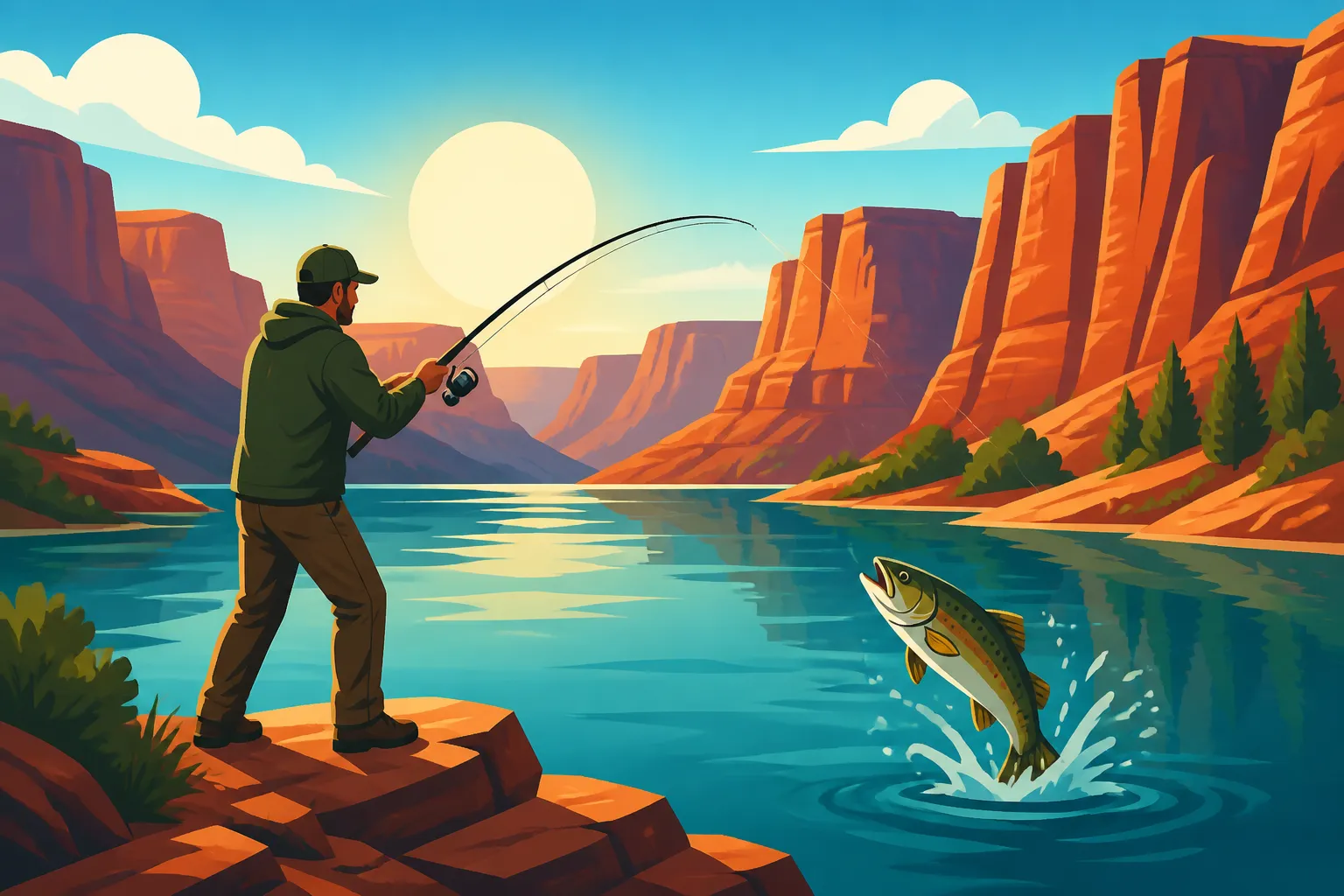
Oh, the sheer size and beauty of Flaming Gorge Reservoir can be absolutely breathtaking, but if you're like many anglers, gazing at those endless miles of shoreline can also feel a little intimidating when you're trying to figure out where to cast a line without a boat. It's a common frustration, isn't it? You know the fish are there – big lake trout, feisty smallmouth bass, hard-fighting rainbows – but how do you get to them from shore without a dedicated access point or getting tangled in a mess of steep cliffs? This guide is here to unravel that mystery, providing you with detailed insights into some of the best, most accessible, and productive shore fishing spots at Flaming Gorge, making your next outing less about searching and more about catching.
Understanding Flaming Gorge's Shore Fishing Challenge
Flaming Gorge is a behemoth, stretching over 91 miles with more than 350 miles of shoreline. This immense size is what makes it a world-class fishery, but it's also precisely why shore fishing can feel like looking for a needle in a haystack. Many of its most productive areas are deep, remote, or only accessible by boat. Yet, with the right knowledge and a bit of planning, some fantastic opportunities exist for land-based anglers.
The Vastness and Variability of the Gorge
One of the biggest hurdles for shore anglers at Flaming Gorge is its sheer scale and the rugged, often precipitous terrain. Unlike many smaller, more accessible lakes, the Gorge was carved through dramatic red rock canyons, meaning much of its shoreline is comprised of steep cliffs that plunge directly into deep water. You can spend hours driving around, pulling over only to find an impassable drop-off or private land blocking your way.
Another challenge comes from the fluctuating water levels. Depending on snowpack and water management, the reservoir's elevation can change significantly throughout the year, sometimes by dozens of feet. What might have been a perfect rocky point or a shallow cove for wading last summer could be a sheer cliff face or completely submerged mudflat the next. This constant variability requires a flexible approach and up-to-date information, which can be hard to come by unless you're a local or relying on detailed fishing reports. The fish, especially the larger species like lake trout (often called Mackinaw here), tend to hold in deeper, cooler water, which is often out of casting range from shore. This means you need to find those rare spots where deep water comes within reach, or where fish move into shallower feeding zones.
What Makes a Good Shore Spot?
So, what exactly are we looking for when we talk about a "good" shore fishing spot at Flaming Gorge? It's not just about getting your feet wet. A prime location offers a combination of accessibility, productive structure, and an opportunity to reach fish. First and foremost, you need a safe and legal place to park and walk down to the water's edge. This eliminates a huge portion of the reservoir immediately. Next, you want to look for areas where the bottom drops off relatively quickly, bringing deeper water within casting distance. These deep pockets are crucial for targeting bigger fish that prefer cooler temperatures.
Structure is another key component. Fish love to hide around submerged rocks, ledges, brush, and old river channels. These features provide cover from predators, ambush points for prey, and protection from strong currents or bright sunlight. Rocky points, small coves, and areas with submerged timber (though less common in the main reservoir, keep an eye out in upper sections or old river bends) are all excellent indicators. Finally, consider the target species. Are you hoping for a trophy lake trout, a mess of rainbow trout, or some hard-fighting smallmouth bass? Different species prefer different types of habitat and depths, so knowing what you're after helps narrow down your search for the ideal shore spot.
Top Shore Fishing Hotspots at Flaming Gorge
While much of Flaming Gorge demands a boat, there are several standout areas where shore anglers can find fantastic success. These spots offer a mix of accessibility, diverse fishing opportunities, and the potential for a memorable catch.
Lucerne Valley and Buckboard Crossing Areas
Starting on the Utah side, the Lucerne Valley area is often a go-to for many anglers, especially those seeking easier access and diverse fishing opportunities. The area around Lucerne Marina offers several shore fishing points, particularly outside the main marina operations. Here, you can find rocky banks and small coves where rainbow trout are frequently stocked and readily available. These spots are particularly good for families or those looking for consistent action. You can often see anglers using PowerBait or worms on a simple bottom rig, or casting small spoons and spinners for these hungry trout. Further out from the main marina, along the road leading to Manila, there are pull-offs and trails that lead to more secluded spots with deeper water access, providing a chance at larger holdover rainbows or even the occasional smallmouth bass.
Moving slightly north into Wyoming, Buckboard Crossing is another immensely popular and productive shore fishing destination. This area boasts extensive shoreline access, including a campground, boat ramps, and plenty of informal pull-offs. The terrain here is less steep in many places, offering more opportunities for wading if water levels permit. Buckboard is renowned for its excellent smallmouth bass fishing, especially during the warmer months. Anglers can target them by casting crankbaits, jigs, or soft plastics around rocky outcrops and submerged structure. It's also a fantastic spot for rainbow trout, with deeper sections offering opportunities for larger fish. During certain times of the year, particularly spring and fall, you might even encounter kokanee salmon cruising closer to shore, though they are typically a boat angler's target. The ease of access and varied depths make Buckboard a true gem for shore-bound anglers, providing a taste of what the broader Flaming Gorge has to offer.
Mustang Ridge and Antelope Flat
For those willing to venture a little further and perhaps hike a bit, areas like Mustang Ridge and Antelope Flat on the Wyoming side offer some truly rewarding, and often less crowded, shore fishing. Mustang Ridge, located south of Buckboard, features rugged, scenic landscapes with numerous rocky points and small bays that drop into deeper water. This is an excellent area to target smallmouth bass, which thrive among the rocky habitat. You'll want to bring a sturdy rod and reel and be prepared to cast various lures like jigs, tubes, and spinnerbaits that imitate crawfish or baitfish. Rainbow trout are also present here, and because these spots see less pressure than the more developed areas, the fish can be a bit more willing to bite. Exploring the shoreline on foot can reveal hidden coves and points that hold some real trophies.
Antelope Flat, situated between Buckboard and Mustang Ridge, offers a similar remote feel with excellent potential. The shoreline varies from gradual slopes to rocky ledges. This area is particularly good for early morning or late evening excursions when fish tend to move closer to the banks to feed. Anglers often find success here with a variety of presentations, from soaking bait to casting spoons and jerkbaits. Given the less-trafficked nature of these spots, you're more likely to have a peaceful experience and potentially encounter some larger, less pressured fish. When planning your trip, consider checking out the "Flaming Gorge Fishing Guide" for more comprehensive information on fish species and their habits in these areas.
Firehole Canyon and Cedar Springs Marina
On the Wyoming side, Firehole Canyon is a breathtaking location that also happens to be fantastic for shore fishing. Known for its iconic red rock formations and serene waters, Firehole offers numerous accessible points, especially around the campground and picnic areas. The canyon walls create natural shelter from wind, making for calmer waters on blustery days. This spot is particularly excellent for rainbow trout and smallmouth bass. The trout are often stocked here, ensuring good catch rates, while the smallmouth hide amongst the rocky ledges and submerged brush. Casting small spoons like Kastmasters or Mepps spinners can be very effective for trout, while soft plastic tubes or grub jigs worked along the bottom will entice the bass. The relatively easy access and picturesque scenery make Firehole Canyon a perfect destination for a day of fishing with the family.
Back on the Utah side, close to the dam, Cedar Springs Marina offers some shore fishing opportunities, although they might be more limited compared to other spots due to the marina's infrastructure. However, the surrounding areas, especially south of the marina towards the Sheep Creek Bay unit, can yield good results. Here, the water gets deep quickly, making it a viable spot for targeting rainbow trout and even the occasional lake trout, especially during cooler months when they move into shallower water. Anglers often employ heavier gear and longer casts to reach the deeper pockets. Because of the deeper water, a simple slip sinker rig with PowerBait or a nightcrawler can be surprisingly effective. These developed areas are often a good starting point for beginners, and you can even find information about current fishing conditions and popular spots from local tackle shops near the marina. If you're looking for more general guidance on where to cast your line, you might find the article on "Best Places to Fish in Utah" helpful for broader strategies.
Essential Tips for Successful Shore Angling at Flaming Gorge
Shore fishing at Flaming Gorge demands a bit more thought and preparation than casting into a local pond. The vastness and unique characteristics of this reservoir mean that a few key considerations can significantly improve your chances of success.
Gear and Bait Recommendations
When you're casting from the shore at Flaming Gorge, distance and durability are your friends. A medium to medium-heavy spinning rod, typically 7 to 9 feet in length, paired with a reliable spinning reel spooled with 8-12 pound monofilament or braided line is a great all-around setup. The longer rod helps with casting distance, which is crucial for reaching deeper water or promising structure from the bank.
For bait, you can't go wrong with classic options for trout. PowerBait, especially in popular colors like rainbow, chartreuse, or even white, fished off the bottom with an egg sinker rig, is a consistent producer for rainbow trout, especially in areas that are frequently stocked. Nightcrawlers under a bobber or on a bottom rig are also highly effective. If you're targeting smallmouth bass, a variety of lures work wonders. Smallmouth love to hit soft plastics like tubes, grubs, and creature baits fished on jig heads, mimicking crawfish. Small crankbaits, spinnerbaits, and jerkbaits in natural colors (green pumpkin, brown, silver) are also excellent choices. Remember that knowing the "Best Lures for Utah Smallmouth Bass" can make a significant difference in your catch rate. For the elusive lake trout from shore, it's a tougher proposition, but larger spoons, heavy jigs, or even cut bait cast into deep troughs can sometimes entice them.
Always bring a variety of tackle, including extra hooks, sinkers (heavier ones are often needed for long casts or windy conditions), swivels, and leader material. A good pair of pliers for hook removal, a landing net with a long handle, and a cooler with ice to keep your catch fresh are also indispensable.
Reading the Water and Seasonal Considerations
Understanding how the water behaves and how fish react to seasonal changes is paramount at Flaming Gorge. Water levels can fluctuate, exposing or submerging structure, so always observe the current conditions. High water might bring fish closer to newly flooded vegetation, while low water can expose previously productive areas, making them shallower and less appealing to some species.
Generally, the best times for shore fishing at Flaming Gorge are spring and fall. In spring, as the water warms, fish become more active and often move into shallower areas to feed or spawn (though be mindful of specific spawning closures or regulations for certain species). Fall sees fish fattening up for winter, making them aggressive biters. During the heat of summer, fishing often slows down in the middle of the day, as trout and lake trout retreat to deeper, cooler waters. Early mornings and late evenings, or even night fishing (where permitted), can be most productive during summer as fish move into the shallows to hunt. Even in winter, if the ice isn't safe for ice fishing, certain open water areas near the dam or inlets might offer opportunities, but always prioritize safety. Checking the "Best Time of Year to Fish in Utah" can offer general seasonal insights that apply well to Flaming Gorge.
Safety and Regulations
Flaming Gorge is a wild place, and safety should always be your top priority. Weather can change rapidly, with strong winds whipping up large waves, even near shore. Always check the forecast before you go and be prepared for sudden shifts. Tell someone where you're going and when you expect to return. Be aware of boating traffic, especially near boat ramps and developed areas. Wear appropriate footwear, as shorelines can be rocky, slippery, or steep.
It's absolutely critical to be familiar with the current Utah fishing regulations. These regulations dictate everything from license requirements (yes, you need a Utah fishing license guide!), to bag and possession limits, to specific rules for certain water bodies or species. For instance, there are strict "Utah Aquatic Invasive Species Rules for Anglers" that require boat inspections and decontamination to prevent the spread of quagga and zebra mussels. Even if you're not launching a boat, being aware of these environmental concerns is important. Always carry your fishing license (physical or digital copy) and be ready to present it to a conservation officer. Ignorance of the law is never an excuse for violations, and fines can be steep.
Maximizing Your Shore Fishing Experience
Shore fishing at Flaming Gorge, while sometimes challenging, offers unique rewards. The peace, the stunning scenery, and the satisfaction of finding that perfect spot can make for an unforgettable experience.
Exploring Beyond the Obvious
The developed areas like Lucerne Valley, Buckboard, and Firehole are excellent starting points, but don't be afraid to do a little exploring. Sometimes the most productive shore fishing spots are those that require a bit of a walk or a keen eye for a promising pull-off along the road. Bring a good map (physical or digital) and look for contours that indicate a sudden drop-off near shore, or areas where smaller creeks might feed into the reservoir, creating an attractive feeding zone for fish. These less obvious spots often hold less pressured fish, increasing your chances of a good bite.
Walking the shoreline, especially during times of lower water, can help you identify submerged structure that will be prime fishing territory when the water levels rise. Look for rocky ledges, gravel bars, or even old tree stumps. These observations can inform your strategy for future trips. Don't be afraid to experiment with different casting angles and retrieve speeds once you've found a promising spot. Sometimes a slight adjustment is all it takes to trigger a strike. Remember, the ultimate goal is to "How to Catch More Fish in Utah," and often, that means thinking outside the box and being a bit adventurous.
Planning Your Trip and Staying Informed
Successful shore fishing at Flaming Gorge often comes down to good planning. Before you head out, check the latest fishing reports from the Utah Division of Wildlife Resources (DWR) or local tackle shops. These reports often provide crucial information on recent stockings, water levels, water temperatures, and what species are biting where. You can also glean insights from online fishing forums or social media groups dedicated to Utah fishing.
Consider using resources like FishingBooker to scout potential areas. While primarily for guided trips, looking at where guides operate or where certain species are being caught can sometimes give you clues about productive areas, even for shore access. They might not pinpoint exact shore spots, but understanding which general areas (like "Flaming Gorge Trophy Lake Trout Spots" or "Flaming Gorge Smallmouth Bass Coves") are hot can guide your exploration. Remember, if you decide to go with a guide at some point, they often have intimate knowledge of shore access points that might not be widely publicized.
It's also wise to check weather forecasts specifically for the Flaming Gorge area, as conditions can differ significantly from nearby towns. Pack plenty of water, snacks, sunscreen, and layers of clothing, as temperatures can fluctuate wildly, even on a single day. A well-prepared angler is a happy and successful angler, and nowhere is that more true than on the magnificent, wild shores of Flaming Gorge.
| Shore Fishing Spot | Primary Target Species | Accessibility Rating (1-5, 5=Easiest) | Best Time of Year | Key Features/Notes |
|---|---|---|---|---|
| Lucerne Valley Area | Rainbow Trout, Smallmouth Bass | 4 | Spring, Fall | Developed areas, stocked trout, rocky points, good for families. |
| Buckboard Crossing | Smallmouth Bass, Rainbow Trout | 5 | Spring, Summer, Fall | Extensive shoreline, campgrounds, varied structure, excellent bass fishing. |
| Mustang Ridge | Smallmouth Bass, Rainbow Trout | 3 | Spring, Fall | More remote, rugged terrain, good for exploring, less pressure. |
| Antelope Flat | Smallmouth Bass, Rainbow Trout | 3 | Spring, Fall | Secluded coves, rocky ledges, good for early/late fishing. |
| Firehole Canyon | Rainbow Trout, Smallmouth Bass | 4 | Spring, Fall | Scenic, sheltered coves, stocked trout, good for families, campground access. |
| Cedar Springs Marina Environs | Rainbow Trout, Lake Trout | 3 | Spring, Fall | Deeper water access, near the dam, potential for larger fish, can be crowded. |
Disclaimer
Please be aware that fishing conditions, regulations, and access points can change. Always consult the most current Utah Division of Wildlife Resources (DWR) regulations before any fishing trip. The information provided in this guide is for general informational purposes only and should not be considered a substitute for official DWR publications or local expert advice. Stay safe and respect the environment.