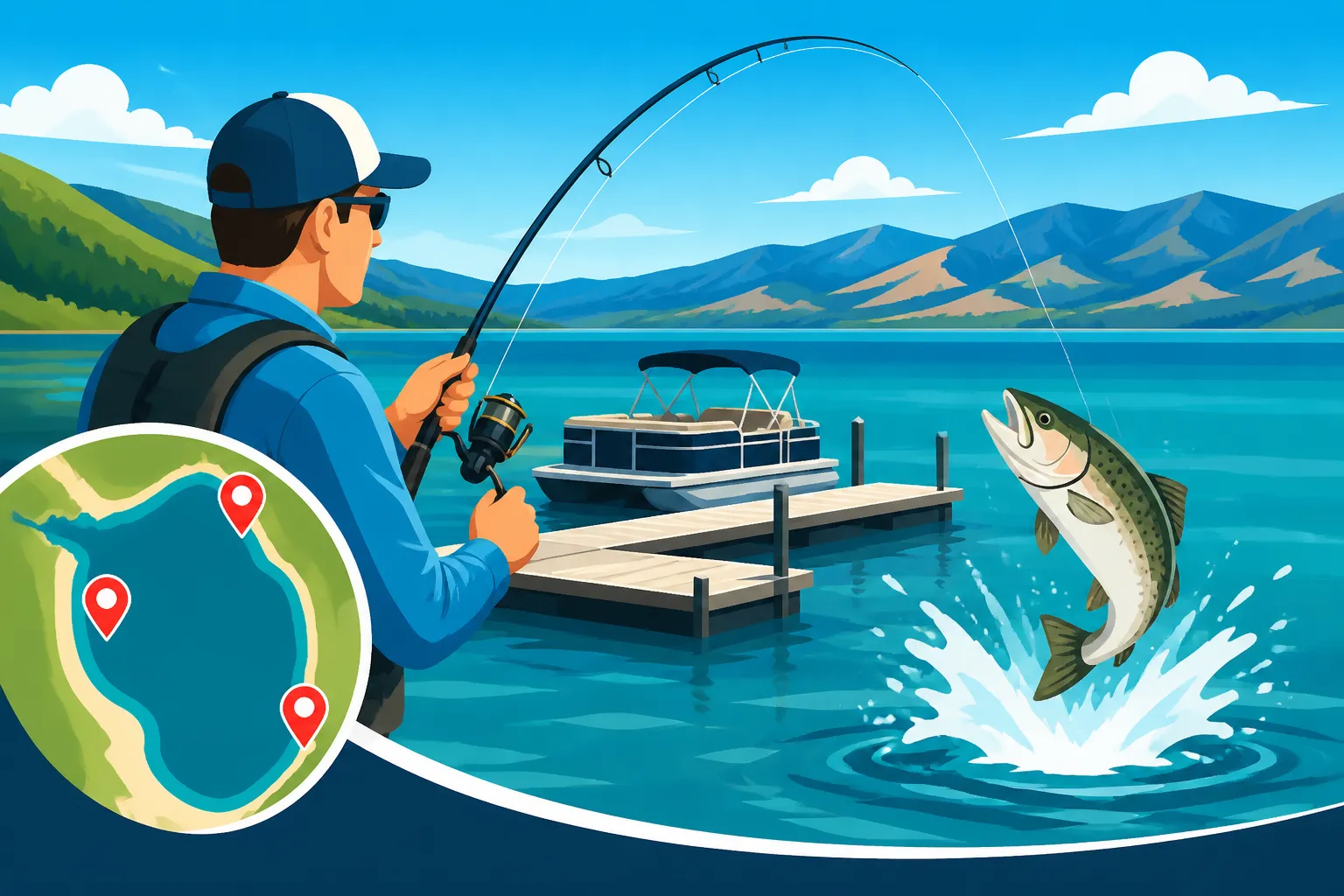
Best Bear Lake Marina Fishing Spots
Oh, the sheer beauty of Bear Lake! It’s a stunning gem, often called the "Caribbean of the Rockies" for its vibrant turquoise waters. But let's be real, while it's gorgeous, finding the absolute best fishing spots, especially around a busy hub like the marina, can feel like trying to find a needle in a haystack. You want to spend your precious fishing time reeling in fish, not just scouting. This guide is here to cut through the guesswork and pinpoint those prime locations and savvy tactics for fishing around the Bear Lake Marina, making your next outing a true success.
Navigating the Unique Opportunities Near Bear Lake Marina
Bear Lake is a truly special place, and its marina area offers a unique blend of accessibility and productive fishing grounds. It's not just a place to launch your boat; it’s a vibrant ecosystem where fish often congregate, drawn by structure, baitfish, and deeper channels. However, the convenience of a marina often comes with crowds, especially during peak seasons, which can sometimes make finding a peaceful fishing spot a bit of a challenge. Understanding these dynamics is the first step to unlocking its full potential.
Why Marina Areas Attract Fish
Think about it from a fish's perspective: a marina is like a bustling little city in the water. The docks themselves provide excellent cover and shade, perfect for smaller baitfish trying to escape predators, or for larger fish like trout to ambush their prey. The pilings are often encrusted with algae and aquatic insects, offering a ready food source. Deeper channels are typically maintained for boat traffic, creating easy pathways for fish to move between feeding and resting areas. All this man-made structure provides sanctuary, food, and travel lanes, making marinas natural magnets for various species. You’ll often find juvenile fish hanging close to the safety of the docks, while larger predators might patrol the edges of deeper channels or the outer breakwaters.
Common Species Found Near the Marina
When you're casting your line around the Bear Lake Marina, you're primarily targeting a few key species that thrive in these conditions. The most sought-after is undoubtedly the famous Bear Lake Cutthroat Trout. These native beauties are often found cruising the cooler, deeper waters, but they'll venture closer to structure, especially during lower light conditions, to feed. You might also encounter Rainbow Trout, which are frequently stocked in Bear Lake and are usually quite aggressive, making them a fun catch for anglers of all skill levels.
Beyond trout, the Bonneville Cisco also calls Bear Lake home, though they are usually targeted during their famous January spawning run, often through the ice or with specialized snagging techniques near shore. While less common right at the marina during the warmer months, knowing they are part of the lake's ecosystem helps understand the larger food web. Another unique species, the Bear Lake Whitefish, can also be present, often found in deeper, cooler water. Understanding these species and their habits is crucial for tailoring your approach. If you're keen to learn more about these native fish, a detailed guide on the unique characteristics of Bear Lake Cutthroat Trout can be incredibly insightful.
Prime Shore Fishing Locations Around Bear Lake Marina
For many anglers, especially those without a boat, shore fishing around the marina is the go-to option. It's accessible, often productive, and provides a wonderful way to enjoy the lake's beauty without the hassle of launching a vessel. However, not all shore spots are created equal, and knowing where to cast your line can make all the difference.
The Main Marina Jetties and Rock Walls
The jetties and rock walls that protect the marina entrance are absolute goldmines for shore anglers. These structures extend into deeper water, providing excellent casting platforms and creating current breaks where fish love to ambush food. The rocks themselves are home to countless invertebrates, attracting baitfish, which in turn attract bigger predators.
When fishing these areas, focus your efforts on casting parallel to the wall or jetty, letting your bait or lure drift naturally along the edge. The change in depth where the rocks meet the open water is a prime feeding zone. Early mornings and late evenings are often the most productive, as the fish move into shallower water to feed under the cover of low light. During the day, fish might hug the bottom or deeper sections of the wall for cover. Using a slip bobber rig with a worm or PowerBait can be very effective here, allowing your bait to suspend at various depths. You can also try casting small spinners or spoons, working them back slowly to entice any cruising trout. Always be mindful of other anglers and boat traffic, as these spots can get busy.
Nearby Beaches and Public Access Points
Just beyond the immediate marina structures, there are often public beach areas or less developed shoreline access points that can offer fantastic fishing opportunities, especially for those seeking a bit more solitude. These areas might not have the immediate deep water access of the jetties, but they can be excellent for targeting cruising trout or even panfish if they are present.
Look for subtle changes in the bottom contour, like a slight drop-off or a patch of submerged vegetation, which can hold fish. Casting longer distances might be necessary from these shallower spots, so a good casting rod and reel combo is beneficial. Fishing with conventional bait like nightcrawlers or scented dough baits, fished on the bottom with a small weight, is often very effective. If you're into lure fishing, a Kastmaster or a small Rapala worked slowly can also draw strikes. Remember, sometimes the best spots are just a short walk away from the main marina hub, offering both peace and good fishing. For any trip, make sure you're up to date on the specific Utah Fishing Regulations Explained, as rules can vary by water body.
| Bear Lake Marina Shore Spot | Primary Target Species | Best Time | Key Technique Tips |
|---|---|---|---|
| Main Jetties/Walls | Cutthroat Trout, Rainbow Trout | Early Morning, Late Evening, Overcast | Cast parallel to structure, let bait drift. Use PowerBait, worms, small spinners, spoons. Watch for current breaks. |
| Marina Entrance | Cutthroat Trout, Rainbow Trout, Occasional Cisco (winter) | Early Morning, Evening | Cast to edge of deeper channel. Suspend bait under a slip bobber. Jigging spoons can be effective near the drop-off. |
| Shoreline North/South | Rainbow Trout, Cutthroat Trout | All Day, especially if quiet | Longer casts needed. Look for subtle depth changes. Bottom fish with bait; try slow retrieves with spoons or crankbaits. |
Boat-Accessed Hotspots Near the Marina
If you have the luxury of a boat, the Bear Lake Marina isn't just a launching point; it's a gateway to some incredible fishing right outside the no-wake zone. Many of the most productive spots are within easy reach, offering diverse opportunities for different species and fishing techniques. Whether you're trolling, jigging, or still fishing, knowing where to focus your efforts can make your day on the water exponentially more rewarding. For those who don't own a boat but want to explore further, booking a local guide through platforms like FishingBooker can provide access to these prime spots with expert knowledge.
The Immediate Drop-Offs and Channels
Once you're out of the no-wake zone, the first places to look are the immediate drop-offs and channels that lead out from the marina. These are essentially underwater highways for fish, connecting the shallower marina areas with the deeper expanses of Bear Lake. Trout, particularly Cutthroat and Lake Trout, often patrol these contours, searching for baitfish.
Pay close attention to your depth finder here. Look for sudden changes in depth, underwater points, or even subtle humps. Trolling with downriggers or planer boards can be incredibly effective in these areas. For Rainbow Trout, try trolling small spoons or crankbaits in the top 15-30 feet of water. For the larger Bear Lake Cutthroat Trout, you might need to go a bit deeper, especially during the brighter parts of the day. Using bigger spoons or flashers with a trailing worm or small tube jig can entice these formidable fish. Don't be afraid to experiment with different depths and speeds until you find what the fish are reacting to.
Rocky Reefs and Submerged Structure Beyond the Entrance
Beyond the main channels, Bear Lake boasts numerous rocky reefs and submerged structures that are absolute havens for fish. These natural formations provide shelter and feeding opportunities away from the immediate boat traffic of the marina entrance. Finding these spots can take a bit of exploration, but they are well worth the effort.
Utilize your fish finder to locate these underwater treasures. Once you find a promising reef or rock pile, slow down or anchor up. Jigging with tube jigs, Gulp! minnows, or even cut bait can be highly effective for Lake Trout (Mackinaw) that might be lurking in the deeper crevices. For Cutthroat and Rainbows, casting spoons or Rapalas to the edges of the structure and letting them sink before a slow retrieve can often draw aggressive strikes. The key here is presenting your lure right in the strike zone, often just above or around the structure where fish are holding. Many local fishing reports or guides (which you can often find information about on sites like FishingBooker) will highlight these types of productive, off-the-beaten-path locations. To ensure a smooth experience, make sure to review Utah Boating and Fishing Rules before heading out.
Essential Tactics and Gear for Marina Fishing Success
Fishing around a marina, whether from shore or a boat, requires a bit of finesse and the right approach. It’s not just about showing up; it’s about understanding the nuances of the environment and having the right tools for the job. You'll want to maximize your chances, especially when dealing with potentially crowded conditions.
Bait and Lure Selection for Trout
When it comes to bait, the classics often work best around the marina. PowerBait, especially in bright colors like chartreuse, rainbow, or florescent orange, is a consistent winner for stocked Rainbow Trout. You can rig it on a small treble hook with a light sinker, allowing it to float just off the bottom. Nightcrawlers or mealworms, fished under a bobber or on the bottom, are also highly effective for both Rainbows and the opportunistic Cutthroat.
For lures, think about what imitates small baitfish or makes a commotion. Small spinners, like a Mepps or Rooster Tail, in silver, gold, or brass, are excellent for casting and retrieving. Spoons, such as the Kastmaster or a Z-Ray, in similar metallic finishes, can also imitate a wounded baitfish and are good for casting long distances or vertical jigging from a boat. Don't forget small crankbaits that dive to a few feet, especially those with a natural baitfish pattern; they can be deadly when trolled slowly or cast and retrieved along structure. For those venturing deeper, knowing what lures work best for Utah Lake Walleye (even though you're at Bear Lake, the principle of targeting predatory fish is similar) can sometimes provide crossover ideas for trout.
Rods, Reels, and Line Considerations
For shore fishing around the marina, a medium-light to medium action spinning rod, 6 to 7 feet in length, is ideal. This length provides good casting distance while still offering enough sensitivity to detect subtle bites. Pair it with a reliable spinning reel spooled with 6-8 pound monofilament or fluorocarbon line. Monofilament offers a bit of stretch which can be forgiving, while fluorocarbon is nearly invisible underwater and more abrasion-resistant, a plus around rocky structures.
If you're fishing from a boat and plan on trolling or jigging deeper, a slightly heavier medium-action rod, perhaps 7 to 8 feet, will handle the weight of downriggers or heavier lures more comfortably. Braided line, with a fluorocarbon leader, is a popular choice for boat anglers due to its sensitivity and strength, allowing you to feel even the lightest taps when fishing in deep water. Having a quality landing net is also crucial, especially when you hook into a larger Bear Lake Cutthroat. Consider something robust, like a net suitable for a trophy lake trout, to ensure a safe and successful landing.
Best Times and General Marina Etiquette
Timing is everything when fishing a busy spot like a marina. As mentioned, early mornings and late evenings are almost always the most productive, as fish become more active under low light conditions and boat traffic is minimal. Overcast days can also extend this prime bite window. Mid-day during summer can be tough, with bright sun and heavy recreational boat traffic pushing fish into deeper, more secluded areas.
When fishing around others, a little common courtesy goes a long way. Maintain a respectful distance from other anglers, especially if they're already set up in a spot. Avoid casting directly over someone else's line. If you're launching a boat, do so efficiently and move out of the way promptly. And always, always pack out what you pack in. Leave no trace, and consider picking up any stray litter you might find. Preserving the beauty of Bear Lake for everyone, including the fish, is part of being a responsible angler. Taking the time to understand the nuances of these spots can significantly increase your chances of a successful and enjoyable fishing trip. If you ever have questions about specific rules or want to explore guided options, many professionals listed on services like FishingBooker can provide insights and ensure you have a great time on the water.
Planning Your Bear Lake Marina Fishing Trip
Getting ready for your fishing adventure at Bear Lake Marina involves a bit more than just grabbing your rod and reel. To make the most of your time and avoid any unnecessary hiccups, a little foresight goes a long way. From ensuring you have the right paperwork to understanding potential environmental concerns, being prepared means a more enjoyable and successful day on the water.
License and Regulations Check
First and foremost, you absolutely need a valid Utah fishing license. There's no way around it, and getting caught without one can lead to fines that quickly sour any fishing trip. You can easily purchase one online through the Utah Division of Wildlife Resources (DWR) website, or from various sporting goods stores and DWR offices throughout the state. Be sure to check which license type is appropriate for your age and residency status. You might want to refer to the comprehensive Utah Fishing License Guide to get all the details.
Beyond the license, it’s critical to be aware of the specific regulations for Bear Lake. This includes daily bag and possession limits for each species, any length restrictions, and specific gear restrictions that might apply. For instance, there are often different limits for native Bear Lake Cutthroat Trout versus stocked Rainbow Trout. Always check the current Utah Fishing Season Dates and Limits before you go, as regulations can change. It's also wise to check for any special advisories, such as aquatic invasive species warnings, especially since Bear Lake is known for its unique ecosystem.
Weather and Water Conditions
Bear Lake can be stunning, but its weather can also be unpredictable, especially with its open expanse. Always check the local weather forecast before you head out. High winds can quickly make fishing from a boat uncomfortable, if not dangerous, and can make shore casting a real challenge. Rain, thunderstorms, or sudden temperature drops can also impact fish behavior and your comfort level.
Water conditions are equally important. Look for reports on water clarity, as very murky water can make lure fishing less effective. Water temperature is a huge factor, particularly for trout. Cooler surface temperatures often mean fish are more active in shallower water, while warmer temperatures will send them deeper. The Utah DWR often provides current fishing reports that include details on water temperature and clarity, giving you an edge in planning your day. These reports can be invaluable, sometimes even highlighting specific baits or techniques that have been working well recently.
Comfort and Safety Gear
Don't underestimate the importance of comfort and safety, especially if you plan on spending several hours by the water. Sunscreen and a wide-brimmed hat are non-negotiables, even on overcast days, as the sun's reflection off the water can be intense. Bring plenty of water to stay hydrated, and snacks to keep your energy up.
For boaters, always ensure you have all required safety equipment, including properly sized life jackets for everyone on board. A first-aid kit, a whistle or horn, and throwable flotation devices are also mandatory. Even shore anglers should consider a basic first-aid kit for minor cuts or scrapes. If you're fishing in colder months, layers of warm, waterproof clothing are essential. Remember, safety first ensures you'll have many more enjoyable fishing trips to Bear Lake.
Disclaimer
Please remember that fishing conditions, regulations, and access points can change. Always consult the latest Utah Fishing Proclamation from the Utah Division of Wildlife Resources (DWR) before heading out. The information provided here is for general guidance and educational purposes only.