San Juan River Fishing Access
Oh, the San Juan River! Just the name itself conjures up images of vast, rugged landscapes and a sense of true wilderness. But for many anglers dreaming of casting a line into its storied waters here in Utah, the reality can hit pretty hard: it’s not always straightforward to find a good, accessible spot. Unlike some of our more popular, easily navigated reservoirs or well-marked trout streams, the San Juan presents a unique set of challenges, from remote dirt roads to checkerboard land ownership, which can make planning a fishing trip feel like deciphering an ancient map. This guide is all about cutting through that confusion, helping you understand where to go, what to expect, and how to make the most of your adventure on Utah’s stretch of the mighty San Juan River.
Understanding the San Juan River in Utah
When people talk about "San Juan River fishing," a lot of times they're picturing the world-famous trout fishery in New Mexico. But let me tell you, our slice of the San Juan here in Utah, while less talked about for trout, offers a completely different kind of wild, challenging, and incredibly rewarding experience. It's a river that truly embodies the spirit of the desert southwest, carving its way through stunning canyons and remote landscapes before eventually emptying into the vast expanse of Lake Powell.
The River's Unique Character and Location
The San Juan River in Utah is a significant tributary to the Colorado River system, flowing roughly 145 miles within the state's borders. It originates in the San Juan Mountains of Colorado, gathering momentum before crossing into Utah near Montezuma Creek. From there, it meanders west, cutting through a landscape dominated by towering sandstone bluffs, ancient Puebloan ruins, and a truly remote, sparsely populated terrain. This isn't a river with manicured banks and easy walking paths; it's rugged, wild, and often feels like stepping back in time. The water itself can vary dramatically, from clear flows to a muddy, silt-laden torrent, especially after rain or snowmelt. This ever-changing character is part of its allure, but also a major consideration for anglers.
Most of Utah’s San Juan River flows through San Juan County, passing by small, historic communities like Bluff and Mexican Hat. These towns, while charming, are spread out, meaning services can be limited. The river's lower stretches eventually widen and slow down as they approach Lake Powell, creating a transition zone where the river habitat blends with reservoir conditions. This confluence adds another layer of complexity and opportunity for different types of fishing. It's not just a river; it's an entire ecosystem that demands respect and a bit of adventurous spirit to explore.
Key Fish Species and Why They Thrive Here
Now, let's manage expectations: if you're chasing trophy trout, the Utah section of the San Juan isn't your primary destination. However, what it does offer is fantastic fishing for warm-water species that thrive in its often turbid and slower-moving sections. The dominant species you'll encounter here are channel catfish, carp, and, as you get closer to Lake Powell, smallmouth bass.
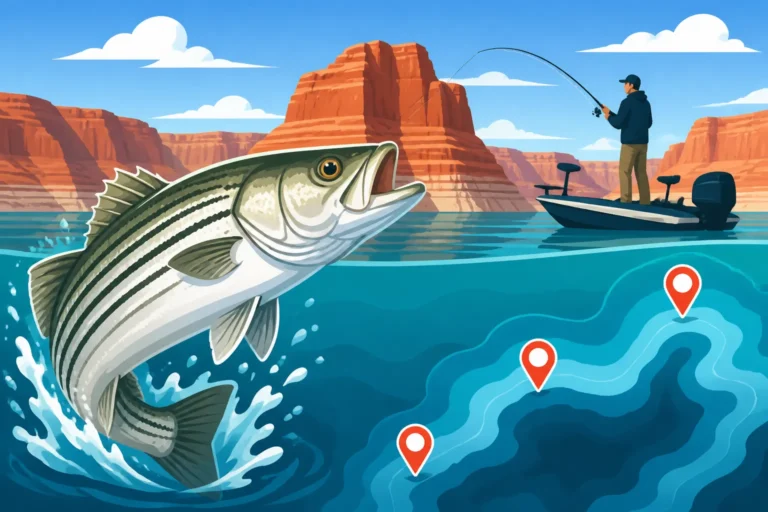
Channel catfish are abundant, and they absolutely love the deeper, slower pools and muddy bottoms that characterize much of the San Juan. They're opportunistic feeders, growing to impressive sizes, and put up a fantastic fight. Carp, particularly common carp, are also prevalent. Often overlooked by many anglers, carp are incredibly strong fighters and can be a blast on the right tackle. They're often found grubbing along the bottom in the calmer sections. Closer to Lake Powell, where the water becomes clearer and more rock structure appears, smallmouth bass become a significant target. These aggressive fish are known for their feisty nature and prefer the rocky ledges and submerged brush typical of canyon country. You might also encounter other species like bluegill or even the occasional northern pike, though pike are often subject to mandatory harvest rules to protect native species. This diversity means you're almost guaranteed to hook into something, even if it's not the usual suspects you'd find in a high-mountain stream.
Navigating Public Access Points Along the San Juan
One of the biggest hurdles for any angler wanting to fish the San Juan River in Utah is simply getting there. Unlike rivers with numerous state park access points or clear trail systems, the San Juan is largely remote, and much of its shoreline is either private land, tribal land, or managed by the Bureau of Land Management (BLM) with limited developed access. This means you need a solid plan before you even leave home.
Designated State and BLM Access Areas
While true "designated state parks" directly on the San Juan River in Utah are few, there are key areas where public access is possible, primarily managed by the BLM or through specific partnerships. These often require a bit of driving on unpaved roads, so a reliable vehicle is key.
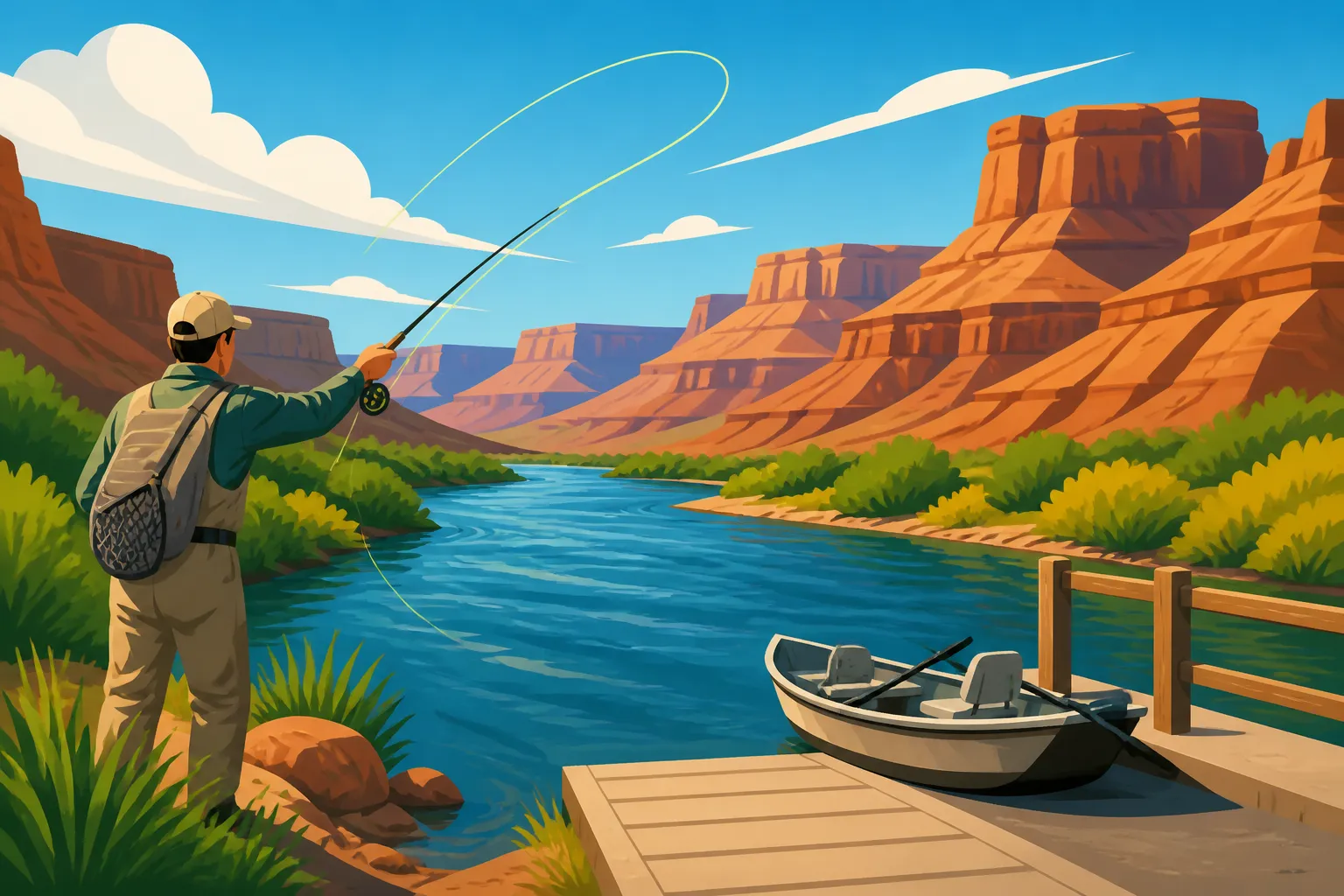
One of the most common and relatively accessible points is near the town of Bluff. There are some informal put-in points and shore access opportunities around here, though they may not be officially marked. Bluff offers basic services like gas, food, and lodging, making it a good base for exploring the area. Another important access point is at Sand Island, just west of Bluff. Sand Island Recreation Area, managed by the BLM, is a popular launch point for rafters and canoeists exploring the river. It offers a boat ramp, restrooms, and developed campsites. This is an excellent spot for both launching a small boat or raft, or for finding shore fishing opportunities, particularly for carp and catfish in the slower eddies. The fees are typically low, and it's a well-maintained site. Further downstream, near Mexican Hat, access becomes a bit more spread out. While the iconic Mexican Hat rock formation is a sight to behold, direct, easy river access for fishing is more limited here, often requiring exploring dirt tracks that lead to the river. Always respect posted signs and private property boundaries. For up-to-date information on any fees or specific regulations at these BLM sites, it’s always a good idea to check the BLM website or stop by their field office in Monticello or Moab.
Challenges of Accessing Remote Sections
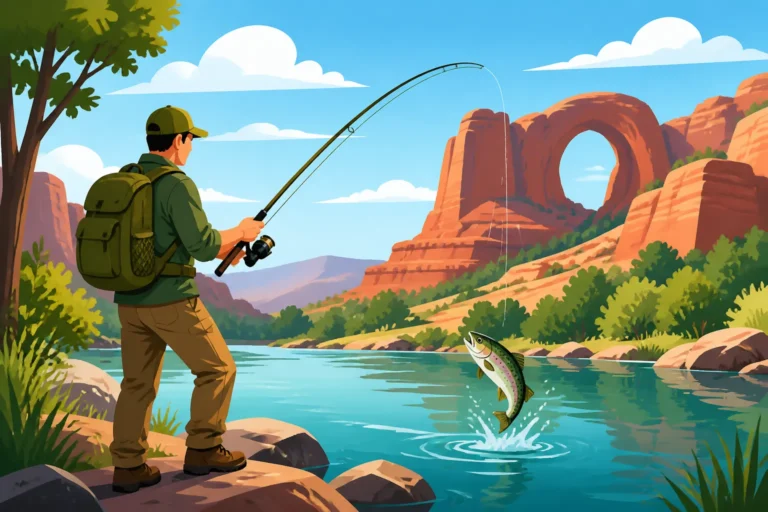
Let's be real: fishing the San Juan isn't for the faint of heart or those who prefer paved roads and immediate gratification. The river's wild character means accessing many of its prime fishing spots can be a genuine challenge, validating a common frustration for many anglers. The roads leading to the river are often unpaved, deeply rutted, and can become impassable after rain or snowmelt, even for four-wheel-drive vehicles. A high-clearance vehicle is almost a necessity for venturing beyond the most developed access points. It’s not uncommon to encounter washouts or sandy patches that can quickly strand an unprepared vehicle.
Beyond the roads, land ownership becomes a significant factor. Large stretches of the San Juan River flow through Navajo Nation lands. Fishing on tribal lands requires a separate tribal fishing permit, in addition to your Utah Fishing License Guide. This is absolutely critical; fishing without the proper tribal permit can lead to serious legal consequences. It's essential to research and obtain these permits before your trip if you plan to access these areas. Always check with the Navajo Nation Department of Fish and Wildlife for their specific rules and permit requirements, as they can change. Furthermore, private land is interspersed with public land, and respecting "No Trespassing" signs is paramount. It’s often a puzzle to figure out which stretches are public and which are not, making local knowledge or a good GPS mapping system invaluable. For those who enjoy a bit more comfort and certainty, booking a guided trip can be a great way to overcome these access challenges, as guides often have permits and knowledge of accessible spots, or even private access.
| Access Point/Area | Primary Species | Typical Challenges | Amenities | Best For |
|---|---|---|---|---|
| Sand Island Recreation Area (Bluff) | Catfish, Carp, Smallmouth (seasonal) | Dirt road access, can be crowded in peak season | Boat ramp, restrooms, camping, picnic areas | Shore fishing, launching rafts/kayaks |
| Mexican Hat Vicinity | Catfish, Carp | Very remote, rough dirt roads, limited marked access, tribal land nearby | Limited basic services in town | Experienced anglers with high-clearance vehicles |
| Clay Hills Crossing (Near Lake Powell) | Smallmouth Bass, Catfish, Striped Bass (near Lake Powell) | Extremely remote, very rough road, seasonal closures, requires serious off-road capability | Primitive boat ramp, camping (dispersed) | Jet boats, multi-day river trips, hardcore wilderness anglers |
Essential Gear and Techniques for San Juan Fishing
Given the unique characteristics of the Utah San Juan River and its primary fish species, you can't just show up with your standard trout setup and expect to succeed. This river demands gear that can handle strong fighters, potentially snaggy bottoms, and a variety of fishing conditions.
Recommended Rods, Reels, and Line for River Species
When targeting channel catfish and carp, you'll want something robust. Forget the ultralight gear; think medium to medium-heavy spinning or baitcasting rods, generally 6.5 to 7.5 feet long. These lengths provide enough leverage to control larger fish in current and cast heavier baits. The rod action should be moderate-fast to fast, giving you sensitivity for bites but also backbone for the fight. For reels, a spinning reel in the 3000-4000 series or a baitcasting reel with a good drag system is ideal. You need something that can hold a decent amount of line and won't get overpowered by a determined carp or a hefty catfish.
Line choice is crucial. Braided line in the 20-30 pound test range is an excellent option for the main line because of its strength, abrasion resistance (important around rocks and debris), and minimal stretch, which helps with feeling subtle bites. You can then use a monofilament or fluorocarbon leader, typically 10-20 pound test, depending on water clarity and target species. For smallmouth bass, especially in the clearer sections closer to Lake Powell, a slightly lighter setup might be appropriate, but still err on the side of strength. A medium-light to medium power rod with 10-15 pound braided line and a fluorocarbon leader will give you the sensitivity and fighting power needed for these scrappy fish. Remember, this isn't a finesse fishery; durability and strength are your friends here.
Boating and Wading Considerations
The San Juan River's varied flow and bottom composition mean that how you access the water is a significant decision. For much of its course in Utah, especially the upper and middle sections, wading can be extremely challenging, if not downright dangerous. The bottom is often muddy, silty, and uneven, with sudden drop-offs. The current can also be surprisingly strong in certain areas, particularly during higher flows, making wading unstable and risky. Therefore, for serious fishing, a boat or raft is often the preferred method.
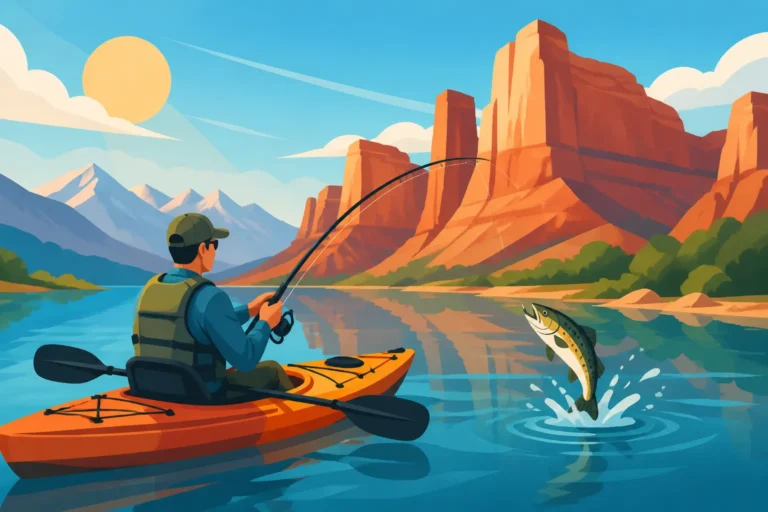
Jet boats are excellent for navigating the shallow, rocky, and braided sections of the river, as they don't rely on a prop that can be easily damaged. Larger rafts or canoes are also popular, allowing anglers to float downstream, stopping at promising holes and eddies. If you're planning a multi-day trip, a raft is almost essential for carrying gear. Always ensure your vessel is properly registered and equipped with all necessary safety gear as per Utah Boating and Fishing Rules. Remember that launching anything larger than a kayak can be difficult at many access points, often requiring a suitable boat ramp. If you're launching a kayak or paddleboard, remember that even these need to comply with Utah's Aquatic Invasive Species (AIS) rules, particularly since the San Juan flows into Lake Powell, a known quagga mussel hotspot. Make sure your craft is clean, drained, and dry before and after your trip, and be prepared for potential inspections at Utah Aquatic Invasive Species Inspection Stations.
Planning Your San Juan River Fishing Adventure
A successful trip to the San Juan River isn't just about the right gear; it's about careful planning, understanding the seasons, and knowing the local regulations. Because of its remote nature, you can't just wing it.
Seasonal Considerations and Best Times to Fish
The San Juan River is very much a seasonal fishery, with conditions fluctuating dramatically throughout the year. Spring, generally from March through May, can be a mixed bag. Early spring might offer decent fishing for catfish and carp as water temperatures begin to rise. However, late spring often brings the annual snowmelt runoff from the San Juan Mountains in Colorado. This can turn the river into a powerful, muddy torrent, making fishing nearly impossible due to high, fast, and turbid water. It's often best to avoid the peak runoff season unless you're specifically targeting certain species in very high, off-color water, which requires specialized techniques and often isn't productive for most anglers.
Summer, from June through August, typically sees flows decrease and water temperatures rise, creating prime conditions for catfish and carp, which thrive in warmer water. Early mornings and late evenings are often the most productive times during the heat of summer. For smallmouth bass, especially closer to Lake Powell, summer can be excellent when they are active and aggressively feeding. Fall, particularly September and October, can be fantastic. Water levels are usually lower and clearer, and fish are actively feeding before winter. The cooler temperatures make for more comfortable fishing, and the fall foliage along the river banks can be breathtaking. Winter fishing is possible but often challenging due to cold temperatures and potential ice formation in shallower, slower areas, though flowing water generally stays open. Ultimately, checking real-time flow data and weather conditions is crucial before any trip.
Permits, Licenses, and Regulations Specific to the Area
First and foremost, you absolutely need a valid Utah fishing license. Whether you're a resident or non-resident, annual, or short-term, make sure your license is up to date. You can easily purchase your license through the Utah Fishing License Online Purchase Process or at various sporting goods stores across the state. Without it, you're looking at potential fines, and that's not how anyone wants to end a fishing trip.
Beyond the state license, the San Juan River presents a unique regulatory landscape due to its course through Navajo Nation lands. As mentioned earlier, if you plan to fish any section of the river that flows through or borders Navajo Nation territory, you must purchase a separate Navajo Nation fishing permit. These permits are not always easy to obtain last minute, so plan ahead and purchase them from authorized vendors or the Navajo Nation Department of Fish and Wildlife. Their rules can differ significantly from Utah state regulations, so it's vital to be aware of catch limits, species restrictions, and approved tackle when fishing on their land. Always consult the official Navajo Nation regulations before fishing these stretches. For the sections of the river on public (BLM) land, standard Utah Fishing Regulations Explained apply for species, bag limits, and general angling practices. There are no special permits required for fishing the public land sections, beyond your state license. Always double-check current regulations before you head out, as rules can change seasonally or for specific management reasons.
Enhancing Your Trip with Local Resources
Venturing into the San Juan River's remote stretches can be daunting. Even for seasoned anglers, local knowledge is invaluable. Thankfully, there are resources that can make your trip safer, more enjoyable, and ultimately more successful.
Guided Trips and Local Expertise
For many, especially those unfamiliar with the complexities of the San Juan River's access and fishing nuances, a guided trip is hands down the best way to experience it. Local guides possess an intimate knowledge of the river, its ever-changing conditions, and exactly where the fish are biting. They navigate the challenging access points, know the subtle cues of the water, and understand the intricate blend of state and tribal regulations. A good guide will not only put you on fish but will also provide all the necessary gear, teach you effective techniques, and ensure you have the proper permits for any tribal lands you might traverse. This removes the stress of planning and allows you to truly immerse yourself in the fishing experience and the stunning scenery.
For those looking to book an experienced guide on the San Juan River or other challenging Utah waters, platforms like FishingBooker can be an excellent resource. You can often find local guides specializing in different parts of the river and various species, check their availability, read reviews from other anglers, and book your trip with confidence. They handle the logistics, often including transport to remote launch points and even lunches on the river, leaving you free to focus on the thrill of the catch. Consider it an investment in a memorable, hassle-free, and productive fishing adventure, especially if you're targeting specific species like Utah Lake Catfish Species or Utah Smallmouth Bass Guide, which might require specialized knowledge to locate on this vast river.
Nearby Towns and Services for Anglers
While the San Juan River itself is wild and remote, there are a few towns within reasonable driving distance that provide essential services for anglers. Bluff, Utah, is often considered the gateway to the upper Utah section of the San Juan. It's a small, historic community with a rich past, offering basic amenities such as a few motels, restaurants, and a general store where you can stock up on snacks, drinks, and sometimes even basic fishing tackle. While you might not find a dedicated, large sporting goods store here, you can definitely get enough to cover immediate needs. It’s also a good place to ask locals for any last-minute tips on river conditions, although true "secret spots" are rarely divulged.
Further downstream, Mexican Hat is another small community that serves as a jumping-off point for river access. Services here are even more limited than in Bluff, usually just a gas station, a restaurant, and perhaps a small lodge. Don't expect extensive supplies. If you're coming from a larger city like Blanding or Monticello (to the north) or Page, Arizona (to the west), it's wise to do your major grocery and tackle shopping there, as options become very sparse closer to the river. Remember, cellular service can be spotty or nonexistent in many stretches of the San Juan, so download maps, essential contact information, and any permits to your device before you lose signal. Carrying extra water, food, and a well-stocked first-aid kit is always a smart move when exploring such isolated areas.
Maximizing Your San Juan River Experience
Fishing the San Juan River in Utah is more than just catching fish; it's an immersive experience in a breathtaking and untamed landscape. To truly make the most of it, there are a few extra considerations that can elevate your trip from just a fishing outing to a memorable adventure.
River Etiquette and Conservation Practices
When you venture into such a unique and often fragile ecosystem, it's our collective responsibility to practice impeccable river etiquette and conservation. The "leave no trace" philosophy is paramount here. Pack out everything you pack in, and perhaps even a little extra trash you might find. This includes all fishing line, bait containers, and food wrappers. Litter not only detracts from the natural beauty but can also be harmful to wildlife.
Beyond trash, be mindful of your impact on the river environment. Avoid disturbing nesting birds or other wildlife. If you're fishing near cultural sites, such as the ancient Puebloan ruins common in the area, observe them from a distance and never disturb artifacts or structures. When releasing fish, do so quickly and carefully, especially if they are non-target species or protected native fish. While the San Juan is largely a warm-water fishery in Utah, adhering to proper catch-and-release techniques ensures the health of the fish population. Familiarize yourself with how to quickly and safely release a fish without harming it. For species like northern pike, which are invasive in Utah waters, be aware that there are often mandatory harvest rules; if you catch one, you are required to keep it and not release it. This helps protect the native species that are struggling to survive in these challenging environments.
The Value of Patience and Preparedness
Fishing the San Juan River isn't a guaranteed slam dunk, and that's part of its charm. There will be days when the fish are elusive, when the current is too strong, or when the mud makes access difficult. Patience isn't just a virtue here; it's a necessity. Embrace the journey, the stunning views, and the quiet solitude that comes with fishing in such a remote area. It’s an opportunity to disconnect from the everyday hustle and truly connect with nature.
Preparedness goes hand-in-hand with patience. Always tell someone your float plan or fishing itinerary, especially where you intend to access and exit the river. Carry enough water to last longer than you expect, extra fuel if you're boating, and a reliable first-aid kit. A spare tire and the tools to change it are crucial for the rough access roads. Consider a satellite communication device if you're venturing into areas with no cell service, which is common along the San Juan. Sun protection – hats, sunscreen, and long sleeves – is essential given the intense desert sun. And don't forget your camera! The landscapes you'll encounter along the San Juan River are absolutely breathtaking, providing incredible opportunities for photography, even if the fish aren't biting every minute. Whether you’re casting for catfish in a lazy eddy or exploring a new access point, the San Juan offers an unforgettable experience for those willing to prepare and embrace its wild spirit.
Disclaimer
Please remember that fishing regulations, access points, and environmental conditions can change. Always consult the official Utah Division of Wildlife Resources website and the Navajo Nation Department of Fish and Wildlife for the most current information before planning your trip. Safety should always be your top priority.