Where to Find Current Fishing Conditions for Utah Reservoirs
There’s nothing quite as frustrating as waking up early, packing all your gear, driving to your favorite Utah reservoir, only to find the conditions are completely wrong for fishing. Maybe the water clarity is terrible, the wind is howling, or the bite has mysteriously shut down. It's a waste of precious time and effort, leaving you feeling defeated before you even cast a line. This guide is here to help you navigate the ever-changing world of Utah's fishing conditions, arming you with the best resources to get real-time information and make every trip count.
The Official Word: Utah Division of Wildlife Resources
When you're looking for reliable, up-to-date information on Utah's fishing scene, your first stop absolutely has to be the Utah Division of Wildlife Resources (DWR). These folks are on the ground, managing the fisheries, stocking fish, and constantly monitoring conditions across the state. They're the backbone of our angling community, and their online resources are invaluable.
Understanding DWR's Weekly Fishing Reports
The DWR's website is a treasure trove, and their weekly fishing reports are a goldmine for any angler. You can find reports for individual water bodies, often broken down by region. These reports typically cover which species are biting, what baits or lures are working, water temperatures, and sometimes even water levels or clarity. It’s not just generic information; these are observations from biologists, conservation officers, and even local tackle shop owners who contribute their insights. They'll tell you if the kokanee are staging at Strawberry Reservoir or if the lake trout bite is picking up at Flaming Gorge.
It's crucial to check these reports regularly, as conditions can change quickly, especially with Utah's unpredictable weather patterns. While the reports are weekly, they often include observations from just a few days prior, giving you a very fresh perspective. This is also a good spot to cross-reference general information you might find in a broader Utah Fishing License Guide or to check specific details like the latest on Utah Fishing Season Dates and Limits. Always remember that even the most official reports are a snapshot in time; use them as a strong starting point, but be prepared to adapt once you hit the water.
Stocking Reports and Public Notices
Beyond the general fishing reports, the DWR also publishes detailed stocking reports. Knowing when and where trout, wiper, or other species have been recently stocked can dramatically increase your chances of success, especially in community ponds or smaller reservoirs. These reports usually include the date of stocking, the species, and the number of fish introduced. Imagine heading to a local pond just a day or two after it's been generously stocked – that's often a recipe for a fantastic day of fishing, especially for families or beginners.
The DWR also issues public notices for important events like reservoir drawdowns, temporary closures, or changes in regulations. For instance, if you're planning a trip to Utah Lake, you'd want to be aware of any specific rules about mandatory harvest species like Northern Pike, or if there are any specific advisories. These notices are vital not just for ethical fishing, but also for legal compliance. Staying informed through the DWR helps you understand the intricacies of Utah Fishing Regulations Explained, ensuring you're always on the right side of the rules.
Tapping into the Angler Community and Local Expertise
While official reports are excellent, there's an undeniable power in community knowledge and the wisdom of local experts. Fellow anglers, bait shop owners, and even professional guides often have real-time, on-the-water insights that you won't find anywhere else. These are the folks who live and breathe Utah fishing.
Online Forums and Social Media Groups
The internet has revolutionized how anglers connect and share information. Utah has a vibrant online fishing community, with several active forums and Facebook groups dedicated to different regions or species. Websites like Utah Fish Finder or general fishing forums often have threads specifically discussing conditions at various reservoirs. Anglers post photos of their catches, share what lures are working, report on ice thickness for ice fishing, or even provide updates on water clarity after a big storm.
Joining these groups can be incredibly beneficial. However, a word of caution: always take online reports with a grain of salt. Some anglers might exaggerate, or conditions could have changed since a post was made. It's best to look for consistent patterns and cross-reference information if possible. Still, for a quick pulse on what's happening at a place like Strawberry Reservoir or Deer Creek, these online communities are hard to beat. They can often provide insights on how to Fish a Utah Reservoir After Turnover or what to expect when the water temperatures are fluctuating.
Local Bait and Tackle Shops
Never underestimate the local bait and tackle shop! These businesses are often run by passionate anglers who spend their lives on the water or talking to those who do. They typically have the most current, hyper-local information you can get. Before heading out to a specific body of water, a quick call or visit to a bait shop nearby can yield invaluable intel. They know what's biting, what colors are hot, and if there are any particular challenges to the water at that moment.
For example, if you're heading to Willard Bay, the local shop can tell you if the wiper bite is on fire or if you need to adjust your strategy for carp. They'll also know if any specific access points are closed or if there are any unforeseen issues. These shop owners are invested in your success, and they love sharing their knowledge. Plus, it's a great way to support local businesses!
Leveraging Technology and Guided Services
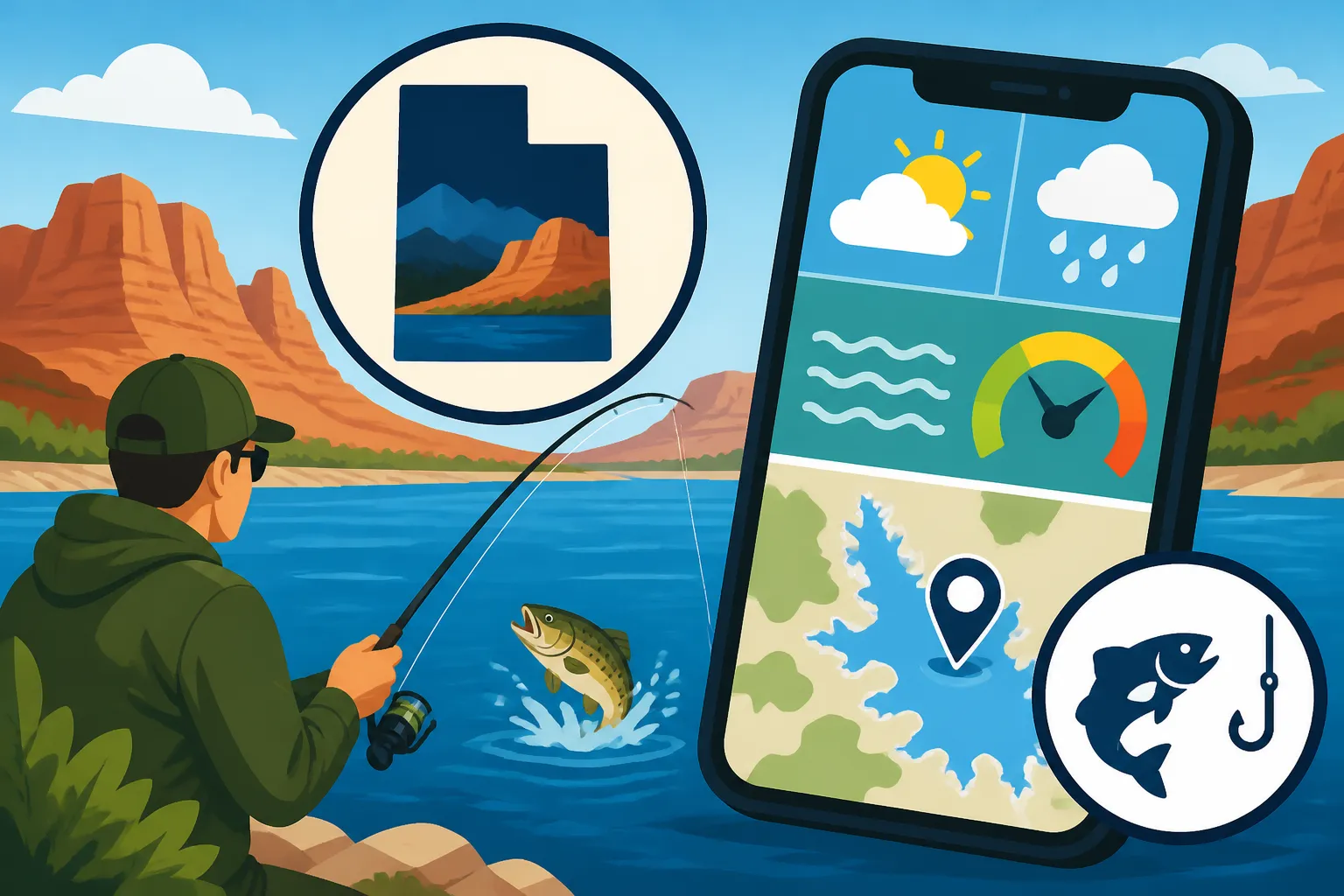
Beyond static reports and community chatter, modern technology offers dynamic tools to predict and react to fishing conditions. From sophisticated weather apps to specialized fishing platforms, there's a wealth of real-time data at your fingertips.
Advanced Weather and Water Data Apps
Gone are the days of just checking a basic weather forecast. Today, we have access to incredibly detailed weather apps that can provide hourly wind forecasts, precipitation radar, and even water temperature predictions. Apps like AccuWeather, NOAA Weather, or even specialized marine weather apps can be indispensable for planning your day on the water. High winds on a large reservoir like Lake Powell can make for a miserable and dangerous day, so knowing what to expect is crucial.
For water levels and flows, resources like the USGS National Water Information System (NWIS) provide real-time streamflow and gauge height data for many rivers and reservoirs across Utah. This is particularly useful for river anglers trying to gauge if spring runoff is still making the Provo River unfishable, or if a particular reservoir is drawn down, affecting shore access. Understanding these fluctuations can help you decide if it's the Best Time of Year to Fish in Utah for your target species or chosen method. Some apps can even help you interpret data from your own gear, showing you how to read a fish finder for Utah reservoirs and combine that with environmental data for a full picture.
Specialized Fishing Apps and Booking Platforms
The rise of dedicated fishing apps has also given anglers powerful new tools. Apps like Fishbrain, Angler's Atlas, or iAngler allow users to log catches, share locations (often anonymously or broadly), and get insights into what's being caught where. While some data might be user-generated and vary in accuracy, these platforms can show trends over time, highlighting popular spots and successful techniques. They can also offer localized weather data, moon phases, and other factors often believed to influence fish behavior.
Furthermore, if you're looking for guaranteed, up-to-the-minute information and a better chance at success, consider booking a guided trip. Platforms like FishingBooker connect anglers with professional local fishing guides who know the waters intimately. These guides are on the water almost daily and have an unparalleled understanding of current conditions, recent fish movements, and the most effective tactics. They often monitor multiple sources, from their own observations to communications with other guides, giving you the best possible shot at a productive outing. Whether it's to learn a new technique or to fish a tricky body of water, a guide booked through FishingBooker can be an incredible resource, especially for tackling complex waters or new species. They can also often give you pointers on things like "how to fish from shore in Utah" or "what to expect when planning to fish a particular Utah reservoir".
Putting it All Together: Interpreting the Data
Gathering information from various sources is just the first step. The real art is in interpreting that data to make informed decisions about your fishing trip. It’s about more than just knowing what's biting; it's about understanding why and how conditions might affect your success.
Analyzing Water Temperature and Clarity
Water temperature is a critical factor for nearly all fish species. Different fish have preferred temperature ranges, and knowing the current water temp can tell you a lot about where fish might be holding and how active they'll be. For instance, trout are generally more active in cooler water, while bass and walleye prefer warmer conditions. Websites or apps that provide water temperature readings, or reports from the DWR, can be invaluable. This directly ties into knowing how Water Temperature Affects Utah Trout Fishing and other species. If you know the temperature is fluctuating, you can adjust your depth and presentation accordingly.
Water clarity is another huge factor. After heavy rains, many reservoirs and rivers can become muddy, making it harder for fish to see your bait or lure. Conversely, exceptionally clear water might require lighter lines and more subtle presentations. Online forums often have anglers reporting on clarity, or you can sometimes infer it from DWR reports mentioning recent precipitation. If the water's murky, consider baits with strong scents or lures with high vibration.
Considering Recent Pressure and Future Weather
Fishing pressure, while not always explicitly reported, can impact how willing fish are to bite. If a reservoir has been heavily fished recently, especially after a stocking event or a prime bite, the fish might become more wary. Combining this with upcoming weather changes is also key. A cold front moving in, a sudden drop in barometric pressure, or even a full moon can all influence fish behavior. While we can't control the weather, knowing it's coming allows us to adjust our expectations and tactics.
Don't forget about the "biological clock" aspect either. Many fish species become more active during dawn and dusk. So even if daytime conditions look bleak, a well-timed trip during those "magic hours" can still yield results. Planning your trip with a comprehensive view of these factors, possibly after consulting resources like FishingBooker to find a guide who understands these nuances, can dramatically increase your enjoyment and success. You'll also want to be mindful of regulations regarding things like Utah Aquatic Invasive Species Inspection Stations, especially if you're moving between different reservoirs.
To help you visualize how these various information sources can benefit your planning, here's a quick table:
| Information Source | Type of Data Provided | Best For | Frequency of Updates |
|---|---|---|---|
| Utah DWR Website | Weekly fishing reports, stocking reports, regulations | General conditions, official rules, fish presence | Weekly (reports), ongoing (rules) |
| Online Forums/Facebook | User-generated reports, photos, specific tactics | Localized real-time bite, recent success, gear recommendations | Hourly/Daily |
| Local Bait/Tackle Shops | Expert advice, local hot spots, current best baits | Hyper-local conditions, immediate bite, last-minute tips | Daily (in person/phone) |
| Weather Apps (e.g., NOAA) | Wind, precipitation, temperature, barometric pressure | Safety, planning for comfort, predicting fish activity | Hourly/Real-time |
| USGS Water Data | Water levels, flow rates, gauge height | River conditions, reservoir drawdowns, access planning | Real-time |
| Fishing Apps (e.g., Fishbrain) | User-logged catches, general hot spots, species trends | Broad trends, discovering new spots, seeing what's being caught | Daily (user-dependent) |
| Fishing Guides (via FishingBooker) | Expert, real-time knowledge, tailored advice | Immediate, accurate, on-the-water conditions, skill building | Daily (on guided trips) |
Ultimately, becoming a successful angler in Utah's diverse waters isn't just about having the right gear or knowing the Best Places to Fish in Utah. It's about being a diligent detective, piecing together clues from multiple sources, and learning to interpret what the water and weather are telling you. Happy fishing, and may your lines always be tight!
Disclaimer
The information provided in this guide is for general informational purposes only and does not constitute legal advice. Fishing regulations and conditions in Utah can change frequently. Always consult the official Utah Division of Wildlife Resources (DWR) website or contact a local DWR office for the most current and accurate regulations, licensing requirements, and fishing conditions before heading out on the water. Following all state and local laws is the angler's responsibility.