Where to Ice Fish at Fish Lake
The crunch of snow underfoot, the biting chill in the air, and the vast expanse of frozen water can be intimidating for even seasoned anglers. Many wonder if the effort is truly worth it, especially when trying to pinpoint where the fish are hiding under several feet of ice. If you've been dreaming of landing a trophy trout through the ice but aren't sure where to start at a legendary spot like Fish Lake, this guide is for you. We're going to dive deep into the best ice fishing spots at Fish Lake, sharing tips and tricks to make your winter angling adventure a success.
Why Fish Lake is a Premier Ice Fishing Destination
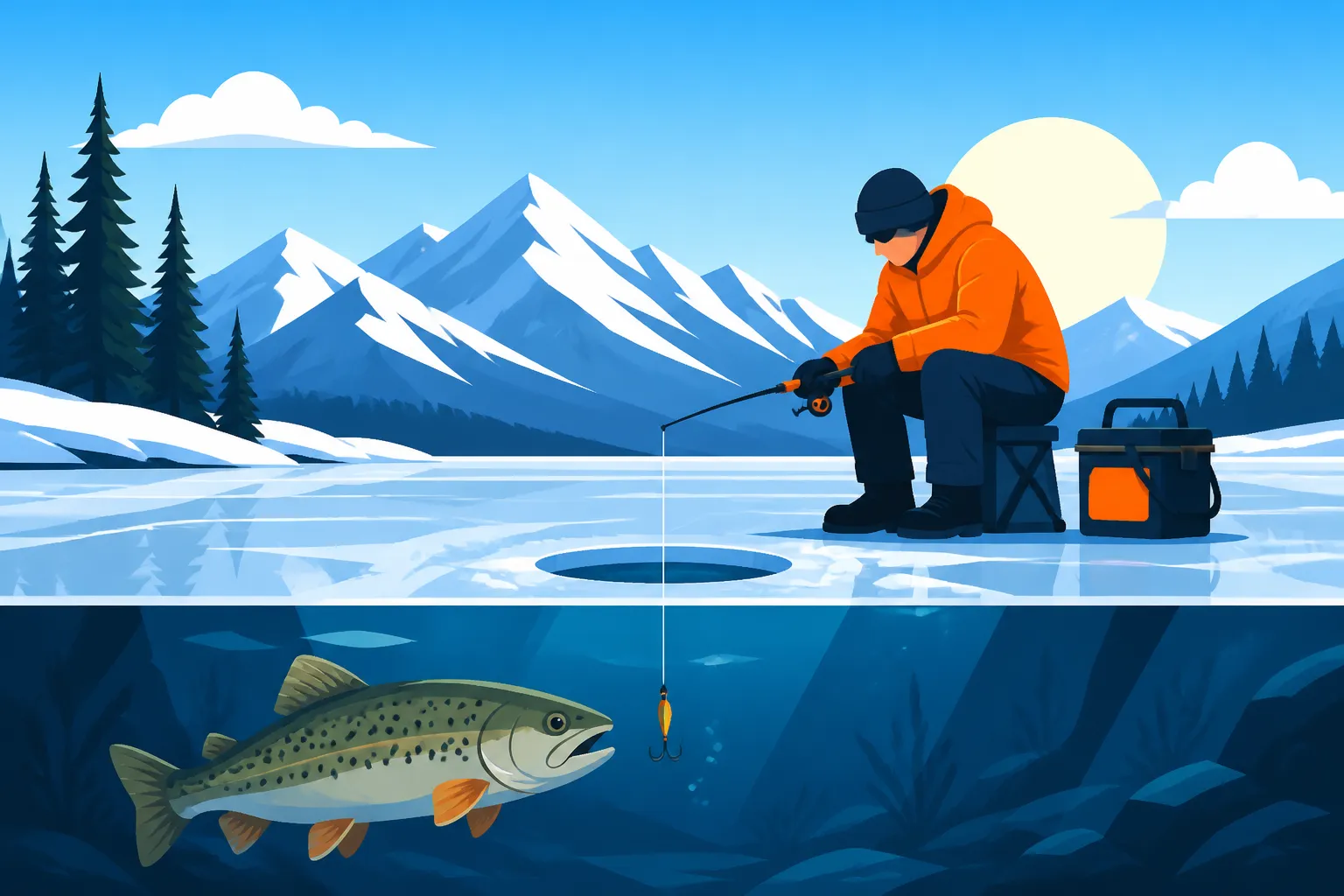
Fish Lake isn't just a pretty face with stunning winter scenery; it's a true gem in Utah's ice fishing crown, famous for its diverse and robust populations of large trout. While many waters offer decent winter fishing, Fish Lake stands out because it consistently produces quality fish, including some real monsters. The thrill of hooking into a powerful lake trout through a small hole in the ice is an experience that keeps anglers coming back year after year. It's a place where patience can truly pay off, and the solitude of a winter day on the ice is a reward in itself.
The Allure of Fish Lake's Winter Fishery
What makes Fish Lake so special in the winter? First, the fish here are known for their size. It's not uncommon to pull out rainbow trout in the 18-20 inch range, and the lake trout (often called Mackinaw) can easily push into the double digits. The lake's deep, cold waters provide an ideal habitat for these species, allowing them to grow large and healthy. Secondly, the sheer variety of species available means you can switch up your tactics if one isn't biting. From aggressive lake trout to feisty splake, there's always something to target. The crisp, clear air and snow-covered pines surrounding the lake also add to the tranquil, almost magical atmosphere, making a day on the ice here much more than just a fishing trip.
Species You'll Target Through the Ice
When you head to Fish Lake, you'll primarily be focused on several key trout species that thrive in its icy depths. Each offers a unique challenge and requires slightly different tactics, which is part of the fun!
- Lake Trout (Mackinaw): These are the kings of Fish Lake, often found patrolling the deeper sections. They are powerful fighters and can grow to impressive sizes, making them a top target for many. You'll need stout gear and a good understanding of their habits to consistently land these giants. Check out our comprehensive guide on Utah Lake Trout (Mackinaw) Guide to learn more about these fascinating fish.
- Rainbow Trout: Stocked regularly, rainbow trout are plentiful and often easier to catch, especially for those newer to ice fishing. They provide consistent action and are often found in shallower to mid-depth areas, cruising the edges of structure.
- Splake: A sterile hybrid of lake trout and brook trout, splake are a popular sport fish known for their aggressive strikes and respectable size. They tend to hang out in intermediate depths, often relating to structure but willing to chase down a bait.
- Tiger Trout: Another sterile hybrid, these beautiful fish (a cross between a brown trout and brook trout) are prized for their unique markings and fierce fight. While perhaps not as numerous as rainbows, catching a tiger trout at Fish Lake is always a memorable experience.
Top Ice Fishing Spots at Fish Lake
Knowing where to drill your holes is often half the battle in ice fishing, and Fish Lake offers a variety of productive spots depending on your target species and preferred fishing style. While conditions change, certain areas consistently hold fish.
Accessible Shoreline Areas and Coves
If you're just starting out, or prefer not to venture too far from shore, Fish Lake has several accessible areas that can be surprisingly productive. These spots are typically safer to access, especially early in the season, and often hold plenty of rainbow trout.
- Fish Lake Lodge Area: The shoreline near the Fish Lake Lodge and marina is a popular spot, especially for rainbow trout. You can often find fish cruising in 10-25 feet of water. It's a convenient location if you're staying nearby, with relatively easy access and often cleared paths to the ice. Anglers here frequently use power bait, small jigs, or worms suspended under a bobber.
- Twin Creeks/Doctor Creek Area: On the eastern side of the lake, closer to the highway, areas like Twin Creeks and Doctor Creek can be good starting points. These coves offer a bit more protection from the wind and can concentrate fish, particularly early and late in the ice fishing season. Focus on areas where the creek channels enter the lake, as these can create natural fish highways under the ice.
- Shoreline Near Points: Any prominent points along the shoreline, even those without specific names, can be excellent spots. Fish often patrol these points as they transition from shallow to deeper water, using them as ambush points for baitfish. Look for areas where the depth drops off quickly just a short distance from shore.
Deep Water Structure and Submerged Features
For those seeking the larger lake trout and splake, you'll need to venture into deeper waters and understand how to identify submerged structures. This often requires a snowmobile, ATV, or a long walk, along with reliable electronics.
- The Deep Hole in the Main Lake: Fish Lake has areas that drop to significant depths, over 100 feet in some places. The main body of the lake, particularly the central basin, is where trophy lake trout often reside. Don't be afraid to fish anywhere from 40 to 80 feet, especially for Mackinaw. They'll relate to subtle changes in the bottom contour, humps, or old creek beds. Using a fish finder like a Garmin or Lowrance becomes indispensable here to locate these contours and schools of baitfish.
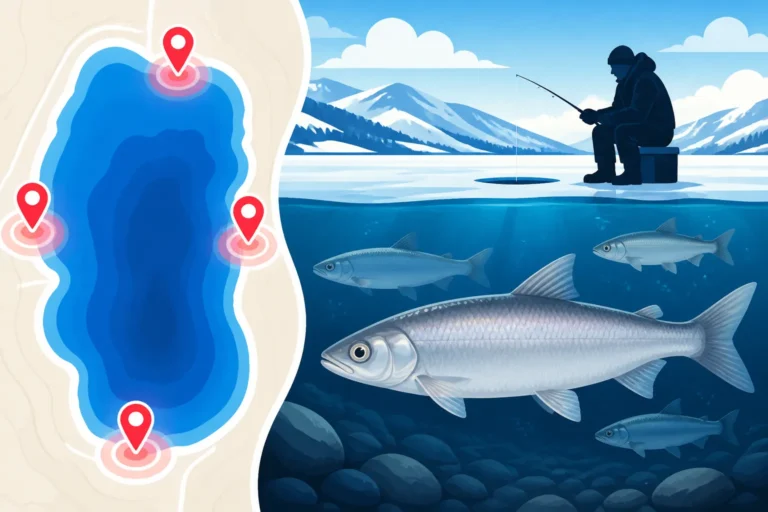
- Submerged Islands and Humps: There are several underwater islands and humps that rise from the depths. These act as magnets for all types of trout, providing cover and feeding opportunities. Identifying these on a topographic map or with your fish finder is key. Once you find one, drilling a series of holes around its perimeter and over its top can reveal where the fish are holding. These areas are particularly good for splake and larger rainbows. Many seasoned anglers use apps or GPS devices that show detailed bathymetric maps to pinpoint these spots before they even step on the ice.
- Around the Island: There is a small island in Fish Lake. While it might be tempting to just fish at the island, the real key is often fishing around it, especially on the deeper side where the current might be subtly moving. Lake trout and splake often cruise the ledges and drop-offs surrounding such features.
Areas Known for Specific Species
If you have a particular species in mind, targeting specific zones can increase your chances of success.
- Trophy Lake Trout: For those seeking true giants, focus on the deepest parts of the main lake, particularly those areas with prominent underwater structure like ledges and humps. Early mornings and late evenings are often the best times. You'll typically be fishing in 40-70+ feet of water. Areas further away from high traffic, often requiring a snowmobile, tend to yield better results for these cautious fish.
- Rainbow Trout Hotspots: Rainbows are more widespread. Shoreline access points, community pond-like areas near the lodge, and depths of 15-30 feet are usually reliable. They tend to be more active throughout the day. If you're looking for consistent action for the family, these are your go-to areas.
- Splake and Tiger Trout: These hybrids often occupy similar zones to rainbows but might venture slightly deeper or hold tighter to structure. Look for them around points and submerged humps in 25-50 feet of water. Their aggressive nature means they'll often hit jigs and spoons with enthusiasm.
Essential Gear and Techniques for Fish Lake Ice Fishing
Having the right equipment and knowing how to use it is paramount for a successful and enjoyable ice fishing trip to Fish Lake. The harsh winter environment demands reliable gear, and the diverse fish species require adaptable techniques.
Must-Have Ice Fishing Gear for Fish Lake
Don't head out onto the ice at Fish Lake unprepared. A good gear setup makes all the difference, especially when battling a big fish in frigid temperatures.
- Ice Auger: You'll need a reliable ice auger to drill through potentially thick ice. For Fish Lake's substantial lake trout, consider a 8-10 inch auger to ensure you can get those bigger fish through the hole. Both gas and battery-powered augers are popular choices; an electric model like a StrikeMaster Lithium 40V or a high-quality gas auger from Eskimo will make quick work of even thick ice. For more on choosing the right tool, check out our guide on Best Ice Auger Size for Utah Ice Fishing.
- Ice Fishing Rods and Reels: Dedicated ice fishing rods are shorter, allowing for better control in an ice shelter. Bring a variety: a medium-heavy rod for lake trout, and medium-light to medium rods for rainbows, splake, and tiger trout. Pair them with smooth spinning reels spooled with strong, low-stretch line like fluorocarbon (6-12 lb test, heavier for lake trout).
- Fish Finder (Flasher/Sonar): This is non-negotiable for serious ice anglers at Fish Lake. A Vexilar, Humminbird Ice Helix, or Garmin Striker Ice Bundle will help you locate fish, identify structure, and see your lure in real-time, greatly increasing your catch rate.
- Ice Shelter: Whether it's a portable pop-up like a Clam or Eskimo or a more permanent hub-style shelter, a good ice shelter provides warmth and comfort, extending your fishing day. Many anglers find the ability to move quickly with a pop-up shelter crucial for finding active fish. For deeper dives into shelters, read our guide on Best Ice Fishing Shelters for Utah Winters.
- Warm Clothing and Safety Gear: Layers are key! Insulated boots, waterproof outer layers, warm hat, and gloves are essential. Don't forget ice cleats for traction, a spud bar to check ice thickness (especially on unknown ice), and ice picks around your neck in case of a fall through. Knowing How Thick Does Utah Ice Need to Be Before You Can Fish On It? is crucial for safety.
- Sled or Portable Cart: For transporting all your gear across the ice, a sturdy sled or cart is invaluable.
Effective Baits and Lures
The right presentation can entice even the most finicky fish. Here’s what tends to work well at Fish Lake:
- For Lake Trout: Heavy jigging spoons (1/2 oz to 1 oz+) like Northland Buck-Shot Rattle Spoons, Tube Jigs (3-5 inches) tipped with a piece of sucker meat, or large swimming lures like a Rapala Jigging Rap in sizes 7-9. White, silver, glow, and perch patterns are often effective.
- For Rainbows, Splake, and Tiger Trout: Smaller jigging spoons (1/8 oz to 1/4 oz) like Kastmasters, Swedish Pimples, or smaller Northland Forage Minnow Spoons are excellent. Tip them with a mealworm, wax worm, or a piece of Gulp! Minnow. Small horizontal jigs like a VMC Tungsten Mongo Jig or a Clam Drop-Kick Jig are also highly effective, especially when paired with plastics or live bait. PowerBait is a classic for stocked rainbows, often used on a small hook near the bottom.
- Live Bait: For lake trout and splake, live or dead minnows (where legal, check regulations for specific water bodies) are often irresistible. Sucker meat or chunks of chub can be deadly when presented on a plain hook or a jig. For rainbows, wax worms, mealworms, and nightcrawlers are always a good bet.
Techniques for Different Species
Varying your presentation can be the difference between a slow day and a banner day.
- Jigging for Lake Trout: This is a highly active technique. Drop your heavy jig or spoon to the bottom, then lift it sharply 1-3 feet, letting it flutter back down. Experiment with pause times. Many anglers will add a piece of sucker meat to their jig for added scent and appeal. Watch your fish finder for marks coming up from the bottom to investigate. If they stop, try a more subtle jigging motion or hold it still.
- Dead Sticking for Rainbows and Splake: While jigging is often productive, sometimes a stationary bait is best. Set up a second rod (where regulations allow, check Utah Fishing Regulations Explained) with a simple hook and power bait or a live minnow just off the bottom or suspended under a bobber. This "dead stick" can often get strikes from less aggressive fish while you're actively jigging another rod.
- Aggressive Jigging for Hybrids: Splake and tiger trout are often very willing to chase. Don't be afraid to be aggressive with your jigging motions – long lifts, quick drops, and varied cadences can trigger reaction strikes. These fish often hit hard, so be ready!
- Trolling/Drifting (on foot): While not traditional "trolling," some anglers will drill a line of holes and move from one to another, jigging each hole for a few minutes before moving on. This allows them to cover more water and find active fish. Platforms like FishingBooker can help you find local guides if you're interested in learning advanced techniques firsthand.
Safety and Regulations on Fish Lake Ice
Ice fishing is incredibly rewarding, but it comes with inherent risks. Prioritizing safety and knowing the specific rules for Utah fishing are non-negotiable for an enjoyable and legal trip.
Ice Safety First
This cannot be stressed enough: no fish is worth risking your life. Always assume ice is unsafe until you've verified otherwise.
- Check Ice Thickness: Never venture onto ice that is less than 4 inches thick for a single person on foot. For snowmobiles, you need at least 5-7 inches, and for ATVs, 7-12 inches. These are general guidelines; always err on the side of caution. Constantly check the ice with a spud bar as you walk out, especially in areas with current, springs, or pressure ridges.
- Go with a Buddy: Fishing with at least one other person is always safer. If someone falls through, help is immediately available.
- Carry Safety Gear: Beyond a spud bar, carry ice picks (worn around your neck for easy access), a throw rope, and a whistle. A fully charged cell phone is also critical.
- Dress Appropriately: Hypothermia is a real danger. Layer your clothing, wear waterproof outer layers, and use insulated boots. Even if you're in an ice shelter, you'll still be exposed to the elements when moving around.
- Know the Conditions: Keep an eye on weather forecasts. Rapid temperature changes, heavy snowfalls, or strong winds can affect ice conditions and make travel difficult.
Key Utah Fishing Regulations for Fish Lake
Before you even step on the ice, make sure you're compliant with all Utah Division of Wildlife Resources (UDWR) regulations. Ignorance of the law is not an excuse.
- Utah Fishing License: You absolutely need a current Utah Fishing License Guide. This is required for anyone 12 years of age or older. You can purchase them online or from authorized vendors. Make sure you understand the Utah Fishing License Age Requirements.
- Bag and Possession Limits: Fish Lake has specific daily bag and possession limits for each species. These can change, so always consult the current Utah Fishing Guidebook or the UDWR website before your trip. For example, Lake Trout (Mackinaw) often have more restrictive limits than other species. Knowing the Utah Daily Bag and Possession Limits is crucial to avoid penalties.
- Number of Poles: Generally, anglers are allowed to use two fishing poles at Fish Lake, but this can vary by water body and specific regulations. Always double-check.
- Bait Restrictions: While live bait is generally allowed at Fish Lake, it's always wise to confirm if there are any specific restrictions on the type of bait you can use, especially when it comes to minnows. Some waters have bait restrictions to prevent the spread of disease or invasive species. Our guide on Utah Bait Fish Rules for Live Bait can provide more details.
- Aquatic Invasive Species (AIS) Rules: Even in winter, AIS rules apply to any equipment that touches the water. Ensure your auger and other gear are clean, drained, and dry before and after use to prevent the spread of invasive species like quagga mussels. You can find more information on Utah Aquatic Invasive Species Rules for Anglers.
- Respect Private Property and Signage: Pay attention to signs regarding private property, access points, and restricted areas around the lake. Respect the environment and pack out everything you pack in.
Planning Your Fish Lake Ice Fishing Trip
A successful ice fishing trip isn't just about what happens on the ice; it's also about meticulous planning beforehand. From checking current conditions to securing lodging, a little preparation goes a long way.
Current Conditions and Local Resources
The dynamic nature of winter means that ice and fishing conditions can change rapidly. Staying informed is vital.
- Utah DWR Website and Reports: The Utah Division of Wildlife Resources website is your primary source for up-to-date fishing reports and ice conditions. They often post reports from conservation officers or local anglers. This should be your first stop to gauge ice thickness, recent stocking efforts, and what species are biting.
- Local Bait Shops: These are goldmines of information. Stores like Fish Lake Lodge & General Store or other shops in nearby towns often have the most current, boots-on-the-ground reports from anglers who were just out on the ice. They can tell you what bait is working best, what depth fish are being caught at, and even recommend specific spots that are hot. Don't be shy about calling ahead!
- Online Forums and Social Media Groups: Many dedicated Utah fishing groups on platforms like Facebook or local fishing forums share real-time updates and photos. Just be mindful that information can sometimes be outdated or anecdotal, so cross-reference with official sources.
- Weather Forecasts: Keep a close eye on the weather. Sudden drops or rises in temperature, heavy snowfall, or strong winds can all impact ice safety and fish behavior. A clear, calm day is ideal for ice fishing.
Lodging and Amenities
Fish Lake is a bit remote, so planning your stay and knowing what amenities are available, especially in winter, is crucial.
- Fish Lake Lodge: The Fish Lake Lodge is typically open year-round and offers cabins, rooms, and sometimes even ice fishing guides. It's the most convenient option for staying right on the lake. Be sure to book well in advance, especially for weekend trips, as winter accommodations can fill up quickly. They also often have a small store for essentials and some fishing supplies.
- Nearby Towns: For more options, consider staying in towns like Loa or Richfield, which are a short drive away. These towns offer a wider range of hotels, motels, and restaurants. Keep in mind the drive time to the lake, especially in winter conditions.
- Camping: While primitive camping might be an option in some areas during summer, winter camping around Fish Lake is generally not recommended unless you are extremely experienced in cold weather survival and have dedicated four-season gear. Most campgrounds are closed or inaccessible in winter.
- Snowmobile and ATV Rentals: If you plan to explore the far reaches of the lake for those trophy lake trout, you might need a snowmobile or ATV. Some local outfitters offer rentals, but availability can be limited in winter. Plan this well ahead of your trip. Services like FishingBooker can sometimes help you find local guides who include transportation in their packages.
| Species Targeted | Primary Location | Typical Depth (Feet) | Recommended Bait/Lure | Key Technique |
|---|---|---|---|---|
| Lake Trout (Mackinaw) | Deep Main Lake Basin, Humps | 40-70+ | Heavy Jigging Spoons (1/2-1oz+), Tube Jigs w/ Sucker | Aggressive Jigging, Slow Lifts & Drops |
| Rainbow Trout | Shoreline Coves, Lodge Area | 10-30 | PowerBait, Small Spoons, Worms, Small Jigs | Dead Stick, Light Jigging, Suspended under Bobber |
| Splake | Points, Submerged Humps | 25-50 | Medium Spoons, Tube Jigs, Smaller Swimming Lures | Active Jigging, Varying retrieve speed |
| Tiger Trout | Near Drop-offs, Structure | 20-40 | Small Spoons, Horizontal Jigs w/ Bait, Grubs | Moderate Jigging, Erratic movements |
Ultimately, ice fishing at Fish Lake is an incredible experience for any angler willing to brave the cold. With the right preparation, knowledge of key spots, and a commitment to safety, you'll be well on your way to a memorable winter adventure and perhaps even a trophy catch.
Disclaimer
Please be aware that fishing regulations, conditions, and access can change rapidly. Always consult the official Utah Division of Wildlife Resources (UDWR) current fishing guidebooks and local advisories before planning and embarking on any fishing trip. Ice conditions, in particular, can be highly unpredictable and dangerous; prioritize safety above all else. This guide is for informational purposes only and should not replace official sources or professional advice.