Best Fishing Spots to Try After a Free Fishing Day Visit
The thrill of Utah's Free Fishing Day is truly something special. It's a fantastic opportunity to introduce friends and family to the joys of casting a line without the pressure of needing a license. But once that magical day is over, many new anglers or returning enthusiasts find themselves wondering, "Now what?" The good news is, your angling adventure doesn't have to end there! This guide is designed to help you seamlessly transition from that one free day into a fulfilling year-round pursuit, highlighting accessible and rewarding fishing spots across Utah and outlining the crucial steps to keep you on the water legally and successfully.
Why Keep Fishing After Free Fishing Day?
That first tug on the line, the quiet serenity of the water, the shared laughter with loved ones – Free Fishing Day often plants a seed of passion that's hard to ignore. It’s an open invitation to a world of outdoor recreation that can bring immense satisfaction, calm, and connection with nature. Why let that feeling fade when there's so much more to explore?
The Joy of Angling Year-Round
Continuing your fishing journey beyond a single free day opens up a whole new realm of possibilities. You get to delve deeper into different techniques, learn about the diverse fish species Utah has to offer, and discover a multitude of breathtaking locations, from serene urban ponds to vast, majestic reservoirs. It’s about building skills, understanding fish behavior, and finding your rhythm with the seasons. Think about the pride of catching a beautiful brown trout on a fly you tied yourself, or the excitement of a hard-fighting wiper at Willard Bay. These are experiences that a single day just scratches the surface of. You might even find yourself looking into options to explore new waters, perhaps through guided trips you can find on platforms like FishingBooker, which makes discovering local experts a breeze.
Understanding Utah's Fishing License Requirements
The most immediate and important step after enjoying the freedom of Free Fishing Day is to secure your proper licensing. While that one day offers a wonderful reprieve, any fishing activity on Utah waters outside of it requires a valid license for anglers 12 years and older. This isn't just a bureaucratic hurdle; it's how Utah's Division of Wildlife Resources (DWR) funds vital conservation efforts, fish stocking programs, and habitat restoration projects that ensure healthy fisheries for everyone.
Navigating the requirements can sometimes feel a little overwhelming, especially with all the different age groups and residency statuses. Don't worry, it's pretty straightforward once you know the basics. You'll want to read up on the current year's rules, which are all detailed in the official guide. For a comprehensive overview, checking out the Utah Fishing License Guide is a great starting point. Understanding the Utah Fishing Regulations Explained will prevent any accidental violations, keeping your angling stress-free. For those looking to make a purchase, the How to Buy a Utah Fishing License guide walks you through the entire process, whether you prefer online, in-person, or by phone. Remember, if you're planning a family outing, be aware of the specific Utah Youth Fishing License Rules for the younger generation.
Top Urban and Community Ponds for Easy Access
After getting a taste of fishing, the easiest way to continue is often at one of Utah's many accessible urban and community ponds. These spots are intentionally managed by the DWR to provide convenient, family-friendly fishing opportunities, often stocked regularly with trout and other species.
Perfect for Families and Beginners
Community ponds are absolute gems for beginners and families with young children. They typically offer easy bank access, often have paved paths, restrooms, and sometimes even fishing piers, making them very user-friendly. The fish populations here are usually robust due to consistent stocking, meaning a higher chance of success, which is fantastic for keeping enthusiasm high, especially for kids. For those in the greater Salt Lake area, the Salt Lake Valley Urban Fishing Ponds are prime examples, offering quick escapes for an hour or two of fishing after school or work. Ponds like Decker Lake in West Valley City, Jordan River Parkway Pond in South Jordan, or Sandy Pond in Sandy are popular choices. They are often stocked with rainbow trout, and you might also find bluegill and largemouth bass, depending on the pond. These locations are designed for ease of access and offer a relaxed fishing environment without the need for specialized boats or equipment.
What to Expect at Community Ponds
When you visit a community pond, you can generally expect relatively calm, shallow waters. The primary target species is usually rainbow trout, which are stocked frequently, especially in cooler months. In warmer months, species like bluegill and largemouth bass become more active. The fishing here is typically done with simple tackle: a spinning rod and reel, a bobber, a small hook, and bait like PowerBait, worms, or corn. It’s an excellent environment to practice casting, learn how to tie basic knots, and understand how to properly handle and release (or keep) fish. You'll often see other families, beginners, and even seasoned anglers enjoying the tranquility. Don't be afraid to strike up a conversation; most anglers are happy to share tips on what's working that day! For more specific information, make sure to check out the Utah Community Pond Fishing Spots list to find a pond near you.
Accessible Reservoirs for a Broader Experience
Once you've honed your skills at community ponds, the next natural step is to explore some of Utah's larger, yet still very accessible, reservoirs. These offer a more expansive fishing experience, often with a wider variety of species and opportunities for different techniques, whether you're fishing from the shore or a small boat.
Popular Spots Near Population Centers
Utah is blessed with numerous reservoirs that are within a reasonable drive of most population centers along the Wasatch Front and beyond. These larger bodies of water provide a fantastic step up from smaller ponds, offering more challenging and diverse fishing without requiring a multi-day expedition into the wilderness.
- Deer Creek Reservoir: Located near Midway, this reservoir is a fantastic option with stunning views of Mount Timpanogos. It's known for its rainbow trout, brown trout, and a healthy population of smallmouth bass. The reservoir is quite large, offering plenty of shoreline access and several boat ramps. For those targeting trout, trolling with pop gear and a worm, or casting spoons from shore, can be very effective. Smallmouth bass anglers will find success around rocky points and drop-offs using jigs or crankbaits. Discover more specific areas with our guide on Deer Creek Reservoir Fishing Spots.
- Jordanelle Reservoir: Situated just east of Heber City, Jordanelle is another popular destination, easily accessible from the Salt Lake and Provo areas. It hosts rainbow trout, brown trout, smallmouth bass, and even some kokanee salmon. Shore fishing for trout with PowerBait or worms is popular near the state park day-use areas. For boaters, trolling can yield good results for trout and kokanee. The smallmouth bass population here provides exciting action, especially in the warmer months. Our detailed Jordanelle Reservoir Fishing Access guide can help you plan your visit.
- Willard Bay Reservoir: A large, warm-water reservoir located just north of Ogden, Willard Bay is a unique spot in Utah. It's famous for its abundant wiper (a striped bass hybrid), channel catfish, and walleye. If you're looking for something different from trout, this is the place. Wiper are incredibly strong fighters, providing an exhilarating experience. Shore anglers can target catfish with cut bait or stink baits, especially at night. Boaters often find success trolling crankbaits or casting spoons for wiper and walleye. Learn more about the fantastic opportunities at Willard Bay Fishing Access.
- East Canyon Reservoir: Nestled in the mountains near Morgan, East Canyon is a picturesque reservoir offering excellent fishing for rainbow trout, brown trout, and tiger trout. It's a bit of a cooler water fishery, making it a great option during the summer months when lower elevation waters warm up. Both shore and boat fishing are productive, with trolling, bait fishing, and even fly fishing opportunities. It's a serene location, perfect for a more immersive experience. For specific strategies, explore the East Canyon Reservoir Fishing Spots.
These reservoirs often have state park facilities, meaning amenities like boat ramps, campgrounds, and visitor centers are usually available, making them convenient for day trips or longer stays. If you're considering expanding your horizons even further, a great way to explore different waters and species is by finding local guides through services like FishingBooker, which can connect you with experienced professionals who know these waters intimately.
Gear and Techniques for Reservoir Fishing
Transitioning to reservoirs often means expanding your tackle box and potentially your techniques. While simple bait fishing with PowerBait or worms still works wonders for stocked trout from shore, you might want to try other approaches.
For trout, casting lures like Kastmasters, Daredevils, or spinners (such as Rooster Tails) can cover more water and entice more aggressive bites. If you have access to a float tube, kayak, or boat, trolling with spoons, pop gear, or even downriggers for deeper-holding fish becomes an option, especially for species like kokanee salmon or lake trout in other, larger reservoirs like Flaming Gorge. For bass, soft plastics, crankbaits, and spinnerbaits worked around submerged structures or rocky shorelines are highly effective. And for catfish at places like Willard Bay, a heavier setup with a sturdy hook and smelly bait fished on the bottom is key.
Remember to consider line strength and type – a bit heavier line might be necessary for bigger fish or when fishing near submerged snags. For general guidance on improving your catch rate, brush up on How to Catch More Fish in Utah. If you're feeling a bit overwhelmed, don't forget to check out Utah Fishing Techniques for Beginners to make sure you're on the right track. Many anglers start with a basic spinning setup, which is versatile enough for both ponds and smaller reservoirs.
| Water Body Type | Typical Fish Species | Best Fishing Method for Beginners | Key Gear | Access Level |
|---|---|---|---|---|
| Community Ponds | Rainbow Trout, Bluegill, Bass | Bobber & Bait (worms, PowerBait) | Light spinning rod, small hooks, bobbers, small sinkers | Very Easy (shore access, paved paths) |
| Accessible Reservoirs | Rainbow Trout, Brown Trout, Bass, Walleye, Wiper, Catfish | Shore fishing with bait/lures, boat trolling (with experience) | Medium spinning rod, various lures (spoons, crankbaits), heavier line | Easy to Moderate (shore/boat access, amenities) |
Planning Your Next Utah Fishing Adventure
Now that you're hooked on fishing, careful planning can make all the difference between a frustrating day and a memorable one. Utah offers incredible diversity, and being prepared for the specific conditions and regulations of your chosen spot is crucial.
Researching Regulations and Conditions
Every body of water in Utah has its own set of rules and nuances. Before heading out, it's absolutely vital to check the current Utah Fishing Regulations Explained document. This will inform you about daily bag and possession limits for specific species, any length restrictions, and special regulations unique to certain waters (e.g., catch-and-release only sections, bait restrictions, or seasonal closures). For instance, some waters might have different rules for trout limits, like those you'd find in the Utah Trout Limits by Water guide, while others, such as Strawberry Reservoir, might have specific seasonal closures. Ignorance of the law is never an excuse, and fines for violations can be significant.
Beyond regulations, researching current fishing conditions is equally important. Water levels can fluctuate, especially in reservoirs, affecting fish locations and access points. Weather plays a huge role; strong winds can make boating unsafe, and extreme temperatures can affect fish activity. Many local tackle shops, state park visitor centers, and online forums or Facebook groups dedicated to Utah fishing provide up-to-date reports. A quick search on the Utah DWR website for specific water bodies often yields valuable information. This proactive research, coupled with understanding things like the Utah Fishing License Renewal Guide, ensures you’re always ready to go.
When to Consider a Guided Trip or Rental
While going it alone offers its own rewards, sometimes a little expert help can accelerate your learning curve and lead to truly unforgettable experiences. If you're targeting a specific species you've never caught before, trying a new technique, or exploring a vast, unfamiliar body of water, a guided fishing trip can be an invaluable investment.
Local fishing guides know the waters intimately, understand fish patterns, and can provide all the necessary gear and instruction. They can teach you everything from how to read the water to the subtle nuances of presentation for tricky fish. This is where services like FishingBooker truly shine, allowing you to easily browse and book local fishing charters and guides, connecting you with professionals who can unlock the secrets of waters like Flaming Gorge or Lake Powell. Not only do they provide expertise, but they also often handle all the licensing and regulation nuances for their clients on the water.
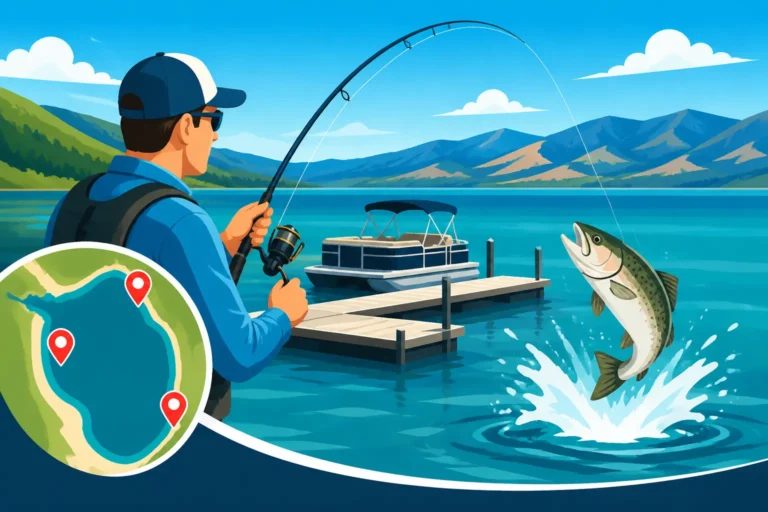
If you're not ready for a guide but want to explore larger waters, consider renting a boat. Many of Utah's state parks on major reservoirs offer boat rentals, from small fishing boats to pontoon boats. This gives you the freedom to explore at your own pace without the commitment of purchasing and maintaining your own vessel. Remember to familiarize yourself with Utah Boating and Fishing Rules before hitting the water in any craft, rented or owned. For an even more unique experience, sometimes you can even book specific fishing trips where boat rentals are included, simplifying the process even further through platforms such as FishingBooker.
Disclaimer
Please note that fishing regulations and conditions in Utah can change frequently. Always consult the most current Utah Fishing Guidebook published by the Utah Division of Wildlife Resources (DWR) before heading out. This content is for informational purposes only and does not constitute legal advice.