Utah Fishing Techniques for Beginners
Feeling a little overwhelmed by the sheer amount of information out there about fishing, especially when you're just starting out in a place like Utah? You're definitely not alone! It can feel like everyone else knows exactly what they're doing, what gear to buy, and where to go, while you're left scratching your head. This guide is here to cut through the confusion and walk you through the most accessible and effective fishing techniques for beginners in Utah, helping you get out on the water with confidence.
Getting Started: Essential Gear for the New Angler
When you're first dipping your toes into the world of Utah fishing, the gear aisle at any sporting goods store or even a quick browse on Amazon can feel like a labyrinth. There are so many options, so many brands, and countless gadgets promising to make you a master angler overnight. The truth is, you don't need all that fancy stuff. For a beginner, simplicity and versatility are your best friends. Focusing on a few key pieces of reliable equipment will get you catching fish faster and without breaking the bank.
The All-Around Spinning Rod and Reel Combo
If there's one piece of equipment every beginner needs, it's a good quality, versatile spinning rod and reel combo. These setups are designed to be user-friendly, forgiving, and effective for a wide range of species and fishing situations you'll encounter in Utah. You don't need to spend a fortune; many reputable brands offer excellent combos that are perfect for learning the ropes.
A medium-light to medium action rod, typically 6 to 7 feet long, is an ideal choice. This length provides good casting distance for shore fishing while still being manageable enough for younger anglers or those with less experience. The "action" refers to how much the rod bends; a medium action offers a good balance of sensitivity for detecting bites and backbone for fighting fish. Paired with a 2000 or 3000 series spinning reel, which is a good mid-size reel capable of holding enough line for most common Utah species, you'll have a formidable and easy-to-use setup. These combos come pre-spooled with line sometimes, making it even easier to get started, and you can find many great options online from retailers like Amazon.
Essential Terminal Tackle and Line
Beyond your rod and reel, you'll need a handful of small but crucial items known as "terminal tackle." These are the bits and pieces that go at the end of your fishing line, connecting you directly to the fish. Again, keep it simple to start. Monofilament fishing line, typically in 6 to 8-pound test, is a fantastic choice for beginners. It's inexpensive, easy to tie knots with, has a bit of stretch to forgive mistakes, and is quite visible, which helps when you're learning.
For hooks, a small assortment of sizes from 6 to 10 will cover most trout and panfish applications. Worm-style hooks or baitholder hooks are excellent for live bait. You'll also need sinkers to get your bait down to the fish. Split shot sinkers, which you can pinch directly onto your line, and a few small egg sinkers are perfect for varying depths. Bobbers are incredibly helpful for beginners as they provide a visual cue when a fish bites; clip-on bobbers are the simplest to use, while slip bobbers offer more versatility for deeper presentations. Don't forget a few small swivels and snaps, which help prevent line twist and make changing lures or baits much quicker.
The Rest of Your Fishing Kit
While the rod, reel, line, and terminal tackle are the absolute essentials, a few other items will significantly improve your comfort and success on the water. A good pair of needle-nose pliers or forceps is invaluable for safely removing hooks from fish. A small tackle box or bag to keep all your terminal tackle organized is a must-have, preventing a frustrating mess of hooks and weights. A cooler isn't just for drinks; it's vital for keeping any fish you plan to keep fresh, especially on warmer days. And speaking of fish, a small landing net makes it much easier and safer to bring your catch to shore, reducing stress on both you and the fish.
Beyond the gear, remember to pack for yourself: sun protection like a hat, sunglasses, and sunscreen are crucial in Utah's often bright conditions. Staying hydrated with plenty of water is also a must. Most importantly, before you even cast a line, make sure you have a valid Utah fishing license. It's a fundamental requirement, and you can learn all about the process, including how to buy one, in our comprehensive guide, How to Buy a Utah Fishing License.
Understanding Utah's Fish: The Common Catches for Beginners
Utah's waters are teeming with various fish species, but some are definitely more beginner-friendly than others. Knowing what you're likely to catch, and a little about their habits, can greatly increase your chances of success and make your first few outings much more enjoyable. Forget about chasing elusive trophy fish on your first try; focus on the species that are plentiful and eager to bite.
Stocked Rainbow Trout: The Beginner's Best Friend
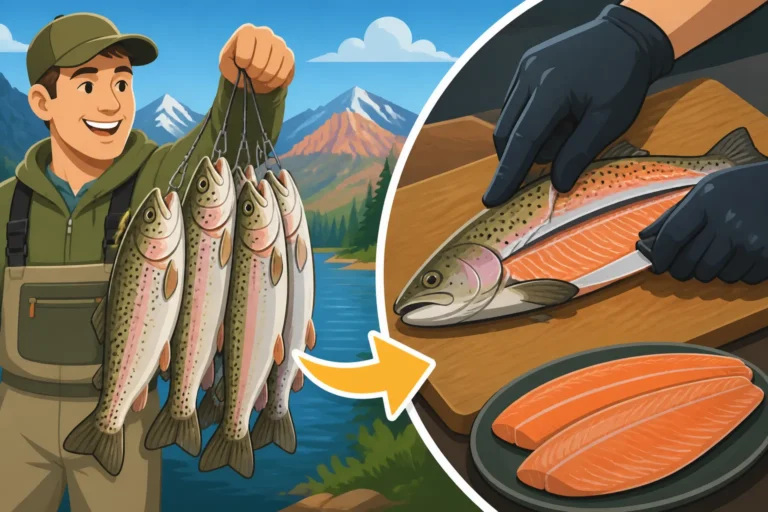
If you're starting your fishing journey in Utah, the rainbow trout is almost certainly going to be your first real success story. The Utah Division of Wildlife Resources (DWR) actively manages and stocks community ponds and many reservoirs throughout the state with these feisty, beautiful fish. They are stocked regularly, making them readily available, and they are generally quite aggressive, meaning they're more willing to strike at baits and lures, even from a novice angler.
Rainbow trout are found in almost every body of water you'll visit as a beginner, from urban community ponds to larger reservoirs. They are opportunistic feeders, meaning they'll eat a wide variety of things, which makes them forgiving targets for new anglers experimenting with different baits. They put up a decent fight for their size, providing an exciting challenge without being overwhelming. To learn more about where these common fish thrive, check out our article on Rainbow Trout in Utah Reservoirs. They truly are the ideal species to build your confidence and learn the basic techniques.
Panfish: Bluegill and Perch for Fun Action
For consistent action and a high number of bites, you can't go wrong targeting panfish like bluegill, sunfish, and yellow perch. These smaller species are incredibly common in many of Utah's community ponds and reservoirs, and they're often found in large schools, meaning once you find one, you're likely to find many more. They are especially perfect for introducing kids to fishing, as their eagerness to bite keeps young anglers engaged.
Bluegill and other sunfish are known for their distinctive shape and often vibrant colors. They're typically found in shallower, vegetated areas. Yellow perch, with their striped sides, prefer slightly deeper water but are also very common. Both species are relatively small, making them easy to handle, and they readily take small baits and lures. The sheer frequency of bites you'll get from panfish is a huge confidence booster and a fantastic way to practice casting, setting the hook, and landing fish. Our guide to Panfish Species in Utah Ponds can give you more specific details on where to find these eager biters.
Channel Catfish: A Hard-Fighting Alternative
While trout and panfish are great for daytime action, if you're looking for a different kind of thrill, especially during the warmer months, consider targeting channel catfish. These powerful, whiskered fish are abundant in waters like Utah Lake and Willard Bay, and they offer a hard-fighting challenge that can be incredibly rewarding. Catfish are primarily nocturnal, making them an excellent target for evening or night fishing trips when the air is cooler and the crowds are thinner.
Channel catfish are bottom feeders, relying on their keen sense of smell to locate food. This means that stink baits, cut bait, or even chicken livers are incredibly effective. They grow to impressive sizes in Utah, and a big channel cat can really test your drag and your angling skills. While they might not be the absolute first fish a complete beginner targets, they offer a fantastic next step once you've mastered the basics with trout and panfish. For more on where to find these impressive fish and what they eat, dive into our article on Utah Lake Catfish Species.
Fundamental Techniques: Mastering the Basics of Casting and Retrieval
Once you've got your gear and an idea of what fish to target, it's time to learn the fundamental techniques that will allow you to actually catch them. Don't worry, these aren't complicated; they just take a little practice. The good news is, you can practice a lot of this in your backyard before you even get to the water!
How to Cast a Spinning Rod Like a Pro
Casting is perhaps the most fundamental skill in fishing, and with a spinning rod, it's surprisingly easy to learn. The key is smooth, controlled movements rather than brute force. Start by holding the rod with your dominant hand, placing your index finger directly on the rod above the reel. Reaching down, you'll want to grasp your fishing line with that index finger.
Next, open the bail on your spinning reel with your free hand. This is the wire arm that swings open, allowing the line to come off freely. Now, look where you want your lure or bait to land. Bring the rod back over your shoulder in a smooth arc, pausing for a split second when the rod is behind you and slightly loaded with the weight of your lure. Then, with a forward motion, sweep the rod towards your target. As the rod comes forward and reaches about a 10 o'clock position (just before the rod tip points straight at your target), release your index finger from the line. The lure's momentum will carry the line out. Practice in an open area, perhaps with a practice plug or even just a heavy washer tied to your line, aiming for a bucket or a specific spot. We have a dedicated guide on How to Cast a Spinning Rod for the First Time that breaks down each step even further, with tips for accuracy and distance.
The Art of the Retrieve: Keep That Line Moving
Once your bait or lure splashes down, the retrieve begins. This is how you bring your offering back to you, ideally enticing a fish to bite along the way. The most basic retrieve is a slow, steady reel-in, and it's effective for many lures and baits, especially when targeting stocked trout or panfish. As you reel, you'll want to maintain a slight bend in your rod tip – this is often called "feeling the lure" or "feeling the bait." It allows you to detect subtle bumps or changes in your line that indicate a fish might be investigating or biting.
For lures, varying your retrieve speed can often trigger strikes. Try reeling a bit faster, then pausing, or giving the rod tip a gentle twitch to create an erratic action that mimics struggling prey. When bait fishing, a steady retrieve isn't always necessary, but keeping a slight tension on the line helps you feel bites. Sometimes, fish will gently mouth the bait, and a slack line means you'll never even know they were there. Practice different speeds and motions to see what works best on any given day.
Setting the Hook and Landing Your Catch
The moment you feel a bite – that distinct tug, twitch, or the bobber disappearing – your heart will race! This is where setting the hook comes in. It's a quick, firm upward or sideways sweep of your rod that embeds the hook securely in the fish's mouth. Don't yank violently, as this can rip the hook out or break your line. Instead, a smooth, swift motion is all that's needed. For trout and panfish, a quick snap of the wrist is usually enough. Our guide on How to Set the Hook on a Soft Bite From Trout offers more nuanced advice on detecting and reacting to those subtle takes.
Once the hook is set, the fight begins! Keep your rod tip high, pointed towards the sky at about a 45-degree angle. This keeps tension on the line and uses the rod's flex to absorb the fish's powerful runs and headshakes. Avoid reeling when the fish is pulling line; let your drag do its job. Only reel when the fish isn't actively pulling, slowly gaining line until the fish is close to shore. At this point, gently guide it into a landing net. A net reduces the risk of losing the fish right at the last second and minimizes handling stress on the fish, especially if you plan to release it.
Bait Fishing: The Go-To for Many Utah Novices
For most beginners, bait fishing is the easiest and most effective way to start catching fish. There's something inherently simple and satisfying about putting a natural offering in the water and waiting for a bite. In Utah, especially when targeting stocked trout and panfish, bait can be incredibly productive, often out-fishing lures for new anglers who are still mastering casting and retrieval.
PowerBait and Worms: Classic Trout Temptations
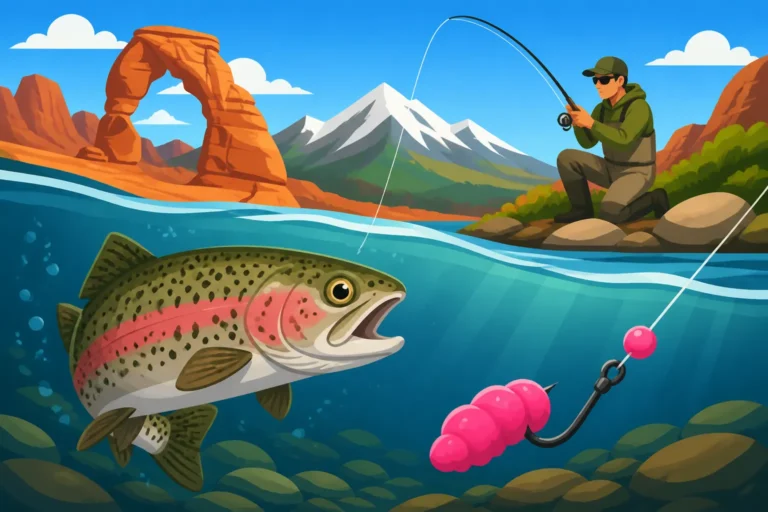
When it comes to bait fishing for trout in Utah, two options reign supreme for beginners: PowerBait and live worms. PowerBait, particularly the floating varieties, is specifically designed to attract trout with its scent, color, and texture. To use it effectively, roll a small amount (about the size of a pea or dime) around a small treble hook or single hook, completely concealing the hook. The goal is for the PowerBait to float off the bottom, putting it right in the trout's strike zone. It comes in a dizzying array of colors, and sometimes experimenting with different hues can make all the difference. For a deeper dive into this popular bait, check out How to Fish PowerBait for Stocked Trout.
Live worms, such as nightcrawlers or mealworms, are another universal bait that almost all freshwater fish will strike. They're natural, inexpensive, and incredibly effective. Thread a small piece of nightcrawler onto your hook, making sure the hook point is exposed. For smaller panfish, a single mealworm or a tiny piece of nightcrawler is often more than enough. You can fish worms either on the bottom or suspended under a bobber. The natural wiggling action of a live worm is irresistible to many fish, making it a reliable choice when other baits aren't working.
Using Bobbers for Easy Bite Detection
Bobbers are a beginner's best friend, especially when using bait. They serve two primary functions: first, they suspend your bait at a desired depth, keeping it off the bottom where it might snag or get lost in weeds. Second, and perhaps most importantly for beginners, they act as a clear visual indicator of a bite. There's no mistaking it when your bobber dips, twitches, or completely disappears beneath the surface!
Clip-on bobbers are the simplest to use. You just clip them onto your line above your hook and sinker. The distance between the bobber and your hook determines the depth your bait will sit. Experiment with different depths until you start getting bites, as fish might be holding high in the water column or closer to the bottom depending on conditions. Slip bobbers are a bit more advanced but allow you to fish deeper waters without needing to cast a long, unwieldy leader. They "slip" up your line until they hit a small knot (a "bobber stop") you've tied at your desired depth. Watch that bobber like a hawk; any unusual movement means it's time to get ready to set the hook!
Bottom Fishing with Sinkers
Sometimes, fish aren't interested in baits suspended mid-water. They might be hugging the bottom, perhaps in deeper holes or near structure. This is when bottom fishing with sinkers comes into play. Instead of a bobber, you rely on the weight of a sinker to get your bait directly to the lake or riverbed. This technique is particularly effective for targeting larger trout, catfish, or walleye in certain Utah waters.
A common setup for bottom fishing is a simple Carolina rig or a slip sinker rig. With a slip sinker rig, an egg sinker or similar weight slides freely on your main line, above a small swivel. Below the swivel, you tie a leader (a shorter piece of line, usually 12-18 inches) and your hook. When a fish bites, the line slides through the sinker, allowing the fish to take the bait without feeling the resistance of the weight immediately, which can make them drop the bait. You feel the bite directly through the line, usually as a series of taps or a steady pull. This requires a bit more feel than bobber fishing, but it's a very effective method once you get the hang of it, especially for those stronger-pulling bottom dwellers.
Lure Fishing: Stepping Up Your Game with Artificials
Once you've gained confidence with bait fishing, venturing into the world of lures is a natural next step. Lures require a bit more active participation, as you're responsible for imparting the action that makes them attractive to fish. But the reward can be immense, as lures allow you to cover more water, target different species, and often result in more aggressive strikes. Plus, for many, the challenge of "tricking" a fish with an artificial lure is incredibly satisfying.
Spinners and Spoons: Flash and Vibration for Trout
Spinners and spoons are classic artificial lures, and for good reason: they consistently catch fish, especially trout, in Utah's lakes and rivers. They work by creating flash, vibration, and erratic movement in the water, mimicking fleeing baitfish or insects. Brands like Mepps, Roostertail, Kastmaster, and Daredevle are staples in many Utah anglers' tackle boxes and are great starting points.
A spinner typically consists of a weighted body, a rotating blade, and a treble hook. As you retrieve it, the blade spins, creating flash and vibrations that attract fish. A steady, moderate retrieve is often all it takes. Spoons, on the other hand, are shaped pieces of metal designed to wobble and flutter as they're reeled in, simulating an injured baitfish. They are excellent for casting and retrieving, or even for jigging off the bottom in deeper water. Experiment with different retrieve speeds – sometimes a slow, steady retrieve is best, while other times a stop-and-go or erratic retrieve will trigger a strike. Keep an eye on color too; silver and gold are often go-to choices, but brighter colors can work well in stained water.
Jigs for Panfish and Bass
Jigs are incredibly versatile lures, essentially a weighted hook dressed with a soft plastic body, feathers, or hair. They are effective for almost every freshwater species in Utah, making them a fantastic addition to a beginner's arsenal once they're ready to move beyond just bait. For panfish, tiny jigs in the 1/32 to 1/16 ounce range, often tipped with a piece of worm or scented bait, are deadly. Cast them out, let them sink, and then slowly twitch them back, imitating a small insect or minnow.
For bass (both smallmouth and largemouth) found in reservoirs like Flaming Gorge or Deer Creek, slightly larger jigs with curly tail grubs or tube baits are excellent. Cast these jigs near structure like rocky points, submerged timber, or weed lines. The retrieve often involves a series of short hops or drags along the bottom, mimicking a crawfish or bottom-dwelling baitfish. The strike is often a subtle "thump" or the line going slack, requiring a quick hook set. While this might sound a bit more advanced, the basic principle of casting and retrieving with a jig is accessible for beginners, and the results can be fantastic. You can even use jigs for trout, learning How to Rig a Jig for Utah Trout for different conditions.
Soft Plastics: Versatility for Various Species
Soft plastic lures, which come in countless shapes, sizes, and colors, offer incredible versatility and are highly effective once you get the hang of them. From worm imitations to creature baits and small swimbaits, there's a soft plastic for almost every situation. They are usually fished on a jig head (a weighted hook) or rigged "weedless" to avoid snagging in cover.
For beginners, starting with small curly tail grubs or simple worm imitations on a light jig head is a great way to go. These can be cast and slowly reeled in with occasional twitches, or even fished under a bobber for a subtle presentation. They are excellent for panfish and smaller trout. As you gain confidence, you can move to small swimbait imitations for bass or larger trout. The key with soft plastics is to let them do their work – their natural flexibility and movement in the water are what makes them appealing. Many soft plastics are also infused with scent, adding another layer of attraction for the fish. The soft plastics available on platforms like Amazon offer a great way to experiment with a variety of colors and styles without a huge investment.
Where to Start: Ideal Utah Waters for Beginner Anglers
One of the biggest hurdles for new anglers is figuring out where to go fishing. Utah is blessed with an abundance of diverse fisheries, from high mountain lakes to sprawling desert reservoirs, but not all are created equal for beginners. The best places to start are those that offer easy access, consistent stocking, and a high likelihood of catching fish without requiring specialized gear or techniques.
Community Ponds: Accessible and Stocked
For absolute beginners, especially families with young children, Utah's community fishing ponds are arguably the best place to start. The Utah DWR actively manages and regularly stocks these urban and semi-urban ponds with rainbow trout, and often includes other species like channel catfish and panfish. This consistent stocking means there's almost always fish to be caught, drastically increasing your chances of success.
These ponds are designed for easy access, often featuring paved paths, fishing piers, restrooms, and picnic areas. They're typically smaller, making them less intimidating than vast reservoirs. Great examples around the Wasatch Front include Decker Lake in West Valley City, the Jordan River Parkway Ponds, and Highland Glen Park in Highland. These locations minimize travel time and maximize fishing time, making them perfect for a quick evening outing or a weekend afternoon. You can find a comprehensive list and details about these accessible spots in our guide, Utah Community Pond Fishing Spots. They're truly fantastic places to learn casting, practice different baits, and simply enjoy the process of catching fish.
Popular Reservoirs: Larger Waters with Diverse Fish
Once you've built some confidence in community ponds, stepping up to some of Utah's more popular reservoirs offers a chance to explore larger waters and target a greater variety of fish. While they can be more challenging due to their size and depth, many reservoirs still offer excellent shore fishing opportunities for beginners, particularly for rainbow trout, perch, and sometimes even smallmouth bass.
Reservoirs like Deer Creek Reservoir near Provo, Jordanelle Reservoir near Park City, Pineview Reservoir in Ogden Valley, and East Canyon Reservoir east of Salt Lake City are all excellent choices. These reservoirs are often stocked with trout and also hold self-sustaining populations of other species. They offer more space to spread out, and while boat access is common, many have designated shorelines or state parks with good fishing access. You might need to cast a bit further or explore different spots to find fish, but the rewards can include larger trout or more diverse catches. Consider looking into Best Utah Lakes for Trophy Fish when you're ready to explore these larger waters and their potential for bigger catches.
River Sections: Learning to Read Current
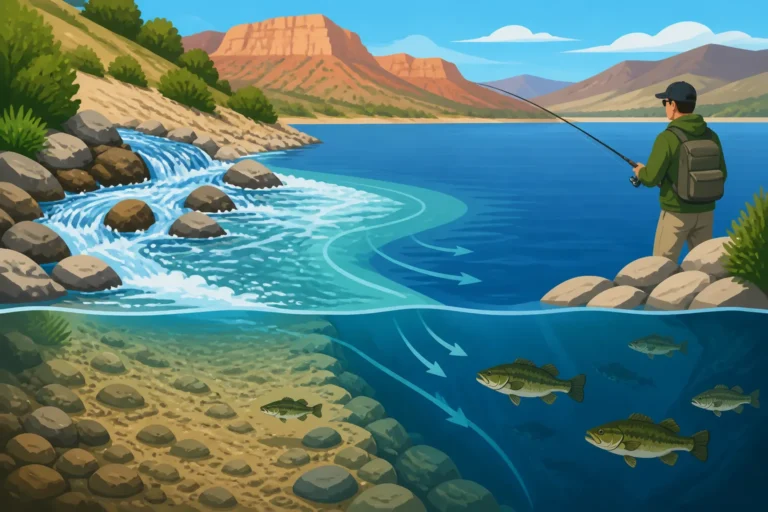
Fishing rivers is a distinct experience from fishing still waters, and while some rivers in Utah offer world-class fly fishing, there are also sections suitable for beginners using spin tackle. The key is to find sections with slower currents, eddies, or deeper pools where fish can hold without fighting the main flow. Rivers provide a dynamic environment and teach you how to "read" the water to identify potential fish habitat.
The lower sections of the Provo River, particularly downstream of Utah Lake, or some calmer stretches of the Weber River or Bear River, can offer good opportunities for beginners. These areas often hold a mix of trout, carp, and sometimes even whitefish. When fishing a river, focus on areas where the current slows down, like behind large rocks, in deeper pools, or along seams where fast and slow water meet. These are prime ambush points for fish. Using a weighted bait to get to the bottom in these slower spots, or a spinner cast upstream and reeled back through the current, are good beginner river techniques. For those interested in the Provo, our Provo River Fishing Guide can help you navigate its waters, even if you're not ready for the fly-fishing-only sections.
Season by Season: When and How to Fish in Utah
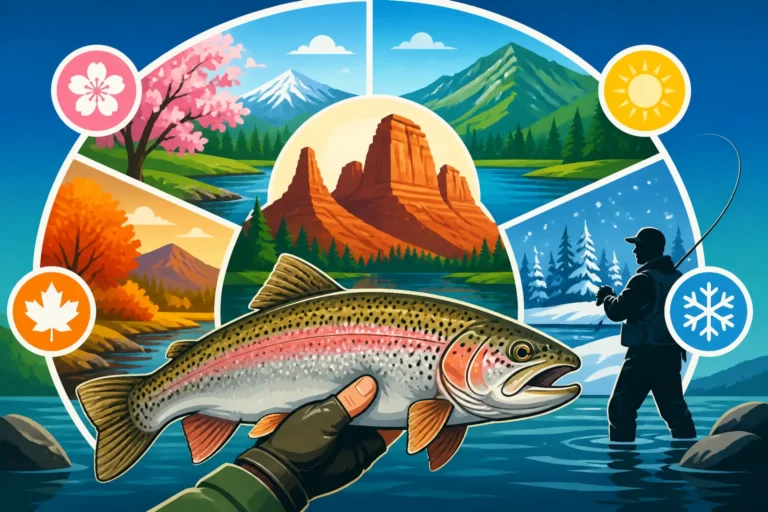
Utah's distinct four seasons each offer unique fishing opportunities and challenges. Understanding how the changing weather, water temperatures, and fish behavior affect fishing can greatly improve your success. There's no single "best" time to fish, as each season has its own charm and target species.
Spring Fishing: Post-Thaw and Spawning Activity
Spring in Utah is a time of renewal, and for anglers, it often means the official "kick-off" to the fishing season in many areas. As the ice melts off reservoirs and warmer temperatures begin to arrive (typically March through May), fish that have been dormant under the ice become more active and start feeding aggressively. This is a fantastic time for stocked trout in community ponds and larger reservoirs, as the DWR often does heavy stocking in early spring.
However, spring also brings runoff from melting snow, especially in rivers and streams. This can lead to high, muddy water conditions that make fishing difficult. Focus on lakes and reservoirs during peak runoff, or target river sections known for clearer water. Fish will often be found in shallower areas where the water warms up first, making them accessible to shore anglers. Baits like PowerBait, worms, or small spinners are very effective. Our guide on How to Fish Utah Waters in Early Spring Right After Ice-Off provides even more detailed strategies for this exciting time of year.
Summer Fishing: Early Mornings and Evenings
Utah summers can be hot, and these high temperatures significantly impact fish behavior. Warmer water holds less oxygen, and many cold-water species like trout will retreat to deeper, cooler areas during the day. This means that for trout, your best bets are often early mornings, late evenings, or even night fishing trips when the water temperatures are at their coolest.
For panfish and bass, which tolerate warmer water better, summer can still be productive, especially around shaded structure or during cooler parts of the day. Summer is also prime time for targeting channel catfish, which become very active at night in large, warm-water lakes like Utah Lake. High-altitude lakes in the Uinta Mountains also become accessible during summer, offering unique opportunities for brook, cutthroat, and tiger trout. If you're heading out in the heat, definitely read our tips on Best Time of Day to Fish in Summer Heat in Utah to maximize your chances.
Fall Fishing: Active Fish Before Winter
As summer fades and the cooler temperatures of fall arrive (September through November), fishing often experiences a resurgence. This is a favorite season for many experienced anglers, and beginners can certainly capitalize on the opportunities. The cooling water temperatures invigorate fish, causing them to feed heavily in preparation for winter. Crowds tend to thin out, and the autumn scenery is simply stunning.
Trout fishing in both lakes and rivers can be excellent in the fall. Fish are often shallower than in summer, making them more accessible from shore. They'll be aggressively hitting baits and lures. Some species, like brown trout, also begin their spawning runs in the fall, making them very active and territorial (though it's important to respect spawning fish and local regulations). It's a prime time to use spinners, spoons, and even small crankbaits for trout, as well as worms or PowerBait. This period before the ice sets in can offer some of the most consistent action of the year, so don't miss our detailed advice on Best Fall Technique for Utah Trout.
Winter Fishing: Embracing the Ice
For many, the idea of fishing in winter might seem crazy, but ice fishing is a hugely popular and incredibly rewarding activity in Utah. Once lakes and reservoirs freeze over, usually from December through March, a whole new world of fishing opens up. It requires a different set of gear and techniques, but it's an accessible and often very social way to catch fish.
Safety is paramount when ice fishing. Always check ice thickness before venturing out, and go with a buddy if possible. Essential gear includes an ice auger to drill holes, short ice fishing rods, and often an ice fishing shelter to stay warm. Common targets through the ice include rainbow trout, perch, splake, and even some kokanee salmon. Small jigs, often tipped with a mealworm or wax worm, are incredibly effective. It's a unique experience that offers a tranquil beauty and surprisingly good fishing. To get started safely and effectively, our comprehensive Utah Ice Fishing Guide is an absolute must-read.
Common Beginner Mistakes and How to Avoid Them
We've all been there. Every angler, no matter how seasoned, has made mistakes. As a beginner, it's easy to get frustrated or feel like you're doing something wrong. But many common beginner pitfalls are easily avoidable with a little knowledge and patience.
Not Checking Regulations or Having a License
This is perhaps the most critical mistake a beginner can make. Fishing without a valid Utah fishing license is illegal and can result in significant fines and penalties. It's not just about the license, though. Utah's fishing regulations are designed to protect fish populations and ensure fair chase. These regulations can vary by water body and species, covering everything from daily bag limits and possession limits to specific gear restrictions (e.g., fly-fishing-only waters) and seasonal closures.
Before every fishing trip, take a few minutes to check the Utah Division of Wildlife Resources (DWR) fishing guide or their website for the specific water you plan to fish. Ignorance of the law is not an excuse. You can easily purchase your license online or at many sporting goods stores. Making sure you're properly licensed and informed about the rules is the foundation of responsible and enjoyable angling. Dive into our Utah Fishing Regulations Explained article to fully understand what's required of you.
Using the Wrong Gear for the Species or Water
Another common frustration for beginners comes from mismatched gear. For example, using an overly heavy 20-pound test line in a clear water stream for trout will drastically reduce your chances, as the fish will easily see the line. Similarly, using tiny hooks meant for panfish when targeting large catfish might result in lost fish.
Think about your target and the environment. For most beginner-friendly trout and panfish in ponds and smaller reservoirs, a medium-light rod with 6-8 pound monofilament line and hooks in the size 6-10 range is perfect. If you're heading to a larger body of water like Utah Lake for catfish, you might bump up to 10-15 pound line and larger hooks (size 2 or 1/0). Don't fall into the trap of thinking "bigger is better" for every situation. Fish are often more sensitive than we realize. Investing in versatile beginner gear, like the combos often found on Amazon, can help you get a good start without over-complicating things.
Impatience and Lack of Observation
Fishing, by its very nature, requires a degree of patience. Beginners often make the mistake of moving too much, changing baits too frequently, or not giving a spot enough time to produce. Fish don't bite on demand, and sometimes it takes a while for them to find your offering, especially if you're in a new location. Try to commit at least 15-30 minutes to a spot or a specific bait/lure before making a significant change.
Beyond patience, successful fishing is also about observation. Pay attention to your surroundings:
- Water Conditions: Is the water clear or murky? Fast or slow? What's the temperature like if you can tell?
- Fish Activity: Are you seeing any fish jump, ripple, or chase bait? Are insects hatching on the surface?
- Other Anglers: If others are catching fish, what are they using? (Politely observing and learning is fine, don't crowd them!)
Sometimes, a subtle change like adding a small split shot to get your bait deeper, or reeling a lure a bit faster, can make all the difference. Learning to read the water and adapt your approach based on what you observe is a skill that develops over time, and it's far more valuable than any single "secret bait."
Beginner's Quick Guide to Bait & Lure Pairing
To help you get started, here's a simple table outlining common beginner-friendly fish species in Utah and some effective bait and lure options to try. This isn't exhaustive, but it provides a solid foundation for your first outings.
| Fish Species | Primary Bait Options | Effective Lure Options | Ideal Hook Size (approx.) | Best Water Type |
|---|---|---|---|---|
| Rainbow Trout | PowerBait (floating), Nightcrawlers, Mealworms | Spinners (Mepps, Roostertail), Small Spoons (Kastmaster) | #6 – #10 | Community Ponds, Reservoirs, Stocked Rivers |
| Bluegill / Sunfish | Mealworms, Worm pieces, Corn, Small chunks of PowerBait | Tiny Jigs (1/32 oz), Micro Spinners | #10 – #14 | Community Ponds, Shallow Reservoir Coves |
| Yellow Perch | Mealworms, Worm pieces, Small Minnows (where legal) | Small Jigs, Small Spoons, Blade Baits | #8 – #12 | Reservoirs (deeper areas), Larger Ponds |
| Channel Catfish | Nightcrawlers (large chunks), Cut Bait, Stink Bait | Larger Jigs (w/ scent), Heavy Spoons (bottom bouncing) | #2 – #1/0 | Utah Lake, Willard Bay, Warmer Reservoirs (night) |
Disclaimer
The information provided in this guide is for general informational purposes only and is not intended as legal advice regarding fishing regulations. Fishing regulations in Utah can change frequently and vary by specific water body, time of year, and species. It is the responsibility of every angler to consult the most current Utah Division of Wildlife Resources (DWR) fishing guide and local regulations before engaging in any fishing activity. Adherence to all applicable laws and safety guidelines is paramount.