Flaming Gorge Fishing Guide
The sheer immensity of Flaming Gorge Reservoir can be utterly overwhelming for even experienced anglers, leaving many wondering where to begin when faced with over 400 miles of shoreline and a vast, deep expanse of water. This comprehensive guide is designed to cut through that confusion, offering practical, in-depth advice on how to successfully navigate, understand, and ultimately conquer the fishing challenges and opportunities at one of Utah's most iconic fisheries.
Welcome to Flaming Gorge: An Angler's Overview
Flaming Gorge is more than just a large body of water; it's an ecosystem unto itself, straddling the border of Utah and Wyoming. Formed by the Green River and held back by the impressive Flaming Gorge Dam, this reservoir is a geological marvel and a fishing paradise rolled into one. Its deep, clear, cold waters are a testament to its mountain origins, making it an ideal habitat for cold-water species, especially the formidable lake trout and the vibrant kokanee salmon.
The Scale and Majesty of Flaming Gorge
Imagine a fishery so vast it feels like an inland ocean, with towering red rock canyons plunging directly into sapphire-blue waters. That's Flaming Gorge. Its immense size can be intimidating, but it also means there's always a new cove to explore, a new depth to probe, and a new challenge to embrace. The reservoir stretches for approximately 91 miles, encompassing a surface area of over 42,000 acres at full pool. This scale means that understanding the different sections of the Gorge and how they fish is crucial. The sheer distance from one end to the other dictates careful planning, especially regarding fuel and supplies, as services can be spread out. Many anglers, especially those coming from out of state, often underestimate the travel time required to get from one major access point to another, like from Lucerne Valley to Buckboard Crossing, which can be an hour or more by truck.
The topography beneath the surface mirrors the dramatic landscape above, with submerged canyons, sheer ledges, vast flats, and isolated rock piles. These features create intricate underwater structures that fish love to inhabit, offering endless opportunities for those willing to learn how to read a map and their fish finder. The water clarity is usually exceptional, often reaching depths of 20 to 30 feet, which means stealth and long leaders can be key, especially when targeting wary fish in shallower areas. However, this also means that fishing pressure can sometimes push fish deeper or into more secluded coves where they feel safer from observation.
Primary Fish Species and Why They Thrive Here
Flaming Gorge is renowned for its diverse fishery, boasting a healthy population of several highly sought-after species. The nutrient-rich waters, combined with plentiful forage like kokanee salmon and various minnows, allow these fish to grow to impressive sizes.
First and foremost are the lake trout, often called "Mackinaw" in Utah. These apex predators are the kings of the Gorge, known for their size and powerful fights. The cold, deep waters of Flaming Gorge mimic their natural habitat, allowing them to grow exceptionally large, with many reaching double-digit weights and the state record being a testament to their potential here. A truly massive Mackinaw from Flaming Gorge is a bucket-list fish for many serious anglers.
Next up are the kokanee salmon, a landlocked sockeye salmon. These vibrant, silvery fish are highly prized for their delicious table fare and aggressive fighting spirit. They form the primary forage base for the large lake trout and are a fantastic sport fish in their own right, especially during their schooling phases. Understanding their life cycle and migration patterns is key to consistent kokanee success.
Smallmouth bass are another major draw, particularly in the rocky coves and warmer, shallower sections of the reservoir. They provide an incredible fight on light tackle and are an excellent option when the deep-water bite for trout is slow. Their aggressive nature and willingness to strike a variety of lures make them a favorite among many recreational anglers. For those seeking a different kind of challenge, the smallmouth here offer a fantastic opportunity. You'll also find rainbow trout, brown trout, and even burbot (locally known as "ling"), which offer unique angling experiences, especially during the colder months.
Targeting the Trophy Fish of Flaming Gorge
Flaming Gorge isn't just about catching fish; it's about the potential for true trophy fish. The reservoir consistently produces some of the largest lake trout, healthy kokanee, and feisty smallmouth bass in the region. Each species demands a unique approach, from understanding their preferred habitats to mastering specific presentation techniques.
The Elusive Lake Trout Mackinaw
Lake trout are the undisputed heavyweights of Flaming Gorge, a true angler's obsession. These large, predatory char thrive in the deep, cold, oxygen-rich waters of the reservoir. To consistently find them, you need to think deep, think structure, and think baitfish. Mackinaw are primarily piscivores, meaning they feed on other fish, with kokanee salmon being a significant part of their diet, especially for the larger individuals. Understanding this relationship is critical: find the kokanee, and you're likely to find the lake trout.
When the water is cold, particularly from late fall through spring, lake trout can be found in shallower depths, sometimes as shallow as 20-50 feet. They might even move up onto main lake points or submerged humps to feed. However, as the water warms in summer, they retreat to the thermocline and deeper breaks, often holding at depths of 60 to 150 feet or even more. Key areas to focus on are significant structure changes like ledges, drop-offs, and submerged islands. Consider areas around Buckboard Crossing, Lucerne Valley, and the larger bays further south.
Successfully catching these giants often involves trolling large spoons, stickbaits, or baitfish imitations near the bottom, or jigging heavy spoons and tubes vertically over deep structure. One of the most effective methods is "How to Downrig for Lake Trout" using large flashers and squids or tube jigs tipped with cut bait. The sheer size of these fish means you need robust gear, including heavy-action rods, strong reels with plenty of line capacity, and stout leaders. Many anglers dedicate entire trips to hunting for that one record-breaking Mackinaw, and the effort often involves long hours on the water, meticulously covering promising deep-water haunts. The thrill of a screaming reel and a powerful, head-shaking battle from a 20-pound-plus lake trout is an experience that keeps anglers coming back year after year.
Sizing Up Kokanee Salmon
Kokanee salmon are another major draw, offering a fast-paced, action-packed fishery that complements the slower, more methodical lake trout hunt. These beautiful, silvery fish are known for their strong fights on light tackle and their delectable taste. Kokanee are filter feeders, consuming zooplankton, but they are opportunistic and will aggressively strike small lures and flies, especially those mimicking krill or other aquatic invertebrates.
Kokanee are typically found in large schools, often suspended in the water column over deep water. Their depth can vary significantly throughout the day and season, influenced by light penetration, water temperature, and the depth of their primary food source. In spring, they might be shallower, often 20-40 feet, moving deeper to 40-80 feet or more during the summer months as they seek cooler water. Identifying these schools on your fish finder is paramount. Look for dense arches or clouds of baitfish suspended off the bottom.
Trolling is the most common and effective method for kokanee, typically employing downriggers or lead core line to get small dodgers and flashers down to the desired depth. Behind these attractors, small hootchies, mini squid, or tiny spoons in bright colors like pink, orange, or chartreuse are irresistible. Tipping these lures with a kernel of corn or a maggot adds scent and attraction. The bite can be subtle, often just a slight twitch or a little added weight on the rod tip, but once hooked, kokanee are spirited fighters, making exhilarating runs and head shakes. As autumn approaches, these fish undergo a dramatic transformation, turning brilliant red as they prepare for their spawning run, though catching them during this period is often restricted or discouraged to protect the spawning population.
The Feisty Smallmouth Bass
While the deep-water species get most of the attention, Flaming Gorge also boasts an outstanding smallmouth bass fishery. These bronze beauties thrive in the warmer, rockier sections of the reservoir, particularly in the numerous coves and along the steep, rubbled shorelines. Smallmouth bass are aggressive predators, and pound for pound, they are considered one of the hardest-fighting freshwater fish.
You'll typically find smallmouth in shallower water than the lake trout or kokanee, often in depths ranging from 5 to 30 feet, especially near rocky points, submerged timber, and along canyon walls that offer ambush points. Early morning and late evening are often prime times, but they can be caught throughout the day, particularly on overcast days or when fishing deeper structure. The northern end of the reservoir, especially the many rocky bays and points in areas like Lucerne Valley and around Linwood Bay, are popular "Flaming Gorge Smallmouth Bass Coves".
Casting a variety of lures works wonders for smallmouth. Crankbaits, spinnerbaits, tube jigs, drop shot rigs, and soft plastic grubs are all highly effective. Look for areas with broken rock, submerged brush, or any irregularities along the shoreline. Smallmouth are less particular about finesse than some other species, often slamming a lure with a vengeance. For those who prefer a more active style of fishing, casting and retrieving for smallmouth can be incredibly rewarding, offering consistent action and powerful strikes. They are also a great target for beginners or those looking to take a break from the deep-water trolling game.
Seasonal Strategies for Flaming Gorge Success
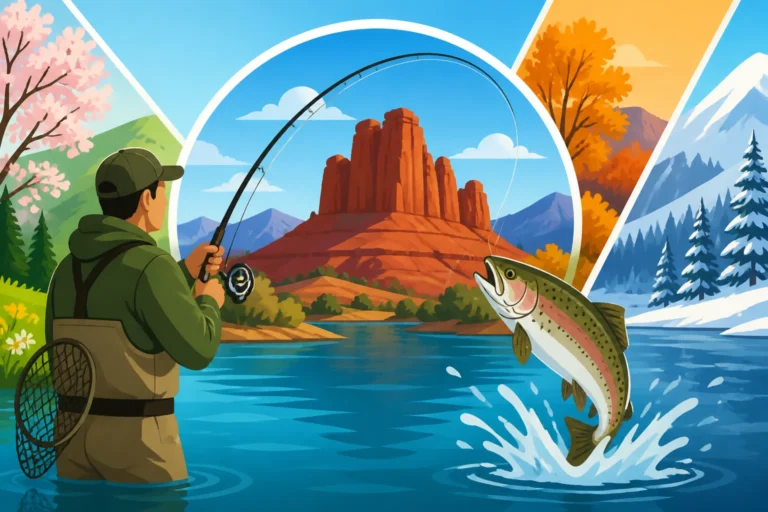
Fishing at Flaming Gorge isn't a one-size-fits-all affair. The dramatically shifting seasons dictate fish behavior, location, and the most effective techniques. Understanding these seasonal nuances is key to consistent success on this vast reservoir.
Spring: The Awakening Bite
Spring at Flaming Gorge is a time of transition and renewed activity. As the ice recedes and water temperatures begin to climb, fish start to become more active and move into shallower water, making them more accessible to a wider range of anglers. This is often heralded as one of the best times of year to fish in Utah.
In early spring, right after ice-off (which can range from late March to early May depending on the year), lake trout will often be found shallower than any other time, sometimes in as little as 10-30 feet of water, especially on sunny main lake points and flats. They are eager to feed after a long winter under the ice, and twitching large tube jigs or suspending big jerkbaits can be incredibly effective. As the water continues to warm, kokanee salmon also become more active and can be found closer to the surface, making them excellent targets for flat-lining small trolling spoons or even casting from shore in specific areas.
Smallmouth bass, too, emerge from their winter slumber and begin to stage for their spawn in late spring. They'll be found in rocky coves and sun-drenched shallow areas, often relating to submerged brush or rock piles. This is an excellent time for casting spinnerbaits, crankbaits, or even simple jigs. The key in spring is to pay close attention to water temperature, as even a few degrees can concentrate fish in certain areas. Focus on the northern sections of the reservoir, which tend to warm faster. The vibrant colors of the emerging foliage against the red rock cliffs make spring fishing a visually stunning experience.
Summer: The Deep Water Challenge
Summer at Flaming Gorge presents a different, more challenging, but equally rewarding fishing scenario. As surface waters warm significantly, most cold-water species retreat to the cooler, deeper parts of the reservoir. This is when your fish finder and deep-water techniques become absolutely essential.
Lake trout will primarily be found in depths ranging from 60 to 150 feet or more, congregating around submerged canyon walls, deep ledges, and prominent humps. This is prime time for advanced trolling techniques using downriggers, divers, and lead core line to present large spoons, flasher-and-squid combinations, or cut bait right on the nose of these deep-dwelling giants. Targeting "Flaming Gorge Trophy Lake Trout Spots" requires precision and patience. Kokanee salmon also move deeper, often suspended in vast schools in the 40-80 foot range over even deeper water. They can be found cruising the open basins, following their zooplankton food source, and are best targeted with precise downrigger presentations of small dodgers and hootchies.
Smallmouth bass, however, remain a summer staple in the shallower, rocky areas, particularly during low-light conditions. During the heat of the day, they might retreat to slightly deeper water (15-40 feet) or seek shade under rock ledges, but they remain active and can be caught by casting jigs, drop shots, or even topwater lures early and late in the day. Summer also brings the best weather for camping and boating, making it a popular time to visit. However, be prepared for afternoon winds and potential thunderstorms, which can quickly turn the calm waters into choppy seas. Hydration and sun protection are paramount during the warm summer months.
Fall: The Feeding Frenzy
Autumn at Flaming Gorge is often considered a "local's secret" and one of the most productive times to fish, especially for trophy lake trout. As water temperatures begin to cool, all species enter a pre-winter feeding frenzy, trying to pack on as much weight as possible.
Lake trout, sensing the approaching cold, become incredibly aggressive. They will still be found deep, but their feeding windows can be more intense, and they might chase baits more readily. Trolling larger spoons and tube jigs with cut bait in depths of 60-120 feet remains highly effective. Some of the biggest lake trout of the year are often caught in the fall. Kokanee salmon, meanwhile, undergo their dramatic spawning transformation, turning brilliant shades of red. While many areas might have restrictions on targeting spawning kokanee, the pre-spawn fish can offer some of the most intense action of the year as they stage near tributary mouths.
Smallmouth bass remain very active in the fall, feeding heavily before winter. They can be found a bit deeper than in summer, but they will still relate to rocky structure. Crankbaits, jigs, and slow-rolling spinnerbaits can be very effective as they hunt for baitfish. The crisp air, fewer crowds, and stunning fall foliage—especially the aspens and cottonwoods lining the reservoir's banks—make fall fishing at Flaming Gorge an unforgettable experience. This is a truly magical time to be on the water, with the potential for both numbers and trophy-sized fish.
Winter: Ice Fishing and Burbot Opportunities
When winter fully sets in, Flaming Gorge often transforms into an ice fishing mecca, offering unique opportunities for those brave enough to venture onto the frozen expanse. While not all areas of the vast reservoir freeze completely or consistently, many bays and northern sections do, providing access to anglers.
Ice fishing for lake trout is a specialized endeavor here. They will still be found deep, often holding right on the bottom in 80-150 feet of water. Large spoons, tube jigs, and heavy jigs tipped with cut bait are dropped vertically and aggressively worked to entice a strike from these lethargic but still massive fish. Finding the right structure and drilling multiple holes to cover ground is key. Kokanee can also be caught through the ice, usually suspended off the bottom in deeper water, often falling for small jigs or tiny spoons tipped with corn or maggots.
However, winter is perhaps most famous for the unique "Burbot Bash" tournaments. Burbot, also known as "ling," are a freshwater cod species that become highly active under the ice. They are primarily nocturnal, so night fishing for burbot is popular. They respond well to glow-in-the-dark jigs tipped with bait, fished right on the bottom. These fish are delicious and provide a fun, different kind of winter challenge. Always prioritize safety when ice fishing, ensuring you know "How Thick Does Utah Ice Need to Be Before You Can Fish On It?" and staying informed about ice conditions, which can vary significantly across the reservoir. The solitude and stark beauty of the Gorge in winter offer a truly memorable experience for the dedicated angler.
Mastering Techniques for Each Species
Successfully fishing Flaming Gorge requires more than just knowing what fish are present; it demands a mastery of the specific techniques tailored to each species and the unique challenges of a deep, clear reservoir. Whether you're a seasoned pro or just starting, refining your approach will significantly boost your catch rates.
Precision Trolling for Lake Trout and Kokanee
Trolling is undeniably the most effective and widely used technique for covering water and consistently catching lake trout and kokanee salmon at Flaming Gorge. However, it's far from simply dragging a lure behind the boat. Precision is the name of the game.
For lake trout, the goal is often to present a large, enticing baitfish imitation or cut bait at precise depths where these deep-water predators are holding. This typically involves robust downriggers, which allow you to consistently keep your lures at a specific depth, often 60 to 150 feet. Using high-quality electronics to identify bait schools and prominent structure is crucial. Anglers often deploy multiple lines at varying depths using different lures—large spoons like Northern King or Dreamweaver, diving plugs like Rapala Deep Tail Dancers, or flasher-and-squid combinations. Tipping a tube jig or a squid with a piece of anchovy or sucker meat can significantly increase strikes. Slow trolling speeds (1.5-2.5 mph) are generally most effective for lake trout, mimicking a wounded baitfish.
Kokanee trolling demands a lighter touch and different presentations. These fish are usually found suspended in schools, often at depths of 40-80 feet. Small dodgers or flashers (like Sling Blades or Arrow Flashers) are paired with tiny hootchies, mini squids, or small trolling spoons (e.g., King Kones, Radical Glow) in vibrant colors such as pink, orange, or chartreuse. A critical component is often a kernel or two of ShoePeg corn on the hook, which adds a scent trail and a visual attractant. Kokanee prefer slightly faster trolling speeds than lake trout, usually in the 1.8-2.5 mph range. Consistent depth control with downriggers is vital to keep your lures in the strike zone of these schooling fish. Understanding "What Trolling Speed Works Best for Kokanee Salmon?" can make or break your day.
Active Casting and Jigging for Bass and Lake Trout
While trolling dominates for deep-water species, active casting and jigging offer thrilling, hands-on experiences, particularly for smallmouth bass and for specific lake trout scenarios.
Smallmouth bass are quintessential targets for casting. In the rocky coves and points of Flaming Gorge, you can spend an entire day casting various lures. Crankbaits that mimic crawfish or baitfish, spinnerbaits fished near submerged timber, tube jigs bounced along the bottom, and drop shot rigs presented vertically in deeper pockets are all highly effective. For an exhilarating topwater bite, try poppers or walk-the-dog baits during low-light conditions. Focus your casts around visible structure like rock outcroppings, submerged trees, and abrupt depth changes. The aggressive strike of a smallmouth on light tackle is truly addictive.
Jigging, particularly vertical jigging, is a powerful technique for targeting lake trout, especially when they are concentrated over specific deep structures like humps or ledges. Heavy jigging spoons (like Swedish Pimples, Crippled Herrings, or Acme Kastmasters) ranging from 1 to 3 ounces are dropped to the bottom and aggressively jigged, often tipped with a piece of cut bait or a plastic grub. The action involves sharp lifts and falls, mimicking a struggling baitfish. Similarly, large tube jigs (4-6 inches) with heavy jig heads are also effective. This technique requires good boat control to stay directly over the fish, which is where a reliable trolling motor with GPS Spot-Lock functionality comes in handy. It's a physically demanding but highly rewarding way to target the largest lake trout, often resulting in powerful strikes directly beneath the boat.
Specialized Techniques for Burbot and Others
Beyond the main three, Flaming Gorge offers opportunities for unique techniques for other species, primarily burbot, especially during the winter.
Burbot fishing, particularly through the ice, is a distinct experience. These nocturnal predators are often targeted after dark. The most effective method is to use glow-in-the-dark jigs or spoons, heavily scented with bait such as sucker meat, anchovy, or even nightcrawlers, fished right on the bottom. Leave your bait on the bottom for extended periods, as burbot are slow movers, and sometimes just a subtle twitch is enough to entice a bite. Anglers often fish multiple rods (where legal) with tip-ups or dead sticks, setting up shelters for warmth during the cold nights. The Burbot Bash tournament emphasizes harvesting these invasive fish, as they are not native to Flaming Gorge.
For rainbow trout and brown trout, which are present throughout the reservoir, simpler techniques can often be effective. Casting spoons, inline spinners (such as Mepps or Panther Martins), or even bobber-and-PowerBait rigs from shore can yield good results, especially in spring and fall when these fish cruise shallower areas. Fly fishing can also be productive in certain areas, particularly in the tributaries feeding the Gorge or along the shorelines during hatches. Understanding the local regulations is crucial, as some areas may have specific rules regarding bait or tackle. Exploring these diverse techniques not only increases your chances of success but also adds variety and excitement to your Flaming Gorge fishing adventures.
Essential Gear for Your Flaming Gorge Adventure
Successfully tackling Flaming Gorge requires more than just basic fishing gear; it demands a thoughtful selection of equipment capable of handling the reservoir's immense size, varying depths, and powerful fish. Investing in the right tools will not only enhance your experience but also significantly improve your chances of success.
Rods, Reels, and Line for Every Species
The diversity of fish species and techniques at Flaming Gorge means you'll likely need a range of rod and reel setups. For the heavy-hitting lake trout, a medium-heavy to heavy action trolling rod, typically 7-9 feet in length, paired with a stout baitcasting or conventional reel (like a Daiwa Sealine or Penn Squall) spooled with 20-30 lb braided line and a fluorocarbon leader of 15-25 lb, is essential. This setup provides the backbone needed to handle large fish and heavy tackle.
For kokanee salmon, a lighter, more sensitive setup is preferred to detect their subtle bites. A light to medium-light action trolling rod, 7-8 feet long, with a sensitive tip, paired with a small trolling reel or spinning reel spooled with 10-15 lb braided line and a 6-10 lb fluorocarbon leader, works perfectly. The lighter line allows for better action on small lures.
For smallmouth bass, versatility is key. Medium to medium-heavy spinning rods (6'6" to 7'6") paired with 2500-3000 series spinning reels are ideal for casting a wide array of lures. Spool these with 8-12 lb fluorocarbon or braided line with a fluorocarbon leader. A good all-around setup would be a medium-action spinning rod, about 7 feet long, which can also double for smaller trout or even panfish if you decide to explore other options. Having a variety of setups ready for different species will save you valuable time on the water.
Electronics, Navigation, and Safety Equipment
When fishing a body of water the size of Flaming Gorge, reliable electronics are not just a luxury; they are a necessity. A high-quality fish finder/chartplotter combination (from brands like Garmin, Humminbird, or Lowrance) with GPS capabilities is paramount. Look for units with clear, high-resolution screens, side-imaging, and down-imaging capabilities to identify structure and fish schools in detail. The ability to mark waypoints for "Flaming Gorge Trophy Lake Trout Spots" or promising kokanee schools is invaluable.
Beyond finding fish, navigation is critical. The reservoir can become a maze of coves and canyons, and GPS helps you stay oriented, especially in fog or low light. A reliable marine radio (VHF) is also a crucial safety item, as cell service can be spotty in many areas. Life jackets, safety flares, a horn or whistle, a throwable flotation device, and a well-stocked first-aid kit are absolute requirements for any boat on the Gorge, as stipulated by Utah Boating and Fishing Rules. Don't forget an anchor suitable for deep water and plenty of rode, as the wind can pick up suddenly and make boat positioning challenging.
Specialized Trolling and Ice Fishing Gear
For serious trolling, downriggers are a must. Electric downriggers (from brands like Scotty or Cannon) make life much easier, especially when fishing at deep depths and running multiple lines. You'll also need a good selection of lead core line, diving planers (like Dipsy Divers or Jet Divers), and a wide array of lures, dodgers, and flashers in various sizes and colors. Having a dedicated tackle box for trolling gear will keep you organized.
If you plan to ice fish, specialized gear is equally important. A reliable ice auger (gas, propane, or electric) is essential for drilling through thick ice. Portable ice shelters (like those from Clam or Eskimo) provide protection from the wind and cold. Ice fishing rods are short, sensitive affairs, paired with small reels. An ice-specific fish finder (flasher or portable sonar) helps locate fish under the ice. Warm clothing, insulated boots, and ice cleats are critical for safety and comfort. Don't forget a scoop for clearing ice shavings from your holes and a gaff or large net for landing bigger fish, especially if you're targeting those deep-water lake trout through the ice. Having a reliable guide, perhaps found through platforms like FishingBooker, can also give you a significant advantage in understanding the nuances of these specialized techniques and gear needs.
Navigating Flaming Gorge: Access Points and Boating Tips
Flaming Gorge is immense, and its sheer size means that understanding the various access points, boat ramps, and general boating etiquette is crucial for a safe and successful trip. From launching your boat to finding productive water, local knowledge goes a long way.
Major Boat Ramps and Facilities
Flaming Gorge offers several well-maintained boat ramps and marinas, strategically located to provide access to different sections of the reservoir. The most popular and well-serviced areas are typically found on the Utah side.
Lucerne Valley Marina near Manila, Utah, is arguably the most popular and comprehensive access point. It features multiple concrete boat ramps, ample parking, fuel docks, a store, boat rentals, and lodging. This area provides excellent access to the northern, wider sections of the reservoir, known for trophy lake trout and good kokanee fishing. It's often the first stop for many anglers coming from the Salt Lake City area.
Further south, Buckboard Crossing on the Wyoming side offers another excellent set of ramps and services, including camping and a store. It provides access to the central part of the Gorge, characterized by more defined canyon walls and excellent fishing for all species. This area is favored by those looking to explore the middle sections of the reservoir.
The Gorge Creek/Mustang Ridge area, also on the Wyoming side, provides ramps and campgrounds and is often less crowded than Lucerne. It's a good option for those seeking a quieter experience or wanting to explore the northernmost reaches of the reservoir.
On the southern end, near the dam, you'll find smaller ramps like Holmes Crossing and Antelope Flat. These offer access to the narrower, canyon-like sections of the reservoir, often with steep cliffs and deeper water right off the bank. While services might be more limited here, the scenery is spectacular. Before heading out, it's always a good idea to check current water levels and ramp conditions, as they can fluctuate significantly, especially in late summer or during drought periods. Some ramps may be closed or have limited access depending on the water.
Boating Safety and Navigation
Given the size and often unpredictable nature of Flaming Gorge, boating safety should be your top priority. The reservoir can go from glass-smooth to dangerously choppy in a matter of minutes, especially when afternoon winds whip through the canyons. Always check the weather forecast before heading out, and if storms are predicted, consider postponing your trip or staying close to shore.
The immense size also means that emergencies can be hours away from help. Ensure your boat is equipped with all required safety gear, including enough U.S. Coast Guard-approved life jackets for everyone on board, a fire extinguisher, a horn or whistle, visual distress signals (flares), and a throwable flotation device. A VHF marine radio is highly recommended, as cell service is unreliable across much of the reservoir. Filing a float plan with someone on shore, letting them know your intended route and return time, is a smart practice.
Navigation on Flaming Gorge can be tricky. While the main channel is generally deep and clear, submerged hazards like rock piles, old fence lines, and even trees can exist, especially in shallower coves or during periods of low water. Always operate at a safe speed, especially when in unfamiliar territory or near shorelines. A reliable GPS chartplotter with up-to-date mapping is invaluable for identifying these hazards and navigating safely. For those considering booking a guide to navigate these waters, platforms like FishingBooker list many experienced captains who know the Gorge intimately.
Aquatic Invasive Species Prevention
Flaming Gorge, like all Utah waters, is under constant threat from aquatic invasive species (AIS), particularly quagga and zebra mussels. Preventing their spread is a critical responsibility for every boater and angler. Utah has strict regulations regarding AIS inspections and decontamination.
All boats, including kayaks and paddleboards, that have been in another body of water must stop at an AIS inspection station before launching into Flaming Gorge. These stations are typically located on major highways leading to the reservoir, such as along US-191. Inspectors will visually check your boat for mussels and may ask about your previous launching locations. If your boat has been in a quagga or zebra mussel-infested water, it will likely require decontamination.
The "Clean, Drain, Dry" protocol is paramount. Before leaving Flaming Gorge (or any water body), you must:
- Clean any visible mussels, plants, or mud from your boat, trailer, and gear.
- Drain all water from your boat's bilge, livewells, ballast tanks, and engine cooling systems.
- Dry your boat and gear completely. This can take several days in cool or humid conditions. Many reservoirs now have "Utah Dry Time Rules After Leaving Lake Powell" and other bodies of water, specifying how long your boat must be dry before launching elsewhere.
Failing to comply with AIS regulations can result in significant fines and penalties. By diligently following these rules, you play a vital role in protecting Flaming Gorge and other precious Utah fisheries from these destructive invaders. These rules are detailed in the Utah Aquatic Invasive Species Rules for Anglers guide.
Flaming Gorge Regulations and Conservation Efforts
Fishing Flaming Gorge isn't just about catching fish; it's also about understanding and adhering to the specific regulations designed to protect and enhance this incredible fishery for future generations. These rules can be complex and are subject to change, so staying informed is crucial.
Understanding Special Regulations
Flaming Gorge Reservoir operates under a unique set of fishing regulations, sometimes differing significantly from general statewide Utah Fishing Regulations Explained. These special rules are tailored to manage the specific fish populations and invasive species concerns within the reservoir.
For lake trout (Mackinaw), there have often been liberal limits, and sometimes even mandatory harvest rules on smaller fish, to help manage their population and prevent over-predation on kokanee salmon. For example, it's common to have a generous daily bag limit for smaller lake trout (under 25 inches) while limiting the number of larger trophy fish an angler can keep. This encourages the harvest of abundant smaller fish while protecting the slower-growing giants. Always check the current Utah Fishing Guidebook for the most up-to-date information on daily bag and possession limits, as these can change annually based on biological surveys and management goals.
Kokanee salmon also have specific regulations, particularly concerning their spawning season. During the fall spawning run, certain areas or tributaries might be closed to fishing, or specific methods might be prohibited to protect the spawning fish. Knowing "Utah Fishing Season Dates and Limits" for kokanee is crucial to ensure you're fishing legally and ethically. Other species like brown trout and rainbow trout will typically fall under general trout regulations, but again, always consult the current guide. The burbot is often subject to mandatory harvest rules as an invasive species, encouraging anglers to kill and keep any caught.
Protecting the Unique Ecosystem
Conservation efforts at Flaming Gorge are multi-faceted, focusing on maintaining healthy fish populations, protecting native species, and combating invasive threats. The reservoir is a crucial part of the Green River ecosystem, and its management involves a delicate balance.
One of the most significant conservation challenges is managing the lake trout population to ensure a sustainable balance with their primary food source, the kokanee salmon. If lake trout numbers become too high, they can decimate the kokanee, leading to a decline in both populations. This is why liberal limits on smaller lake trout are often put in place, encouraging anglers to help manage the population through harvest. Biologists also closely monitor kokanee spawning success and overall health to ensure the forage base remains robust.
Another major focus is the fight against aquatic invasive species, particularly quagga mussels. The Utah Division of Wildlife Resources (UDWR) and Wyoming Game and Fish Department (WGFD) invest significant resources into inspection stations, decontamination efforts, and public awareness campaigns. These mussels pose a severe threat to the entire ecosystem, clogging water infrastructure, altering the food web, and impacting recreational opportunities. Every angler plays a vital role in this effort by diligently following "Utah Aquatic Invasive Species Inspection Stations" protocols and ensuring their boats are clean, drained, and dry.
Obtaining Your Fishing License
Before you even cast a line, ensure you have the proper licensing. Fishing at Flaming Gorge requires either a valid Utah fishing license or a valid Wyoming fishing license, depending on which state's waters you are fishing in. If you plan to fish both sides of the reservoir, you will need a valid license for both states or a reciprocal agreement license if available.
For Utah residents and non-residents, a variety of license options are available, from annual licenses to shorter-term permits like the Utah 3-Day and 7-Day Fishing License Options. You can purchase your license online through the Utah Division of Wildlife Resources website, at authorized license agents (like sporting goods stores), or by phone. It's always best to buy your license before you head out, as services can be limited around the reservoir. Make sure to understand the "Utah Fishing License Age Requirements" and any specific residency proofs needed. Having your license readily available, either a physical copy or stored digitally on your phone via the Utah Hunting and Fishing App, is a legal requirement.
Failing to have a valid fishing license can result in significant fines and penalties, and it's simply not worth the risk. By purchasing your license, you directly contribute to the conservation and management efforts that keep Flaming Gorge one of the premier fishing destinations in the West. This guide serves as an excellent starting point, but always verify current rules directly with the respective state's wildlife agencies before your trip.
Best Fishing Spots and Boat Access on Flaming Gorge
With hundreds of miles of shoreline and countless coves, choosing where to start fishing on Flaming Gorge can be daunting. While fish move, certain areas consistently hold specific species due to their unique underwater topography and environmental factors.
Hotspots for Trophy Lake Trout
When you're chasing the "Mackinaw" of a lifetime, certain areas of Flaming Gorge consistently produce. These are typically deep, structured areas with a good forage base.
The Main Channel and Submerged Humps: The original Green River channel, now submerged deep beneath the reservoir, is a prime highway for lake trout. Look for areas where the channel bends, narrows, or intersects with underwater features like humps or ledges. Areas off Linwood Bay and around the deep water near Buckboard Crossing are perennial favorites. These spots often hold large concentrations of baitfish, attracting the big predators. Many anglers target these areas by slowly trolling large spoons or tube jigs, often tipped with sucker meat, down to depths of 80-150 feet. A good fish finder is essential to identify these subtle depth changes and mark individual fish.
Swinging Cuts and Ledges: The sheer canyon walls that plunge into the reservoir create dramatic underwater ledges and cuts. Lake trout will often cruise these ledges, looking for unsuspecting kokanee. The deep sections near the Flaming Gorge Dam and the numerous unnamed canyons on both the Utah and Wyoming sides offer excellent opportunities. Vertical jigging large spoons or tube jigs can be highly effective when you mark fish holding tight to these structures. This type of fishing requires precise boat positioning, often using a trolling motor to hold steady over a productive spot. The vastness means you can often find solitude even in prime areas if you're willing to explore away from the main ramps.
Prime Locations for Kokanee Salmon
Kokanee salmon are schooling fish that prefer open water but will relate to main lake points and deeper bays as they feed and prepare to spawn.
Open Water Basins and Bays: The large, open water basins, particularly in the northern half of the reservoir, are prime cruising grounds for kokanee. Areas like Sheep Creek Bay and the expansive waters off Lucerne Valley are excellent starting points. Kokanee will be found suspended in the water column, often 40-80 feet deep over much deeper water, following concentrations of zooplankton. Trolling with downriggers and small dodger-and-hoochie combinations is the go-to method here. Watch your fish finder for large schools of baitfish, as these are often kokanee. Their movements can be influenced by wind and light, so being able to adapt your depth and location is important.
Tributary Mouths in Fall: As autumn approaches, kokanee begin their pre-spawn staging near the mouths of tributaries that feed the reservoir. While many of these tributaries themselves are closed to fishing during the spawn, the areas immediately outside their mouths can be highly productive. Look for schools of staging kokanee in bays where streams enter the main reservoir. These fish will be actively feeding, trying to build energy for the spawn. During this time, the fish may also become more aggressive towards trolled lures, offering some of the best action of the year, though anglers should always respect "Strawberry Reservoir Seasonal Closure Dates" type regulations that prevent targeting spawning fish.
Best Spots for Smallmouth Bass
Smallmouth bass are structure-oriented fish, preferring rocky habitats where they can ambush prey. Flaming Gorge has no shortage of such areas.
Rocky Points and Ledges: Nearly every rocky point and steep ledge system in Flaming Gorge will hold smallmouth bass. The numerous coves and islands in the Lucerne Valley area, particularly those with broken rock and submerged timber, are fantastic. The entire western shoreline from Buckboard Crossing south towards Little Hole offers miles of promising smallmouth habitat. Cast crankbaits, spinnerbaits, or jigs tight to these rocky structures. Smallmouth are aggressive, so don't be afraid to make multiple casts to the same spot.
Canyon Walls and Rubble Banks: The steep, red rock canyon walls throughout the reservoir, especially in the central and southern sections, are also prime smallmouth territory. Look for areas where the sheer rock gives way to a rubble or boulder field, or where there are visible cracks and crevices. These provide excellent cover for bass. Drop shot rigs, tubes, and Ned Rigs fished along these vertical structures can be incredibly effective. Smallmouth will often hold in shaded areas during the heat of the day, so targeting walls that offer natural shade can also be productive. The beauty of smallmouth fishing is that you can often find them relatively shallow, making it a great option for shore anglers or those without deep-water trolling gear.
| Species | Primary Habitat | Preferred Depth (Summer) | Best Techniques | Common Forage |
|---|---|---|---|---|
| Lake Trout | Deep, cold water, submerged structures | 60-150+ feet | Downrigging, vertical jigging, trolling large spoons | Kokanee, cisco, other baitfish |
| Kokanee Salmon | Open water, suspended schools | 40-80 feet | Downrigging small dodgers/hoochies, lead core trolling | Zooplankton, krill |
| Smallmouth Bass | Rocky coves, points, ledges, canyon walls | 5-40 feet | Casting crankbaits, jigs, drop shots, spinnerbaits | Crawfish, baitfish, insects |
| Burbot (Ling) | Deep, cold water, rocky or muddy bottoms | 50-150+ feet | Bottom fishing with glow jigs/bait (esp. winter) | Crayfish, insects, small fish |
| Rainbow Trout | Near inlets, shallower bays, open water | 10-60 feet | Trolling spoons, casting spinners, PowerBait | Insects, small fish, zooplankton |
| Brown Trout | Rocky shorelines, structure, tributary mouths | 10-70 feet | Trolling stickbaits, casting spoons, fly fishing | Baitfish, insects, crayfish |
Disclaimer
The information provided in this Flaming Gorge fishing guide is intended for general informational purposes only. Fishing regulations, conditions, and fish behavior are subject to change rapidly. Always consult the most current Utah Fishing Guidebook and Wyoming Game and Fish Department regulations before heading out. Anglers are responsible for understanding and adhering to all local, state, and federal laws. Fishing, boating, and outdoor activities inherently involve risks; please prioritize safety and exercise caution on the water.