Utah Fishing on Tribal and Private Waters
It's incredibly frustrating when you're geared up for a day of fishing, you've found a promising spot on a map, but then you arrive only to be met with "Private Property" signs or a confusing lack of information about whether you're allowed to cast a line. Utah, with its vast stretches of public land but also significant private and tribal holdings, presents unique challenges for anglers trying to understand where they can legally and ethically fish. This comprehensive guide is here to unravel the complexities of fishing on tribal and private waters in Utah, ensuring you spend less time worrying about trespassing and more time enjoying the state's incredible fisheries.
Understanding the Landscape of Utah Waters
Utah's diverse landscapes offer an abundance of fishing opportunities, but not all water is created equal when it comes to access. Anglers often face a patchwork of regulations depending on whether they're on public, private, or tribal lands. Navigating these distinctions is paramount to a successful and legal fishing trip, saving you from potential fines or awkward encounters.
Public vs. Private Lands and Their Implications
At its core, the difference between public and private land boils down to ownership and access rights. Public lands, often managed by federal agencies like the Bureau of Land Management (BLM), U.S. Forest Service (USFS), or state agencies like the Utah Division of Wildlife Resources (UDWR) and State Parks, are generally open for recreational use, including fishing, provided you follow the relevant Utah Fishing Regulations Explained and possess a valid Utah Fishing License Guide. These are the places where most anglers feel comfortable exploring, knowing their license covers their right to be there.
Private lands, on the other hand, are owned by individuals, corporations, or other non-governmental entities. Access to fish on these waters is a privilege, not a right, and requires explicit permission from the landowner. This distinction is crucial because even if a river or stream flows through private property, the land beneath and alongside the water is still private. Many anglers mistakenly believe that if a river is "navigable," they have a right to wade or boat through private property, but Utah's laws are very clear on this: if you touch the streambed or banks of private property without permission, you are trespassing. Ignoring these boundaries can lead to significant headaches, tarnishing what should be a peaceful day on the water.
The Unique Status of Tribal Lands
Adding another layer of complexity are Utah's tribal lands, primarily those of the Ute Indian Tribe and the Navajo Nation. These lands are sovereign territories, meaning they operate under their own governmental authority and have the right to establish their own laws and regulations, independent of state laws. While you might hold a valid state Utah Fishing License, it is crucial to understand that Is a Utah Fishing License Valid on Tribal Waters? The answer, in most cases, is no.
Tribal sovereignty means that fishing on these lands requires a separate permit or license issued by the respective tribal nation. This is often a point of confusion for anglers accustomed to the statewide licensing system. The rules, seasons, and catch limits on tribal waters can differ significantly from those set by the UDWR, reflecting the tribe's unique cultural values, conservation goals, and management practices for their natural resources. It's a system designed to protect their heritage and ensure sustainable use for their communities, and as visitors, we must respect that.
Navigating Private Water Access
The thought of fishing pristine, unpressured waters on private land is a dream for many anglers, but achieving it requires more than just a Utah fishing license. It demands respect, preparation, and a willingness to engage with landowners.
Gaining Permission from Landowners
The golden rule for fishing on private land is simple: always ask for permission. It might seem daunting, especially if you're shy or worried about rejection, but most landowners appreciate the courtesy. Showing up unannounced, even if you think you're being discreet, is a surefire way to upset property owners and potentially get yourself in legal trouble. When you ask, be polite, introduce yourself, explain why you're interested in fishing their water, and offer to share your contact information. It also helps to be flexible with their requests – perhaps they only want you to fish during certain hours or avoid specific areas.
A fantastic way to gain access is often through local connections or by genuinely getting to know the community. Sometimes, offering to help with a small task, like closing a gate or reporting any issues you notice on their property, can go a long way in building trust. Remember, you're asking for a favor, not asserting a right. Keep their contact information handy, and if granted access, always thank them after your trip. For some waters, especially those that are highly sought after, landowners might even have a simple form or sign-in sheet, or even require a small fee. This process is often much easier if you're familiar with the Utah Fishing License Rules for Landowners on Their Own Property, which clarifies that landowners (and sometimes their immediate family or tenants) can fish their own private property without a state license under certain conditions.
Identifying Private Waters and Boundaries
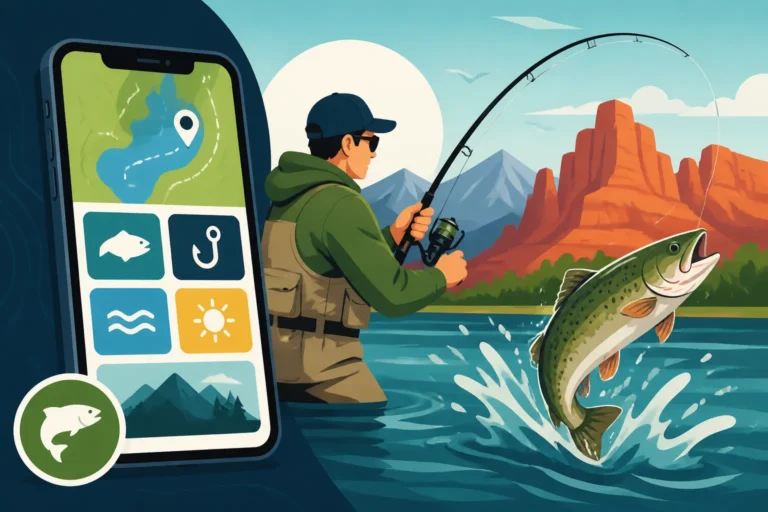
One of the biggest challenges for anglers is accurately identifying where public land ends and private land begins. Property lines aren't always marked with clear fences or signs, especially in more rural or remote areas. Relying solely on a general map can be misleading. Modern technology, however, has made this much easier. Apps like OnX Hunt, which can be purchased through platforms like Amazon, overlay property boundaries onto detailed satellite imagery and topographic maps, even showing who owns specific parcels. These tools are invaluable for determining exactly where you can legally walk, wade, or launch a boat.
Beyond technology, look for physical clues. "No Trespassing" signs, purple paint on fence posts or trees (a common legal marking for private property in many states, including Utah), and fences are all clear indicators. Be particularly vigilant around homes, cabins, agricultural fields, and any areas with livestock. When in doubt, assume it's private and seek clarification. It's far better to err on the side of caution than to face a Utah Fishing License Penalties for Violations. Understanding that a river doesn't grant you an easement across private land is fundamental; your access is limited to where you have legal permission to be on the land itself.
Commercial Guiding on Private Waters
For those who prefer a more structured approach or guaranteed access to prime fishing, many private landowners partner with licensed fishing guides or outfitters. These guides often have exclusive access agreements with private ranches, farms, or other properties that feature excellent fishing. This arrangement allows anglers to experience waters that would otherwise be inaccessible, often teeming with healthy fish populations due to limited pressure.
These guided trips typically come with a fee, but they offer several benefits: expert knowledge of the water, professional instruction, and the assurance that all access is legal and arranged. If you're looking for a special trip, especially for trophy fish, booking with a reputable outfitter who operates on private waters can be an excellent option. Such guides themselves must adhere to specific Utah Fishing Guide License Requirements, ensuring they are properly licensed and insured to operate. This is particularly true if you're interested in something like a private stocked pond, where the landowner has invested in creating a fantastic fishery, and an outfitter provides the gateway.
Fishing on Utah's Tribal Lands
Fishing on tribal lands in Utah is a unique experience that requires understanding and respecting the sovereignty of these nations. It's not simply about getting a different license; it's about engaging with a distinct legal and cultural framework.
Sovereign Nations and Their Own Rules
As mentioned, tribal lands within Utah's borders are not subject to Utah state fishing regulations. Instead, they are governed by the tribal councils of the respective nations. This means that everything from license requirements and costs to specific fishing seasons, bag limits, and even approved fishing methods can differ dramatically from what you'd find on state-managed waters. For example, some tribal waters might have stricter catch-and-release policies, specific gear restrictions, or even closures during important cultural periods or fish spawning seasons.
It's essential to recognize that these regulations are in place to protect the tribal community's natural resources and cultural practices. Approaching tribal lands with an understanding of and respect for their autonomy is crucial. Don't assume that because you have a Utah state fishing license, you're good to go. Always confirm the specific rules and permit requirements for the tribal land you intend to visit. This might mean checking their official tribal natural resources department website or contacting them directly.
Ute Indian Tribe and Navajo Nation Waters
In Utah, the primary tribal lands with significant fishing opportunities belong to the Ute Indian Tribe and the Navajo Nation. The Ute Indian Tribe's Uintah and Ouray Reservation, located in northeastern Utah, encompasses a vast area with numerous rivers, streams, and reservoirs. Many of these waters offer excellent fishing for trout, bass, and other species. Access to these waters requires a Ute Indian Tribe fishing permit. The specifics of these permits, including their cost and where to purchase them, are managed by the Ute Tribe's Fish and Wildlife Department.
Further south, the Navajo Nation's territory extends into southeastern Utah, particularly around the iconic Lake Powell. While much of Lake Powell falls under state and federal jurisdiction, portions bordering the Navajo Nation might have different regulations or require tribal permits for access from their side. It's critical for anglers exploring large bodies of water like Lake Powell to be aware of jurisdictional boundaries, especially when boating and potentially crossing into tribal waters. The Navajo Nation also has its own permitting system for fishing within its sovereign boundaries, reflecting their extensive land holdings and unique resource management strategies. Always check with the Navajo Nation Game and Fish Department for current regulations and permit acquisition.
Acquiring Tribal Fishing Permits
The process for acquiring tribal fishing permits varies by nation, but typically it's a straightforward process once you know where to look. For the Ute Indian Tribe, permits can often be purchased at designated tribal offices, certain local sporting goods stores in towns near the reservation (like in Roosevelt or Duchesne), or sometimes online through the tribe's official fish and wildlife website. These permits are usually affordable and often come in daily, weekly, or annual options, similar to state licenses.
When obtaining a permit, be prepared to provide identification and understand the specific rules that come with it. You'll likely receive a pamphlet or a link to online resources detailing catch limits, approved methods, and any restricted areas. It's your responsibility to know and abide by these rules. Failing to do so can result in serious consequences, including fines, confiscation of gear, or even being banned from tribal lands. Remember, a tribal permit is separate from your state license; you'll typically need both if you plan to fish on state-regulated waters and tribal waters during the same trip. This distinction is paramount, as you can't assume a state license covers you everywhere in Utah.
Common Misconceptions and Legalities
Misunderstandings about fishing access can quickly turn a peaceful outing into a legal nightmare. It's vital to dispel common myths and fully grasp the legal implications of fishing on private or tribal lands without proper authorization.
The "Navigable Water" Myth in Utah
This is perhaps the most persistent misconception among anglers across the country, and especially in Utah. Many believe that if a river or stream is "navigable" (meaning it can be floated by boat), then the public has an inherent right to access that water, even if it flows through private property. They might think they can float or wade through private land as long as they stay in the water and don't touch the streambed or banks. In Utah, this is generally not the case.
Utah law holds that the streambed and banks of non-sovereign waters (those not officially deemed "navigable" at the time of statehood) that flow through private property are private property. This means that touching the streambed, walking along the banks, or even anchoring a boat can constitute trespassing if you do not have the landowner's permission. While there have been legal challenges and ongoing debates, the prevailing interpretation of Utah law strongly favors private property rights over public access to streambeds and banks within private land. This is a crucial distinction that differentiates Utah from some other states, and ignoring it can lead to serious legal repercussions. Therefore, even on waters that seem publicly accessible, verify your access points and ensure you have permission if you intend to fish or wade where the water flows through private land.
Penalties for Trespassing and Violations
Fishing without permission on private land, or without a proper permit on tribal land, can lead to a range of penalties, from civil fines to criminal charges. For trespassing on private land, you could face fines, be required to pay restitution for any damage, and even have your fishing gear confiscated. Repeated offenses or more severe instances, such as poaching or causing property damage, can escalate to more serious criminal charges, including jail time. Landowners are well within their rights to press charges, and local law enforcement typically takes these complaints seriously.
On tribal lands, violations of tribal fishing regulations are handled by tribal law enforcement and courts. Penalties can include fines, seizure of fishing equipment, loss of privileges to be on tribal lands, and in some cases, more severe consequences depending on the nature of the violation. These penalties are designed to protect tribal resources and uphold tribal sovereignty. It's critical to understand that ignorance of the law is generally not considered a valid defense. Therefore, confirming your access and understanding all applicable regulations before you cast a line is not just good etiquette, it's a legal imperative.
Respecting Property and Natural Resources
Beyond the legal ramifications, fishing on any water, especially private or tribal lands, comes with a profound responsibility to respect the environment and the property around you. This means practicing Leave No Trace principles: pack out everything you pack in, and even pick up litter left by others. Be mindful of fences, gates, and any other infrastructure – if a gate is closed, close it behind you. Don't disturb livestock or agricultural operations.
Ethical angling also extends to the fish themselves. Follow catch limits, practice proper catch-and-release techniques when required, and handle fish with care. The health of Utah's fisheries depends on every angler doing their part. Whether you're enjoying a Blue Ribbon Fisheries Rules stretch of the Green River, a scenic high-mountain lake, or a private pond, treating the land, water, and wildlife with respect ensures these opportunities remain for future generations. Your actions reflect not only on you but on the entire angling community, influencing landowners' willingness to grant access in the future.
Essential Gear and Preparedness for Varied Access
Being well-prepared is a cornerstone of responsible angling, especially when venturing into less straightforward access situations like private or tribal waters. The right gear and a thoughtful approach can make all the difference.
Packing the Right Gear for Any Situation
When you're fishing waters where access might be limited or require a walk, a versatile and efficient gear setup is key. For many of Utah's trout streams, a good medium-light spinning rod and reel combo, capable of handling both small lures and bait, is a solid choice. If you're a fly angler, a 5 or 6-weight fly rod is a versatile option for various conditions. Consider a compact tackle box or a fishing vest (readily available on Amazon) that allows you to carry essential items without being cumbersome.
Beyond the rod and reel, make sure you have:
- Appropriate Tackle: A selection of lures, bait (if permitted), hooks, weights, and bobbers. For those fishing on a private stocked pond, knowing the species can help you tailor your gear, perhaps favoring PowerBait for stocked trout or specific lures for bass.
- Waders and Boots: If you anticipate wading in rivers or streams, comfortable and durable waders and wading boots are essential. Make sure they fit well and provide good traction on slippery riverbeds.
- Net: A good landing net helps protect fish you plan to release and makes landing your catch easier and safer.
- Water and Snacks: Always carry enough hydration and sustenance, especially if you're exploring areas with limited amenities.
Being prepared with versatile gear not only enhances your fishing experience but also ensures you're ready for different scenarios, whether you're granted access to a small private stream or a larger tribal reservoir.
Navigational Tools and Communication
Effective navigation and communication are non-negotiable when exploring less familiar fishing grounds. As discussed, a reliable GPS app or device that shows property boundaries is invaluable for ensuring you stay on public land or within your permitted private access area. Downloading offline maps is also crucial, as cell service can be spotty or nonexistent in many of Utah's prime fishing locations.
Beyond navigation, always inform someone of your fishing plans: where you're going, your expected return time, and who to contact if you don't check in. A small personal locator beacon (PLB) can also provide peace of mind in remote areas, allowing you to signal for help if an emergency arises. If you've gained permission from a private landowner, having their contact information readily available is a must. Similarly, if fishing on tribal lands, knowing the contact number for their fish and wildlife department or tribal police can be very helpful for emergencies or to clarify rules on the spot. A fully charged phone (and perhaps a portable power bank, also available on Amazon) is essential not just for communication, but for digital licenses and mapping. These preparatory steps, while seemingly small, can make a world of difference in ensuring your safety and a smooth, compliant fishing trip.
Access Requirements Comparison Table
To summarize the key access requirements for different types of fishing waters in Utah, here's a helpful comparison:
| Feature | Public Waters (State/Federal) | Private Waters (Landowner) | Tribal Waters (Ute/Navajo) |
|---|---|---|---|
| Fishing License | Utah State Fishing License required | Utah State Fishing License may be required (see exceptions) | Tribal Fishing Permit required (state license not valid) |
| Land Access | Generally open (check specific regulations) | Explicit landowner permission always required | Tribal Fishing Permit grants access (check specific rules) |
| Streambed/Bank Access | Generally open (unless designated private) | Requires landowner permission | Covered by Tribal Permit (check specific rules) |
| Boat Registration | Utah Boat Registration Requirements (if applicable) | Utah Boat Registration Requirements (if applicable) | May require tribal boat permit/registration (check rules) |
| Regulations & Limits | Utah Division of Wildlife Resources (UDWR) | UDWR (if state license used) or landowner's specific rules | Tribal Fish & Wildlife Department's specific rules & limits |
| Ethical Considerations | Follow Leave No Trace, respect other users | Respect property, follow landowner's requests, Leave No Trace | Respect sovereignty, cultural practices, tribal rules, Leave No Trace |
| Where to Purchase Access | UDWR online, agents, offices | Direct from landowner, commercial guide/outfitter | Tribal Fish & Wildlife Department, local agents, online |
| Digital Tools for Access | UDWR app, Google Maps, OnX Hunt | OnX Hunt, direct communication | Tribal websites/maps, direct communication |
Disclaimer
The information provided in this guide is for general informational purposes only and does not constitute legal advice. Fishing regulations and property laws in Utah, including those pertaining to tribal lands, can be complex and are subject to change. Always consult the most current regulations from the Utah Division of Wildlife Resources, the specific tribal nation's fish and wildlife department, and property owners before engaging in any fishing activity. It is the angler's responsibility to understand and comply with all applicable laws and regulations.