How to Catch Tiger Muskie at Pineview Reservoir
Let's be real, trying to catch a tiger muskie at Pineview Reservoir can feel like you're chasing a ghost. These toothy predators are notoriously elusive, often leaving even experienced anglers scratching their heads after a day of countless casts with nothing to show for it. But don't let their reputation deter you; with the right approach, knowledge, and a boatload of patience, you can unlock the secrets to landing one of Utah's most challenging and rewarding sport fish. This guide is dedicated to breaking down the mystique, offering practical advice on gear, techniques, and understanding the unique habits of the Pineview tiger muskie, helping you turn those frustrating "follows" into thrilling catches.
Understanding Pineview's Elusive Predator: The Tiger Muskie
The tiger muskie is a fascinating, yet often maddening, fish to pursue. It's a sterile hybrid, a cross between a northern pike and a muskellunge, and Pineview Reservoir is one of the premier spots in Utah where you can find them. Their presence in the reservoir is part of a deliberate management strategy, as detailed in "Why Tiger Muskie Were Introduced to Pineview Reservoir," but that doesn't make them any less of a challenge to entice.
Why Tiger Muskie Are So Challenging to Catch
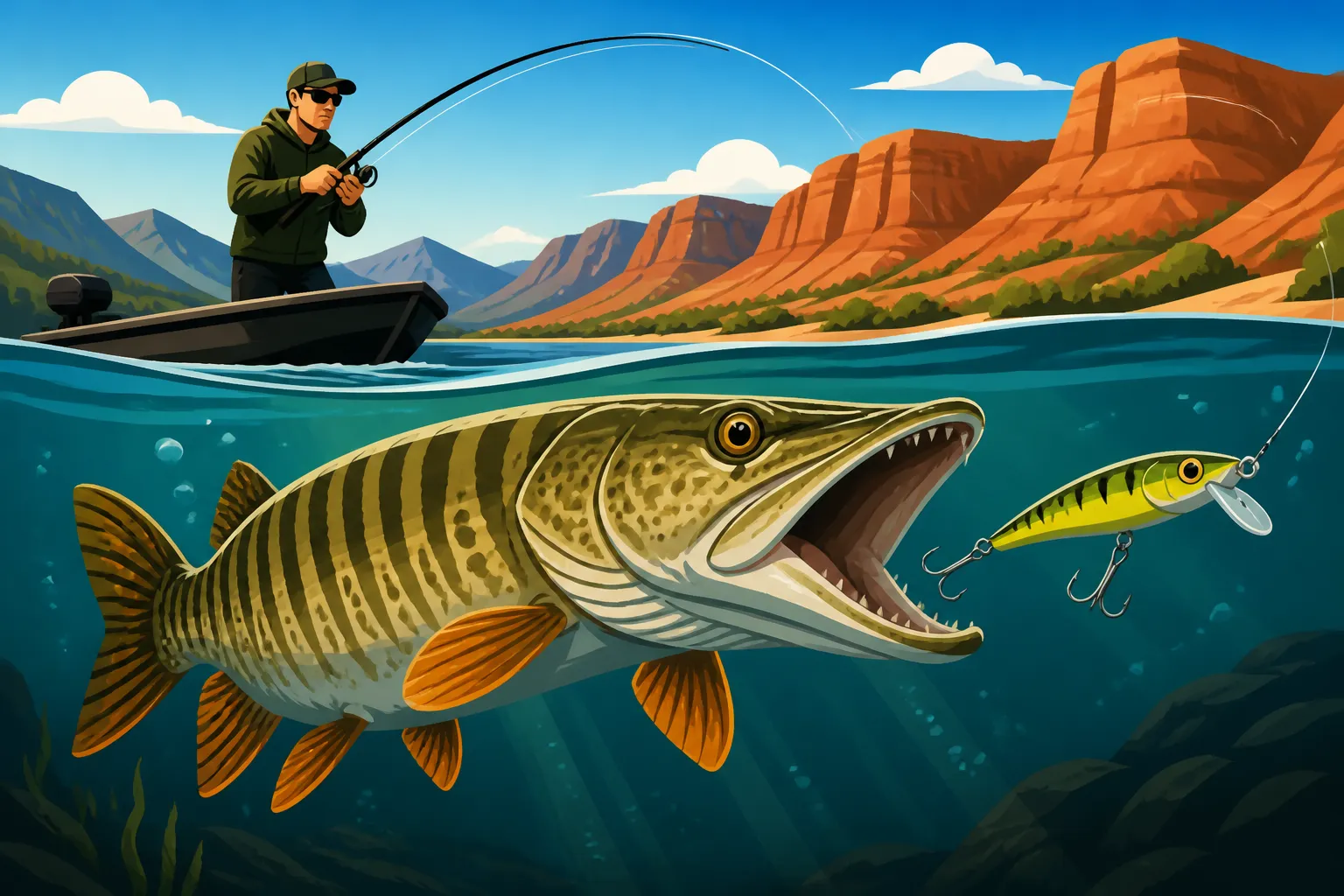
If you've spent any time on Pineview chasing these fish, you know the frustration. You might see a huge, striped torpedo follow your lure right up to the boat, only to turn away at the last second with a dismissive flick of its tail. This "follow but no strike" behavior is a hallmark of muskie fishing. These fish are apex predators, incredibly intelligent, and remarkably wary. They don't just strike out of hunger; often, it's aggression or territoriality that triggers a bite.
Tiger muskie are also sparsely distributed. Unlike trout that might school up, muskie are solitary hunters, each claiming a territory. This means you're not typically looking for a whole school of fish, but rather seeking out individual, ambush-oriented predators. Their numbers are managed to keep other fish populations in check, as described in "What a Tiger Muskie Is," but this also means you're not casting into a reservoir brimming with them. Every encounter is a trophy in itself, making the quest all the more addicting and, at times, incredibly frustrating.
Prime Locations and Habitats in Pineview Reservoir
Pineview Reservoir, nestled in Ogden Valley, offers a diverse range of habitats that tiger muskie love. These fish are ambush predators, so they gravitate towards structure and cover where they can lie in wait for unsuspecting prey. Think about areas that offer good concealment and easy access to deeper water.
Key spots often include the extensive weed beds that flourish in the warmer months, especially in the shallower bays and flats. These aquatic jungles provide perfect camouflage. Look for the edges of these weed lines, pockets within them, or areas where the weeds transition into deeper channels or drop-offs. Submerged timber, rock piles, and any significant changes in bottom contour can also hold muskie. The main dam face, points, and even old roadbeds beneath the surface are worth exploring. Understanding the general "Pineview Reservoir Fishing Spots" will certainly give you a head start in locating potential muskie hideouts. As seasons change, their preferred depth and cover might shift, so being adaptable and observing the lake's topography is crucial.
Essential Gear for Pineview Tiger Muskie
Trying to land a tiger muskie with your average trout rod is like trying to catch a bear with a butterfly net – it's just not going to end well for anyone involved. These fish are powerful, aggressive, and have a mouthful of formidable teeth, demanding specialized gear that can handle the abuse. Investing in the right tackle isn't just about increasing your chances of a catch; it's also about ensuring the safety of both you and the fish.
Rods, Reels, and Line Built for Battle
When it comes to muskie fishing, "heavy-duty" is the name of the game. You'll want a stout rod, typically 7 to 9 feet long, with a heavy or extra-heavy power rating and a fast action. This length helps with casting large lures and provides the leverage needed to control a powerful fish. A shorter rod might give you less control over a thrashing muskie right next to the boat. Brands like St. Croix, G. Loomis, or even some more affordable options available on Amazon, offer excellent muskie-specific rods that can withstand the strain.
Pair that rod with a high-quality baitcasting reel. Look for a reel with a robust drag system, a strong frame, and a high line capacity. A 300 to 400 size reel is usually a good starting point. You need a reel that can handle heavy lures and the immense pressure of a muskie fight without buckling. Spool your reel with braided line, usually 65-100 pound test. Braid has no stretch, which is vital for feeling subtle bites and delivering solid hooksets. Crucially, you must tie on a heavy-duty fluorocarbon or steel leader, at least 100-150 pound test, to prevent those sharp muskie teeth from severing your main line. Trying to use a lighter leader is a surefire way to lose both your lure and potentially harm the fish.
Lures and Baits That Entice a Strike
Muskie aren't shy about eating big meals, so your lures should reflect that. Forget your tiny trout spinners; we're talking about lures that measure 6 inches or more. The sheer variety can be overwhelming, but there are a few categories that consistently produce at Pineview.
- Bucktail Spinners: These are classic muskie lures. They push a lot of water, create flash, and their pulsating skirt material is incredibly attractive. Sizes ranging from #7 to #10 are common, with blades like Colorado or Indiana designs. Think bold colors, but also natural patterns that mimic local forage.
- Jerkbaits and Glide Baits: These lures are designed to be retrieved with erratic, stop-and-go movements, mimicking a wounded baitfish. They require a bit more technique to work effectively, but they can be deadly. Long, slender profiles are key.
- Crankbaits and Swimbaits: Large lipped crankbaits that dive to different depths can be trolled or cast. Hard swimbaits, with their realistic segmented bodies, also have their moments.
- Topwater Lures: When conditions are right – typically low light, calm water, and warmer temps – nothing beats the explosive strike on a topwater lure like a "walk-the-dog" or prop bait.
It's wise to carry a selection of these. You might find a great deal on a variety of muskie lures on Amazon, allowing you to experiment with different colors and actions without breaking the bank. Pay attention to how the "Tiger Muskie Size in Utah" might influence your lure selection – larger fish often prefer larger presentations.
Crucial Accessories for Safe Handling and Release
This is where many anglers, especially those new to muskie fishing, sometimes fall short. Due to their size, power, and razor-sharp teeth, safe handling tools are non-negotiable.
Here’s what you absolutely need:
- Large, Rubber-Coated Landing Net: This is paramount. A net with a wide hoop and a deep, rubberized mesh is essential to safely contain a muskie at the boat. The rubber coating protects the fish's slime coat and fins. Don't even think about bringing a muskie into the boat without a proper net; it's dangerous for both you and the fish. You can find excellent options for "Best Landing Nets for Utah Trout" that can also double for smaller muskie, but for true trophy hunters, invest in a dedicated muskie net.
- Long-Nose Pliers: These are for reaching deep-set hooks. Muskie will often engulf a lure, and trying to remove hooks with short pliers is an invitation for a trip to the emergency room.
- Jaw Spreader: A jaw spreader is used to safely hold the muskie's mouth open, allowing easy access to the hooks without risking your fingers. This is especially important for quick release.
- Bolt Cutters (or Heavy-Duty Hook Cutters): In rare cases, a hook might be so deeply lodged, or the fish might be so stressed, that the only humane option is to cut the hooks. These tools can save a fish's life.
Remember, proper handling is key for the survival of released fish, which is critical for maintaining the health of Pineview's muskie population. Prioritize these tools as much as your rod and reel.
Proven Techniques for Targeting Pineview Tiger Muskie
Catching a tiger muskie isn't just about having the right gear; it's about employing smart strategies and executing specific techniques that capitalize on their predatory instincts. These fish aren't caught by accident very often.
Mastering Retrieval Techniques
Muskie fishing is rarely a subtle affair. You're typically trying to trigger a reaction strike, and that means active, often aggressive, retrieves. Speed is often your friend; many anglers will tell you to reel as fast as you possibly can while still keeping your lure working correctly. This speed often creates a "flight or fight" response in the muskie.
Varying your retrieve is also vital. Don't just cast and reel in at a steady pace every time. Incorporate pauses, jerks, and changes in speed. A common tactic is to reel quickly for a few seconds, then pause for a beat, letting the lure fall or glide, then resume reeling. This erratic motion mimics a distressed baitfish, which is a prime target for a muskie. Pay attention to where you are in Pineview; if you're working over "Pineview Reservoir Fishing Spots" with heavy cover, short, powerful casts and quick retrieves might be necessary to pull the fish out before it can get tangled.
Best Times and Conditions for Success
Understanding the seasonal and daily patterns of tiger muskie can dramatically increase your odds. Generally, muskie activity tends to peak during certain periods.
- Spring: After the ice-off, usually late April through May, muskie become very active. They're recovering from winter and feeding aggressively. Look for them in shallower bays and sun-warmed areas where baitfish are congregating. This is often an excellent time for casting bucktails and jerkbaits.
- Summer: As temperatures rise, muskie might move to deeper, cooler water during the heat of the day, often relating to submerged structure or thermoclines. Early mornings, late evenings, and overcast days can provide better opportunities. Topwater lures can be exciting during low light conditions.
- Fall: This is arguably the most consistent time for trophy muskie. As water temperatures drop, muskie go on a major feeding binge, trying to pack on weight for winter. They can be found in a variety of depths, often moving shallow during feeding windows. Big swimbaits, jerkbaits, and even large suckers (where legal and applicable) can be effective. This aligns with general advice on the "Best Time of Year to Fish in Utah" for many large predators.
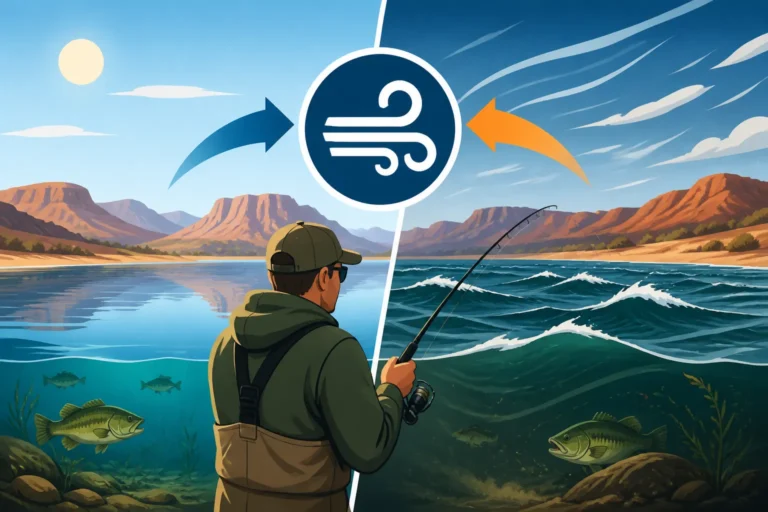
Overcast days, especially with some chop on the water, are often preferred conditions. The subdued light can make muskie feel more comfortable hunting, and the wave action can break up their silhouette, making them harder for prey to spot. Barometric pressure changes, particularly a falling barometer before a storm, can also trigger feeding frenzies.
The Art of the Figure-Eight and Hookset
This is perhaps the most critical technique for muskie fishing and something you absolutely must master. Many muskie will follow your lure all the way to the boat, inspecting it, before deciding whether or not to strike. If you simply reel in and pull your lure out of the water, you've missed your chance.
The figure-eight is a technique performed at the boat-side. As your lure approaches the boat, instead of lifting it out, smoothly sweep your rod tip into the water and trace a wide figure-eight pattern with your lure next to the boat. This keeps the lure in the strike zone and can often trigger a follow-up strike from a hesitant muskie. Keep your eyes on the lure and be ready for an explosive strike. Many muskie are caught literally feet from the boat because of this technique.
When a muskie does strike, the hookset needs to be aggressive and immediate. These fish have bony mouths, and a weak hookset can result in the hooks not penetrating properly. Reel down quickly to remove any slack, then deliver several hard, sweeping hooksets. Think of it less like a gentle trout hookset and more like trying to yank a stubborn tree stump out of the ground. This ensures the hooks are firmly embedded, increasing your chances of landing the fish and minimizing the chance of it throwing the lure.
Overcoming the Odds: Mindset and Patience
Let's face it, muskie fishing isn't for the faint of heart or the easily discouraged. It requires a significant investment of time, effort, and mental fortitude. But that's also what makes it so incredibly rewarding.
The "Fish of 10,000 Casts" Reality
You've probably heard the adage, "The muskie is the fish of 10,000 casts." While it's a bit of an exaggeration, it captures the essence of the sport: long periods of nothing, punctuated by moments of pure adrenaline. You can go hours, or even entire days, without a single strike or even a follow. This is perfectly normal! Don't let it get you down. Every cast is an opportunity, and every follow is a learning experience.
The key is persistence and a positive mindset. Stay focused, keep experimenting with retrieves, and believe that the next cast could be the cast. Learning to appreciate the process, the beauty of Pineview Reservoir, and the sheer challenge of the hunt is part of what makes muskie fishing so special. This isn't about filling a cooler; it's about the chase, the mystery, and the ultimate reward of a truly magnificent fish.
Responsible Angling: Catch, Photo, Release
Because tiger muskie populations are managed and they don't reproduce naturally, every fish caught and released is crucial for the future of the fishery. Practicing responsible catch-and-release is not just good etiquette; it's essential for maintaining the opportunity to catch these incredible fish in Pineview for years to come.
Here are some key principles:
- Minimize Fight Time: While exciting, a prolonged fight can exhaust a muskie, especially in warmer water. Use appropriate heavy tackle (as discussed in "Best Fishing Rods for Utah Anglers") to land the fish as efficiently as possible.
- Keep it in the Water: Whenever possible, keep the muskie in the net and in the water while you work on unhooking it. Its body is designed to be supported by water, and holding it vertically or by the jaw for too long can damage its internal organs.
- Quick Photos: If you want a photo, be quick. Have your camera ready, lift the fish horizontally, support its belly, snap a few shots, and get it back in the water immediately. Learning "How to Release a Fish Without Hurting It in Utah" is a crucial skill for any muskie angler.
- Revive If Necessary: If the fish seems lethargic, hold it gently in the water by its tail and support its belly, facing it into any current or gently moving it back and forth to push water over its gills until it regains strength and swims away on its own.
Your dedication to these practices ensures that another angler, or even you, can have that thrilling encounter again someday. The beauty of muskie fishing at Pineview is the challenge, and preserving that challenge for everyone is part of the sport.
| Muskie Lure Type | Best Application | Key Features |
|---|---|---|
| Bucktail Spinner | All-around, versatile | Flash, vibration, fast retrieve |
| Jerkbait | Erratic action, pauses | Wounded baitfish imitation |
| Glide Bait | Side-to-side darting | Subtle action, slower retrieve |
| Large Crankbait | Trolling, deep diving | Covers water, depth control |
| Topwater Lure | Low light, calm water | Surface commotion, explosive strikes |
Disclaimer
This article is for general informational purposes only and does not constitute professional advice. Laws, prices and regulations vary by location and change over time. Consult a qualified professional for guidance on your specific situation.