How to Vertical Jig for Lake Trout Through the Ice
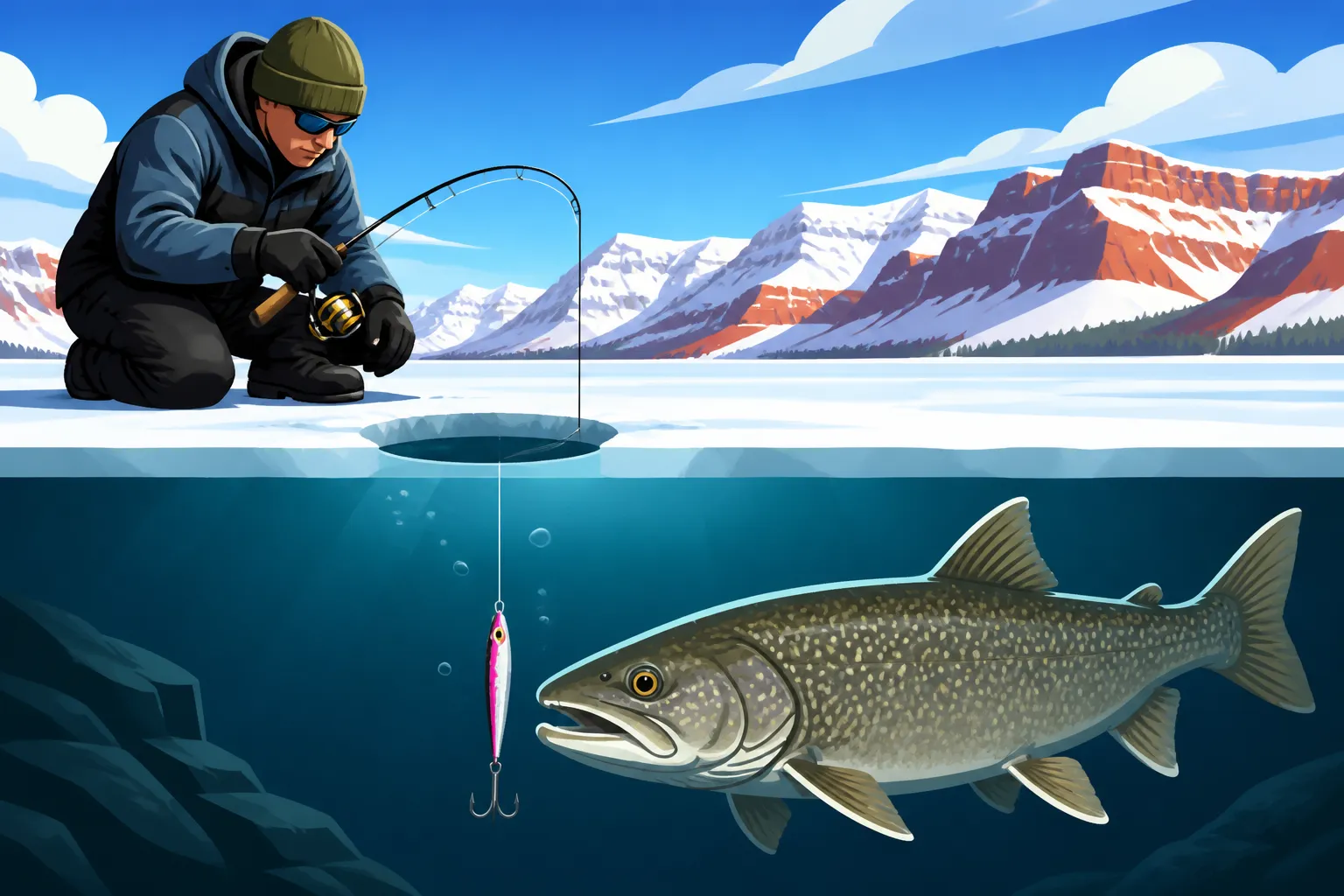
There’s nothing quite like the crisp air and serene silence of a Utah winter morning, perched over a small hole in the ice, knowing that beneath you lurks one of the state’s most formidable freshwater predators: the lake trout. But these aren’t your average stocked rainbows. Lake trout, often called Mackinaw here in Utah, are deep-water dwellers, finicky giants that demand a specific approach. Vertical jigging through the ice is one of the most effective ways to coax these magnificent fish into biting, and if you've struggled to connect with them in the past, this guide is going to break down everything you need to know to succeed.
Understanding Lake Trout Behavior Under the Ice
Catching lake trout through the ice isn't just about dropping a line; it's about understanding their world beneath the frozen surface. These fish are creatures of habit and opportunity, always looking for their next meal, but their behavior changes significantly with the seasons and even the time of day.
Deep Water Dwellers and Their Preferred Habitats
Lake trout, or 'lakers' as many of us affectionately call them, are typically cold-water species, which means they prefer deeper, cooler water even when the surface is locked up with ice. They aren't usually found cruising the shallows unless it's very early or late in the season, or if there's a specific forage opportunity drawing them up. Think about large, deep reservoirs like Flaming Gorge, where they can thrive in extensive submerged structures. These fish will often patrol areas around prominent underwater points, submerged islands, sharp drop-offs, and deep humps. These structures act as natural highways and ambush points for baitfish.
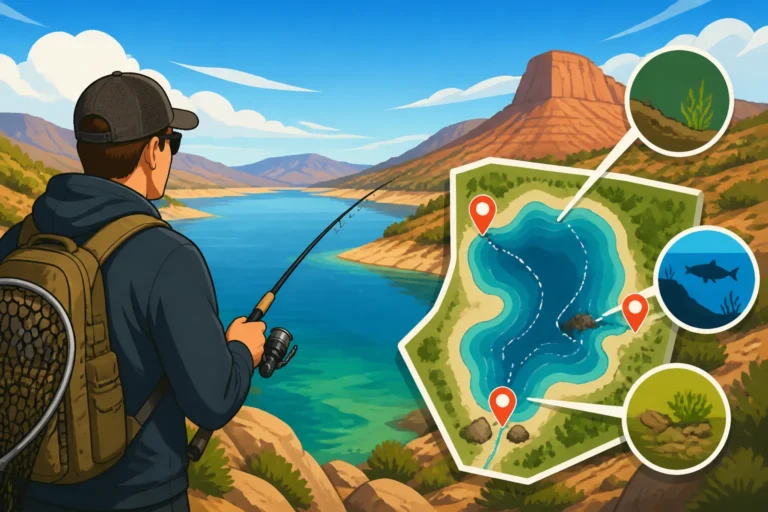
What makes these areas so attractive? They provide quick access to varying depths, allowing lake trout to move up to feed on schooling baitfish like cisco, kokanee, or chubs, then quickly retreat to the comfort and safety of deeper water. When scouting a new spot, don't just look for open water on your map; look for those dramatic contour changes, the places where the depth plunges from 30 feet to 80 feet in a hurry, or where a long, flat bench suddenly drops into an abyss. These are the classic ambush zones where a trophy lake trout might be lurking. Understanding their deep-water habits is fundamental to successful vertical jigging, as you'll spend most of your time targeting these specific depths and structures.
Forage and Feeding Patterns During Winter
Just like us, fish get hungry, and a lake trout's diet heavily influences where and when you'll find them. In Utah's premier lake trout fisheries, especially places like Flaming Gorge, their primary food sources often include kokanee salmon, Utah chubs, and Bonneville cisco. Knowing what they're eating is like having a secret weapon in your tackle box. If lake trout are gorging on kokanee, a lure that mimics a wounded kokanee will be far more effective than something else entirely.
During winter, these baitfish often school up, sometimes near structure, sometimes suspended in open water. Lake trout will follow these schools. What you'll notice is that lake trout feeding activity can spike during low-light conditions – early morning and late afternoon are often prime times. However, unlike some other species, lake trout can also bite well during midday, especially if a school of baitfish passes by or if they're actively hunting along a specific contour. Their feeding can be sporadic, sometimes a frantic five-minute bite window, then nothing for an hour. This is why having a good fish finder is absolutely non-negotiable for vertical jigging; it tells you if fish are even present and how they're reacting to your presentation. If you see baitfish on your sonar, chances are a laker isn't far behind. You can learn more about the specific behaviors of these fish by checking out our comprehensive guide, "Utah Lake Trout (Mackinaw) Guide".
Essential Gear for Vertical Jigging Lake Trout
Successfully vertical jigging for lake trout through the ice requires a specialized setup. You're not just fishing for panfish here; you're often targeting large, powerful fish in deep water, and your gear needs to be up to the task. Skimping on quality will lead to lost fish and frustration.
Rods, Reels, and Line Selection
When it comes to ice fishing rods for lake trout, you need something with backbone but also a sensitive tip. A medium-heavy to heavy power rod, typically 32-40 inches long, is ideal. The stout backbone is crucial for fighting powerful lake trout, especially when they make deep runs, while a sensitive tip allows you to detect those subtle bites in deep water. Rods specifically designed for ice jigging or deadsticking large game fish are perfect. Brands like St. Croix, Fenwick, or Clam offer excellent options. You can find many suitable choices for "Best Rods for Ice Fishing in Utah" that will handle these larger fish.
For reels, a robust spinning reel in the 2500-4000 series is usually a good fit. It needs to have a smooth drag system, as this is your ultimate shock absorber when a big laker decides to peel line. A high gear ratio isn't as critical as a strong, reliable drag. Spool your reel with 15-30 pound test braided line. Braid has no stretch, offering unparalleled sensitivity for detecting subtle bites and translating every twitch of your jig through hundreds of feet of water. Crucially, you'll need to tie on a fluorocarbon leader. A 10-20 foot section of 15-25 pound test fluorocarbon leader is perfect. Fluorocarbon is nearly invisible underwater, which is vital for wary lake trout, and it provides excellent abrasion resistance against the ice hole or the fish's sharp teeth.
The Indispensable Role of a Fish Finder
I cannot stress this enough: if you are serious about vertical jigging for lake trout through the ice, a good fish finder (also known as a flasher or sonar unit) is not optional, it is mandatory. Period. This isn't just a "nice-to-have" accessory; it's your eyes underwater, your immediate feedback loop on whether fish are present, how they're reacting to your lure, and at what depth they're holding. Understanding "How to Read a Fish Finder for Utah Reservoirs" is a game-changer.
Modern ice fishing flashers, like those from Humminbird (their ICE Helix series) or Lowrance (Hook Reveal series), provide real-time updates. You’ll see your lure as a distinct mark, and when a fish approaches, you’ll see its mark. This allows you to adjust your jigging cadence, lift or drop your lure to entice a bite, and know precisely when to set the hook. Without a fish finder, you’re essentially fishing blind, hoping a lake trout randomly swims by your offering. With one, you're actively engaging with the fish, making adjustments, and learning their preferences in real-time. This dynamic interaction is what makes vertical jigging so effective and exciting. These units can be a significant investment, but they pay for themselves in drastically improved catch rates and a far more engaging fishing experience. You can often find a wide selection of "Best Fish Finders for Ice Fishing in Utah" on Amazon, so do some research to find one that fits your budget and needs.
Lures and Bait Combinations
When it comes to lures for vertical jigging lake trout through the ice, you need heavy, flashy, and durable options. Remember, you're often fishing in deep water, so your lure needs to get down quickly and be visible.
Here are the go-to choices:
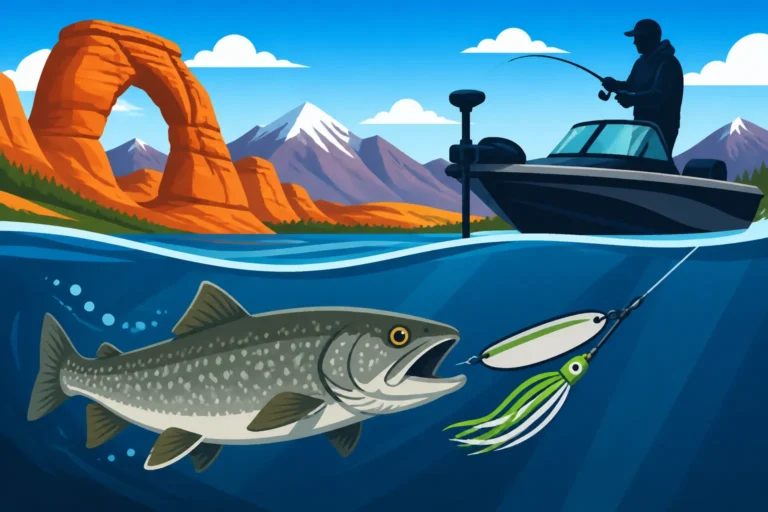
- Heavy Jigging Spoons: These are classics for a reason. Spoons like the Acme Kastmaster, Northland Buck-Shot Rattle Spoon, or Swedish Pimple, in sizes ranging from 1/2 oz to 1.5 oz, are incredibly effective. Their flash and erratic fall mimic wounded baitfish. Gold, silver, blue/silver, and chartreuse are excellent color choices.
- Tube Jigs: Large tube jigs (3-6 inches) rigged with an internal jig head are deadly. The soft plastic body has a natural undulation, and the tentacles provide enticing movement. White, clear/silver flake, and dark green/pumpkinseed colors are often productive. Many anglers will tip a tube jig with a small piece of cut bait.
- Paddle Tail Swimbaits: For a larger profile and more realistic baitfish imitation, 4-6 inch paddle tail swimbaits rigged on a heavy jig head (1/2 oz to 1 oz) can be devastating. These provide a strong thumping action on the retrieve that can call in fish from a distance.
- Blade Baits: Lures like the Sebile Vibe Blade or the Johnson Thumper can be very effective, especially when actively worked. They vibrate aggressively on the retrieve and fall quickly.
Baiting Your Lures: While many of these lures work great on their own, tipping them with bait can significantly increase your success rate. A small piece of cut bait, such as a belly strip or eye of a chub or cisco (if legal and available), or even a salted minnow head, adds scent and a natural texture that can seal the deal for a hesitant lake trout. Some anglers also use artificial attractants or Gulp! products to add extra scent.
Mastering the Vertical Jigging Technique
Vertical jigging is an active fishing method that requires concentration and responsiveness. It's not about setting a line and waiting; it's about presenting your lure in a way that actively triggers a strike from a sometimes finicky predator.
Finding the Depth and Creating a Cadence
The first step after drilling your holes (and don't forget to learn "How to Auger Through Utah Ice Safely") is to locate the fish. This is where your fish finder truly shines. Drop your lure down and watch your screen. You'll see your lure's signal, and hopefully, fish marks. Your goal is to keep your lure either slightly above or directly in the strike zone of any fish you see. Lake trout often look up to feed, so sometimes being a few feet above them is more effective than directly on their nose.
Once you're at the right depth, it's time to establish a jigging cadence. This isn't a one-size-fits-all approach; it's an art you'll refine through trial and error. Start with a moderately aggressive retrieve:
- Lift: Lift your rod tip sharply 1-3 feet.
- Fall: Let the lure flutter back down on a semi-slack line. This is often when a strike occurs, as the lure appears wounded or disoriented.
- Pause: After the fall, hold the lure still for 5-10 seconds. This pause allows the fish to investigate and commit to a bite.
Experiment with the length and speed of your lifts, and the duration of your pauses. Some days, a very aggressive "rip-jigging" motion will trigger bites, while other days, a subtle lift and long pause, almost like deadsticking, is what they want. Pay close attention to what your fish finder tells you: if a fish rises quickly to your lure, then turns away, try a more subtle presentation. If it chases aggressively, keep that energy up.
Interpreting Your Fish Finder and Setting the Hook
Your fish finder is your best friend. Watch it constantly. When a fish mark appears, observe its behavior. Is it rising slowly? Is it shooting up aggressively? Does it stop below your lure? This information should guide your jigging. If a fish is directly below your lure but isn't biting, try lifting your lure slowly away from it. This often triggers a chase instinct. If it rises, stops, then starts to descend, a quick, sharp jig and then a pause can sometimes make it commit.
The Bite: Lake trout bites can range from a violent thud that nearly rips the rod out of your hand to a subtle "tick" or simply feeling your lure get "heavy." When you feel anything out of the ordinary, or if your fish finder shows your lure mark suddenly merging with a fish mark, set the hook! A firm, upward sweep of the rod is usually sufficient with braided line. Because you're often fishing in deep water, there's a lot of line stretch (even with braid, your fluoro leader will stretch), so a solid hookset is crucial to drive the hook home. Don't be shy; these fish have tough mouths.
Once hooked, keep constant pressure on the fish and let your rod and reel's drag do the work. Lake trout are powerful and will make strong runs. Be ready to give line and absorb headshakes. Slowly but steadily pump the fish towards the hole. When it gets close, guide its head into the hole smoothly to bring it onto the ice.
Top Utah Waters for Ice Jigging Lake Trout
Utah boasts some fantastic opportunities for ice fishing, and when it comes to trophy lake trout, one destination stands head and shoulders above the rest. Knowing where to go and what to expect from specific bodies of water will significantly increase your chances of success.
Flaming Gorge Reservoir
Without a doubt, Flaming Gorge Reservoir is the undisputed king of lake trout ice fishing in Utah. This massive body of water, straddling the Utah-Wyoming border, is renowned for its incredible lake trout fishery, producing fish of truly epic proportions. Anglers come from all over to target these giants through the ice, and vertical jigging is arguably the most popular and effective method. You can explore a lot more about this incredible fishery in our comprehensive "Flaming Gorge Fishing Guide".
Key Areas and Depths: At Flaming Gorge, lake trout inhabit nearly the entire reservoir, but certain areas consistently produce better results, especially for ice anglers. Look for submerged structures around the Linwood Bay, Buckboard Crossing, and Lucerne Valley areas. These spots often feature prominent points and deep channels that draw in baitfish. Depths typically range from 60 to 150 feet, but don't be afraid to experiment. Early ice might find them shallower (30-50 feet), while mid-winter often sees them holding in those deeper haunts.
What to Target: The lake trout here primarily feed on kokanee salmon and Utah chubs. Therefore, jigging spoons and tube jigs that mimic these baitfish in size and color are incredibly effective. Orange and chartreuse spoons for kokanee imitation, or white and pearl tubes for chubs, are solid choices. Early mornings and late afternoons are often peak bite times, but don't count out midday, especially if you're on a productive structure.
Challenges: The sheer size of Flaming Gorge can be daunting, and the weather can be brutal. Be prepared for strong winds and bitter cold. "Best Ice Fishing Shelters for Utah Winters" are not just for comfort; they're often a necessity. Always prioritize safety, check ice conditions religiously, and let someone know your plans. The fish are there, but patience and perseverance are key to success.
Other Potential Waters for Lake Trout
While Flaming Gorge is the superstar, other Utah waters occasionally offer opportunities for ice-caught lake trout, though generally not to the same trophy potential or abundance.
- Bear Lake: This beautiful natural lake on the Utah-Idaho border is famous for its unique fish species, including the Bonneville cisco and Bear Lake cutthroat trout. While lake trout are present, they are less of a primary target for ice anglers compared to the cisco run or cutthroats. You might encounter them jigging in deeper sections, but they aren't as prevalent or large as in Flaming Gorge. Check out our "Bear Lake Fishing Guide" for more details on this unique fishery.
- Fish Lake: Known for its trophy splake and rainbow trout, Fish Lake also holds some lake trout. Again, they're not the primary draw for ice anglers, but if you're targeting splake with similar deep-water jigging techniques, you might occasionally hook into a smaller laker.
- Deep Mountain Lakes: In some of Utah's more remote high-altitude lakes, particularly in the Uinta Mountains, you might find small, wild populations of lake trout. However, these are often hike-in locations, and the fish are usually much smaller and less numerous, making them less suitable for dedicated ice jigging efforts compared to the big reservoirs.
For most dedicated ice anglers seeking the thrill of vertical jigging for large lake trout, Flaming Gorge remains the premier destination due to its consistent population of trophy-sized fish and the well-established patterns for targeting them. When planning your trip, consider our general "Utah Ice Fishing Guide" for broader safety and technique tips.
| Lure Type | Best Use Case | Recommended Sizes | Common Colors | Bait Tipping? | Pros | Cons |
|---|---|---|---|---|---|---|
| Jigging Spoons | Aggressive fish, deep water, mimicking wounded bait. | 1/2 oz – 1.5 oz | Silver, Gold, Chartreuse, Blue | Yes (cut bait, minnow) | Fast fall, strong flash, versatile. | Can twist line if not used with a swivel. |
| Tube Jigs | Finesse presentation, wary fish, mimicking chubs. | 3-6 inches | White, Pearl, Green Pumpkin | Yes (cut bait, scent) | Natural undulation, soft feel, scent hold. | Slower fall, less flash than spoons. |
| Paddle Tail Swimbait | Larger profile, realistic baitfish imitation. | 4-6 inches (on jig head) | Natural Baitfish, White | Optional (scent) | Strong thumping action, good for active fish. | Can be less effective on very finicky fish. |
| Blade Baits | Calling fish in, aggressive presentation. | 1/2 oz – 1 oz | Silver, Gold, Firetiger | Optional | Intense vibration, quick fall. | Can be difficult to keep at specific depths. |
Staying Safe and Comfortable on the Ice
Ice fishing for lake trout often means venturing onto vast, remote, and potentially dangerous frozen landscapes. Your success and enjoyment hinge as much on safety and comfort as it does on technique and gear. Don't let the pursuit of a trophy overshadow the importance of being prepared.
Ice Thickness and Conditions
The cardinal rule of ice fishing is: No fish is worth your life. Always, always verify ice thickness before venturing out, and continue to monitor conditions throughout the day. A minimum of four inches of clear, solid ice is generally recommended for foot travel, but for larger fish and greater peace of mind, many prefer at least five to seven inches. For snowmobiles or ATVs, you'll need eight to twelve inches or more, and even then, exercise extreme caution.
Ice thickness can vary dramatically across a single body of water, especially on large reservoirs like Flaming Gorge. Current, underwater springs, old river channels, and pressure ridges can create dangerously thin spots. Always carry a spud bar or ice pick to test the ice ahead of you. Fish with a buddy, inform someone of your plans and expected return time, and carry essential safety gear such as ice picks (worn around your neck for quick access), a throw rope, and a fully charged cell phone. Check local conditions and reports from the Utah Division of Wildlife Resources (UDWR) or reputable bait shops before heading out. The ice is an ever-changing environment, and staying vigilant is paramount.
Dressing for Success and Shelter Options
Utah winters, especially at higher elevations, can be brutally cold, often compounded by wind. Dressing in layers is absolutely critical for ice fishing. Start with a moisture-wicking base layer (merino wool or synthetic, never cotton!), add insulating middle layers (fleece or down), and top it off with a waterproof and windproof outer shell. Insulated bibs and a parka designed for extreme cold are highly recommended. Don't forget a warm hat that covers your ears, insulated gloves or mittens (and spares!), and high-quality, waterproof, insulated boots. Remember, you'll be largely stationary, so your body won't be generating much heat.
For shelter, many anglers opt for portable ice fishing shelters. These range from simple flip-over styles to larger hub-style shelters that can accommodate multiple people. A good shelter, especially a thermal one, makes a world of difference, blocking the wind and holding in heat, allowing you to focus on fishing rather than shivering. Combined with a portable propane heater (like those from Mr. Heater, always ensuring proper ventilation!), these shelters can transform a frigid day into a surprisingly comfortable experience. "Best Ice Fishing Shelters for Utah Winters" can help you choose the right one for your needs. Staying warm and dry prevents frostbite, hypothermia, and generally makes the long waits for a lake trout bite much more enjoyable.
Disclaimer
Always check the latest Utah fishing regulations and specific water body rules before heading out. Fishing conditions, species limits, and special regulations can change. The information provided in this guide is for general educational purposes and should not be considered a substitute for official regulations from the Utah Division of Wildlife Resources.