How to Fish Utah Waters in Late Fall Before Ice-Up
That crisp autumn air, often beautiful and invigorating, quickly gives way to a biting chill as late fall settles in across Utah. For many anglers, this transitional period before the lakes and reservoirs fully ice over can feel like a frustrating puzzle, as fish behavior changes dramatically and old tactics suddenly stop working. This guide is here to help you crack that code, offering practical strategies and insights to make the most of those last open-water days before winter truly takes hold.
Understanding Late Fall Conditions in Utah
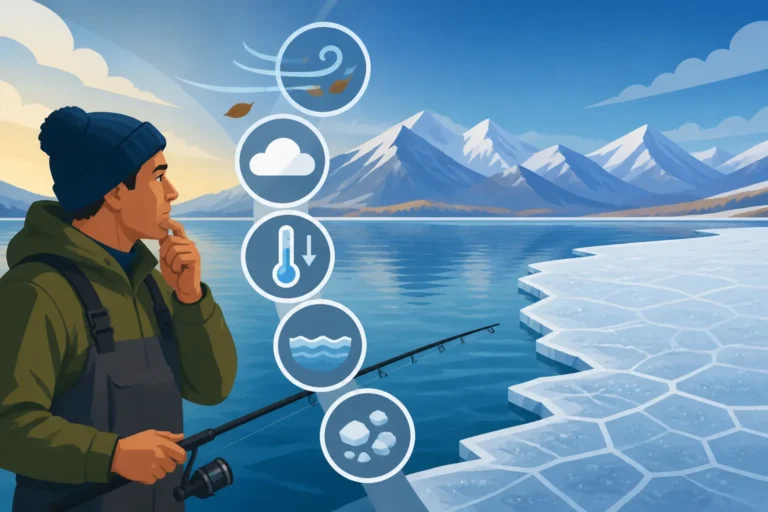
The shift from fall to winter is a critical period for fish in Utah's waters. As temperatures drop and daylight hours shorten, fish metabolism slows, and their behavior becomes much more nuanced. Ignoring these environmental cues is often the biggest mistake anglers make, leading to unproductive days on the water.
Rapidly Dropping Water Temperatures
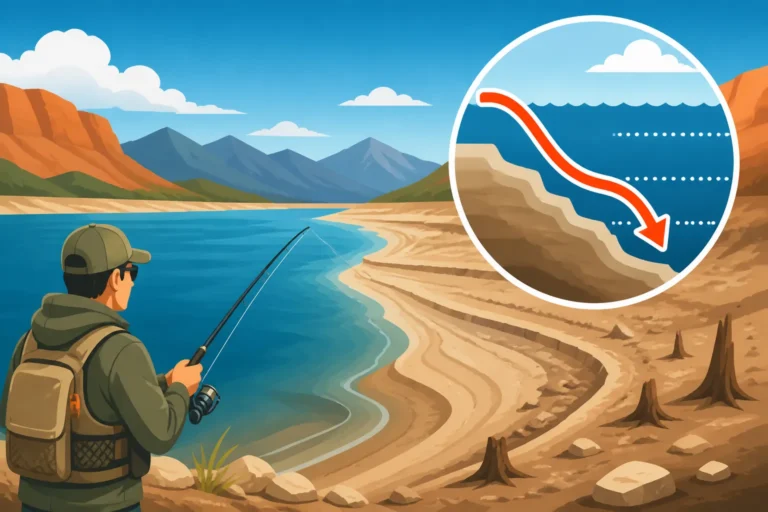
One of the most significant factors influencing late fall fishing is the rapid decline in water temperature. As air temperatures plummet, the surface water cools down quickly, eventually leading to a phenomenon known as "turnover" in many deeper lakes and reservoirs. This is a crucial time where the water column mixes, redistributing oxygen and nutrients, but it can also temporarily disorient fish or push them to different depths. Once turnover is complete, the water temperature stabilizes somewhat, but continues its gradual descent toward freezing. Understanding this cooling trend is paramount, as fish are ectothermic, meaning their body temperature mirrors the water around them, directly impacting their activity levels and where they choose to hold. Knowing how water temperature affects Utah trout fishing, for example, can be the difference between a full stringer and an empty cooler.
The rapid cooling also means that fish, particularly warmer water species like bass and walleye, will seek out the warmest available water. This might be in deeper sections where the temperature is more stable, or surprisingly, in shallower areas that receive direct sunlight for extended periods during the day, warming up slightly faster. However, as the overall water temperature drops below 50 degrees Fahrenheit, even these warmer pockets become less attractive, and fish tend to consolidate in deeper, more stable thermal refuges. This often means finding them near deep structure, drop-offs, or channel edges where they can conserve energy and find what sparse food is available.
Shorter Daylight Hours and Weather Variability
Late fall in Utah brings noticeably shorter daylight hours, meaning fish have less time for active feeding periods, and those windows can be quite specific. The sun's angle is lower, reducing light penetration into the water, which can make fish more comfortable moving into shallower areas during midday, especially if those spots offer cover. However, overall light intensity being lower can also make fish more sensitive to bright, direct sun on clear days, pushing them deeper or into shaded areas. Overcast days, with their diffused light, often provide more consistent fishing conditions throughout the day.
Weather variability is another huge challenge. One day you might have calm, sunny conditions, and the next brings strong winds, snow flurries, or a sudden cold front. Each of these changes can trigger a new response from the fish. A sudden drop in barometric pressure, often preceding a storm, can put fish off the bite entirely, making them lethargic and less willing to chase. Conversely, a stable, mild day following a cold snap can often kickstart a brief feeding frenzy as fish try to recoup lost energy. Anglers need to pay close attention to the forecast and adjust their approach accordingly, often embracing the calm before a storm or the stabilization after a system passes through.
Fish Metabolism and Behavior Shifts
As water temperatures near the 40s, fish metabolism significantly slows down. This means they digest food more slowly, require less energy, and are generally less active. Their strike zones shrink dramatically; instead of aggressively chasing a fast-moving bait, they might only commit to something presented directly in front of their face, moving slowly. This is a crucial shift that demands a different approach from the angler. You can't just power fish like you might in spring or summer.
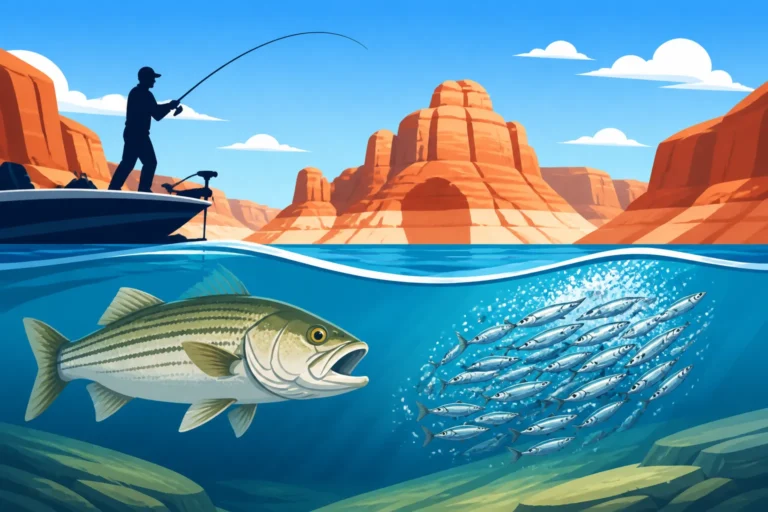
This metabolic slowdown also means fish tend to group up more tightly. Schools of baitfish might be smaller and more lethargic, and predatory fish will often concentrate in specific areas, trying to find these easy meals without expending too much energy. Locating these concentrations is key. Instead of roaming widely, you'll find them holding tight to structure, whether it's submerged timber, rock piles, ledges, or channel bends. Once you find one fish, you've often found a whole school, which is why a good fish finder becomes an invaluable tool during this time of year, helping you pinpoint these subtle gatherings.
Key Strategies for Success Before Ice-Up
Adapting your approach to these late fall conditions is critical for continued success. The techniques that worked in September likely won't cut it in late November. It's a time for patience, precision, and a willingness to slow down.
Slowing Down Your Presentation
The number one rule for late fall fishing in Utah is to slow everything down. Fish aren't going to chase a fast-moving lure with the same gusto they did in warmer water. Think of it like a cold morning when you just want to stay under the covers – fish feel similarly about expending energy. Your retrieve speed should be significantly slower, sometimes painstakingly so. This applies to all presentations, whether you're working a jig, a crankbait, or even drifting bait. A jig that you might have ripped in summer should now be barely crawling along the bottom, with long pauses between movements.
For soft plastics or live bait, let them sit longer. Allow scent to disperse and fish to investigate without feeling rushed. On a jig-and-minnow presentation, that pause after a twitch might be 5-10 seconds, or even longer, allowing the bait to slowly settle and tempt a sluggish fish. The goal is to mimic a weak, easy meal that requires minimal effort from the fish to capture. This is a time when a subtle quiver or a barely perceptible movement is often more effective than an aggressive jerk. Mastering how to adjust technique when fish aren't biting in these cold conditions involves a deep understanding of this slow-motion approach.
Targeting Deeper Water and Structure
As water cools, fish often retreat to deeper, more stable environments. Look for major depth changes, submerged humps, points, ledges, and creek channels. These areas provide both thermal stability and ambush points. In many Utah reservoirs, the main lake basin where the old river channel runs through can be a prime holding area. Fish will often suspend in the water column just above these deeper structures, or hug the bottom contour.
Using electronics becomes incredibly important here. A good fish finder can help you identify these deeper structures, locate baitfish schools, and even spot individual fish holding tight to cover. Don't be afraid to experiment with different depths; sometimes fish will be shallower than expected on a sunny day, or deeper than you'd imagine in certain conditions. Work all parts of the water column from the bottom up until you locate where the fish are holding. Remember, even in deeper water, fish will still relate to contours and cover, so look for those subtle breaks and anomalies on your sonar screen.
Bait and Lure Selection for Cold Water
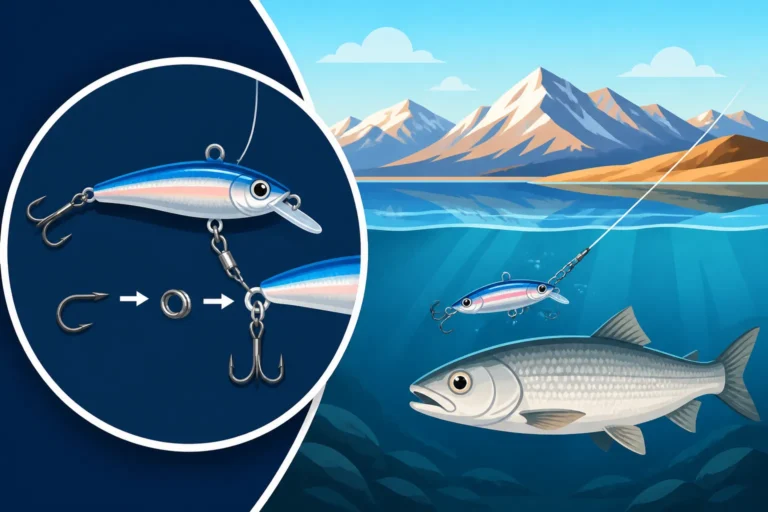
When it comes to bait and lures, less is often more in late fall. Natural baits like worms, PowerBait, and live minnows (where legal) can be incredibly effective because their scent and natural movement appeal to less active fish. For artificials, think subtle and slow. Small jigs tipped with plastic grubs or minnow imitations, blades baits, lipless crankbaits, and even spoons can work, but they must be worked slowly. Color choice often shifts towards more natural tones or sometimes surprisingly bright "attractor" colors, depending on water clarity and light conditions.
One classic cold-water tactic is vertical jigging. Dropping a jig or spoon directly onto fish you've marked on your sonar can be deadly. Another effective option is suspending a small jig or ice-fishing lure under a bobber, allowing it to hang tantalizingly in the fish's face for extended periods. For those stubborn trout, don't overlook prepared baits like PowerBait or corn, fished on a small hook near the bottom. The key is to present something that looks like an easy meal and stays in the strike zone for a long time. You can find a fantastic selection of these cold-water specific baits and lures on Amazon, making it easy to stock up for your late fall excursions.
Targeting Specific Fish Species in Late Fall
Different fish species react to the cold differently. Understanding these species-specific behaviors can help you refine your tactics even further.
Trout (Rainbow, Brown, Cutthroat, Lake Trout)
Trout, being cold-water species, often remain relatively active longer into the fall than other fish. Rainbow and cutthroat trout in reservoirs might move shallower on sunny days, especially early in the morning or late afternoon, to feed on insects or smaller baitfish. Small spinners, spoons, and jigs tipped with a grub or PowerBait can be very effective. Look for them cruising along drop-offs or near submerged vegetation. Fly anglers can also find success with smaller nymph patterns or streamers fished slowly along current breaks or deeper runs in rivers. Knowing the Utah trout daily limit explained for your specific water is always crucial before you head out.
Brown trout, particularly those in rivers, can be very aggressive in late fall as they approach their spawning season. They'll often move into shallower riffles and spawning beds, becoming quite territorial. Large streamers, soft plastic swimbaits, or even dead bait can entice a trophy brown. In reservoirs, browns will also follow baitfish into shallower coves or ambush points. Lake trout (Mackinaw), found in deeper, colder reservoirs like Flaming Gorge, remain active in deep water. Trolling large spoons, tubes, or jigging heavy spoons and specialized lake trout jigs near the bottom in 60-100+ feet of water is the way to go. They're still feeding, just very slowly and deep.
Warm Water Species (Bass, Walleye, Perch)
Warm water species like smallmouth and largemouth bass, walleye, and yellow perch will be much more sluggish than trout. They're primarily focused on finding deep, stable water and conserving energy. For bass, look for them stacked on deep main lake points, rock piles, or channel swings. Finesse techniques are key: drop-shot rigs, shaky heads, or Ned rigs with small, subtle plastics, retrieved incredibly slowly. The bites will often be light, feeling like just a little pressure or a spongy weight.
Walleye in lakes like Utah Lake will also move deeper, often congregating along main lake humps, rock piles, or the edges of drop-offs. Jigging with blade baits, spoons, or slow-trolling crankbaits that dive to deep depths can be effective. Again, the slower, the better. Perch will often school up tightly in deeper basins, making them a fun target once you find them. Small jigs tipped with a piece of worm or even just a bare jig worked slowly near the bottom can produce a lot of fish. For any of these species, if you find one, you'll likely find a school.
Focusing on Water Where Fish Are Known to Hold Late
Some Utah waters maintain better fishing conditions longer into the late fall than others. Larger, deeper reservoirs often take longer to cool down completely, providing a longer window for open-water fishing. Rivers and tailwaters, like the Green River below Flaming Gorge Dam or the Provo River, remain open and often fish well year-round due to consistent water releases from dams. These waters offer consistent temperatures that can keep fish active when stillwaters are already freezing over.
Conversely, shallower ponds and smaller lakes will be the first to skim over with ice, making their late fall window much shorter. When considering where to cast your line, checking local fishing reports and condition updates is always a smart move. Look for "Best Fishing Spots Open Year-Round in Utah" if you're planning on pushing your season right up to ice formation, as some waters offer better access and more consistent action in the coldest periods. Keep an eye on local forecasts and ice formation warnings, too.
Essential Gear and Safety for Cold Weather Fishing
Late fall fishing isn't just about fish behavior; it's also about angler comfort and, more importantly, safety. The conditions can change quickly, and the cold can be unforgiving.
Layering Clothing and Staying Warm
Staying warm is non-negotiable for an enjoyable and safe late fall fishing trip. Layering is the most effective strategy. Start with a moisture-wicking base layer (synthetics or merino wool, avoid cotton next to your skin), add an insulating mid-layer (fleece or down), and finish with a waterproof and windproof outer shell. Don't forget extremities: a warm hat, insulated gloves, and waterproof, insulated boots are critical. A good pair of gloves that still allow for dexterity, perhaps with finger flaps, can be a game-changer. You can find excellent options for all these layering components on Amazon, often with reviews that speak to their cold-weather performance.
Bring more layers than you think you'll need. It's easier to shed a layer if you get too warm than to be miserably cold because you didn't bring enough. Hand warmers and toe warmers can also provide much-needed relief. A thermos full of hot coffee, tea, or soup is not just a comfort; it's a vital tool for maintaining core body temperature. Remember, hypothermia can set in quickly in cold, wet conditions, so being prepared is essential. For more detailed advice, check out guides like "How to Layer Clothing for a Utah Winter Fishing Trip."
Ice Safety and Awareness
While you're still fishing open water, late fall is the time to be acutely aware of impending ice formation. Shallow, sheltered coves and smaller bodies of water will be the first to develop a skim of ice. Never assume ice is safe just because it looks solid. Even seemingly thick ice can be weak or inconsistent, especially around inlets, outlets, springs, or structures. It's critical to know when to transition from open-water fishing to proper ice fishing, and to always check ice thickness thoroughly before venturing out.
If you're fishing from a boat, be mindful of icy conditions on docks, ramps, and the boat itself. A slip and fall can happen fast. If you're fishing from shore, avoid areas with any skim ice, as a misstep could plunge you into dangerously cold water. Having a set of ice picks or a rope available is a smart precaution, even if you don't intend to be on the ice. Understanding "What to Do If You Fall Through Utah Ice While Fishing" is crucial knowledge for any angler pushing the season. Always tell someone where you are going and when you expect to return.
Essential Gear for Cold Weather Fishing
Beyond clothing, a few pieces of gear can significantly enhance your late fall fishing experience. A quality headlamp is invaluable as daylight hours dwindle rapidly. Make sure your boat's battery is fully charged and functioning optimally, especially if you rely on electronics. Consider having a fully charged backup power bank for your phone or other small electronics. A good pair of polarized sunglasses will help reduce glare off the water and protect your eyes from wind and sun, especially on brighter days.
Your fishing line also warrants attention. Fluorocarbon lines are often favored in colder water because they are less visible, sink better, and are less prone to freezing on the spool than some monofilaments. Consider lighter line to get more bites, as fish may be more line-shy. Pack a small first aid kit, especially if fishing in remote areas, and consider bringing an emergency blanket. Finally, make sure you have a current Utah fishing license guide and know the regulations, as game wardens are often out and about even in the colder months.
| Species | Preferred Depth (Late Fall) | Effective Baits/Lures (Slow Presentation) |
|---|---|---|
| Rainbow Trout | Mid-depth to shallow (10-30 ft) | PowerBait, small jigs, spinners, spoons, worms |
| Brown Trout | Shallow to mid-depth (5-25 ft) | Streamers, large soft plastics, dead bait, spoons |
| Lake Trout | Deep (60-100+ ft) | Heavy jigs, large spoons, tube jigs, large swimbaits |
| Smallmouth Bass | Deep (20-50+ ft) | Drop-shot, Ned rig, shaky head, slow-rolled crankbaits |
| Walleye | Mid-depth to deep (15-40 ft) | Blade baits, jigging spoons, deep-diving crankbaits |
| Yellow Perch | Deep (20-50+ ft), schooling | Small jigs, pieces of worm, ice fishing jigs |
Disclaimer
This article is for general informational purposes only and does not constitute professional advice. Laws, prices and regulations vary by location and change over time. Consult a qualified professional for guidance on your specific situation.