How to Teach a Kid to Fish in Utah
There's nothing quite like introducing a child to the magic of fishing. That first tug on the line, the excited squeal, the wonder in their eyes as they hold a wriggling fish – these are memories etched deep. But let's be real, teaching a kid to fish in Utah can also feel a bit overwhelming if you're not sure where to start, especially with short attention spans and the need for the right gear. This comprehensive guide will walk you through everything you need to know to make your child's first fishing experiences enjoyable, educational, and, most importantly, fun, turning a simple outing into a cherished family tradition.
Getting Started: The Right Gear for Little Hands
One of the biggest hurdles for new anglers, especially young ones, is feeling comfortable and capable with their equipment. It's easy to overcomplicate things, but for kids, simplicity and functionality are key. You want gear that they can manage themselves, which builds confidence and prevents frustration. Think of it as investing in an experience, not just a fishing trip.
Age-Appropriate Rods and Reels
When you're out there on the water, you want a rod and reel that feels like an extension of their arm, not a cumbersome challenge. For the youngest budding anglers, typically those under 6 or 7, a classic closed-face spin-cast reel (the kind with a push-button release) paired with a short, flexible rod is an absolute game-changer. These reels are incredibly forgiving and intuitive; they just push a button, cast, and reel. You don't have to worry about complicated bail flips or tangles as much. Brands like Zebco have been making these combos for decades, and for good reason – they work. You can often find a fantastic starter combo for a child on Amazon that will perfectly fit their needs.
As kids get a little older, say 7 to 10, and they've mastered the push-button, they might be ready to graduate to an open-faced spinning reel. This introduces a bit more finesse and control. Look for smaller spinning reels, sometimes called "ultralight" or "size 1000" reels, paired with a lightweight rod between 4.5 and 6 feet. The goal here is still ease of use. A lighter rod prevents fatigue and allows them to feel even the smallest nibbles, keeping them engaged. Remember, the idea isn't to buy them a heavy-duty bass rod right off the bat; it's about making casting and reeling a fun, manageable activity. If you're looking for more details on selecting the right gear, check out our guide on Best Fishing Rods for Utah Anglers. For those completely new to the sport, our article on Best Rod and Reel Combo for Beginners offers some excellent suggestions.
Simple Baits and Tackle
Let's face it, no one wants to spend half the fishing trip untangling complicated rigs or trying to explain the subtle differences between twenty different lures to a six-year-old. For kids, simple is always best. When targeting the most common fish in Utah's community ponds and reservoirs – rainbow trout – you can't go wrong with tried-and-true baits like PowerBait, corn, or good old-fashioned worms. These are easy to put on a hook and highly attractive to stocked trout. PowerBait, in particular, comes in a variety of colors and scents, making it a fun choice for kids to pick out.
For terminal tackle, keep it minimal. A small, sharp hook (size 8 or 10 is usually perfect for trout) is essential. A simple bobber rig, where the bobber floats on the surface and suspends the bait at a desired depth, is fantastic because kids can visually see when they're getting a bite. It’s like a tiny, suspenseful game. Add a split-shot sinker or two a few inches above the hook to get the bait down. The trick is to ensure the bobber is buoyant enough to float the bait and sinker but sensitive enough to dip when a fish bites. You can learn more about specific hook sizes in our guide on What Size Hook Should You Use for Utah Stocked Trout. For those interested in presenting bait differently, our article on How to Rig a Jig for Utah Trout provides additional insights. Always make sure to have a pair of pliers or a hook remover on hand to safely unhook fish, especially when dealing with squirming little hands and sharp points. Safety first!
Finding the Perfect Kid-Friendly Fishing Spot in Utah
Location, location, location! Choosing the right fishing spot is paramount to a successful outing with kids. You're not just looking for fish; you're looking for accessibility, safety, and amenities that cater to a family experience. The wrong spot can quickly turn an exciting adventure into a miserable memory.
Community Ponds and Stocked Waters
Utah is blessed with an abundance of fantastic community ponds and regularly stocked waters that are absolutely perfect for introducing kids to fishing. These spots are often designed with families in mind, meaning easy access, paved paths, and sometimes even fishing piers. The Utah Division of Wildlife Resources (DWR) does an incredible job of stocking these ponds frequently with rainbow trout, which means higher catch rates. And let's be honest, for kids, catching fish is a huge motivator! Places like Decker Lake in West Valley City, or Farmington Pond, are prime examples. They offer relatively calm, shallow waters and are easily reachable.
When selecting a spot, do a quick mental checklist: Is it easy to get to? Are there safe places for kids to cast from shore without worrying about snags or deep drop-offs? Are there restrooms nearby? A high catch rate means more excitement and less waiting, which is crucial for maintaining a child's interest. Our article on Utah Community Pond Fishing Spots offers a comprehensive list of these ideal locations, giving you plenty of options to explore. You'll find these spots often listed among the Best Fishing Spots for Kids in Utah. Always check the DWR's weekly fishing reports for recent stocking updates, as this can significantly boost your chances of success.
Safety and Comfort Considerations
Beyond just finding fish, ensuring your child's safety and comfort is non-negotiable. An uncomfortable or unsafe child is a child who won't want to go fishing again. First and foremost, consider sun protection. Utah's sun can be intense, even on cloudy days. Wide-brimmed hats, sunglasses, and plenty of sunscreen are essential. Lightweight, long-sleeved shirts can also help. Hydration is key, so pack more water than you think you'll need. Nobody enjoys a cranky, dehydrated child.
Think about the physical environment of your chosen spot. Look for areas with relatively calm water – strong currents or deep, murky drop-offs can be intimidating and dangerous for young children. Grassy or sandy banks are preferable to slippery rocks or steep inclines. If you have younger kids, a spot with a designated fishing pier can be great, as it offers a controlled environment with railings. Some piers are even listed as Best Handicap-Accessible Fishing Piers in Utah, which often means easy, flat access for everyone. Pack snacks, and maybe even a small picnic. Fishing often involves waiting, and a well-fed child is a happy child. A small folding chair can also make a world of difference for little legs that get tired easily. Don't forget a first-aid kit for minor scrapes or those inevitable small hook mishaps (even with careful supervision).
The Art of Patience and Play: Making it Fun
Let's be real, fishing is called "fishing," not "catching" for a reason. While catching fish is thrilling, the true joy, especially with kids, comes from the experience itself. Managing expectations and fostering a playful attitude will turn an ordinary outing into an unforgettable adventure.
Keeping Expectations Realistic
One of the biggest mistakes we make as eager parents or guardians is setting the bar too high. We picture landing a trophy fish, when for a kid, just feeling a tug or seeing a minnow swim by can be the highlight of their day. Understand that a child's attention span is often shorter than the length of your fishing rod. They might want to cast five times, then explore for cool rocks, then ask for a snack, then want to cast again. Embrace it! The goal isn't to fill a cooler, but to cultivate a love for the outdoors and the activity of fishing. Celebrate every little victory, whether it's a successful cast, a bait change, or even just sitting quietly and observing nature.
Don't be afraid to take breaks. If they're getting restless, put the rods down for a few minutes. Go for a short walk, skip some rocks, or identify birds. These moments of exploration are just as valuable as the time spent with a line in the water. We have an article that dives into Best Beginner-Friendly Technique for Utah Trout, and it emphasizes that simple approaches are often the most rewarding for new anglers. It’s about being present, enjoying the fresh air, and creating positive associations with fishing, even if the fish aren't biting that day. Remember, a blank day on the water is still better than a day in front of a screen.
Involving Them in Every Step
Kids thrive when they feel useful and included. Don't just hand them a rigged rod and tell them to cast; let them be part of the process from start to finish. This not only teaches them valuable skills but also gives them a sense of ownership over the adventure. Let them help pick out the bait at the store or choose the color of PowerBait. When you get to the water, let them help carry the tackle box or set up the chairs.
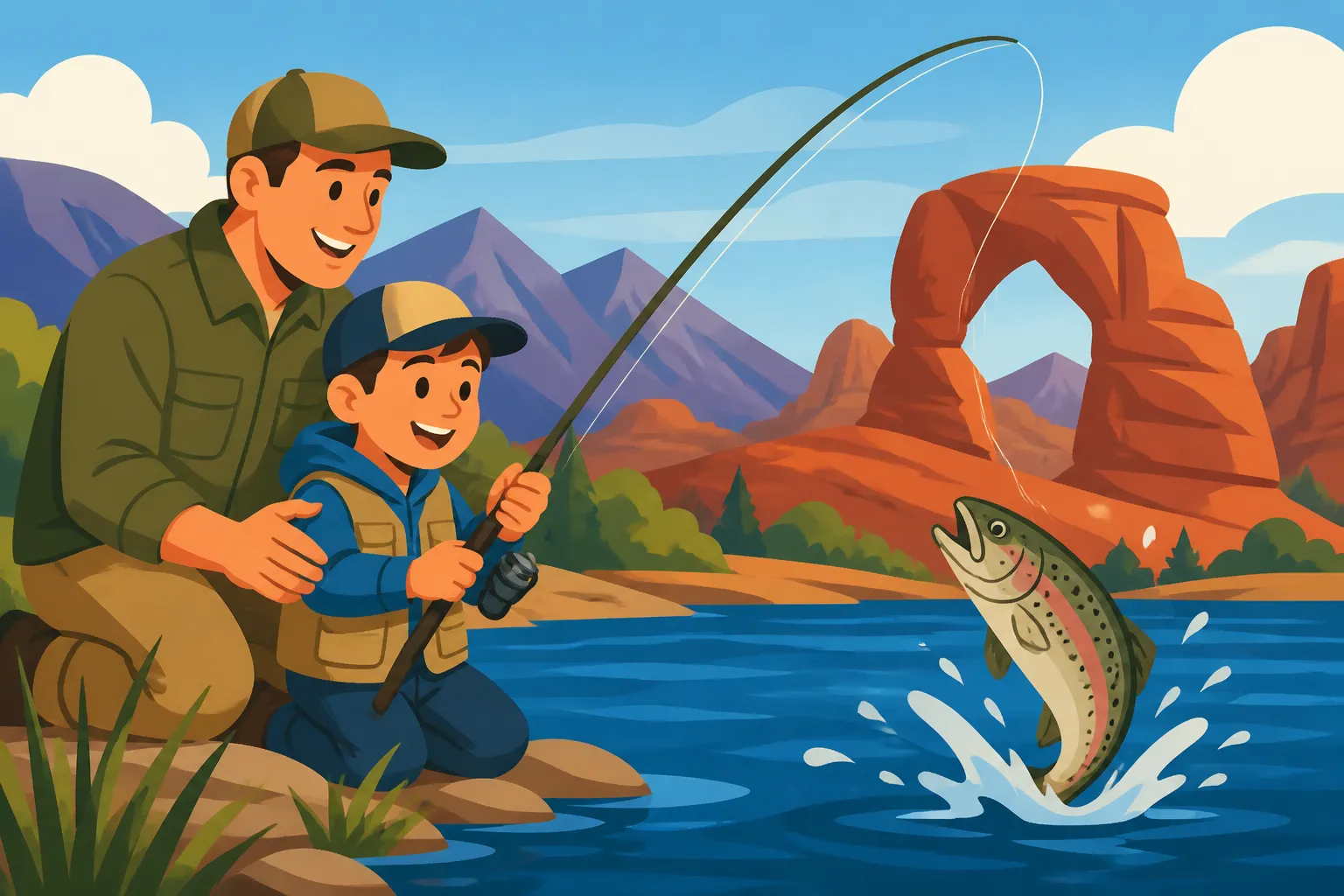
Once you're fishing, guide them through the steps. Show them how to put a worm on the hook (if they're brave enough!), how to push the button on the reel, and the motion of casting. Small hands might struggle with knots initially, but teaching them a simple knot, like an overhand knot to secure a hook, can be a great starting point. Our guide on How to Tie a Basic Fishing Knot for Trout Fishing can provide you with easy, step-by-step instructions that even older kids can follow. If they catch a fish, let them help reel it in (with your assistance, of course), and then teach them how to gently hold it for a quick photo before release. These hands-on experiences build confidence, teach responsibility, and solidify the connection between their actions and the outcome, making the whole experience far more engaging than just being a spectator.
Understanding Utah's Rules and Ethics for Young Anglers
Teaching kids to fish isn't just about rods and reels; it's about instilling a deep respect for nature, wildlife, and the regulations that protect our precious resources. Learning the rules early on helps them become responsible and ethical anglers for life.
Fishing Licenses and Regulations
This is often one of the first questions parents have: Does my child need a fishing license in Utah? It's a valid concern, and thankfully, Utah has very clear guidelines. Generally, kids under a certain age do not need a fishing license. This is fantastic because it removes one barrier to entry for young, aspiring anglers. However, once they reach a specific age, they will need a license, and there are different categories, such as youth licenses, for those ages 12-13 and 14-17. It's crucial to check the current Utah Fishing Regulations Explained or the official DWR website for the most up-to-date age requirements and costs before you go.
Beyond licenses, it's vital to teach them about daily bag and possession limits. Explain that these rules are in place to ensure healthy fish populations for everyone to enjoy, now and in the future. For instance, if the limit for rainbow trout is four, teach them to count their fish and understand why you stop fishing for that species once you've reached your limit. If you're on a catch-and-release water, explain why those fish must go back unharmed. Our detailed guide on Utah Fishing License Age Requirements can clarify exactly when your child will need their own license, and you can delve into specific catch guidelines with our article on Utah Daily Bag and Possession Limits. These aren't just arbitrary rules; they're the foundation of sustainable fishing.
Respecting the Environment and Other Anglers
Fishing is a wonderful way to connect with nature, and it's our responsibility to teach the next generation how to be good stewards of the environment. From their very first trip, instill the "Leave No Trace" principle: whatever you pack in, you pack out. This means no litter, no discarded fishing line (which can be deadly for wildlife), and no leaving behind bait containers or food wrappers. Show them how to properly dispose of trash and explain why it's important to keep our lakes, rivers, and streams clean.
In addition to environmental ethics, teach them proper angler etiquette. Explain that fishing spots are often shared spaces. This means being mindful of noise levels, especially if other anglers are nearby, and giving people enough space to cast without tangling lines. Teach them to observe their surroundings and be respectful of others' experiences. If you catch a fish and plan to release it, show them How to Release a Fish Without Hurting It in Utah, emphasizing gentle handling and getting the fish back into the water quickly. These lessons go far beyond fishing; they teach kindness, respect, and responsibility, valuable traits for any young person. By setting a good example and patiently explaining these concepts, you're not just creating a future angler, you're raising a conscientious citizen of the outdoors.
Disclaimer
This article is for general informational purposes only and does not constitute professional advice. Laws, prices and regulations vary by location and change over time. Consult a qualified professional for guidance on your specific situation.