How to Rig a Jigging Rap for Cisco at Bear Lake
Fishing for Bonneville Cisco at Bear Lake can be an incredibly unique and sometimes frustrating experience. These small, silvery fish gather in massive schools, particularly during their winter spawning run, but getting them to bite a conventional lure can feel like trying to convince a teenager to clean their room – nearly impossible! Anglers often struggle with the sheer volume of fish under the ice, yet somehow come up empty-handed when using standard techniques. This guide is here to demystify the process, walking you through exactly how to rig and effectively fish a Jigging Rap for cisco at Bear Lake, so you can join in on the legendary "cisco run" with confidence.
Understanding the Bonneville Cisco and Bear Lake's Unique Fishery
Before we even talk about rigging, it’s vital to understand the target species and its home. The Bonneville Cisco is a truly special fish, found predominantly in the deep, cold, and pristine waters of Bear Lake. Knowing a bit about their behavior and environment will give you a significant advantage.
Why Cisco Are Unique to Bear Lake
The Bonneville Cisco, often simply called cisco by locals, is a species of whitefish that is actually endemic to Bear Lake. That means you won't find them naturally reproducing anywhere else in the world! This makes them a fascinating and unique fish to target. They thrive in the lake's deep, clear, and cold waters, forming large schools that primarily feed on zooplankton. Their small mouths and schooling behavior are key factors in how we approach rigging and fishing for them. They're not aggressive predators in the typical sense, which is why conventional lure presentations often don't work as expected. Learning about the What the Bonneville Cisco Is is a great way to deepen your understanding of this unique species.
Historically, the cisco population has been incredibly important to the Bear Lake ecosystem and local culture. The lake, straddling the Utah-Idaho border, provides the perfect habitat for these fish, which are a crucial food source for the larger, more sought-after game fish like the Bear Lake Cutthroat Trout and Lake Trout (Mackinaw). They are a critical part of the food web, and their health is a good indicator of the overall health of the lake.
The Annual Cisco Run Phenomenon
The most famous time to target cisco is during their annual spawning run, typically in mid-January, though exact dates can shift slightly based on ice conditions and weather. During this period, millions of cisco move from the deeper parts of the lake into the shallows, often concentrating near shorelines, especially at places like Cisco Beach and Rainbow Cove. This is when the ice fishing truly comes alive! The sheer numbers of fish are astounding, creating a spectacle that draws thousands of anglers to the lake. Many people come specifically for the Where to Fish for Cisco During Bear Lake's January Run, making it an annual pilgrimage.
During the run, the cisco are less interested in actively feeding and more focused on spawning. This behavior changes how they interact with lures. While traditional jigging for a bite can be challenging, the dense schools make them susceptible to a method often referred to as "snagging" or "foul hooking," which is legally permitted for cisco at Bear Lake during the specific spawning season. The objective isn't always to entice a bite, but to skillfully sweep a weighted lure through the school to hook a fish. Understanding the nuances of Utah Snagging Rules for Cisco at Bear Lake and Is Foul Hooking Legal During the Bear Lake Cisco Run? is crucial to ensure you're fishing legally and ethically during this unique event. Keep in mind that while the cisco run is primarily an ice fishing event, you can still catch them outside of this window, though it requires more finesse.
Essential Gear for Jigging Rap Success
Having the right equipment is paramount for jigging raps, especially when targeting the elusive Bonneville Cisco. It's not just about the lure itself, but how it integrates with your entire setup.
Rod, Reel, and Line Selection
When it comes to ice fishing for cisco with a jigging rap, you need a setup that offers sensitivity and control, without being overly heavy.
- Rod: A sensitive, ultralight to light action ice fishing rod, typically 24 to 30 inches long, is ideal. The short length allows for precise jigging motions in a small ice fishing shelter or hole. Look for a rod with a fast or extra-fast tip that can transmit even the slightest tap from a cisco. Many anglers prefer rods specifically designed for panfish or small trout, as these often have the perfect action. Brands like Fenwick, St. Croix, or even some of the more affordable options you can find on Amazon, offer excellent choices.
- Reel: A small, lightweight spinning reel (500 or 1000 size) balances well with an ultralight rod. Smooth drag is more important than massive line capacity here. You won't be fighting large, powerful fish, but a smooth retrieve will prevent line twist and improve the feel.
- Line: This is a crucial element. Because cisco are small and their bites can be incredibly subtle, low-visibility and low-stretch line is key.
- Main Line: 2 to 4 lb test monofilament or fluorocarbon is generally preferred. Monofilament offers a bit more stretch, which can act as a shock absorber, while fluorocarbon is nearly invisible underwater and has less stretch, providing better sensitivity.
- Leader: Many experienced cisco anglers forgo a leader for simplicity, but if you're concerned about line visibility in Bear Lake's clear water, a short (12-18 inch) section of 2 lb fluorocarbon leader can be effective. Tie it to your main line with a small barrel swivel or an Albright knot.
- Knot for Lure: Always use a loop knot (like a Rapala knot or Non-Slip Mono Loop) to attach your jigging rap. This allows the lure to swing and dart freely, maximizing its action. Avoid tying directly with a snug knot, as this can inhibit the lure's movement, which is its primary appeal.
Choosing the right line is often debated, but the general consensus leans towards thinner, more sensitive lines. This allows you to feel the jigging rap's action and detect those faint bumps that signify a cisco.
Jigging Rap Selection and Modifications
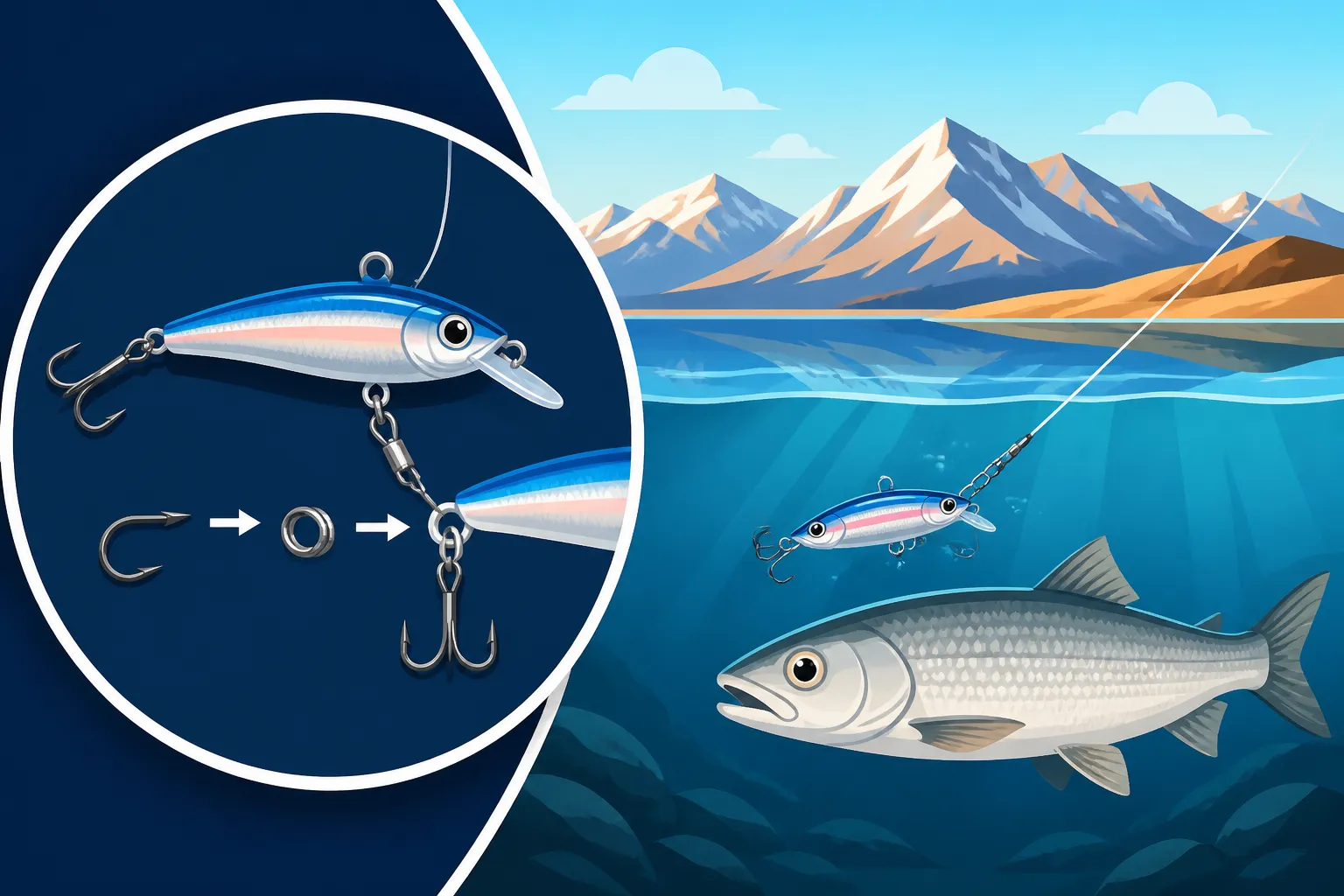
The Jigging Rap, originally designed by Rapala for ice fishing, is a flat-bodied, minnow-shaped lure with a single treble hook on the belly and single hooks on the nose and tail. Its unique design allows it to dart and glide in a circular motion when jigged, imitating a dying baitfish.
- Size: For Bonneville Cisco, smaller is almost always better. The most popular sizes are the W3 (1.5 inches, 1/8 oz) and W5 (2 inches, 1/4 oz). Some anglers might go up to a W7 (2.75 inches, 1/2 oz) if the fish are larger or conditions are windy and require a heavier lure to get down faster, but the smaller sizes are typically more effective for the cisco's small mouth and less aggressive nature. You can find a good selection of these sizes on Amazon, making it easy to stock up before your trip.
- Color: Natural baitfish patterns are a great starting point. Silver, bluegill, perch, and shad are always popular. However, don't shy away from brighter, more aggressive colors, especially those with glow-in-the-dark properties. Often, on a dark winter day under the ice, a little flash or glow can make all the difference. Many anglers will "charge" their glow lures with an ultraviolet flashlight before dropping them down the hole.
- Modifications: This is where the "rigging" gets a bit more involved beyond just tying it on.
- Removing the Treble Hook: Many anglers remove the factory treble hook from the belly and replace it with a smaller, sharper single hook, or even a tiny spoon-fly. This modification is thought to improve the "hook-up" ratio, as the cisco's small mouth might have trouble engulfing a larger treble.
- Adding Attractants: Some anglers will tip the single hooks with a tiny piece of wax worm, mealworm, or a small plastic grub tail (often referred to as a "maggot imitation"). This adds a bit of scent and visual appeal, which can be the subtle enticement needed for a cisco that isn't actively biting.
- Glow Tape/Paint: For non-glow lures, adding a small piece of glow tape to the bottom of the jigging rap or painting a glow dot on it can significantly increase its visibility in the low-light conditions under the ice.
Here’s a quick overview of Jigging Rap sizes for cisco:
| Jigging Rap Size | Length (inches) | Weight (ounces) | Recommended Use for Cisco |
|---|---|---|---|
| W3 | 1.5 | 1/8 | Most common, ideal for subtle bites and shallower depths |
| W5 | 2 | 1/4 | Good all-around, slightly faster drop, can handle wind |
| W7 | 2.75 | 1/2 | For deeper water, strong currents, or very windy days |
Mastering the Jigging Rap Technique
Once your jigging rap is perfectly rigged, the next step is to master the presentation. It’s not just about dropping it down the hole; it’s about making that lure dance in a way that appeals to the cisco.
Finding the Right Depth and Presentation
Cisco are pelagic, meaning they often suspend in the water column rather than hugging the bottom. This makes finding their preferred depth absolutely critical.
- Using a Fish Finder (Sonar): A quality fish finder or flasher is almost non-negotiable for cisco fishing. Devices like those from Humminbird or Garmin (many available on Amazon) allow you to see your lure and the fish in real-time. You'll often see large schools of cisco as "clouds" or dense marks on your screen. Drop your jigging rap to the top of, or slightly above, these schools. Don't be afraid to experiment with different depths; sometimes they'll be near the surface, other times 30-50 feet down in 100 feet of water. This technology is a game-changer for Utah Ice Fishing Guide.
- "Calling Them In": If you don't see fish on your sonar, start by dropping your lure all the way to the bottom and then slowly reeling it up in 5-foot increments, pausing at each depth, watching your sonar for any fish that might rise to investigate. Sometimes a more aggressive initial jigging motion can "call in" fish from a distance.
- Ice Thickness and Conditions: Always prioritize safety. Before heading out, ensure you know How to Check Ice Thickness Safely Before Ice Fishing. Bear Lake is a large body of water, and ice conditions can vary widely, even in the dead of winter. The cisco run usually happens when the ice is solid, but vigilance is always necessary.
Remember, the goal is often to intersect the dense schools during the spawn. This means being in the right place at the right time. Researching specific access points at Cisco Beach vs Rainbow Cove at Bear Lake can give you an edge.
The Jigging Action
This is the art form of jigging raps for cisco. It's a subtle yet effective technique that often deviates from how you might fish other species.
- The "Sweep and Drop": The most common and effective technique involves a long, slow upward sweep of your rod, followed by a controlled drop. As the lure falls, it will dart and circle, imitating a confused or injured baitfish. Watch your line and rod tip closely during the drop, as many cisco strikes occur on the fall.
- Short Snaps and Pauses: Alternate your long sweeps with shorter, sharper snaps of the rod tip, followed by pauses. During the pauses, keep your rod perfectly still, allowing the jigging rap to "dead stick" for a few seconds. This can often trigger hesitant fish.
- Rhythm and Experimentation: The key is to find a rhythm that works. Some days, aggressive, erratic movements are best; other days, a slow, methodical retrieve with long pauses is the ticket. Don't be afraid to experiment until you find what the fish are responding to. If you see fish on your sonar but they aren't committing, try changing your jigging cadence.
- The "Snagging" Motion (During Cisco Run): As mentioned, during the dense spawning run, a different approach often comes into play. Anglers will drop their jigging rap into the school and use strong, upward sweeps or short, powerful snaps to "snag" fish. The design of the jigging rap, with its exposed hooks, lends itself to this. This isn't traditional "biting" fishing, but a unique, legal method for the cisco run. Make sure you understand Utah Snagging Rules for Cisco at Bear Lake before attempting this, as it's highly specific to this species and season. If you're using traditional jigging methods and not getting bites, a small piece of shrimp or a tiny jig tipped with a maggot (often mentioned in Best Bait Works During the Bear Lake Cisco Run) can sometimes make a difference.
You can often use multiple rods when ice fishing in Utah. Make sure you check the regulations on How Many Ice Fishing Rods Can You Use at Once in Utah? to stay within legal limits. This can allow you to experiment with different depths or jigging actions simultaneously.
Tips for Maximizing Your Cisco Harvest
Beyond the rigging and technique, a few additional considerations can make your cisco fishing trip even more successful and enjoyable.
Reading the Ice and Weather Conditions
Bear Lake is known for its beautiful, but sometimes harsh, winter conditions. Being prepared for the elements is not just about comfort, but safety.
- Ice Safety: Always assess ice thickness and quality. Early season and late season ice can be unpredictable. Pay attention to local reports and always drill test holes as you venture out. A good spud bar or ice auger is essential. Consider the different types and sizes of augers, perhaps referencing Best Ice Auger Size for Utah Ice Fishing to choose the right one for Bear Lake's thick ice.
- Wind and Cold: Bear Lake can be incredibly windy, which makes for brutal wind chills. Dress in layers, wear proper insulated boots, and consider using an ice fishing shelter. A portable shelter not only blocks the wind but also makes it easier to see your line and detect subtle bites in the dark. Keeping warm helps you focus and stay out longer, increasing your chances of success.
- Weather Impact: While cisco fishing is primarily dictated by their spawning run, extreme weather, like heavy snow or sudden temperature drops, can impact their behavior and make access to the lake challenging. Always check the forecast and road conditions before heading out.
Remember that while the cisco run is a huge draw, the lake remains open for fishing throughout the winter. You might find less crowded conditions and still be able to target cisco (and other species) with less pressure outside of the peak run.
Proper Fish Handling and Storage
Once you've successfully brought a cisco through the ice, proper handling and storage are crucial, especially if you plan to keep them. Cisco are excellent for smoking, pickling, or even eating fresh, but their delicate flesh requires care.
- Quick Handling: These are small fish. Handle them gently if you plan to release them (though during the spawning run, mandatory harvest often applies to cisco, so check current regulations). If keeping, dispatch them quickly and humanely.
- Keeping Them Cold: Fish spoils quickly, even in cold weather. Have a cooler with ice (or snow, given the season) ready to immediately place your catch. This helps maintain their quality. Don't let them sit exposed to the elements or in a bucket of water for too long. If you're having a banner day, you'll need a system to manage your catch, much like thinking about How to Store Fish on a Hot Day in Utah, but adapted for freezing temperatures. Keeping them in an insulated cooler in the elements, rather than directly on the ice, can prevent them from freezing solid and making cleaning difficult later.
- Cleaning: Cisco have small scales that are relatively easy to remove. Many anglers find the fastest way to clean a large number of cisco is to simply fillet them or gut them and remove the head. Their flesh is mild and flaky.
The opportunity to target Bonneville Cisco at Bear Lake is a truly unique Utah fishing experience. By understanding the fish, rigging your jigging rap correctly, mastering the jigging action, and staying prepared for the conditions, you'll be well on your way to a successful and memorable day on the ice.
Disclaimer
Fishing regulations, including those for cisco at Bear Lake, can change. Always consult the latest Utah Fishing Guidebook issued by the Utah Division of Wildlife Resources (UDWR) before heading out to ensure you are aware of current rules, bag limits, and any special provisions.