What Walleye Eat in Utah Lake
It's a question every passionate angler targeting Utah Lake walleye eventually asks: "What exactly are these elusive, toothy predators eating?" You've put in the time, you've tried different spots, maybe even endured some frustratingly slow days, and you know that cracking the code of their diet is often the key to unlocking consistent success. It’s not just about throwing a lure out there; it's about understanding what makes a walleye decide to strike, and that starts with what they naturally munch on in the sprawling waters of Utah Lake. This guide is going to break down their dietary habits, season by season, and give you a better shot at filling your cooler.
The Walleye's Natural Buffet: Primary Food Sources in Utah Lake
Walleye are opportunistic predators, and in a diverse ecosystem like Utah Lake, they have a pretty varied menu. They're not picky eaters when they're hungry, but they definitely have preferences, and those preferences are heavily influenced by what's readily available and easy to catch. Understanding this foundational aspect of their behavior is like getting a sneak peek at their grocery list before you ever tie on a hook.
A Feast of Forage Fish: The Mainstays of Their Diet
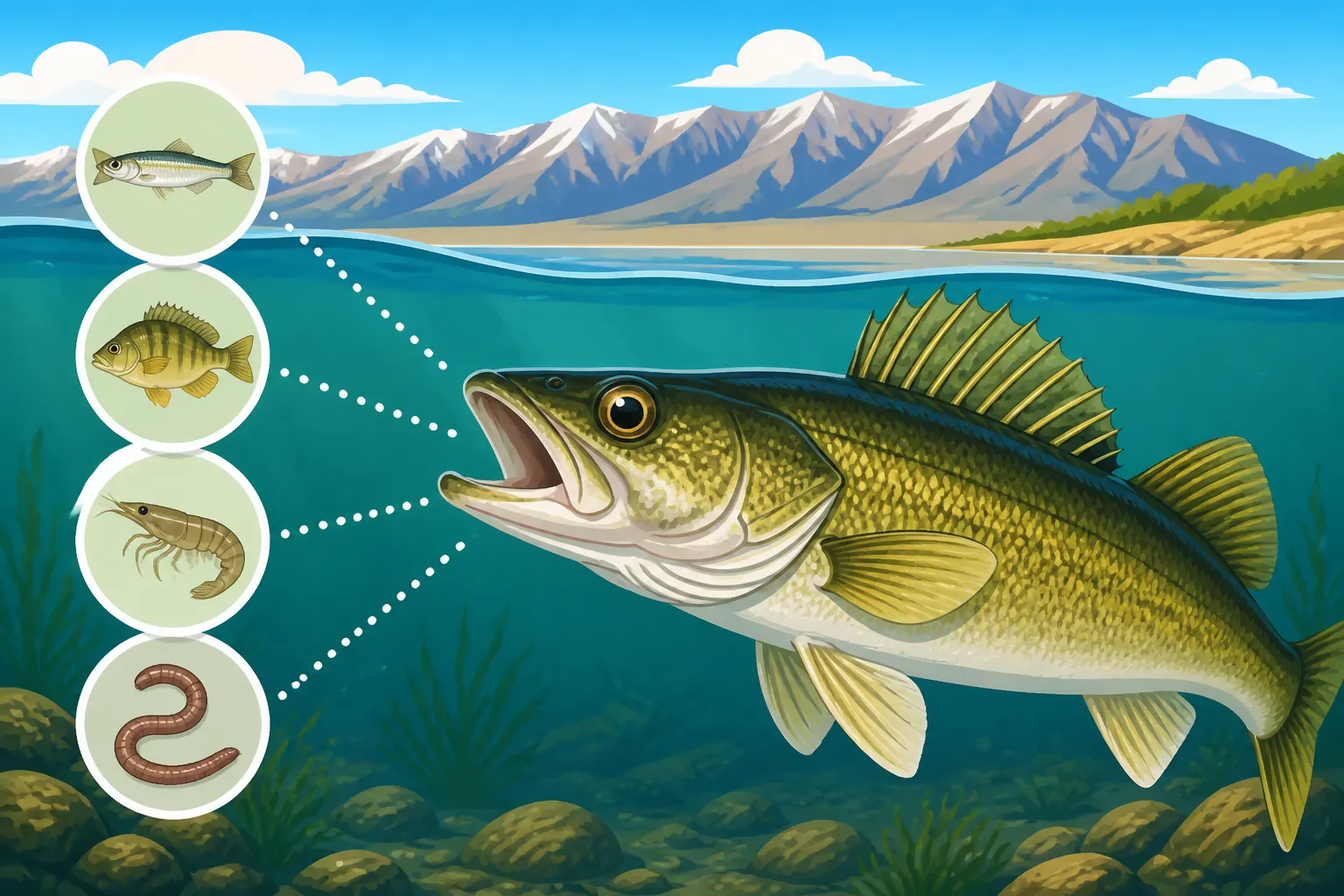
If you were to ask any seasoned walleye angler what these fish eat most often, the answer would almost always revolve around smaller fish. In Utah Lake, this holds true, though the specific species might surprise you. Walleye thrive on an abundance of forage fish, which act as the primary calorie source for their growth and survival.
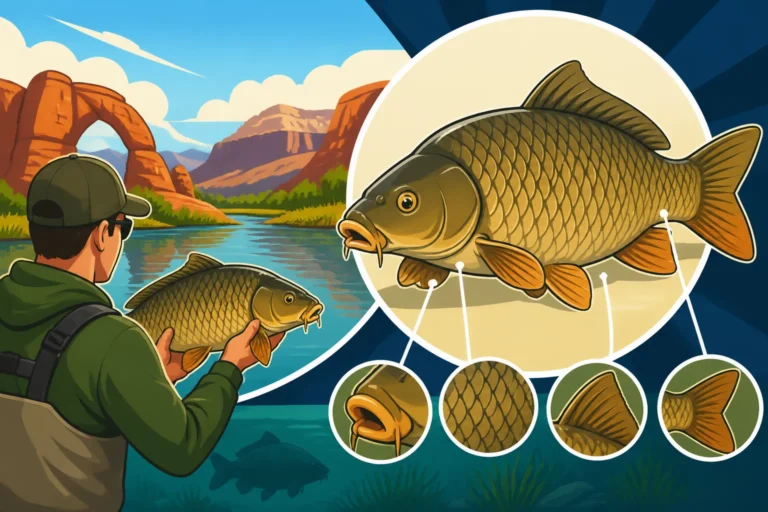
One of the most common items on a walleye's plate in Utah Lake is surprisingly, the young of the common carp. While adult carp are large and often avoided by walleye, the sheer numbers of juvenile carp provide an easily accessible and highly nutritious food source. Imagine a walleye, lean and hungry after the spawn, patrolling a shallow weed line. A school of fingerling carp, perhaps only a few inches long, innocently makes its way past, and with a swift, predatory lunge, the walleye has its meal. These small, soft-rayed fish are easy to digest and are present in vast quantities, making them a cornerstone of the walleye diet. This is a critical factor when considering the overall Utah Lake Walleye Population.
Beyond carp, various minnow species also contribute significantly. While not as dominant in numbers as carp, they offer a consistent food source throughout the lake. Juvenile suckers, another common fish in Utah Lake, also fall prey to hungry walleye, especially during their younger, more vulnerable stages. Walleye are ambush predators, often lurking in areas where these baitfish congregate, such as near submerged structures, drop-offs, or along weed edges. Their keen eyesight, especially in low light conditions, gives them a distinct advantage in tracking and capturing these smaller fish.
Beyond the Minnows: Invertebrates and Other Opportunistic Meals
While fish are undoubtedly the primary focus for adult walleye, it's a mistake to think they are exclusively piscivorous. Especially for smaller walleye or during times when fish prey might be less abundant, the walleye's diet can expand to include a variety of invertebrates. This adaptability is part of what makes them such a resilient and successful species in a dynamic environment like Utah Lake.
Think about the abundant crayfish populations in Utah Lake. These crustaceans are a protein-packed meal, and walleye are certainly not above rooting around for them in rocky or gravelly areas. I've personally seen walleye caught with crayfish claws poking out of their throats, a testament to how much they relish these crunchy treats. During certain times of the year, particularly when crayfish are molting and their shells are soft, they become even more appealing and easier for a walleye to consume. You might not always associate a walleye with bottom-feeding, but they are absolutely capable of it when a good meal presents itself.
Other invertebrates, such as various insect larvae and nymphs, can also form part of their diet. While probably less significant for a trophy walleye, smaller fish, or those in areas with less baitfish, will certainly pick off aquatic insects. Even leeches, though perhaps not the most appetizing meal to us, offer an easy, calorie-dense snack for a walleye. In a pinch, they might even take on small salamanders or frogs that venture too close to their ambush points. It's a reminder that walleye are true survivors and will capitalize on any available food source to sustain themselves.
Seasonal Dietary Shifts: Adapting to Utah Lake's Changing Landscape
Just like our own eating habits change with the seasons (who doesn't crave comfort food in winter?), a walleye's diet isn't static. It shifts dramatically throughout the year, influenced by water temperature, spawning cycles, and the availability of different prey species. Understanding these seasonal nuances is where true walleye angling wisdom comes into play, allowing you to "match the hatch" of what they're actually looking for.
Spring Fling: Post-Spawn Hunger and Emerging Prey
Spring in Utah Lake is a time of renewal, and for walleye, it's also a time of intense hunger after the strenuous spawning period. They've expended a tremendous amount of energy, and their metabolism is kicking into high gear as the water temperatures slowly begin to rise. This creates a prime opportunity for anglers who understand their post-spawn dietary needs.
Immediately after spawning, walleye are often found in shallower, warmer waters, frequently near their spawning grounds. They're not necessarily chasing down the fastest or largest prey; they're looking for readily available, easy meals to quickly replenish their energy stores. This often means focusing on newly hatched fry of various species, which are abundant and vulnerable during this time. Think of it as a smorgasbord of tiny, protein-rich snacks. They're also still targeting those smaller minnow species and will readily take advantage of any emerging aquatic insect larvae or crayfish that are active in the warming shallows. Anglers often find success during this period using smaller lures or live bait presentations that mimic these less active, easily consumed food sources. If you're wondering How to Catch Walleye at Utah Lake in Spring, focusing on these easy meals is key.
Summer Sustenance: Deeper Waters and Abundant Forage
As Utah Lake warms up significantly during the summer months, walleye generally retreat to deeper, cooler waters where oxygen levels are stable and temperatures are more comfortable for them. This shift in habitat also brings a corresponding change in their diet. The smaller, newly hatched fry of spring have now grown into more substantial baitfish, and the walleye's focus shifts to these larger, more energy-dense meals.
During summer, walleye are actively chasing and consuming more mature forage fish, such as larger juvenile carp, various minnow species, and suckers that have grown considerably since spring. They become more aggressive in their hunting, often targeting schools of baitfish suspended in the water column or relating to deep structure like humps, points, and channel edges. Their metabolism is at its peak, requiring a steady intake of calories. This is when you'll often find them gorging on large quantities of baitfish. Knowing this helps you present lures that mimic larger, healthier baitfish, often with faster retrieves to trigger their predatory instincts.
Autumn Accumulation: Fattening Up for Winter
Few times of year compare to the fall for aggressive walleye feeding. As the days shorten and the water temperatures begin to drop, walleye enter a pre-winter feeding frenzy. They know that colder temperatures mean a slower metabolism and scarcer food, so they need to pack on the pounds while the going is good. This is a fantastic time for anglers, as walleye are often less finicky and more willing to strike.
During autumn, walleye are actively seeking out large schools of baitfish. They will aggressively pursue and consume mature carp, sizable minnows, and suckers. Their focus is on high-calorie meals that can quickly build up their fat reserves for the lean winter months. They can often be found chasing baitfish in areas where they've moved from deeper summer haunts to slightly shallower feeding flats, or along prominent structural features. Presentation can often be more aggressive, with larger crankbaits or faster jigging techniques eliciting strong strikes. This period of intense feeding makes understanding the Walleye Size in Utah Lake potential even more exciting.
Winter Wonderland: Slow Metabolism and Sparse Meals
When Utah Lake freezes over, and the landscape transforms into a winter wonderland, the walleye's world slows down considerably. Their metabolism drops significantly due to the cold water, and while they still need to eat, their feeding windows become shorter and their strikes often much more subtle. Ice fishing for walleye requires patience and an understanding of their reduced activity levels.
Under the ice, walleye are still opportunistic predators, but they are looking for easy meals that require minimal energy to catch. They'll often feed on smaller, slower-moving baitfish that they can ambush without expending too much effort. Juvenile perch, if present, or small minnows, become prime targets. Invertebrates like bloodworms or smaller crayfish might also entice a strike. Anglers targeting walleye through the ice often use smaller jigs, dead sticks with live bait, or slow-moving presentations that appeal to a lethargic fish. The key is to present something enticing that doesn't require the walleye to work hard for its meal. It's a game of finesse and patience, a stark contrast to the aggressive bites of autumn.
Mimicking the Menu: Angler Strategies Based on Walleye Diet
Understanding what walleye eat is only half the battle; the other half is translating that knowledge into successful fishing strategies. When you know their typical diet, you can select lures and baits that effectively imitate those food sources, increasing your chances of getting a strike. It's all about making your offering look as much like their natural food as possible, or at least triggering that predatory instinct.
Lure Selection: Matching the Baitfish Profile
For many walleye anglers, hard baits are a go-to, and for good reason: they're designed to mimic the walleye's primary forage. When you're fishing Utah Lake, you'll want to think about the size, shape, and color of the carp and minnows that make up the bulk of their diet.
Crankbaits are fantastic for imitating larger baitfish like juvenile carp or suckers. Look for crankbaits with a profile similar to these fish – perhaps a bit deeper-bodied, in natural colors like silver, gold, or even subtle greens and browns that mimic the hues of a carp. The action of the crankbait, whether it's a tight wobble or a wider swimming motion, should also resemble a swimming baitfish. Trolling crankbaits can be incredibly effective, especially when walleye are spread out or suspended. Think about the depth you're trying to reach; a shallow-diving crankbait won't cut it if the walleye are holding in 20 feet of water. You'll need deep-diving models to get down to where the fish are feeding.
Jerkbaits are another excellent choice, particularly when walleye are actively chasing baitfish. Their erratic, darting action perfectly imitates a wounded or fleeing minnow, a siren call to any hungry walleye. Vary your retrieve, incorporating pauses and twitches, to make the lure come alive. For both crankbaits and jerkbaits, consider sizes that range from 3-6 inches, which would be a realistic size for many of the baitfish in Utah Lake. You can find an incredible variety of these specialized crankbaits and jerkbaits on Amazon, often with detailed reviews from other walleye anglers, making it easy to research and stock up for your next trip.
Soft Plastics and Jigs: Replicating Invertebrates and Sickly Bait
Sometimes, walleye aren't in an aggressive chasing mood, or their diet might be leaning more towards bottom-dwelling invertebrates. This is where soft plastics and jigs shine, offering a versatile way to present a more subtle or even a "wounded" offering.
Soft plastics come in an enormous array of shapes and sizes. Grubs, paddle-tail swimbaits, and creature baits can effectively imitate crayfish, leeches, or even slow-moving, vulnerable baitfish. For crayfish imitation, look for soft plastics in browns, greens, or oranges, with appendages that flutter on the retrieve. Rigged on a jig head, these can be hopped, dragged, or slowly reeled along the bottom, mimicking a crayfish scuttling through the rocks. When you want to imitate a sick or struggling baitfish, a soft plastic swimbait on a light jig head, slowly reeled or vertically jigged, can be incredibly effective. The subtle action and soft texture are often enough to tempt a hesitant walleye.
Jigging in general is a fantastic technique, whether with soft plastics or dressed jigs. The up-and-down motion can mimic a dying baitfish or an invertebrate trying to escape. Varying the weight of your jig head is crucial to match the depth and current, ensuring your bait stays in the strike zone. Stocking up on different soft plastic shapes and colors is easy through retailers like Amazon, ensuring you have options for varying walleye preferences and water conditions. For insights into night fishing, check out What Lures Work Best for Utah Lake Walleye After Dark?, as soft plastics often play a big role.
Live Bait and Cut Bait: The Real Deal
Sometimes, no matter how realistic your artificial lure, nothing beats the real thing. Live bait and cut bait remain incredibly effective for walleye, especially when they are finicky or when you're trying to tempt larger, more cautious fish. It's the ultimate mimicry because it is the actual meal.
Live minnows are arguably the most classic and consistently effective walleye bait. They provide natural scent, movement, and a profile that walleye recognize instinctively. Hooked through the lips or dorsal fin and presented under a bobber, on a slip sinker rig, or even trolled slowly, a live minnow is often irresistible. The key is to keep your minnows lively and healthy, as a struggling or dead minnow often loses its appeal. Always check current regulations regarding the use of live baitfish, as rules can vary.
Worms, particularly nightcrawlers, are another great option. While walleye are not typically thought of as worm-eaters, they are opportunistic, and a wriggling nightcrawler presented on a bottom rig or under a bobber can often draw a strike, especially in murkier water where scent plays a larger role. Cut bait, usually strips of fish (like a piece of a perch or a carp), also offers a potent scent trail that can draw walleye in from a distance. These can be particularly effective on a slow retrieve or when still-fishing. Using live or cut bait taps directly into the walleye's natural diet, offering a high-percentage presentation when other methods fall short.
Reading the Water: Beyond Just What They Eat
Knowing what walleye eat helps you choose the right bait, but knowing where they eat helps you find them in the vastness of Utah Lake. Walleye are ambush predators, and they'll position themselves in areas where they can efficiently intercept their prey. This means understanding the relationship between walleye, their food, and the lake's structure.
Look for areas with good structure: rock piles, submerged humps, points extending into the lake, and even transition zones between different bottom types. These areas provide cover for walleye to hide and ambush, and they also attract baitfish. Weed lines, especially those with healthy green vegetation, are also prime locations, as they offer both cover for predators and food for baitfish. Walleye will often patrol the edges of these weed beds, waiting for an unsuspecting meal to swim by. Understanding the Walleye Identification and Size in Utah also means understanding their preferred habitats.
Depth is another crucial factor. As discussed, walleye will move shallower in spring and fall, and deeper in summer. Your chosen lure or bait must be presented at the depth where the walleye are actively feeding. This often requires experimentation and paying close attention to your fish finder. Finally, consider factors like current and wind. Wind can stack baitfish against certain shorelines or points, and walleye will often follow. If you're looking for specific locations, our guide on Where to Catch Walleye at Utah Lake can offer a great starting point.
The Broader Impact: How Forage Affects Utah Lake Walleye
The diet of walleye in Utah Lake isn't just a matter of what lure to tie on; it's a fundamental aspect of the lake's ecosystem and directly influences the health, growth, and overall success of the walleye population. A thriving forage base means a thriving walleye fishery, and vice versa.
Walleye Growth and Population Dynamics
The abundance and quality of the food sources available to walleye directly correlate with their growth rates and the overall size structure of the population. When there's plenty of nutritious forage, walleye grow faster, reach larger sizes, and are generally healthier. This leads to more robust fish for anglers and a more stable fishery. A good forage base also supports a higher number of walleye (the Utah Lake Walleye Population), as more fish can be sustained by the available food.
Conversely, if the forage base declines, walleye growth can slow, their numbers might decrease due to lower survival rates, and the average size of fish caught could shrink. This delicate balance highlights the importance of managing the entire ecosystem, not just the target species. The presence of species like common carp, while often seen as a nuisance, actually provides a crucial food source for juvenile walleye, showcasing how different species play interconnected roles in the lake's food web.
Competition and Predator-Prey Relationships
Walleye are not the only predators in Utah Lake vying for food. They compete with other piscivorous fish species, and this competition can also influence their diet. While walleye have a niche, especially in low-light conditions, they're part of a larger predatory community.
Furthermore, the walleye's role as a predator has a significant impact on the populations of their prey species. Their predation helps to control the numbers of various baitfish, potentially preventing overpopulation of certain species that might otherwise compete with other desirable fish or impact water quality. It's a natural balance, where the walleye play a vital role in maintaining the health and dynamics of the Utah Lake ecosystem. Understanding these complex interactions, and how they contribute to the Walleye Size in Utah Lake, adds another layer to the angler's appreciation of this remarkable fish. Many anglers consult detailed fishing guides, often found on Amazon, to deepen their understanding of local fish behavior and ecosystem dynamics. Keeping up with local fishery reports, often shared on online forums or through resources readily available on Amazon, can also help you understand these dynamics.
Walleye Diet and Angler Strategy Summary
Here's a quick overview of what walleye typically eat in Utah Lake and how you can use that knowledge:
| Season | Primary Food Sources | Suggested Lure/Bait Strategies | Key Angler Takeaway |
|---|---|---|---|
| Spring | Newly hatched fry, small minnows, insect larvae, crayfish | Small jigs, crankbaits, live minnows (slow presentations) | Post-spawn hunger, easy meals, often shallower. |
| Summer | Larger juvenile carp, mature minnows, suckers | Deep-diving crankbaits, jigs with soft plastics, live bait | Deeper, cooler water; active chasing; larger baits. |
| Autumn | Large schools of baitfish (carp, minnows, suckers) | Medium to large crankbaits, jerkbaits, large jigs, live bait | Pre-winter feeding frenzy; aggressive strikes. |
| Winter | Small, slow-moving baitfish; small invertebrates | Small jigs, dead sticks with minnows/worms, slow retrieves | Slow metabolism; subtle bites; finesse is key. |
When you're out on the water, remember that even the slightest change in conditions can affect what walleye are looking for. Pay attention to water clarity, temperature, and even the time of day. For instance, sometimes a dramatic event like How to Fish a Utah Reservoir After Turnover can temporarily change their feeding patterns. Being adaptable and having a variety of lure and bait options that mimic different food sources will always put you in the best position for success. And don't forget to familiarize yourself with Utah Daily Bag and Possession Limits before heading out!
Disclaimer
This article is for general informational purposes only and does not constitute professional advice. Laws, prices and regulations vary by location and change over time. Consult a qualified professional for guidance on your specific situation.