Walleye Identification and Size in Utah
It can be incredibly frustrating to be out on the water, reeling in a promising catch, only to wonder if it's the fish you think it is – especially with species that can look quite similar. Anglers often face a real challenge with walleye in Utah, not just in catching them, but in correctly identifying them and knowing what a typical "big one" looks like in our local waters. This guide aims to clear up that confusion, helping you confidently identify walleye and understand the size expectations for this popular game fish across Utah's prime fisheries.
What Exactly Is a Walleye? (And Why Do They Matter in Utah?)
Walleye are a truly sought-after game fish, known for their delectable taste and challenging fight. In Utah, they've carved out a significant niche, offering a unique angling experience that's distinct from our more common trout fisheries. But before we talk about where to find them or how big they get, let's make sure we're all on the same page about what a walleye is. It's not uncommon for new anglers, or even seasoned ones in different states, to confuse them with other species, especially since Utah has a few lookalikes.
Key Physical Characteristics for Identification
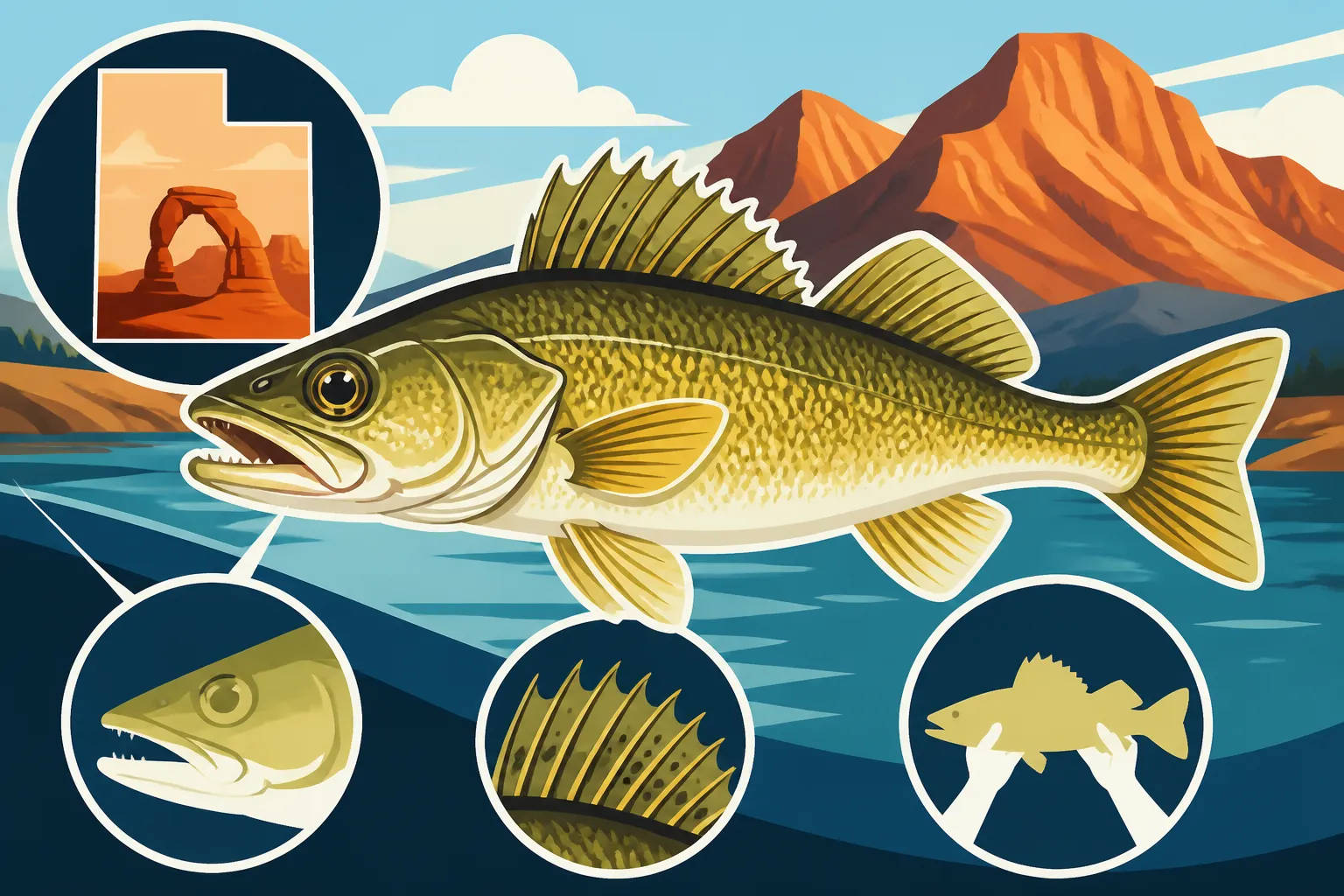
When you pull a walleye out of the water, there are a few tell-tale signs that should immediately confirm your identification. First off, look at those eyes! Walleye are named for their large, cloudy, or "walleyed" eyes, which have a reflective tapetum lucidum layer that helps them see in low light conditions – a huge advantage during dawn, dusk, or even at night. This is often the most distinctive feature.
Beyond their eyes, notice their overall body shape. Walleye have long, slender bodies, often a beautiful olive-green to gold color fading into a white belly. They possess two distinct dorsal fins; the first is spiny and well-separated from the second, which is soft-rayed. A crucial identifying mark is the prominent black spot on the lower lobe of the tail fin. This spot is almost always present and is a fantastic indicator. Their mouths are also full of sharp, needle-like teeth, so be careful when handling them! Their skin can feel somewhat rough due to their ctenoid scales, differing from the smoother feel of some other fish.
Distinguishing Walleye from Similar-Looking Fish in Utah Waters
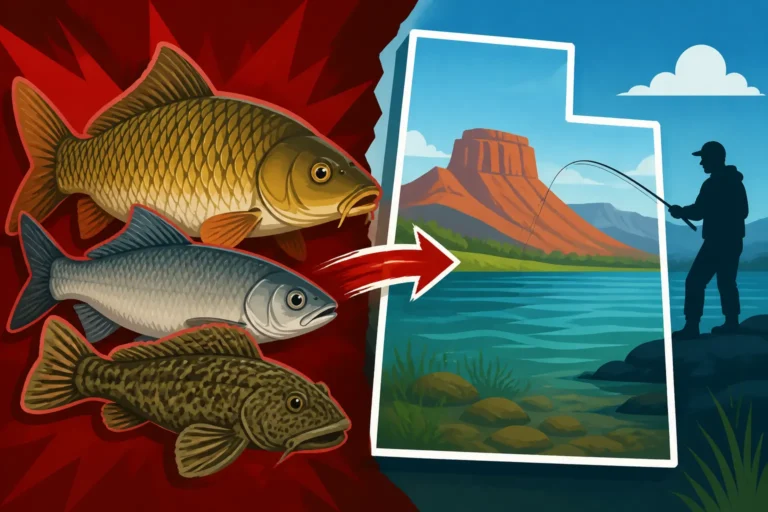
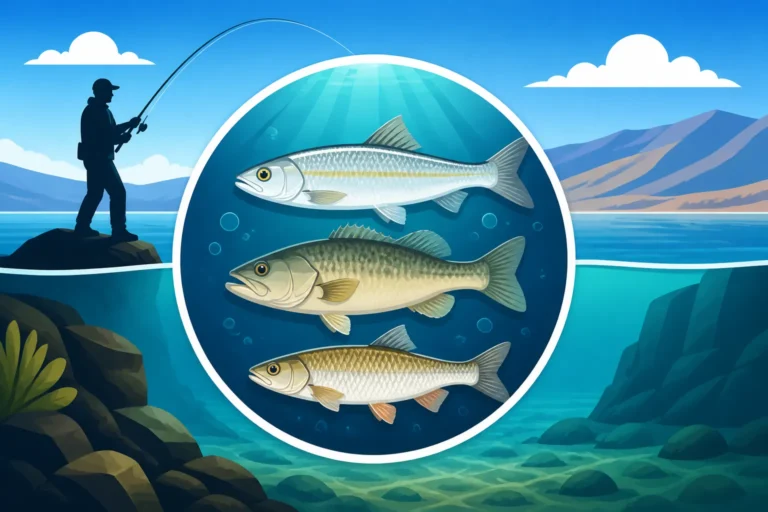
Here in Utah, the primary confusion often arises between walleye, yellow perch, and sometimes even a sauger or northern pike. While all are predatory fish, they have key differences.
Yellow perch are perhaps the most commonly mistaken fish for a walleye, especially smaller ones. Both are members of the perch family and share that two-dorsal-fin characteristic. However, yellow perch are much deeper-bodied, with pronounced vertical stripes or bars on their sides, and lack the distinctive black spot on the walleye's tail fin. Their coloration is also typically more vibrant yellow and green. If you're catching what looks like a small walleye but it's got strong stripes and no tail spot, it's almost certainly a yellow perch.
Sauger, another close relative, are less common in Utah but can be found. They are very similar to walleye in body shape and fin structure, but their dorsal fins are usually covered in distinct spots (where walleye typically have a more uniform spiny dorsal, save for the black spot on the lower caudal fin). Sauger also generally lack the prominent white tip on the lower tail fin lobe that walleye possess. If you're on a body of water known to have both, pay close attention to the dorsal fins and the tail.
Northern pike, while quite different, can sometimes be confused due to their predatory nature and elongated bodies. However, pike have a single, large dorsal fin set far back on their body, close to the tail, and their mouth is much more duckbill-shaped with prominent teeth. Their coloration is also usually more mottled or spotted.
Here's a quick comparison table to help keep things straight:
| Feature | Walleye | Yellow Perch | Northern Pike |
|---|---|---|---|
| Body Shape | Elongated, cylindrical | Deeper-bodied, more compressed | Very long, slender, almost serpentine |
| Coloration | Olive-green to gold, fading to white belly | Golden-yellow with distinct dark vertical bars | Dark green/brown back, lighter belly, bean-shaped spots |
| Eyes | Large, prominent, "walleyed" (milky/cloudy) | Normal, dark, less prominent | Normal, dark |
| Dorsal Fins | Two distinct; spiny front, soft-rayed back | Two distinct; spiny front, soft-rayed back | One dorsal fin, set far back near tail |
| Tail Fin | Prominent black spot on lower lobe | No distinct spot | Forked, often mottled, no distinct spot |
| Mouth | Large, many sharp teeth | Smaller mouth, small teeth | Large, duckbill-shaped, razor-sharp teeth |
| Primary Habitat | Large lakes, reservoirs, turbid water | Lakes, ponds, rivers, usually near cover | Weedy lakes, slow rivers |
Where Walleye Call Home in Utah: Prime Locations
While walleye aren't native to Utah, they've been introduced to several of our larger reservoirs and have thrived, creating fantastic angling opportunities. Knowing their preferred habitat is key to finding these elusive predators. You won't typically find them in high-mountain streams like you would a cutthroat trout; they prefer larger, often warmer, and sometimes more turbid waters.
Primary Walleye Fisheries and Their Habitats
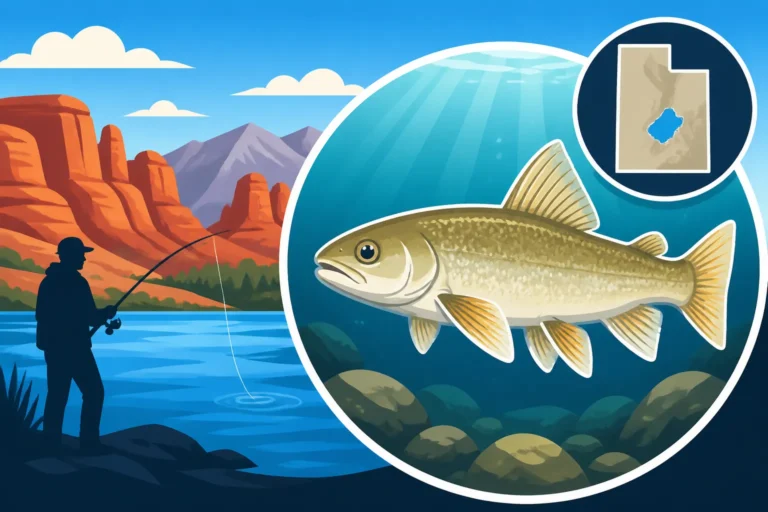
When you talk about walleye in Utah, three main locations immediately come to mind: Utah Lake, Willard Bay, and Deer Creek Reservoir. Each offers a slightly different experience but caters to the walleye's core needs.
Utah Lake: This is arguably Utah's most prominent walleye fishery. Utah Lake is a large, shallow, and naturally turbid freshwater lake, which is exactly the kind of environment walleye love. The lake bottom is generally silty, but it has plenty of structural elements like rocky points, old river channels, and submerged brush piles where walleye can ambush prey. The turbidity provides excellent cover for their light-sensitive eyes, allowing them to hunt effectively throughout the day. Here, you'll find them cruising along drop-offs, near rocky banks, or around the mouths of inflowing rivers like the Provo River, especially during spawning season. Anglers often find success targeting them in these areas, particularly at dawn and dusk. For those interested, you can learn more about What Walleye Eat in Utah Lake, which will give you clues about where they might be lurking.
Willard Bay: Located north of Ogden, Willard Bay is another fantastic walleye destination. This large, freshwater reservoir is separated from the Great Salt Lake by a dike. It's relatively shallow and warms up nicely in the summer, creating ideal conditions for walleye growth. The reservoir features various structures like old roadways, submerged islands, and areas with rip-rap along the causeway, all of which attract walleye. Its expansive open water also allows for excellent trolling opportunities, a popular method for targeting these fish. Anglers often focus on areas with baitfish concentrations, like shad, which are a primary food source for the walleye here. If you're planning a trip, check out Best Fishing Spots at Willard Bay for more localized tips.
Deer Creek Reservoir: Situated near Midway and Heber City, Deer Creek offers a different kind of walleye experience. While it's known more for its trout and smallmouth bass, it holds a healthy population of walleye that can grow quite large. Deer Creek is a deeper, clearer reservoir compared to Utah Lake and Willard Bay, but it still provides ample structure with rocky points, submerged humps, and varying depths. Walleye in Deer Creek often relate to these deeper structures, especially during the brighter parts of the day, moving shallower during low-light periods to feed. The clear water can make them a bit more challenging to catch during the day, often requiring more subtle presentations or targeting them during twilight hours.
The Walleye's Role in Utah's Ecosystem and Angling Scene
Walleye aren't just a fun fish to catch; they play an important role in the ecosystems where they've been introduced in Utah, as well as in the angling economy. When walleye were first introduced, it was often to create a new, diverse fishery and help manage populations of less desirable or overabundant species, like carp or perch, by acting as a top predator. This introduction has diversified the angling opportunities available to Utahns, moving beyond the traditional trout focus.
Their presence supports a vibrant recreational fishery, drawing anglers from across the state and beyond, contributing to local economies through tackle sales, boat rentals, and guide services. The Utah Division of Wildlife Resources (DWR) actively manages walleye populations through stocking programs and regulations like Utah Walleye Harvest Rules to maintain healthy numbers and ensure sustainable fishing for future generations. While they are not native, their integration has provided a unique and cherished part of Utah's fishing landscape. You might find it interesting to delve into Why Walleye Were Introduced to Utah Lake to understand the history behind their presence in these waters.
Understanding Walleye Size in Utah: What to Expect
When you're out chasing walleye, one of the most exciting parts is wondering just how big that next fish will be. Utah's walleye fisheries offer a range of sizes, from smaller "eaters" perfect for the pan to true trophy fish that can test your tackle and your patience. Understanding what's typical can help set realistic expectations and even influence your fishing strategy.
Typical Length and Weight Ranges Across Utah Waters
The size of walleye you encounter in Utah can vary significantly depending on the specific water body, the fish's age, and the abundance of its food source. Generally, most anglers can expect to catch walleye in the 15-to-20-inch range, which are excellent eating size and provide a fun fight. These fish typically weigh between 1.5 to 3 pounds.
However, Utah is also home to some impressive trophy walleye. In prime waters like Utah Lake and Willard Bay, it's not uncommon to land fish over 20 inches, and many anglers specifically target those larger specimens. A walleye pushing 25 to 28 inches is considered a substantial trophy in Utah, and these can easily weigh 5 to 8 pounds. Fish over 30 inches, while less frequent, are certainly out there and represent a true catch of a lifetime, often tipping the scales at 10 pounds or more. The state record for walleye is a testament to the potential for truly massive fish in our waters; you can look up The Utah State Record Walleye to get an idea of just how big they can get! It's important to have a reliable measuring tape and scale, perhaps one purchased conveniently from Amazon, to accurately record your catch for personal bragging rights or for adhering to specific regulations.
Factors Influencing Walleye Size: Food, Habitat, and Age
Several interconnected factors dictate how large a walleye will grow in Utah's reservoirs.
Food Availability: This is perhaps the most critical factor. Walleye are opportunistic predators, and a robust population of baitfish is essential for them to reach large sizes. In places like Utah Lake and Willard Bay, abundant populations of shad, perch, and other smaller fish provide a rich forage base, allowing walleye to grow quickly and sustain large bodies. If the prey base is limited, walleye will grow more slowly and remain smaller. Water fertility also plays a role, as more fertile waters often support more baitfish.
Habitat Quality: A healthy habitat provides not only food but also suitable spawning grounds and refuge from predators or harsh environmental conditions. Reservoirs with diverse underwater structure – rocky reefs, submerged timber, gradual drop-offs, and areas of varying depth – offer walleye plenty of places to hunt, rest, and spawn successfully. Water temperature also matters. Walleye thrive in cooler, but not overly cold, waters. They are more active and feed more vigorously when water temperatures are within their preferred range, which translates to better growth.
Age and Genetics: Like all fish, walleye grow throughout their lives, so older fish generally tend to be larger. However, genetics also play a role; some walleye are simply predisposed to grow larger and faster than others. The DWR's stocking programs often aim to introduce genetically robust fish to enhance the size potential of the populations. Of course, the longer a fish can avoid being caught, or survive environmental challenges, the larger it will get. The growth rate can be quite impressive; for instance, you might be interested in details on Walleye Size in Utah Lake for specific examples of how large they can get in that particular fishery.
Catching and Releasing vs. Keeping Your Walleye
Knowing what a walleye is and how big it can get is only half the battle. The other crucial part of responsible angling is understanding the rules and best practices for handling your catch, whether you plan to release it or take it home for dinner. Utah has specific regulations designed to manage walleye populations, and respecting these is vital for the health of the fishery.
Navigating Utah's Walleye Regulations and Limits
Utah's fishing regulations are designed to ensure sustainable fish populations, and walleye are no exception. These rules can include daily bag limits (how many fish you can keep in a day), possession limits (how many you can have on hand, including those at home), and sometimes even slot limits.
A slot limit is particularly important for species like walleye. It means you can only keep fish that fall within a certain size range, or "slot." For example, a regulation might state that all walleye between 18 and 24 inches must be released, but you can keep fish under 18 inches and perhaps one fish over 24 inches. The purpose of slot limits is usually to protect the breeding-size fish (those in the middle slot) to ensure they can reproduce, while allowing anglers to harvest smaller, more abundant fish and perhaps a trophy-sized fish.
It's absolutely critical to consult the most current Utah Fishing Guidebook published by the DWR before each fishing season, as regulations can change. Ignorance of the law is not an excuse, and violating these rules can lead to significant Utah Fishing License Penalties for Violations. Pay close attention to the specific rules for the body of water you're fishing, as limits can vary from lake to lake. For instance, Utah Walleye Harvest Rules might detail specific length restrictions or daily take limits that differ from a general state-wide guideline. Always know before you go!
Best Practices for Handling Walleye, Regardless of Size
Whether you intend to release your walleye or keep it, proper handling is paramount. These fish are relatively hardy, but rough treatment can quickly lead to stress, injury, or mortality.
For Release:
If you're practicing catch and release, especially for fish within a protected slot limit, speed and gentleness are key.
- Minimize Air Exposure: Walleye need oxygen just like we do. Keep the fish in the water as much as possible. If you must lift it for a quick photo, do so quickly and support its body horizontally to avoid damage to internal organs.
- Wet Hands: Always wet your hands before touching the fish. Dry hands can remove the fish's protective slime coat, leaving it vulnerable to infections.
- Use Pliers: Walleye have sharp teeth! Use needle-nose pliers or a hook remover (many great options are available on Amazon) to extract hooks quickly and cleanly. If the fish is deeply hooked and removing the hook would cause significant damage, it's often better to cut the line as close to the hook as possible; hooks will often rust out or be shed by the fish over time.
- Revive Properly: If the fish seems sluggish after being caught, gently hold it in the water, facing into any current, until it regains strength and swims away on its own.
For Harvest:
If you plan to keep your walleye, ensure you do so ethically and legally.
- Verify Legality: Double-check that the fish meets all size and bag limits for that particular water body.
- Dispatch Humanely: The quickest and most humane way to dispatch a fish is generally with a sharp blow to the head or by quickly bleeding it out.
- Keep it Cold: Walleye meat is delicious, but it spoils quickly in warm temperatures. Get your fish on ice immediately. A quality cooler, readily available on platforms like Amazon, filled with plenty of ice, is essential to preserve the quality of your catch until you can clean it.
- Clean Promptly: The sooner you can clean your fish, the better the meat quality will be. Many boat ramps and fishing areas have designated fish cleaning stations, but if not, ensure you dispose of entrails responsibly.
Why Walleye Identification and Size Knowledge Matters to Every Angler
Beyond the thrill of the catch, understanding walleye identification and size limits isn't just about following rules; it fundamentally enriches your entire fishing experience and contributes to the long-term health of our fisheries. It's about being a responsible, knowledgeable, and more successful angler.
Avoiding Penalties and Supporting Conservation
Let's face it, nobody wants to get a ticket. Misidentifying a fish or accidentally keeping one that's outside the legal size limits can lead to fines, confiscation of your catch, and even loss of your fishing privileges. It's an easily avoidable mistake if you take the time to learn the distinguishing features of the fish you're targeting. Imagine the scenario: you've got what you think is a small walleye, but it's actually a protected sauger, or a yellow perch that you've kept over the daily limit. Suddenly, your fun day on the water becomes a costly headache. Utah Fishing Regulations Explained covers these topics broadly, but specific species knowledge is key.
More importantly, adhering to identification and size regulations is a direct contribution to conservation efforts. These rules aren't arbitrary; they are carefully crafted by wildlife biologists to ensure sustainable populations. By releasing those fish in the protected slot, you're allowing them to grow, spawn, and contribute to future generations of walleye. By correctly identifying and, if required, culling invasive species, you're helping maintain ecological balance. Your actions, as an individual angler, truly make a difference in supporting healthy fish stocks for everyone to enjoy for years to come.
Enhancing Your Fishing Experience and Success
Beyond avoiding trouble, a deep understanding of walleye identification and typical sizes empowers you to become a much more effective and satisfied angler.
Targeted Fishing: If you know that Utah Lake holds larger walleye, you might adjust your tackle or techniques to target those bigger fish, perhaps using larger baits or lures. If you're on a water body known for more abundant, smaller walleye, you can focus on catching a limit for a fantastic meal. This knowledge allows you to tailor your approach to the specific fishery and your personal goals. For instance, knowing when and where to catch bigger fish can drastically improve your odds; check out How to Catch Walleye at Utah Lake in Spring for season-specific tips.
Location, Location, Location: Different sizes of walleye often prefer different depths or types of structure. Smaller fish might be found shallower or in schools, while larger, more solitary walleye might lurk in deeper, more complex ambush points. Your knowledge of their typical size ranges for a given area can guide your search. Using modern tools, such as a fish finder (many sophisticated models are available on Amazon), in conjunction with your knowledge of walleye behavior, can help you not only locate fish but sometimes even discern their size or species based on their sonar signature and how they relate to structure. You can learn more about how to interpret these signals with a guide like How to Read a Fish Finder for Utah Reservoirs.
Gear Optimization: Your rod, reel, and line choices should ideally match the size of the fish you expect to encounter. If you're consistently catching small walleye, lighter tackle is more fun. But if you're hoping for a double-digit trophy, you'll want gear that can handle the fight. Even your lure choices might shift; larger baits often attract larger fish, while smaller presentations might be more effective for abundant smaller fish. For instance, if you're targeting those elusive nighttime giants, knowing What Lures Work Best for Utah Lake Walleye After Dark? can make all the difference. Ultimately, being well-informed about the walleye in Utah will lead to more fish, more fun, and a greater appreciation for this fantastic sport.
Disclaimer
This article is for general informational purposes only and does not constitute professional advice. Laws, prices and regulations vary by location and change over time. Consult a qualified professional for guidance on your specific situation.