Where to Catch Walleye at Utah Lake
Utah Lake can be an incredible fishery, offering some truly fantastic opportunities, but let's be honest, it can also be incredibly challenging to decipher. Its vast, often murky waters can feel like a giant, intimidating maze when you’re trying to pinpoint a specific species like walleye. If you've ever spent hours cruising the lake or casting from shore, wondering if you're even in the right zip code for a hungry walleye, you're certainly not alone. This guide is dedicated to helping you unlock the secrets of where to catch walleye at Utah Lake, providing specific locations, seasonal insights, and proven tactics to make your next trip a success.
Understanding Utah Lake Walleye Behavior
Before we dive into the 'where,' it's crucial to understand the 'why' behind walleye movements in Utah Lake. Walleye are predators, and like any good hunter, they follow their prey. In Utah Lake, their primary food sources often include abundant common carp fry, yellow perch, and even some smaller suckers. The lake itself is relatively shallow and silty, but it does have key features that attract and hold these fish. Understanding these nuances is the first step to consistently finding them.
Why Utah Lake is a Prime Walleye Destination
Utah Lake's unique ecosystem, though often misunderstood, is actually quite fertile. Despite its reputation for being shallow and turbid, it supports a massive forage base, which in turn fuels a healthy and growing walleye population. The Utah Division of Wildlife Resources (DWR) has done a remarkable job managing these fish, with populations thriving and offering anglers a real shot at some impressive catches. Many anglers might overlook Utah Lake in favor of mountain reservoirs, but those in the know understand the incredible potential here, especially for species like walleye. If you’ve been wondering about the overall potential, our detailed Utah Lake Fishing Guide can shed more light.
Seasonal Walleye Movements on Utah Lake
Walleye movements in Utah Lake are heavily influenced by water temperature and their spawning cycle. In early spring, as ice-off occurs and water temperatures start to climb into the 40s and low 50s Fahrenheit, walleye begin to stage for their spawn. This is a crucial time for targeting them, as they become highly concentrated in specific areas. Post-spawn, they disperse to feed aggressively throughout the summer, often moving to deeper, cooler pockets or around structure. As fall approaches, they again become very active, feeding heavily to bulk up for winter. During winter, if ice conditions allow, walleye can still be caught, often suspending near baitfish schools in deeper basins. Knowing the general seasonal patterns is key to understanding where to look. For specific strategies, check out How to Catch Walleye at Utah Lake in Spring.
Top Walleye Hotspots on Utah Lake
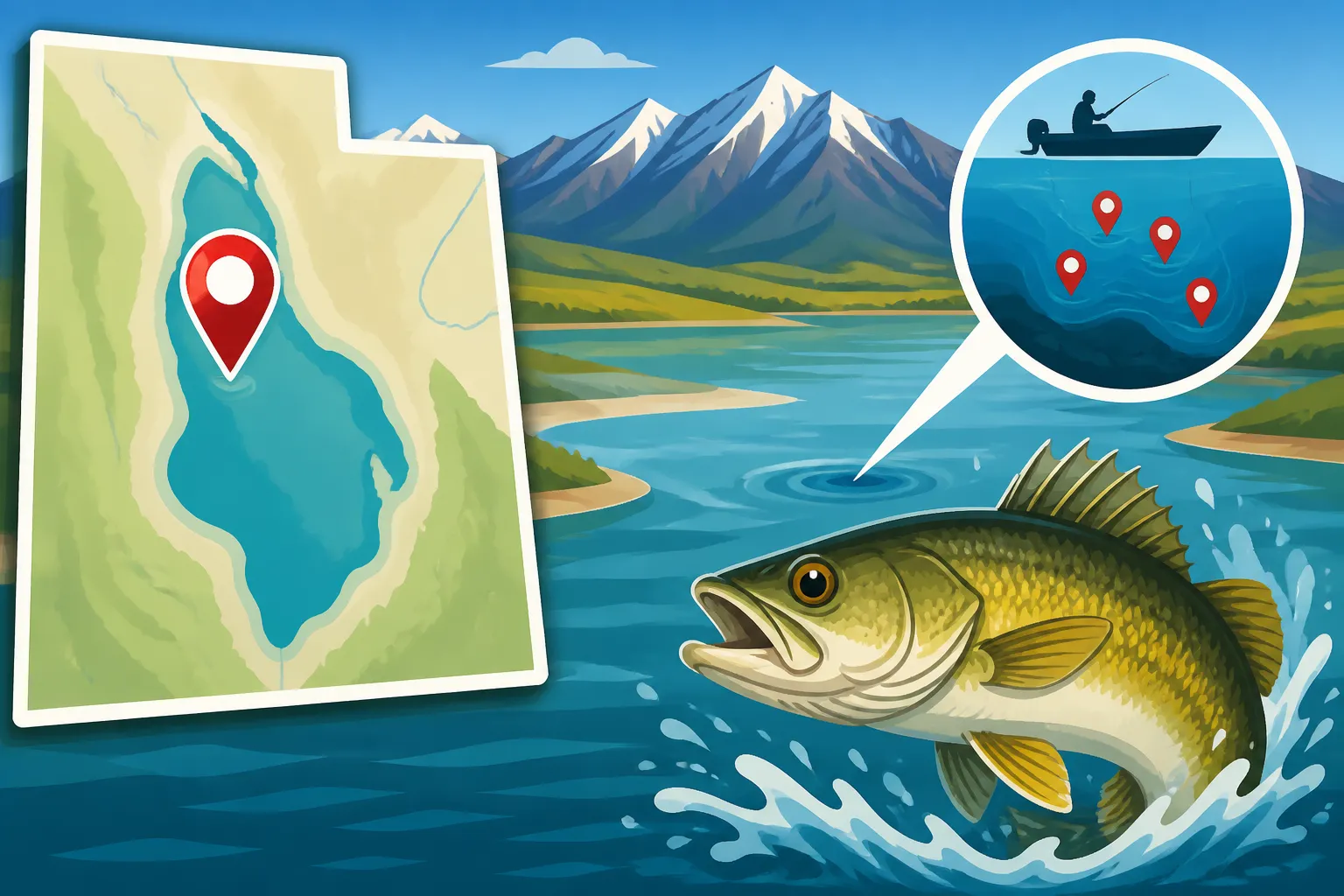
Utah Lake is big, covering about 148 square miles, so saying "fish Utah Lake" isn't exactly helpful. You need to narrow down your focus, and thankfully, specific areas consistently produce walleye. These spots usually share common characteristics: access to food, suitable spawning grounds, or nearby structure that provides ambush points.
Provo Bay and Provo River Delta
Provo Bay is, without a doubt, one of the most talked-about and productive areas for walleye on Utah Lake, especially during the spring spawn and immediately after. The Provo River flows into this bay, creating a delta system with slightly cooler, clearer water and current breaks that walleye absolutely love. This area offers a mix of shallow flats, submerged weed lines (when present), and deeper channels leading out into the main lake.
- Spring Staging Grounds: As water temperatures rise in March and April, walleye move into Provo Bay to spawn. They'll stage in the deeper sections of the bay and along the river channel before moving onto shallow, rocky flats or submerged vegetation to lay their eggs. This is a fantastic time to drift or slowly troll jigs tipped with bait, or cast lipless crankbaits and jerkbaits along the channel edges. Access is convenient through the Provo Boat Harbor Fishing Access at Utah Lake.
- Post-Spawn Feeding Frenzy: After the spawn, walleye hang around Provo Bay for a while, recovering and feeding heavily. They might move to the drop-offs just outside the main river channel or cruise the edges of newly growing weed beds. The clarity of the water can fluctuate, but paying attention to changes can lead to successful fishing. Targeting them during low light conditions or at night can be especially productive, as discussed in What Lures Work Best for Utah Lake Walleye After Dark?.
- Year-Round Potential: While spring is prime, Provo Bay can hold walleye throughout the year. During summer, they might retreat to slightly deeper water within the bay or along the main lake access points. In fall, they'll often return to feed on baitfish concentrations before winter.
Lincoln Beach to Sandy Beach Stretch
Moving south along the eastern shore, the stretch from Lincoln Beach down to Sandy Beach offers another excellent mosaic of walleye habitat. This area features a more varied bottom composition than some other parts of the lake, with scattered rock piles, gravel bars, and intermittent weed growth. It's less pressured than Provo Bay outside of peak times and can offer consistent action.
- Rocky Structure and Gravel Bars: Walleye are drawn to hard bottom, especially rocks and gravel, which provide cover for them and their prey. Focus on locating any submerged rock piles or gravelly flats along this shoreline. A good fish finder is invaluable here to mark these subtle underwater features. Trolling crankbaits that dive to the right depth to tick the bottom or casting jigs can be highly effective.
- Current and Windblown Banks: Utah Lake is known for its wind, and these wind-swept banks can often stack up baitfish, which in turn attracts walleye. Pay attention to wind direction; fishing the downwind side of points or bays can concentrate activity. The slight current created by wind can also position walleye in ambush points.
- Access Points: Both Lincoln Beach and Sandy Beach offer launch points and some shore access, though a boat will significantly increase your ability to cover water and find these scattered walleye magnets. Many anglers enjoy exploring Best Boat Ramps on Utah Lake to find their preferred access.
American Fork Harbor and surrounding structures
On the northern end of the lake, the American Fork Harbor area also presents a compelling case for walleye hunters. This area, while perhaps not as famous for walleye as Provo Bay, can hold good numbers, especially outside the spawning season when fish are more dispersed. The harbor itself, coupled with nearby submerged humps and transition zones, creates attractive habitat.
- Harbor Mouth and Breakwalls: Like many lake structures, the mouth of American Fork Harbor and its protective breakwalls act as fish magnets. Walleye will patrol these areas, especially during low light, looking for baitfish that congregate around the structures. Casting jigs or crankbaits parallel to the breakwalls can yield strikes.
- Underwater Humps and Ridges: The deeper water immediately surrounding American Fork Bay contains several subtle humps and ridges. These elevated features on an otherwise relatively flat bottom are prime ambush points for walleye. They'll hold on the deeper side of these structures, darting up to feed. Again, a fish finder is your best friend for pinpointing these nuances.
- Transition Zones: Look for areas where the soft, silty bottom transitions to harder sand or gravel. These subtle changes often hold concentrations of invertebrates and baitfish, making them attractive to walleye. Vertical jigging or slow-trolling bottom-bouncing rigs are excellent tactics for covering these transition zones.
Techniques for Utah Lake Walleye Success
Finding the right spot is half the battle; the other half is presenting your bait or lure effectively. Utah Lake walleye respond to a variety of techniques, and often, success comes from adapting to the conditions of the day.
Trolling for Deep-Water Walleye
Trolling is a highly effective method for covering large areas of Utah Lake, especially during the summer and fall when walleye are dispersed and holding deeper. It allows you to present multiple lures at different depths and speeds until you find what triggers a bite.
- Crankbaits and Spinner Rigs: Diving crankbaits are excellent for covering depths from 8 to 15 feet, which is often where walleye will hold in Utah Lake. Choose colors that mimic perch or shad, or go with brighter colors like firetiger or chartreuse in murkier water. Spinner rigs, often tipped with a worm or leech, are another classic walleye trolling presentation. Use a bottom bouncer to keep your bait just off the lakebed. For specific tactics, consider Utah Trolling Techniques for Lake Trout (though for walleye, adjust depth and lure size).
- Speed and Depth Control: Pay close attention to your trolling speed, usually between 1.0 to 2.5 mph, and vary it until you get a strike. Experiment with line length and lure dive curves to ensure your baits are running at the desired depth. Using a lead core line or snap weights can help you achieve deeper presentations if needed. Remember, walleye are often belly-to-the-bottom in Utah Lake’s shallow waters, so getting your lure right in their strike zone is crucial.
Jigging and Casting Structure
When you've located a specific piece of structure, like a rock pile, a submerged hump, or a channel edge, jigging and casting become incredibly effective. This allows for a more precise presentation to fish holding tight to cover.
- Vertical Jigging: This is a go-to technique, especially in deeper water or when fish are concentrated. Use a heavy jigging spoon or a jighead tipped with a plastic grub or live bait (like a nightcrawler or minnow). Drop the jig directly beneath the boat, letting it hit the bottom, then lift it sharply a foot or two before letting it flutter back down. The key is to keep tension on the line so you can detect subtle bites on the fall. For more on this technique, our Utah Jigging Techniques for Walleye guide is a great resource.
- Casting Crankbaits and Jigs: If walleye are holding in shallower areas or scattered along a flat, casting crankbaits, lipless crankbaits, or soft plastic jigs can cover more ground. Fan cast around the structure, varying your retrieve speed and depth until you find the fish. On a windy day, casting into the wind and allowing your lure to drift back with the current can be deadly.
The Power of Night Fishing
Many seasoned Utah Lake walleye anglers will tell you that the best fishing often happens after dark. Walleye are highly light-sensitive, and under the cover of darkness, they move into shallower water to feed aggressively. If you’re willing to brave the night, your chances of a trophy catch can significantly increase.
- Low Light Aggression: As the sun dips below the horizon, walleye lose their caution and become much more active. They'll move onto shallow flats, near submerged weeds, and along the shoreline. This is when crankbaits, jerkbaits, and even topwater lures (in very specific conditions) can produce explosive strikes.
- Safety First: Night fishing requires extra caution. Ensure your boat has proper navigation lights, and always wear a life jacket. Visibility is reduced, so slower speeds and constant vigilance are paramount. If you're new to the lake, consider bringing a seasoned local or hiring a guide for your first few night excursions. Services like FishingBooker can help you connect with experienced local captains who specialize in night fishing trips, offering invaluable insights into the lake's nighttime nuances.
Navigating Utah Lake and Essential Gear
Utah Lake's size and relatively shallow nature mean you need to be prepared with the right equipment and knowledge to maximize your walleye fishing experience.
Boat Navigation and Safety
Given the vastness and often shallow nature of Utah Lake, a reliable boat and proper navigation tools are almost essential for serious walleye fishing. The lake averages only 9 feet deep, but it can get much shallower, especially away from dredged channels.
- GPS and Depth Finder: A quality GPS unit with detailed lake mapping is critical for navigating safely and returning to productive spots. Combine this with a good depth finder to identify submerged structure, differentiate bottom compositions, and mark schools of baitfish and walleye. Learning How to Read a Fish Finder for Utah Reservoirs will pay dividends.
- Shallow Water Awareness: Always be aware of your depth, especially when moving at speed. Prop damage from hitting submerged obstacles or running aground is a common frustration for Utah Lake anglers. Keep a close eye on your charts and depth sounder.
- Wind and Waves: Utah Lake can get incredibly rough, incredibly fast, especially with strong winds. Always check the weather forecast before heading out. If conditions turn, know your boat's limits and head for sheltered areas or the nearest boat ramp immediately.
Essential Walleye Gear for Utah Lake
Beyond your boat, having the right tackle will significantly boost your confidence and success.
| Gear Category | Recommended Items | Why It's Important for Utah Lake Walleye |
|---|---|---|
| Rods & Reels | Medium-light to medium power spinning or casting rods (6'6" – 7'6") with sensitive tips. Matching reels. | Sensitive tips detect subtle walleye bites. Longer rods aid in casting distance and line control. |
| Fishing Line | 8-12 lb monofilament or fluorocarbon main line, or 15-20 lb braid with a fluorocarbon leader. | Mono/fluoro offer stretch and invisibility. Braid offers sensitivity and strength, leader provides invisibility. |
| Lures | Diving crankbaits (Rapala, Berkley, Bandit), lipless crankbaits (Rattlin' Rapala), jig heads (1/8 – 1/2 oz), soft plastics (grubs, swimbaits). | Mimic baitfish, provoke reaction strikes. Jig heads allow for versatile soft plastic presentations and live bait. |
| Live Bait | Nightcrawlers, minnows, leeches (check regulations for live bait rules and transport restrictions). | Often irresistible to walleye, especially when slow-trolled or jigged. |
| Terminal Tackle | Swivels, snaps, bottom bouncers (1/2 – 2 oz), hooks (Aberdeen, Octopus), sinkers (split shot, bullet). | Facilitate lure changes, prevent line twist, allow for various rigging options, keep bait near the bottom. |
| Tools | Long-nose pliers or hemostats (for hook removal), line cutters, measuring tape. | Essential for safe hook removal, clean line cuts, and ensuring your catch meets Utah Walleye Daily Limit requirements. |
| Navigation | GPS with lake maps, reliable depth finder. | Critical for safe navigation, finding structure, and marking productive spots. |
Always remember to check the latest Utah Fishing Regulations Explained before heading out, especially regarding bait use, daily limits, and slot limits for walleye, as these can change.
Final Tips for Targeting Utah Lake Walleye
Successfully fishing for walleye on Utah Lake often boils down to patience, persistence, and a willingness to adapt. The lake can be moody, but when you hit it right, the rewards are fantastic.
Monitor Conditions and Reports
Utah Lake's conditions can change daily, even hourly. Water clarity, temperature, and wind can all dramatically affect where walleye are holding and what they're willing to bite.
- Online Resources: Check the Utah DWR fishing reports, local tackle shop updates, and online fishing forums for the most current information. These resources can provide invaluable clues about recent success patterns, water conditions, and even specific baits that are working.
- Water Clarity: Walleye prefer stained or murky water, which gives them a predatory advantage over their prey. However, extremely muddy conditions (often after heavy rains or significant runoff) can shut down the bite. Aim for moderately stained water.
- Fishing with the Wind: As mentioned, wind can be your friend. It pushes baitfish, creates current, and generally stirs up the water, which walleye often appreciate. Don't be afraid to fish wind-blown points or shorelines, provided it's safe to do so.
Practice Catch and Release When Appropriate
While Utah Lake has a healthy walleye population and specific Utah Walleye Harvest Rules are in place, practicing selective harvest and catch-and-release, especially for larger breeding females, can contribute to the long-term health of the fishery. Always handle fish with wet hands, support their body weight, and release them quickly if you're not keeping them.
By focusing on these key areas and adapting your techniques, you'll be well on your way to a successful walleye fishing adventure on Utah Lake. It’s a rewarding pursuit that connects you with one of Utah’s unique and vibrant fisheries.
Disclaimer
The information provided in this guide is for general informational purposes only and is subject to change. Fishing regulations, conditions, and fish populations can vary. Always consult the official Utah Division of Wildlife Resources (DWR) regulations and advisories before planning your fishing trip to ensure compliance and safety.