Utah Bass Fishing Regulations
Trying to figure out all the ins and outs of Utah's bass fishing regulations can feel like you need a law degree and a secret decoder ring, especially when you're just eager to hit the water. It’s a common frustration for many anglers, because what applies to one lake might be completely different just a few miles down the road. This guide is here to untangle those complexities, providing clear, detailed information on Utah's bass fishing rules so you can focus on the thrill of the catch without worrying about an unexpected fine.
Why Utah Bass Regulations Matter for Every Angler
When you're out on a beautiful Utah reservoir, feeling that tug on your line, the last thing you want to worry about is whether you're following the rules. But these regulations aren't just bureaucratic red tape; they are the bedrock of healthy fisheries, designed to ensure that Utah's bass populations thrive for generations to come. Understanding them is not just about avoiding a penalty, it's about being a responsible steward of our incredible natural resources.
Protecting Our Diverse Bass Populations
Utah is home to both Largemouth and Smallmouth bass, two distinct species that offer fantastic angling opportunities. Largemouth bass tend to prefer warmer, shallower, and weedier environments, often found in waters like Utah Lake and several community ponds. They're known for their explosive strikes and big-fish fights. Smallmouth bass, on the other hand, gravitate towards cooler, rockier, and deeper waters, making them a prime target in places like Flaming Gorge Reservoir and Deer Creek. These hard-fighting fish are revered for their strength and tenacity.
The regulations in place for each species and location are carefully crafted to protect their spawning cycles, ensure sustainable harvest levels, and manage overall population health. For instance, minimum size limits are often implemented to allow younger fish to reach maturity and reproduce at least once, contributing to future generations. Without these rules, overfishing could quickly decimate local populations, turning a vibrant fishery into a ghost town. It's a delicate balance that the Utah Division of Wildlife Resources (DWR) constantly monitors and adjusts based on scientific data and environmental conditions, ensuring your future trips are just as fruitful as your current ones.
Navigating the Nuances of Different Waters
One of the biggest headaches for bass anglers in Utah is the sheer variability of regulations from one body of water to another. You might have a specific daily bag limit and size restriction at one reservoir, only to find it completely different at another lake just an hour away. This isn't arbitrary; it reflects the unique ecological pressures and management goals for each specific fishery. A lake struggling with an overpopulation of a certain species, for example, might have more liberal harvest limits, while a trophy fishery might impose stricter catch-and-release rules or higher minimum sizes to cultivate larger fish.
This patchwork of rules means that every time you plan a bass fishing trip to a new spot, or even a familiar one after the annual proclamation changes, you absolutely must do your homework. Simply assuming the statewide general rules apply everywhere can lead to unintentional violations. Imagine driving all the way to Flaming Gorge, excited to target those robust smallmouth, only to realize too late that the slot limit for keeping fish is entirely different from the reservoir you fished last weekend. It’s frustrating, sure, but knowing these specifics beforehand, by checking the official DWR guide or their website, is crucial for a smooth and legal outing. Don't forget, a quick check can save you a lot of hassle and potential fines, and keep you in good standing to enjoy Utah fishing for years to come.
Understanding General Statewide Bass Fishing Rules
While local regulations often steal the spotlight due to their specific nature, it's incredibly important to grasp the baseline statewide rules for bass fishing in Utah. These are the general guidelines that apply unless explicitly superseded by specific water-body regulations. Think of them as the default settings for your bass fishing adventure. Knowing these foundational rules will give you a solid starting point before you dive into the more localized nuances.
Statewide Daily Bag and Possession Limits
The DWR sets clear limits on how many fish of a certain species you can keep per day (the daily bag limit) and how many you can have in your possession at any given time, including those at home or in your cooler (the possession limit). For most bass species in Utah, the statewide general daily limit is typically 6 bass, which can be any combination of Largemouth or Smallmouth bass. The possession limit is usually twice the daily bag limit, meaning you can have up to 12 bass in your possession as long as you didn't catch more than 6 in any single day.
However, and this is where it gets tricky, these are general rules. Many popular bass fisheries in Utah will have specific exceptions to these statewide limits. For example, some waters might have a lower daily limit, or even a mandatory catch-and-release policy for certain sizes or species of bass. Always, and I mean always, consult the current Utah Fishing Guidebook or the DWR website before heading out. This isn't just a suggestion; it's a necessity to ensure you're compliant. Failing to check could lead to a disheartening encounter with a conservation officer and a fine, which is nobody's idea of a fun fishing trip. Remember, ignorance of the law is not an excuse, and these rules are in place for the long-term health of our fisheries. You can find comprehensive details about these limits in the general guide to Utah Daily Bag and Possession Limits.
General Size Restrictions for Bass
Beyond just the number of fish you can keep, many regulations also dictate the size of the fish you're allowed to harvest. These size restrictions come in a few common forms: minimum size limits, maximum size limits, and slot limits. A minimum size limit means any fish shorter than the specified length must be immediately released. This is designed to protect juvenile fish, allowing them to grow larger and reproduce before they can be harvested. For example, a regulation might state "no bass under 10 inches may be kept."
Conversely, a maximum size limit means you can only keep fish below a certain length. This is less common for bass but sometimes used to protect larger, trophy-sized breeding fish. The most intricate, and often most effective, is the slot limit. A slot limit specifies a range of sizes that must be released, while allowing harvest of fish both below and above that slot. For instance, a rule might say "only one bass over 18 inches allowed, and all bass between 12 and 18 inches must be released." This type of regulation is brilliant because it protects the prime breeding stock (the larger fish that reproduce more effectively) while also allowing for the harvest of smaller, more numerous fish, and sometimes encouraging the removal of larger, predatory fish that might be impacting prey species too heavily.
These size regulations are critical management tools that the DWR uses to shape the size structure of a bass population within a specific water body. By manipulating which sizes of fish can be kept, they can encourage more trophy-sized fish, increase the overall numbers of smaller fish, or address specific ecological imbalances. It's a testament to careful scientific management, and it relies on every angler understanding and adhering to these vital rules to maintain healthy, productive bass fisheries across Utah.
Key Regulations for Popular Utah Bass Fisheries
Utah's diverse landscapes offer an equally diverse array of bass fishing opportunities, from the deep, rocky canyons of Flaming Gorge to the expansive, shallower waters of Utah Lake. Each of these unique environments requires tailored regulations to manage their specific bass populations effectively. This means what you learn about limits at one lake might not directly apply to another. It's why we emphasize checking local specifics every single time.
Flaming Gorge Reservoir and Smallmouth Bass
Flaming Gorge Reservoir, straddling the Utah-Wyoming border, is undeniably one of Utah's premier destinations for Smallmouth Bass. These feisty fighters thrive in the reservoir's clear, rocky depths, offering incredible sport for anglers. The DWR has historically managed Flaming Gorge's smallmouth population with an eye towards fostering a trophy fishery, but also managing their abundance. Regulations here can sometimes be quite specific to maintain that balance.
Typically, you'll find daily bag limits that allow for a reasonable harvest, but there might be specific size restrictions designed to protect the prime breeding stock or to reduce competition among fish to help them grow larger. For instance, past regulations have included combinations of daily limits and specific slots, allowing anglers to keep a certain number of bass under a given length, and perhaps one larger fish, while requiring others to be released. This approach helps maintain a healthy population structure, ensuring there are plenty of smallmouth for everyone to enjoy, from those just learning Utah Bass Fishing Techniques to seasoned pros. Always check the latest DWR proclamation for Flaming Gorge specifically, as these can change annually to reflect current population trends and conservation goals. This is vital, especially since Flaming Gorge is shared with Wyoming, so Utah's specific rules for its portion of the lake are what you'll need to follow.
Utah Lake and Largemouth Bass Challenges
Utah Lake, the largest freshwater lake in Utah, presents a completely different bass fishing scenario, primarily dominated by Largemouth Bass. While it might not have the same "trophy" reputation as some other lakes for bass, it offers consistent action, especially for those who enjoy targeting largemouth in weedier, shallower conditions. However, Utah Lake is a complex ecosystem, facing challenges from invasive species like Common Carp and, notably, Northern Pike.
Because of the presence of invasive species, the regulations at Utah Lake can sometimes be geared towards managing this ecological balance. For Largemouth Bass, you'll typically find fairly liberal daily bag limits to encourage harvest, helping to reduce pressure on the lake's forage base. A critical regulation for all anglers at Utah Lake, not just bass anglers, is the mandatory kill rule for Northern Pike. This rule requires anglers to kill any Northern Pike they catch immediately and not release them back into the water. This aggressive management strategy is in place because Northern Pike are highly predatory and pose a significant threat to native species and the overall health of the lake's ecosystem, including game fish like bass. You can learn more about this specific requirement in Why Does Utah Lake Require You to Kill Every Northern Pike?. Understanding these intertwined regulations is crucial for anyone fishing Utah Lake; it's not just about bass, but about contributing to the lake's overall ecological recovery.
Deer Creek and Jordanelle Reservoirs Bass Rules
Beyond the giants like Flaming Gorge and Utah Lake, reservoirs like Deer Creek and Jordanelle offer fantastic, more accessible bass fishing opportunities, often closer to the Wasatch Front. Both reservoirs host healthy populations of Smallmouth Bass, making them popular choices for a day trip or a quick evening session. The regulations at these lakes tend to be a bit more straightforward, often falling in line with the statewide general limits, but still with important specific nuances.
At Deer Creek Reservoir, located near Heber City, smallmouth bass are abundant, and anglers typically find generous daily bag limits, encouraging recreational harvest. Similarly, Jordanelle Reservoir, also close to Park City and Heber, offers good smallmouth fishing with regulations that generally support sustainable angling. However, it's always worth a double-check. Sometimes, these reservoirs might have specific length limits or bait restrictions that differ slightly from the statewide norm, especially if the DWR is trying to manage fish size or reduce pressure on specific year classes. For instance, some years might see an experimental slot limit introduced to see how it impacts fish growth. These reservoirs are often stocked with other species like rainbow trout and kokanee salmon, so ensuring you know the specific bass regulations and don't confuse them with rules for other species is key. Exploring Deer Creek Reservoir Fishing Spots or Jordanelle Reservoir Fishing Access can give you more localized insights into these waters, but always pair that knowledge with the official guidebook's latest updates.
Gear, Bait, and Method Restrictions for Bass
Fishing for bass in Utah isn't just about knowing how many you can keep or how big they have to be; it's also about how you catch them. The DWR has regulations concerning the types of gear, bait, and methods you can employ, all designed to ensure fair chase, prevent harm to the fish or the environment, and maintain ethical angling practices. Ignoring these can be just as problematic as exceeding your bag limit, so let's delve into what's allowed and what's not.
Permitted Bait and Lure Types
For bass fishing, most standard artificial lures and baits are generally permitted. This includes a vast array of crankbaits, spinnerbaits, jigs, soft plastics (worms, craws, tubes), and topwater lures, which you can find readily available at local tackle shops or through online retailers like Amazon. The DWR is usually pretty open to modern lure technology, recognizing that these tools provide exciting and effective ways to target bass. When it comes to natural baits, this is where you need to pay closer attention.
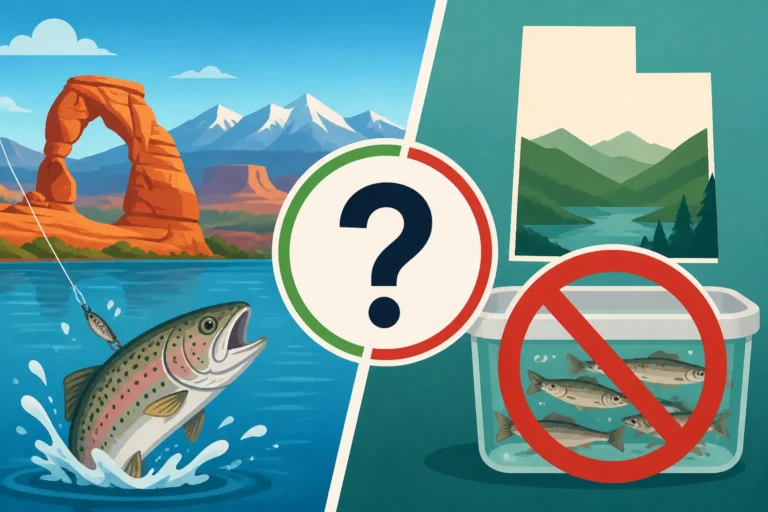
Live bait regulations are often highly specific and vary by water body. While using dead or preserved baits like nightcrawlers, mealworms, or PowerBait is often allowed for species like trout, the use of live baitfish is much more restricted, especially for bass. In many Utah waters, using live baitfish, or even transporting them, is strictly prohibited to prevent the introduction of invasive species or diseases. Imagine unwittingly introducing a non-native minnow species that outcompetes native forage fish, disrupting the entire ecosystem. That's precisely what these rules aim to prevent. Always check the specific water-body regulations in the Utah Fishing Guidebook for live bait restrictions. For example, some waters might allow live crayfish, which are a natural food source for bass, while others might ban them due to concerns about non-native strains. Being diligent about this can prevent serious ecological damage and ensure your gear adheres to the rules.
Other Fishing Methods and Prohibitions
Beyond traditional rod and reel fishing with lures and bait, other methods of fishing also fall under DWR scrutiny, and some are explicitly prohibited for bass or in certain waters. Standard sport fishing, using one or two rods with a single line, is the generally accepted method. However, things like spearfishing, bowfishing, and the use of trotlines or setlines have their own specific regulations, and they are generally not permitted for black bass (Largemouth and Smallmouth) in Utah.
Spearfishing, for instance, is typically restricted to non-game fish or invasive species and usually requires specific permits and conditions. Bowfishing, while gaining popularity for certain rough fish like carp, is almost never allowed for bass. The same goes for trotlines or setlines, which are essentially unattended fishing lines with multiple hooks. These methods are usually reserved for species like catfish in specific locations, and definitely not for bass. The intent behind these restrictions is multi-faceted: it promotes fair chase, minimizes bycatch of non-target species, and prevents overharvest or unethical practices that could negatively impact game fish populations. If you're considering any method beyond a traditional rod and reel for bass, assume it's prohibited unless you can find explicit permission for that specific species and water body in the DWR guidebook. It's always better to be safe than sorry and stick to conventional, legal methods to enjoy your bass fishing experience.
Common Misconceptions and How to Stay Compliant
It's easy to get caught up in the excitement of fishing and overlook some of the finer points of the regulations, leading to common misconceptions or, worse, unintentional violations. Nobody wants to be that angler who inadvertently breaks a rule, so let's clear up some common pitfalls and discuss how to consistently stay on the right side of the law.
The "I Didn't Know" Trap
One of the most frequently heard excuses when an angler is cited for a violation is, "I didn't know." Unfortunately, in the eyes of the law, "I didn't know" is almost never a valid defense. As anglers, we bear the responsibility to educate ourselves on the current regulations before we ever cast a line. The Utah Division of Wildlife Resources (DWR) goes to great lengths to make these regulations accessible. The annual Utah Fishing Guidebook is published every year and is available for free online on the DWR website, and in physical copies at most DWR offices and sporting goods stores like those that sell on Amazon.
This guidebook contains all the statewide general rules, as well as specific regulations for individual water bodies, detailed maps, and important information on topics like Utah Aquatic Invasive Species Rules for Anglers. Relying on hearsay, outdated information from an old fishing buddy, or regulations from last season is a risky game. Even if a regulation seems obscure or counterintuitive, it exists for a reason, usually related to conservation, public safety, or managing a specific fish population. Taking the time to read through the relevant sections for your target species and water body is a fundamental part of responsible angling and saves a lot of heartache in the long run.
Checking the Latest Proclamations and Updates
The natural world is dynamic, and so are the regulations designed to manage it. Fish populations fluctuate, environmental conditions change, and new biological challenges (like invasive species) emerge. Because of this, fishing regulations are not static; they are updated annually, and sometimes even mid-season through emergency proclamations. This is why consistently checking the latest DWR guidebook is paramount. The fishing season dates and limits outlined in the Utah Fishing Season Dates and Limits are revised regularly, for example, and these changes can directly impact bass anglers.
Imagine a scenario where a particular bass population suddenly experiences a boom or a bust due to favorable or unfavorable spawning conditions. The DWR might adjust bag limits or size restrictions to either encourage harvest to thin out an overpopulated fishery or to protect a struggling one. Similarly, if an invasive species becomes a significant threat in a particular water body, emergency rules might be implemented, like the mandatory kill rule for Northern Pike at Utah Lake. These updates are usually announced on the DWR website and are immediately incorporated into the next printing of the guidebook. Making it a habit to download the most current digital version of the guidebook to your phone or tablet before each fishing season, and even glancing at the DWR's news releases, will ensure you're always fishing with the most up-to-date information. It’s a small investment of time that provides peace of mind and keeps you legal.
Penalties for Violating Bass Fishing Regulations
Nobody ever plans to break fishing regulations, but accidents and misunderstandings happen. However, it's critical to understand that violations, whether intentional or not, carry real consequences. These aren't just minor inconveniences; they can result in significant financial penalties, loss of fishing privileges, and even the forfeiture of your gear.
Understanding Fines and Consequences
The penalties for violating Utah's bass fishing regulations can vary widely depending on the severity of the offense. Minor infractions, such as having one too many fish over the daily limit, might result in a moderate fine. More serious offenses, like intentionally catching and keeping fish out of season, using illegal methods, or possessing an endangered species, can lead to much heftier fines, potentially running into hundreds or even thousands of dollars. In Utah, fishing violations are typically categorized as misdemeanors, which means they can appear on your criminal record.
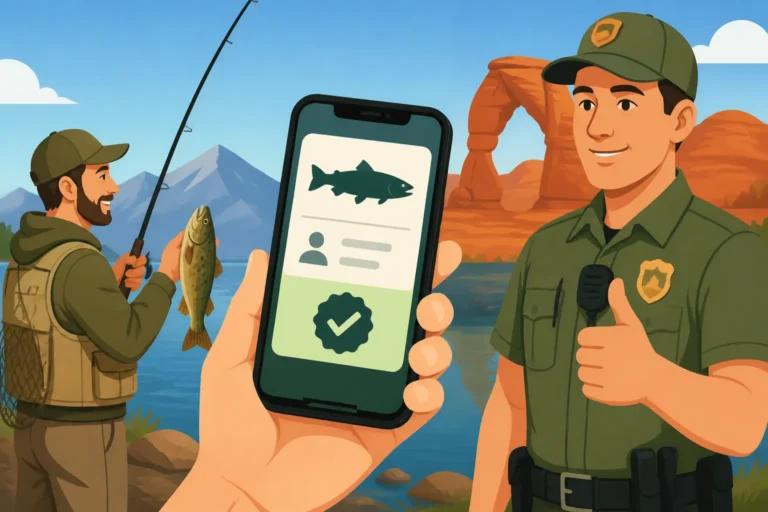
Beyond the monetary fines, you could also face the suspension or revocation of your fishing license. This means you wouldn't be able to legally fish in Utah for a specified period, which can be devastating for passionate anglers. Furthermore, in cases of severe or repeated violations, conservation officers have the authority to confiscate your fishing equipment, including rods, reels, boats, and even vehicles used in the commission of the offense. Imagine having your prized bass boat impounded just because you failed to understand a specific slot limit. These penalties are designed to be deterrents, underscoring the serious nature of conservation laws. You can find more specific information on these repercussions in Utah Fishing License Penalties for Violations.
Why Conservation Officers Take Regulations Seriously
Utah's conservation officers are not just there to issue tickets; they are dedicated professionals tasked with protecting the state's wildlife and natural resources. Their role is to enforce the laws that ensure sustainable fishing opportunities for everyone, now and in the future. When a conservation officer observes a violation, they are addressing an act that undermines these conservation efforts.
Consider the cumulative impact: if many anglers disregard size or bag limits for bass, even seemingly minor violations, the overall bass population can suffer significantly over time. This could lead to fewer fish, smaller fish, and ultimately, a decline in the quality of the fishing experience for everyone. Conservation officers are often on the front lines, educating the public, monitoring fish populations, and investigating illegal activities that threaten our aquatic ecosystems. They are a vital component of the DWR's mission to manage and protect wildlife. While a ticket is never a pleasant experience, understanding the larger context of their work helps to appreciate why they take regulations so seriously. Their enforcement actions are not arbitrary; they are essential for preserving the rich bass fishing opportunities that Utah offers. So, next time you're out on the water, remember that following the rules is not just about staying out of trouble, it's about being a partner in conservation.
Navigating Bass Regulations: A Quick Reference
Understanding the specifics of bass fishing regulations can be tricky with so many different rules across various water bodies. This table provides a simplified overview of typical daily bag and size limits for bass at some popular Utah fisheries. Always confirm these details with the official Utah Fishing Guidebook before you head out, as regulations can change annually or even by emergency proclamation.
| Fishery / Water Body | Primary Bass Species | Typical Statewide Daily Bag Limit | Typical Statewide Possession Limit | Common Size Restrictions | Special Notes / Considerations |
|---|---|---|---|---|---|
| Statewide General Rule | Largemouth, Smallmouth | 6 (combined) | 12 (combined) | No statewide minimum; varies by water body | Baseline rules, often superseded by specific water regs |
| Flaming Gorge Reservoir | Smallmouth Bass | Varies | Varies | Often includes slot limits or specific harvest rules | Focus on trophy management; check for current specifics |
| Utah Lake | Largemouth Bass | Often more liberal (e.g., 6-10) | Varies | Less strict size limits to encourage harvest | Mandatory kill for all Northern Pike caught |
| Deer Creek Reservoir | Smallmouth Bass | Typically 6 | 12 | Often aligned with statewide or simple minimums | Popular, accessible fishery; check DWR for specific updates |
| Jordanelle Reservoir | Smallmouth Bass | Typically 6 | 12 | Often aligned with statewide or simple minimums | Close to population centers; good for day trips |
| Community Ponds | Largemouth Bass | Varies greatly | Varies greatly | Highly specific; often very liberal limits | Check each pond's specific rules, sometimes no size limits |
Disclaimer:
The information provided in this guide is intended for general informational purposes only and does not constitute legal advice. Fishing regulations in Utah are subject to change by the Utah Division of Wildlife Resources (DWR) through annual guidebooks and emergency proclamations. Anglers are solely responsible for knowing and abiding by all current regulations. Always consult the most recent official Utah Fishing Guidebook or the DWR website (wildlife.utah.gov) before engaging in any fishing activity. Failure to do so may result in penalties, fines, or other legal consequences.