Utah Fish Cleaning Station Locations
There’s nothing quite like the satisfaction of reeling in a beautiful fish, but for many anglers, the joy can quickly turn to a bit of a headache when it comes to the messy, often inconvenient task of cleaning their catch. You've had a fantastic day on the water, you're tired, and the last thing you want is to deal with fish guts in your campsite or back at home. This guide is here to shed some light on where you can find dedicated Utah fish cleaning station locations and offer practical advice for handling your catch responsibly, no matter where your angling adventures take you.
The Importance of Proper Fish Cleaning in Utah
Let's be honest, cleaning fish isn't everyone's favorite part of fishing. It's messy, it can be smelly, and if you're not careful, it can create a real nuisance. But beyond personal preference, there are some very real, very important reasons why proper fish cleaning, especially in a place like Utah, is absolutely crucial. It affects the quality of your catch, adheres to regulations, and plays a significant role in protecting Utah's pristine natural environments.
Why Clean Your Fish Promptly? Quality, Regulations, and More
Imagine biting into a perfectly cooked trout, only to find the meat tastes… off. Often, this isn't due to poor cooking, but rather improper handling immediately after the catch. When you catch a fish, its body processes begin to break down rapidly, especially in warm temperatures. Prompt cleaning is key to maintaining the quality and flavor of your fish. This means getting those guts out and the fish on ice as quickly as possible. The longer a fish sits uncleaned, the more bacteria can multiply, leading to a poorer quality fillet that might even be unsafe to eat. Think of it this way: you wouldn't leave freshly picked berries sitting in the sun for hours before refrigerating them, right? Fish are no different.
Beyond taste and safety, Utah also has specific regulations that indirectly emphasize prompt and proper cleaning. For instance, some regulations require anglers to leave a portion of the fish (like the head or tail) attached until final processing, especially if there are size or species-specific limits, to allow for identification by wildlife officers. Knowing your Utah Fishing Regulations Explained can save you from a potential fine. While these rules aren't directly about where you clean your fish, they certainly influence how and when you do it, often making a designated cleaning station a much easier option.
The Environmental Impact of Improper Disposal
It might seem harmless to toss fish carcasses back into the water or into the woods, but this practice can have serious negative consequences for Utah's environment and wildlife. First, decomposing fish parts can pollute the water, contributing to nutrient overload, especially in smaller, more sensitive waterways. This can fuel algal blooms, reduce oxygen levels, and harm other aquatic life. Second, and perhaps more visibly, improperly disposed carcasses can attract scavengers like coyotes, raccoons, and bears to areas frequented by people, such as campgrounds, picnic areas, and even residential zones. This creates human-wildlife conflicts, habituates animals to human food sources, and can ultimately lead to dangerous encounters and the unfortunate need to remove or euthanize nuisance animals. It's a cycle we all want to avoid. That's why understanding the proper methods for disposing of fish remains is just as important as knowing how to catch the fish itself.
Finding Dedicated Public Fish Cleaning Stations in Utah
Thankfully, the Utah Division of Wildlife Resources (UDWR) and other managing agencies understand the challenges anglers face. They've thoughtfully provided public fish cleaning stations at many popular fishing destinations across the state. These stations are a godsend, offering a convenient, sanitary place to process your catch before heading home.
Major Reservoirs and Lakes with Stations
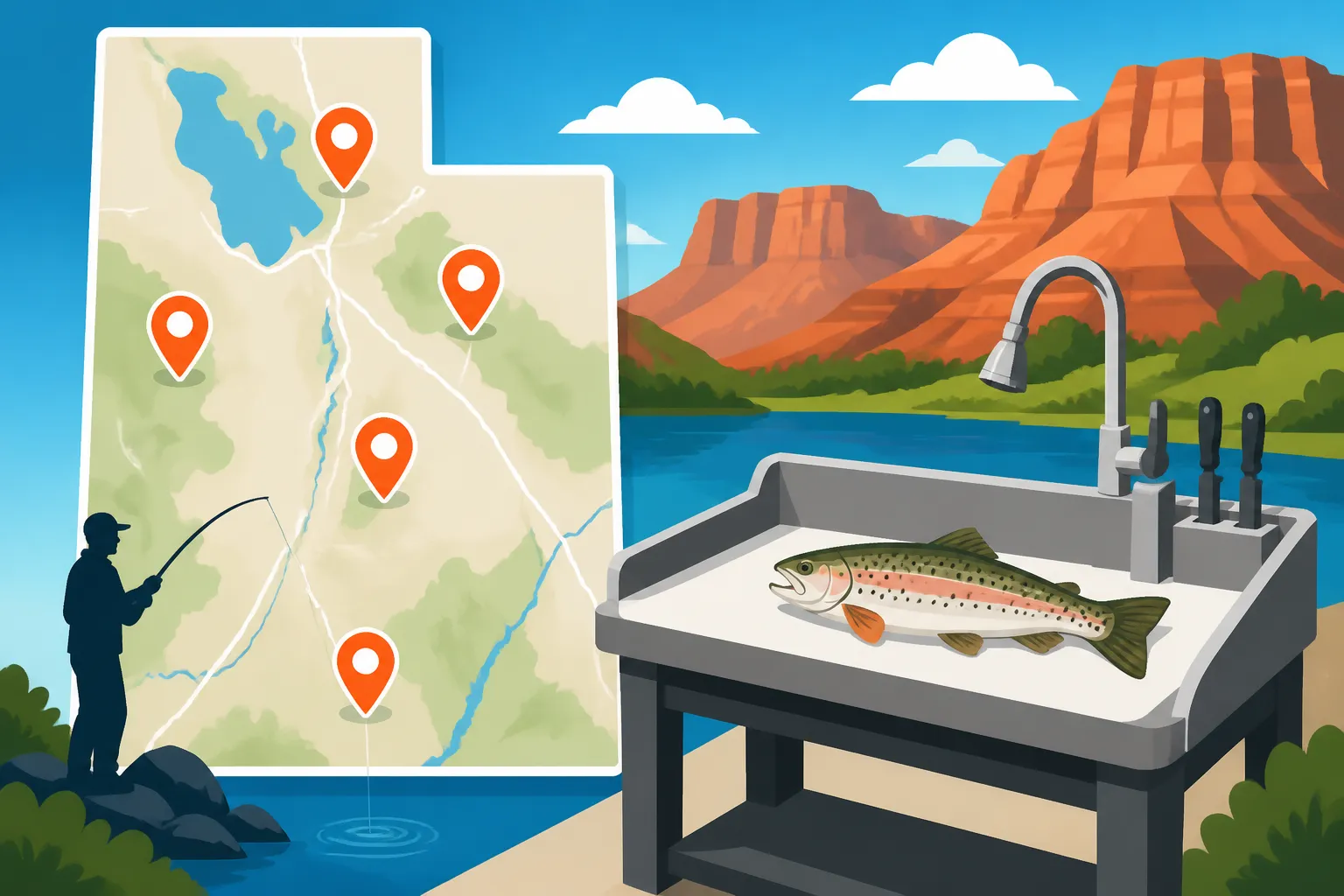
Utah is home to an incredible array of fishing waters, from vast reservoirs to serene mountain lakes. Many of the most popular and heavily-fished spots are equipped with public fish cleaning stations, often located near boat ramps or developed camping areas. These stations typically feature stainless steel tables with running water, making the cleaning process much easier and more hygienic than trying to do it on a picnic table or on the shore.
Here’s a look at some of the major reservoirs and lakes where you can often find these facilities:
- Flaming Gorge Reservoir: A true gem in northeastern Utah, renowned for its trophy lake trout and smallmouth bass, Flaming Gorge has several well-maintained cleaning stations. You’ll often find them at major boat launch areas like Buckboard Crossing, Lucerne Valley, and Cedar Springs. These are indispensable, especially after a successful day of trolling for big lakers or chasing bass in the coves.
- Lake Powell: Down in southern Utah, this immense reservoir, famous for its striped bass boils and largemouth bass, also features cleaning stations. Given the heat and the sheer volume of fish caught here, these facilities are critical. Look for them at developed marinas such as Wahweap, Bullfrog, and Antelope Point. These stations are particularly helpful for managing the large numbers of striped bass anglers are encouraged to harvest.
- Strawberry Reservoir: One of Utah's most iconic trout fisheries, located just east of the Wasatch Front, Strawberry Reservoir offers excellent opportunities for cutthroat and rainbow trout. Cleaning stations are generally available at popular access points like Strawberry Bay and Soldier Creek, making it convenient for anglers coming off the water. It's one of the Best Fishing Spots With a Fish Cleaning Station in Utah.
- Bear Lake: Straddling the Utah-Idaho border, Bear Lake is famous for its unique species like the Bonneville cisco, as well as trophy cutthroat trout. While specific, large-scale cleaning stations might be less common than at some other reservoirs, developed areas often have facilities adequate for cleaning fish. It's always a good idea to check specific marina or state park facilities.
- Deer Creek Reservoir: Closer to the Provo area, Deer Creek is a popular spot for rainbow trout, brown trout, and smallmouth bass. You'll typically find cleaning stations at the state park access points, offering a convenient way to clean your catch before leaving the park.
- Jordanelle Reservoir: Another popular water body near Park City, Jordanelle provides good fishing for trout and smallmouth bass. Its state park facilities usually include cleaning areas to help anglers process their fish efficiently.
It's important to remember that the availability and condition of these stations can vary. Some might be seasonal, closing during colder months, or their operation might depend on water levels.
What to Expect at a Public Cleaning Station
When you arrive at a public fish cleaning station, you'll generally find a fairly consistent setup, though features can vary. Most common are:
- Stainless Steel Counters: These are designed for hygiene, easy cleaning, and durability. They provide a stable surface for filleting.
- Running Water: This is perhaps the most valuable feature. Having a constant flow of fresh water helps rinse away scales, blood, and guts, keeping your workspace clean and minimizing odors.
- Disposal Chutes or Bins: Many stations have specific openings or designated bins for fish carcasses and waste. These are designed to funnel waste into a collection system or to be picked up by wildlife management. Using these properly is crucial for hygiene and preventing wildlife attraction.
- Adequate Lighting: Some stations, especially at larger marinas, may have lighting for those late-evening cleaning sessions.
When using a public station, courtesy and cleanliness are paramount. Always rinse down your station thoroughly after use, remove any remaining scales or bits, and dispose of all waste in the designated areas. This helps keep the station clean and pleasant for the next angler.
How to Find Nearby Cleaning Stations
Finding the exact location of a fish cleaning station before you go can save you a lot of hassle. Here are your best resources:
- Utah Division of Wildlife Resources (UDWR) Website: The official UDWR website is your best friend. They often have detailed maps and facility information for various fishing waters. Look for links related to specific reservoirs or fishing areas, which might list amenities like cleaning stations.
- State Park Websites: If a reservoir is managed by Utah State Parks, their individual park websites will often have maps and descriptions of facilities, including fish cleaning stations.
- Google Maps/Satellite View: Sometimes a quick search on Google Maps for the specific reservoir or marina, followed by a detailed look at the satellite imagery, can reveal the location of a cleaning station (look for structures near boat ramps).
- Local Bait and Tackle Shops: These local experts are invaluable. They can tell you exactly where the nearest, best, or most reliable cleaning stations are, and even give you tips on their current condition.
- Boating and Fishing Apps: Many modern fishing apps offer detailed maps of water bodies, often including points of interest like boat ramps, access points, and sometimes, even cleaning stations. This is also a great way to How to Find Current Fishing Conditions for Utah Reservoirs.
Here's a quick reference table for some major Utah fishing destinations and their typical cleaning station availability:
| Fishing Destination | Typical Cleaning Station Availability | Notes |
|---|---|---|
| Flaming Gorge Reservoir | Yes, multiple locations | High-quality stations at major marinas (Buckboard, Lucerne, Cedar Springs) |
| Lake Powell | Yes, multiple locations | Available at main marinas (Wahweap, Bullfrog, Antelope Point) |
| Strawberry Reservoir | Yes, at key access points | Often found at Strawberry Bay and Soldier Creek |
| Bear Lake | Check individual marinas/parks | Facilities vary; inquire locally for best options |
| Deer Creek Reservoir | Yes, at state park access | Convenient for anglers near Provo |
| Jordanelle Reservoir | Yes, at state park access | Good for trout and bass anglers near Park City |
| Utah Lake | Limited/Variable | Focus often on shore/personal cleaning; inquire locally |
| Willard Bay State Park | Limited/Variable | Check North/South Marina facilities |
| Fish Lake | Yes, at some resort areas | Often available seasonally at larger resort operations |
| Scofield Reservoir | Limited/Variable | Smaller facilities may be available; inquire at campgrounds |
Note: Availability can change due to water levels, maintenance, or seasonal operations. Always verify before your trip.
Alternatives When a Station Isn't Available
What do you do if you're out fishing a remote mountain lake, a quiet stretch of river, or you're at a reservoir where the cleaning station is closed or simply doesn't exist? Don't fret! There are still responsible and effective ways to handle your catch. With a little preparation, you can clean your fish properly, even without a dedicated station.
Cleaning Fish at Your Campsite or Lodging
If a public cleaning station isn't an option, cleaning your fish at your campsite or lodging can be done, but it requires careful attention to hygiene and waste disposal.
- Designate a Workspace: Choose an area away from tents, cooking zones, and high-traffic pathways. A sturdy picnic table covered with newspaper or a large cutting board is ideal. Avoid cleaning directly on the ground.
- Water Source: If you have potable water access, use it sparingly for rinsing. Otherwise, bring extra water specifically for cleaning. Wet wipes can also be helpful for quick clean-up of surfaces and hands.
- Essential Tools: Make sure you have a sharp fillet knife (or a couple, one for gutting, one for filleting), a sturdy cutting board, and a large trash bag or bucket specifically for waste.
- Contain the Mess: Lay down newspaper or a disposable tablecloth to catch scales and blood. Work over a large bucket if possible to contain waste.
- Fillet vs. Whole: If you plan to fillet, learn How to Fillet a Trout After Keeping Your Limit or other species. Filleting leaves more waste, but it's often more convenient for cooking and storage. If keeping fish whole, simply gutting and gilling them can suffice for transport.
- Immediate Clean-up: As soon as you're done, clean your tools thoroughly with soap and water (if available) and wipe down your workspace. Bag all waste securely.
Field Dressing and Transporting Your Catch
Sometimes, the best solution is to field dress your fish immediately after catching it, especially if you're far from a cleaning station or heading home soon. Field dressing means removing the guts on the spot. This significantly slows down spoilage and makes transport much cleaner.
- Bleed the Fish (Optional but Recommended): For better taste, cut the gills or slice near the tail to allow the fish to bleed out in the water. This dramatically improves meat quality.
- Gut the Fish: Make a shallow cut from the vent (anus) to the throat. Carefully remove all internal organs. You can use your thumb or a spoon to scrape out the kidney line along the backbone.
- Rinse Thoroughly: If you have stream or lake water available, rinse the cavity clean. Otherwise, use some bottled water.
- Keep it Cold: This is the most critical step. Get your field-dressed fish on ice immediately. A cooler full of ice is non-negotiable for preserving your catch, especially on a hot day. Check out tips on How to Store Fish on a Hot Day in Utah.
By field dressing, you reduce the bulk, eliminate much of the odor, and significantly extend the freshness of your catch for the journey home.
Essential Portable Cleaning Gear
Having the right portable gear can make all the difference when you're without a dedicated cleaning station. Investing in a few key items will save you time, mess, and ensure your fish stays top-notch.
- High-Quality Fillet Knives: A sharp knife is non-negotiable. Look for flexible, stainless steel blades that hold an edge. Brands like Rapala, Bubba Blade, or Victorinox are popular choices. You can find excellent options on Amazon. It's wise to have at least two: one for larger fish and one for smaller trout.
- Portable Cutting Board: A lightweight, non-slip cutting board made from food-grade plastic is essential. Many are designed to fold or roll up for easy transport.
- Cooler with Ice: A good quality cooler (like a Yeti, RTIC, or Coleman Xtreme) packed with plenty of ice is your fish's best friend. Slush ice is even better as it completely surrounds the fish. This is covered in more detail in any good Utah Fishing Gear Guide.
- Heavy-Duty Trash Bags: Bring several strong, leak-proof trash bags for all waste. Double-bagging is a good practice to prevent leaks and odors.
- Gloves and Hand Sanitizer: Disposable gloves keep your hands clean during the process, and hand sanitizer is great for quick clean-up afterward.
- Portable Fish Cleaning Table: For those who frequently clean fish away from home, a portable fish cleaning table with a faucet that connects to a garden hose (or a pump system for remote locations) can be a game-changer. These tables, often foldable, provide a dedicated, easy-to-clean surface. Search for "portable fish cleaning table" on Amazon for a wide selection.
- Scrub Brush and Soap: A small brush and biodegradable soap for scrubbing down surfaces and tools make post-cleaning easier.
Responsible Waste Disposal and Regulations
Proper disposal of fish waste is not just about being tidy; it's a critical component of ethical angling and environmental stewardship in Utah. Ignoring proper procedures can lead to serious ecological problems, attract dangerous wildlife, and even result in legal penalties.
Proper Disposal of Fish Carcasses
Whether you've used a public cleaning station or cleaned your fish in the field, what you do with the remains matters.
- Public Cleaning Stations: Always use the provided disposal chutes or bins. These systems are designed to manage waste responsibly, often channeling it to rendering plants or designated composting facilities.
- At Home: If cleaning at home, double-bag the carcasses in sturdy trash bags and dispose of them in your household trash, ensuring they are tightly sealed to prevent odors and attraction of pests. Freezing the waste before trash day can help with odor control.
- Field Disposal (When Approved and Appropriate): In remote, undeveloped areas, if allowed by local regulations (always check first!), you can dispose of fish entrails by scattering them in deep water (away from swimming or boating areas) or burying them deeply (at least 8-10 inches deep) away from trails, campsites, and water sources. This allows natural decomposition without attracting scavengers. Never leave whole carcasses on the bank or in shallow water where they can become a nuisance or a health hazard. Avoid disposing of waste in popular fishing holes or where it can accumulate.
Avoiding Attracting Wildlife
Improperly disposed fish waste is a huge attractant for wildlife, including bears, coyotes, foxes, and even birds of prey. These animals are powerful, can be dangerous, and learning to associate humans with food can have dire consequences for both them and us.
- Secure Storage: Never leave fish carcasses or even uncleaned fish unattended, especially overnight, in an accessible area. Use bear-resistant containers if camping in bear country, or place coolers and trash inside locked vehicles.
- Cleanliness is Key: Thoroughly clean all surfaces, tools, and hands after cleaning fish. Any lingering scent can attract animals.
- Proper Burial/Scattering: If field disposing, follow the guidelines above strictly. The goal is to make the waste unavailable and unappealing to animals.
- Education: Be aware of local wildlife activity. If you know you're in an area with active bears, for example, take extra precautions or opt for transport home rather than field cleaning.
Utah's Aquatic Invasive Species Rules
One final, incredibly important consideration when cleaning and disposing of fish, particularly their entrails, is Utah's strict Utah Aquatic Invasive Species Rules for Anglers. Invasive species like Quagga mussels and whirling disease can be spread through contaminated water, mud, and even fish viscera.
- Clean, Drain, Dry: This mantra applies to everything that touches the water. When cleaning fish, be mindful of where the water from your fish cleaning goes. Don't let contaminated water or fish parts from one water body enter another.
- Dispose of Bait Properly: Never dump live bait, dead bait, or bait packaging into any water body. Dispose of it in the trash.
- Avoid Transporting Water: Do not transport water or fish parts from one water body to another, as this can easily spread microscopic invasives. If you are cleaning fish at home that came from a potentially infested water body (like Lake Powell), ensure all waste is contained and disposed of in your household trash, not down a storm drain or into a local waterway.
- Mandatory Harvest Species: For invasive species like Northern Pike in Utah Lake, where mandatory harvest is required, it's particularly important to ensure their proper disposal and not just release them. While the fish themselves are removed, their internal organs could theoretically harbor parasites or disease, so proper disposal in designated waste bins or secure trash is always the best practice.
By following these guidelines, you're not just being a responsible angler; you're actively helping to protect Utah's precious fisheries for future generations.
Disclaimer
The information provided in this guide is for general informational purposes only and is subject to change. Anglers are responsible for consulting the most current Utah Fishing Guidebook and specific regulations issued by the Utah Division of Wildlife Resources (UDWR) before engaging in any fishing activities. This guide does not constitute legal advice.