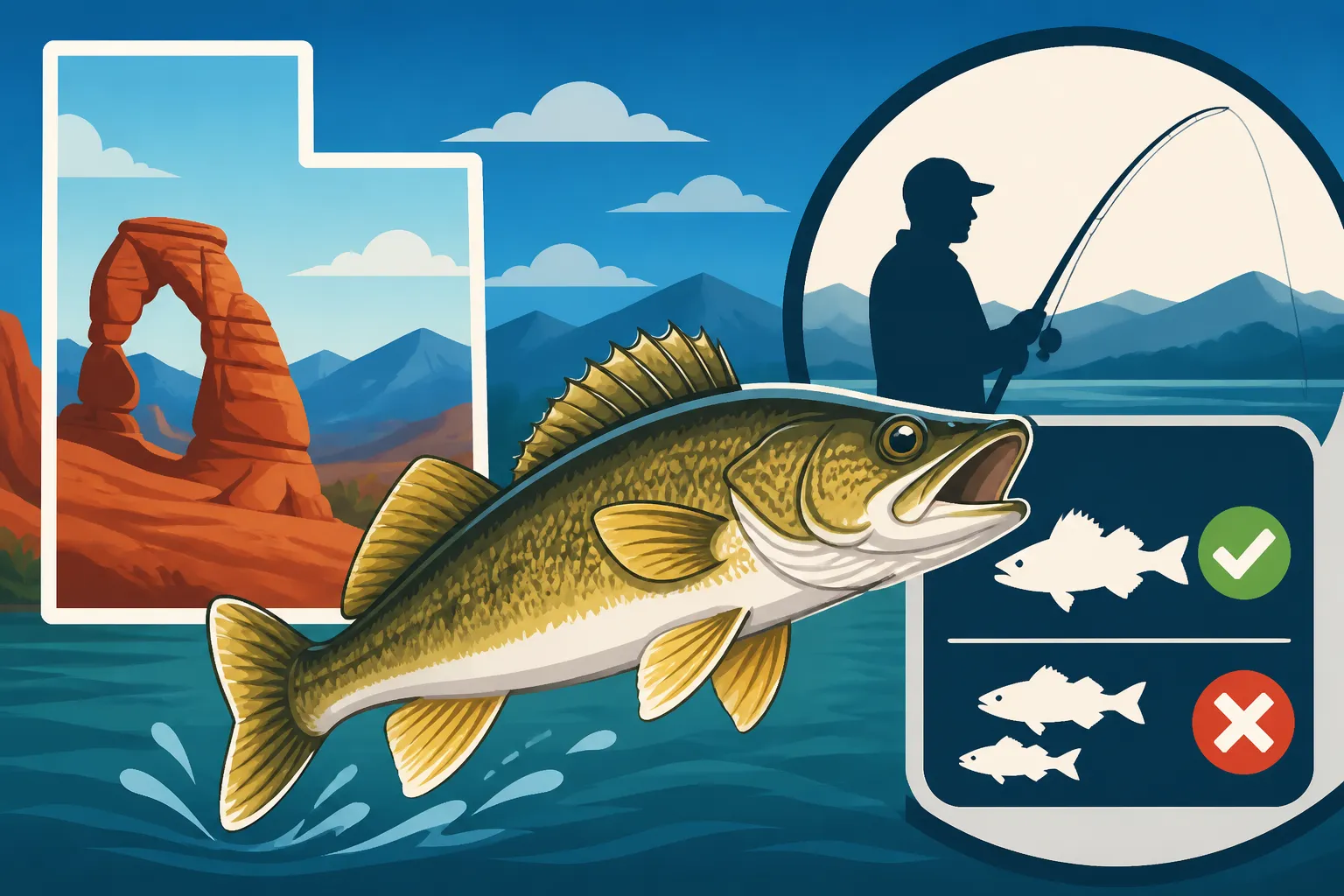
Utah Walleye Harvest Rules
Navigating the ever-changing landscape of fishing regulations can feel like trying to land a trophy walleye with a bent hook – frustrating, confusing, and sometimes, downright impossible if you don't know the rules. Many anglers find themselves scratching their heads, wondering if the limits they knew last year still apply, especially when it comes to species like walleye that often have specific management goals. This comprehensive guide aims to demystify Utah's walleye harvest rules, offering clear, up-to-date information so you can confidently hit the water and know exactly what to do when that beautiful marble-eyed fish is on the end of your line.
Understanding Utah's Walleye Management Approach
Utah's Division of Wildlife Resources (DWR) employs a nuanced approach to managing its fisheries, and walleye are a prime example of a species where regulations can vary significantly depending on the water body. It's not a one-size-fits-all situation, and there's a good reason for that. Walleye are a fascinating species, not native to Utah, but they've established strong populations in several key reservoirs. Because they are predators, their populations need careful balancing to ensure they don't negatively impact other desired sportfish or native species.
Balancing Predator and Prey Populations
The DWR's primary goal with walleye management is often to create a sustainable fishery while maintaining ecological balance. In some waters, walleye thrive and reproduce so successfully that their numbers can become detrimental to other fish, particularly trout or native species. In these cases, the DWR might implement more liberal harvest rules, encouraging anglers to keep more walleye to help thin the population. This isn't just about giving anglers more fish to take home; it's a critical tool for fishery biologists to manage the ecosystem. Imagine a scenario where walleye numbers explode, and they start eating too many of the smaller trout or kokanee salmon. Suddenly, those other popular fisheries are suffering, and the overall health of the reservoir is impacted. That's why active management through harvest rules is so crucial.
On the flip side, in waters where walleye populations are still developing or are managed for trophy potential, regulations might be more restrictive. This could involve slot limits, which require anglers to release fish within a certain size range, while allowing them to keep smaller or larger fish. The idea behind a slot limit is to protect the spawning population (often the mid-sized fish) or to allow a certain number of fish to grow to trophy size. It's a delicate dance between giving anglers opportunities and safeguarding the future of the fishery. Understanding this underlying philosophy helps to make sense of why the rules aren't always uniform across the state.
The Role of Anglers in Walleye Management
As anglers, we play an incredibly important, active role in the DWR's management strategies. When the DWR sets liberal limits on walleye in a particular water body, they are essentially asking us to help them manage the population. By harvesting fish within those specified limits, we contribute directly to the health and balance of that fishery. It's more than just a privilege to fish; it's a shared responsibility. Imagine the DWR stocking thousands of trout, only for an overpopulated walleye fishery to consume them all before they can grow to catchable size. That's a waste of resources and a missed opportunity for anglers targeting those trout.
Conversely, if there's a call for conservation or protection of certain size classes, adhering to those regulations, even if it means releasing a fish you'd love to take home, is vital. This active participation from the angling community is what makes Utah's fisheries management successful. It’s a partnership, and when we all follow the rules, we ensure that there are plenty of fish for everyone to enjoy for years to come. Checking the current year's Utah Fishing Regulations Explained is always your first step before heading out, as these rules can and do change annually based on biological assessments.
General Walleye Daily Bag and Possession Limits
When you're out on the water, the most immediate question usually revolves around "how many can I keep?" For walleye in Utah, there's a statewide general rule, but it's absolutely critical to understand that this rule often gets modified by specific water body regulations. Think of the statewide rule as a baseline, but always defer to the specific rules for the lake or reservoir you're fishing.
Statewide Standard Walleye Limits
Across many of Utah's waters where walleye exist, the standard daily bag limit for walleye is six fish. This means that in a 24-hour period, you can legally harvest and keep up to six walleye. However, there's an important caveat that often accompanies this limit: only one of those six fish may be over 24 inches in length. This is a classic example of a "slot limit" variant, designed to manage the population structure.
The rationale behind this rule is often to encourage the harvest of smaller, more abundant walleye while protecting the larger, older, and potentially more prolific spawners. By allowing only one trophy-sized fish over 24 inches, the DWR helps ensure that a healthy population of large breeders remains in the system to contribute to future generations. For many anglers, catching a walleye over 24 inches is a significant accomplishment, so having the opportunity to keep one as a prized catch is a nice bonus within this conservation-focused limit. Remember, these general rules apply unless otherwise specified for a particular body of water, which is often the case. It’s essential to review the official Utah Daily Bag and Possession Limits before each trip.
Understanding Daily vs. Possession Limits
Beyond the daily bag limit, there's also the concept of a "possession limit," which is equally important but often misunderstood. The daily bag limit refers to the number of fish you can legally catch and keep within one calendar day (midnight to midnight). The possession limit, on the other hand, refers to the total number of fish you can have in your actual possession, whether that's in your cooler, at your campsite, or at home in your freezer.
In Utah, the possession limit for walleye is generally twice the daily bag limit, meaning you could have up to 12 walleye in your possession if the daily limit is six. However, this is where it gets tricky: if you're out fishing for multiple days, you cannot exceed the daily limit on any single day, even if your total possession remains under the possession limit. For example, if you catch six walleye on Monday, you can't catch another six on Tuesday if you still have Monday's catch in your cooler. You would need to consume or process Monday's fish before harvesting more on Tuesday to stay within the spirit of the daily limit. This nuance is crucial for multi-day fishing trips, especially when visiting popular walleye destinations. Keeping a copy of the regulations, perhaps a printed one or even accessible on your phone through an app, can prevent accidental violations.
Specific Walleye Regulations by Water Body
While there's a general statewide guideline for walleye, Utah's most prolific walleye fisheries often have their own unique sets of rules. These specific regulations are a testament to the DWR's adaptive management, tailoring rules to the unique biological and recreational needs of each lake or reservoir. Missing these specific rules could lead to a citation, so always verify the regulations for your chosen destination.
Utah Lake Walleye Harvest Rules
Utah Lake is arguably Utah's premier walleye fishery, and its regulations reflect a strong emphasis on population control and angler opportunity. Due to the lake's incredible productivity and the walleye's ability to reproduce prolifically, the DWR often encourages a more liberal harvest to manage their numbers. This is to balance the ecosystem and support other species, including the endangered June Sucker. Currently, the Utah Lake Walleye Harvest Rules are quite unique and generous. Anglers are allowed the statewide daily limit of six walleye (with only one over 24 inches), plus an additional 10 walleye under 18 inches. This means on a good day, you could potentially take home 16 walleye from Utah Lake!
This additional limit of smaller fish is a direct invitation from the DWR to help reduce the overall walleye population, which in turn can benefit other fish species in the lake. For anglers, this presents a fantastic opportunity to stock the freezer with plenty of delicious walleye fillets. Imagine a hypothetical scenario: you're out on Utah Lake with your fishing buddies, and the walleye are biting. You're consistently catching fish in the 14-17 inch range, perfect eating size. Under these rules, you can keep a significant number of these, contributing to the fishery's health while enjoying an abundant harvest. It’s a win-win situation for conservation and recreation. Tools like a foldable measuring board, easily found on Amazon, can be incredibly helpful for quickly and accurately assessing fish length before deciding to keep or release.
Willard Bay and Deer Creek Reservoir Walleye Limits
Other popular walleye waters like Willard Bay and Deer Creek Reservoir typically follow the standard statewide regulations, although it's always worth a double-check in the current proclamation. For these reservoirs, the limit is generally six walleye per day, with only one of those six exceeding 24 inches. The management strategy here is often less about aggressive population reduction and more about maintaining a healthy, sustainable fishery that offers good catch rates and trophy potential without overbalancing the ecosystem.
For instance, at Willard Bay, where wiper (a striped bass hybrid) and channel catfish also thrive, the walleye population needs to be managed carefully so as not to outcompete these other popular sport fish. Similarly, Deer Creek Reservoir, known for its trout and smallmouth bass, maintains a balance. If you're fishing these waters, make sure your measuring tape is handy, as accurately determining if a walleye is over 24 inches is critical for compliance. Many anglers will keep a smaller "eater" fish and then release any other large fish after their single 24+ inch slot is filled, or if they decide to go for another smaller fish instead. Always make sure to verify these specific rules by checking the DWR fishing guide.
Here's a quick reference table for common walleye waters:
| Water Body | Daily Bag Limit (Walleye) | Length Restrictions | Notes |
|---|---|---|---|
| Statewide General Rule | 6 walleye | Only 1 walleye may be over 24 inches. | This is the baseline rule that applies unless specific water body rules are in effect. |
| Utah Lake | 6 walleye (statewide rule) + additional 10 walleye | Only 1 walleye over 24 inches (from the statewide 6). Additional 10 must be under 18 inches. | This regulation actively encourages harvest of smaller walleye to manage the population and balance the ecosystem, especially benefiting species like the endangered June Sucker. Anglers can take home a significant number of eating-sized fish. |
| Willard Bay Reservoir | 6 walleye | Only 1 walleye may be over 24 inches. | Follows statewide regulations. Anglers often target walleye alongside wiper and channel catfish. |
| Deer Creek Reservoir | 6 walleye | Only 1 walleye may be over 24 inches. | Follows statewide regulations. Walleye here are part of a diverse fishery that includes trout and smallmouth bass. |
| Lake Powell | No limit on striped bass. | Not typically managed for walleye. | While walleye can be found in some areas, Lake Powell is predominantly known for its striped bass and other warm-water species, with different management goals. Always check the specific DWR guide for any incidental walleye limits if you encounter them, though they are not a primary target species for regulations here. |
Note: Always consult the current Utah Fishing Guidebook published by the Utah Division of Wildlife Resources for the most up-to-date and legally binding regulations, as rules can change annually.
The Importance of Identifying Walleye Correctly
It might sound obvious, but correctly identifying your catch is absolutely paramount when it comes to adhering to harvest rules. Walleye have distinct features, but in the heat of the moment, or for new anglers, they can sometimes be confused with other species, particularly yellow perch or even sometimes a small northern pike. Misidentification, even unintentional, can lead to violations, which is something every responsible angler wants to avoid.
Key Features for Walleye Identification
Walleye have several key distinguishing features that make them relatively easy to identify once you know what to look for. First and foremost, look at their eyes. Walleye are named for their large, "walleye" or milky, opaque eyes, which are highly reflective due to a layer of tissue called the tapetum lucidum that helps them see in low light. Their bodies are typically long and slender, with an olive-green to gold coloration, often mottled with darker spots or bars. They have two dorsal fins; the first is spiny, and the second is soft-rayed.
A crucial identifying mark is the distinct white tip on the lower lobe of their caudal (tail) fin. This white tip is almost always present and is a reliable indicator. Their mouths are large, extending back under the eye, and they are armed with sharp, needle-like teeth. Comparing these features to a visual guide, perhaps a waterproof fish identification card found on Amazon, can be incredibly helpful for quick reference on the boat or shore. This is particularly important because, as we've discussed, the Utah Walleye Harvest Rules can be very specific and differ from other species.
Avoiding Confusion with Similar Species
The most common fish confused with walleye in Utah are often yellow perch. While both are members of the perch family, their differences are quite clear upon closer inspection. Yellow perch are much deeper-bodied, with pronounced vertical bars on their sides that are typically darker and more defined than the mottling on a walleye. Yellow perch also lack the prominent white tip on the lower tail fin lobe, and their eyes are not as large or milky as a walleye's.
Another potential, though less common, confusion could be with juvenile northern pike, especially if an angler isn't familiar with either species. Pike have a very elongated, cylindrical body, a duck-bill shaped snout, and a dorsal fin located far back on their body, closer to the tail. Walleye, in contrast, have two distinct dorsal fins and a more typical fish-shaped head. Given that Northern Pike are an invasive species in Utah Lake and anglers are required to kill every Northern Pike caught at Utah Lake, misidentification there could be especially problematic. Taking a moment to properly identify your catch before deciding whether to keep or release, and how many, is a fundamental part of ethical and legal angling.
Penalties for Violating Walleye Harvest Rules
Ignoring or misunderstanding fishing regulations, especially harvest rules, isn't just a minor infraction; it can lead to serious consequences. The Utah DWR takes its role in protecting and managing fish populations very seriously, and violations are met with appropriate penalties. It's not just about fines; it can affect your ability to fish in the future.
Understanding the Legal Ramifications
Fishing without a valid license, exceeding bag limits, or failing to adhere to length restrictions are all considered violations of Utah's fishing laws. The specific penalties can vary depending on the severity of the offense, the number of fish involved, and whether it's a first-time offense or a repeat violation. Generally, these infractions are classified as misdemeanors. A common consequence for exceeding bag limits, for instance, is a fine for each fish over the legal limit. These fines can quickly add up.
Beyond monetary penalties, violating fishing regulations can also lead to the confiscation of your fishing gear, including rods, reels, and even your boat in serious cases. You could also face civil penalties, which are costs assessed by the DWR to compensate the state for the value of the illegally taken wildlife. These civil penalties can be substantial, far exceeding the initial criminal fine. Imagine getting caught with several walleye over the limit at Utah Lake; not only would you face a citation, but you'd also have to pay a significant amount per fish as restitution. This is why it's always better to err on the side of caution and release any fish you're unsure about. Understanding Utah Fishing License Penalties for Violations is a critical part of being a responsible angler.
Potential Suspension of Fishing Privileges
Perhaps one of the most impactful consequences of violating fishing regulations, especially for repeat offenders or those involved in egregious poaching activities, is the suspension or revocation of your fishing privileges. The DWR has the authority to suspend your fishing license for a period, which could range from a few months to several years, depending on the severity and frequency of the offenses. This means you wouldn't be able to legally fish in Utah for that entire duration.
Furthermore, because of interstate wildlife violation compacts, a suspension in Utah could potentially affect your ability to obtain a fishing license in other states as well. For someone who loves fishing, losing the privilege to pursue their passion is a significant blow. The DWR's intent with these penalties isn't just punitive; it's also a deterrent to protect the state's natural resources and ensure fair chase for all legal anglers. Always remember, the regulations are there for a reason—to conserve fish populations and ensure healthy fisheries for everyone, now and in the future. It's a small price to pay to avoid the severe consequences of non-compliance.
Responsible Angling and Conservation for Walleye
Beyond just knowing the rules, responsible angling involves a commitment to ethical practices and a deep understanding of conservation. Walleye are a fantastic sport fish, offering challenging bites and delicious table fare, and by embracing responsible practices, we ensure their continued success in Utah waters.
Practicing Catch and Release Effectively
Even in waters with liberal walleye limits like Utah Lake, practicing selective harvest and effective catch and release is a hallmark of a responsible angler. Not every fish needs to go into the cooler. If you've already met your personal quota for eating fish, or if you catch a particularly large, healthy walleye that you believe would be valuable for spawning, consider releasing it. When doing so, handle the fish minimally and gently.
Wet your hands before touching the fish to protect its slime coat, which is vital for disease prevention. Use a de-hooking tool or needle-nose pliers, which are easily found on Amazon, to quickly remove the hook. If the fish is deeply hooked, it might be better to cut the line as close to the hook as possible rather than tearing sensitive internal organs. Hold the fish horizontally and support its body, especially if it's a larger specimen. Avoid dangling it vertically by the mouth or gills. Return it to the water quickly, allowing it to recover before swimming off. If it needs a moment, hold it gently in the water until it's strong enough to swim away on its own. This mindful approach helps ensure that the fish has the best chance of survival, contributing to the overall health of the fishery.
Minimizing Environmental Impact While Fishing
Beyond fish handling, minimizing your overall environmental impact is crucial. This includes properly disposing of all trash, including discarded fishing line, bait containers, and any other litter. Monofilament fishing line, in particular, is a notorious hazard for wildlife. If you see discarded line, make an effort to pick it up and dispose of it responsibly.
Also, be mindful of where you clean your fish. Utilize designated fish cleaning stations where available, or if cleaning at home, ensure offal is disposed of properly and not dumped back into the water where it can attract scavengers or contribute to nutrient loading. Be aware of the risks of spreading Aquatic Invasive Species (AIS) from one water body to another. Always Clean, Drain, and Dry your boat, trailer, and gear thoroughly after each fishing trip. This means removing all weeds and mud, draining all water from your boat (live wells, bilge, motor), and allowing everything to dry completely before visiting another lake or river. These simple, yet critical, actions are vital for preserving the delicate ecosystems of Utah's beautiful waters for future generations of anglers.
Disclaimer
Please remember that fishing regulations are subject to change. While this guide provides comprehensive and up-to-date information at the time of publication, it is always your responsibility to consult the most current Utah Fishing Guidebook published by the Utah Division of Wildlife Resources (DWR) before engaging in any fishing activity. The DWR guidebook is the ultimate legal authority on all fishing rules and regulations in Utah.