Is a Utah Fishing License Valid on Tribal Waters?
It's incredibly frustrating when you're planning a fishing trip in Utah, only to hit a wall of uncertainty about whether your state fishing license covers you on every single body of water. Many anglers, myself included, have wondered about the legality of casting a line on waters that might fall under different jurisdictions, particularly tribal lands. This guide aims to clear up that confusion, specifically addressing whether your Utah fishing license is valid on tribal waters and what steps you need to take to fish responsibly and legally on these unique and often beautiful locations.
Understanding Tribal Sovereignty and Fishing Rights
Before we dive into the specifics of licenses, it's crucial to understand the fundamental concept of tribal sovereignty. Native American tribes in the United States are recognized as sovereign nations with the inherent right to govern themselves and their lands. This means they can establish their own laws, including those pertaining to hunting and fishing, independent of state regulations. This isn't just a courtesy; it's a matter of legal and historical recognition.
When you're looking at a map and see an area marked as a tribal reservation, it's not just another county or state park. It's distinct territory with its own rules. This can be a bit of a learning curve for anglers who are used to simply buying a state license and being good to go, but it's a vital distinction to respect. Ignoring these boundaries or regulations isn't just fishing without a license; it's trespassing and disregarding the sovereignty of another nation, which can lead to serious legal consequences and erode goodwill.
The Clear Answer: A Utah License is Generally Not Valid
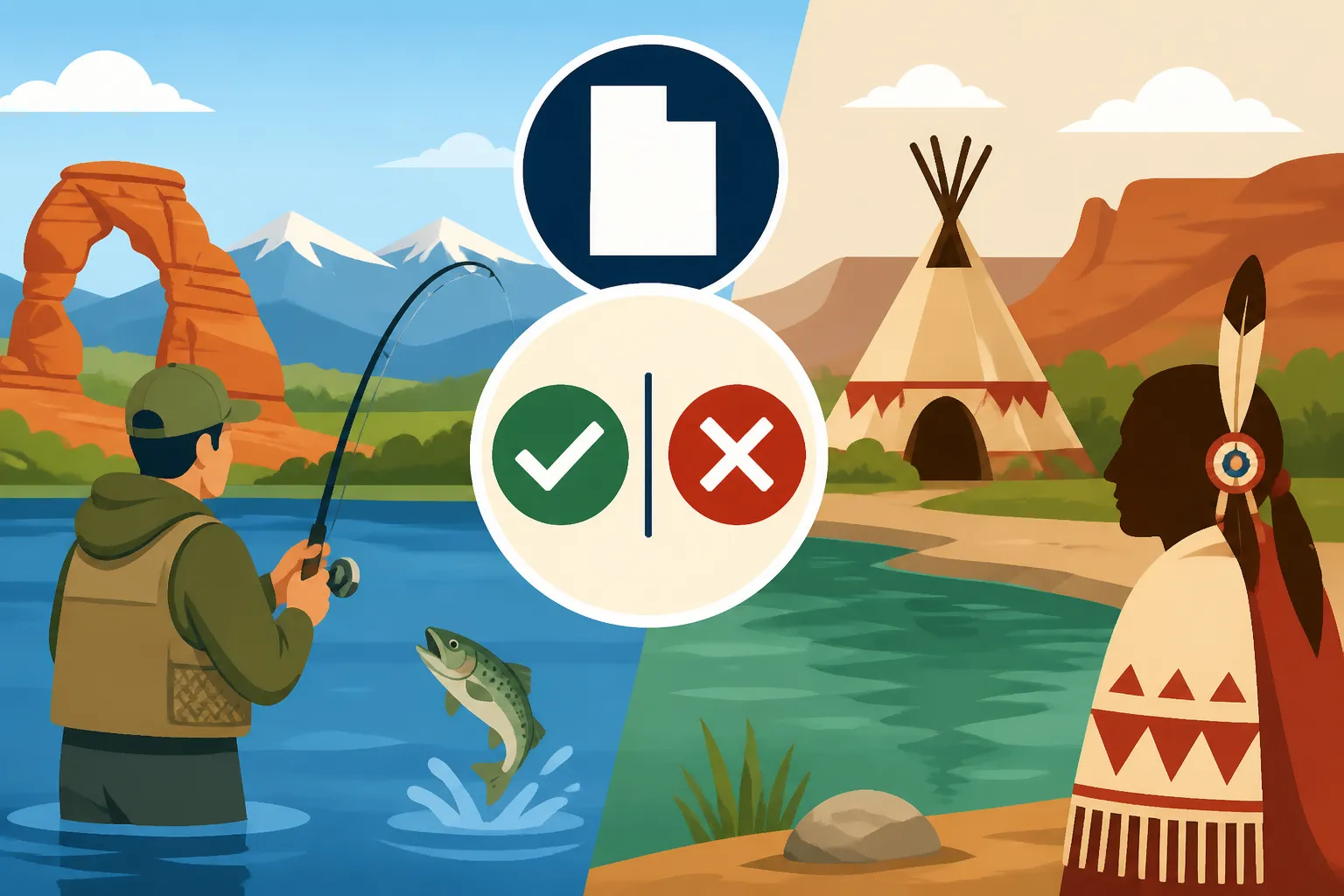
Let's get straight to the point: generally, your standard Utah Fishing License Guide is not valid for fishing on waters located within tribal lands or reservations in Utah. These lands operate under their own jurisdictional authority, and as such, they issue their own permits and licenses for recreational activities, including fishing.
Think of it like fishing in a different state. Even if you have a Utah license, it won't allow you to fish in Idaho or Wyoming. Similarly, while tribal lands are within the geographical boundaries of Utah, they are legally distinct entities. The Utah Division of Wildlife Resources (DWR) manages fish and wildlife on state lands, but their authority doesn't automatically extend to sovereign tribal territories. You'll need to acquire a specific permit or license directly from the tribal government or their designated wildlife department to legally fish on their waters. This ensures you're complying with their local conservation efforts and regulations.
Key Tribal Nations in Utah and Their Fishing Opportunities
Utah is home to several federally recognized tribal nations, and some of them offer exceptional fishing opportunities. However, each tribe has its own approach to managing these resources and providing access to non-tribal members. It's not a one-size-fits-all situation, so a little research goes a long way.
Ute Indian Tribe of the Uintah and Ouray Reservation
The Ute Indian Tribe's Uintah and Ouray Reservation, located primarily in northeastern Utah, is perhaps the most well-known tribal area for fishing among non-tribal members. This expansive reservation includes numerous streams, rivers, and high-elevation lakes that are often brimming with trout and other species. Many anglers dream of fishing the pristine waters of the Uintah Basin, and some of the best spots are indeed on tribal land.
To fish here, you absolutely need a Ute Indian Tribe fishing permit. The tribe manages these resources carefully, and their permits contribute directly to the conservation and management of these fisheries. You can often purchase these permits at local businesses around the reservation, or sometimes directly from the tribe's wildlife department offices. It’s imperative to check the current regulations published by the Ute Indian Tribe’s Fish and Wildlife Department, as they can change annually. These rules cover everything from catch limits and tackle restrictions to specific water body access. Remember that your Utah Daily Bag and Possession Limits will not apply here; you must follow tribal rules.
Navajo Nation
The Navajo Nation is the largest Native American reservation in the United States, with a significant portion extending into southeastern Utah, particularly around the Lake Powell area. While Lake Powell itself is largely managed by state and federal agencies (Arizona Game & Fish Department and Utah DWR), specific tributaries or shorelines that fall within the Navajo Nation's direct jurisdiction might require a separate Navajo Nation fishing permit.
Fishing directly on Lake Powell typically requires a Utah or Arizona state fishing license, depending on where you are. However, if you venture into certain bays, coves, or rivers that are explicitly part of the Navajo Nation's lands and are managed by them, you might need an additional permit. It’s always best to inquire with the Navajo Nation Department of Fish and Wildlife if you plan to fish extensively in areas that border or are within their territorial claims. Their regulations are designed to protect their unique ecosystems and ensure sustainable use of their resources.
Southern Paiute Indian Tribe of Utah
Comprised of several bands (Shivwits, Cedar, Koosharem, Indian Peaks, and Kanosh), the Southern Paiute Indian Tribe's lands are scattered across southwestern Utah. These areas are typically smaller and may not have the same extensive public fishing access programs as the Ute Indian Tribe.
Fishing opportunities on Southern Paiute lands might be limited or require special permission, often on a case-by-case basis. It's less common for these bands to issue general fishing permits to the public compared to the Ute Indian Tribe. If you are specifically interested in fishing on a particular parcel of land belonging to one of these bands, your best course of action is to directly contact the tribal council or a relevant tribal department to inquire about possibilities and permit requirements. Assuming you can fish there with just a state license is a mistake.
Northwestern Band of Shoshone Nation and Skull Valley Band of Goshute
These tribes have lands in northern and western Utah, respectively. Similar to the Southern Paiute, public recreational fishing opportunities and permit programs for non-tribal members on these lands are generally not as common or extensively advertised as with the Ute Indian Tribe. If fishing on their lands is a consideration, direct outreach to the specific tribal government for guidance is absolutely essential. Don't rely on outdated information or assumptions; a quick, respectful phone call or email can save you a lot of trouble.
How to Research and Obtain Tribal Fishing Permits
Navigating tribal fishing regulations can seem daunting at first, but with a bit of proactive effort, it’s entirely manageable. The key is to seek information directly from the source.
Step-by-Step Guide to Getting the Right Information:
- Identify the Tribal Nation: First, pinpoint which tribal nation's land the water body you intend to fish is on or borders. A good map (digital or physical) is your best friend here. If you're looking at a specific reservoir or river, identify its geographical location.
- Locate Tribal Fish and Wildlife Departments: Most tribal nations with significant natural resources will have a fish and wildlife department or a similar natural resource management office. A quick web search for "[Tribe Name] Fish and Wildlife" or "[Tribe Name] Natural Resources" should point you in the right direction. For example, "Ute Indian Tribe Fish and Wildlife Department."
- Check Their Official Websites: Tribal websites are often the best source for current regulations, permit requirements, and contact information. Look for sections on "Recreation," "Hunting and Fishing," or "Permits." The Ute Indian Tribe, for instance, has a dedicated page for their permits and regulations.
- Contact Directly: If online information is scarce or unclear, don't hesitate to call or email their offices. Be polite, state your intentions clearly, and ask specific questions about fishing access, required permits, and any special regulations. They are the ultimate authority.
- Understand the Costs and Purchase Process: Tribal permits usually come with a fee, similar to state licenses. Find out where and how to purchase them. Sometimes they are available online, at designated vendors on or near the reservation, or directly from tribal offices. For example, you might find information on Amazon about reputable guidebooks or maps that specify tribal boundaries and permit vendors, but the permit itself will come from the tribe.
- Adhere to All Regulations: Once you have your tribal permit, make sure you understand and follow all the rules, including bag limits, size restrictions, allowed tackle, and access points. These rules might be very different from Utah Fishing Regulations Explained.
| Tribal Nation in Utah | Primary Location | General Public Fishing Access | How to Get Information/Permit |
|---|---|---|---|
| Ute Indian Tribe | Uintah Basin | Yes, with tribal permit | Ute Indian Tribe Fish & Wildlife Dept. website/office; local vendors |
| Navajo Nation | SE Utah | Limited/Specific Areas | Navajo Nation Dept. of Fish and Wildlife website/office |
| Southern Paiute Tribe | SW Utah | Generally limited/by inquiry | Direct contact with specific tribal band's council/office |
| Northwestern Shoshone | N Utah | Generally limited/by inquiry | Direct contact with tribal council/office |
| Skull Valley Goshute | W Utah | Generally limited/by inquiry | Direct contact with tribal council/office |
Border Waters and Joint Management Areas
Sometimes, a body of water might border tribal lands without being entirely within the reservation. In these "border water" scenarios, jurisdiction can become a little more complex. In some cases, there might be cooperative agreements between the tribal nation and the Utah DWR for joint management, but this is the exception, not the rule.
A good example might be a river that flows through both state and tribal lands. You might need a Utah license for one section and a tribal permit for another. Always assume you need the tribal permit if you're even near tribal boundaries, and always err on the side of caution. It's much better to have an extra permit than to be caught without the proper authorization. Maps that clearly delineate tribal boundaries are invaluable tools, and many outdoor recreation maps available on platforms like Amazon will detail these.
Even when fishing a major body of water like Lake Powell, which straddles the Utah-Arizona border and is adjacent to the Navajo Nation, you need to be mindful. While a Utah fishing license or an Arizona license (with a Utah reciprocal stamp) covers the main lake, fishing in a remote canyon or tributary that explicitly falls under Navajo Nation jurisdiction would require their permit. It’s always about where your line is wet, not just where your boat launched. Understanding these nuances can prevent a great day of fishing from turning into a costly headache.
Why It Matters: Respect and Conservation
Beyond the legalities and avoiding penalties (which can include significant fines and confiscation of gear), understanding and respecting tribal fishing regulations is about more than just compliance. It's about respecting the sovereignty, culture, and conservation efforts of Native American tribes. These lands and their natural resources are incredibly important to tribal communities, often for subsistence, cultural practices, and economic development.
By purchasing a tribal permit, you are directly contributing to the conservation efforts of that particular tribe. Your permit fees help fund their fish and wildlife management programs, habitat restoration, and enforcement efforts. This is a powerful way to show respect and support the sustainable management of these unique ecosystems for future generations, both tribal and non-tribal alike. Fishing on these lands is often a privilege, not a right, for outside anglers, and treating it as such ensures continued access and positive relationships. When you plan your trip, don't forget to check if you need to adhere to specific Utah Aquatic Invasive Species Rules for Anglers if you're moving your boat between waters, as these rules often apply regardless of land ownership.
What Happens If You Don't Have the Correct Permit?
Fishing without the proper tribal permit on tribal lands is a serious offense. It's not just a minor infraction; it can be considered trespassing and a violation of tribal law, which can carry penalties similar to, or sometimes even more severe than, violating state wildlife laws.
Consequences can include:
- Fines: You could face significant financial penalties.
- Confiscation of Gear: Your fishing rods, reels, tackle, and even your boat could be seized.
- Arrest and Prosecution: In serious cases, or for repeat offenders, you could be arrested and prosecuted in tribal court.
- Loss of Future Access: Violations can result in you being banned from fishing or recreating on tribal lands indefinitely.
It's simply not worth the risk. Always do your homework, obtain the necessary permits, and fish responsibly. The beautiful waters on tribal lands offer unique experiences, and it's up to us as anglers to ensure we preserve that access by respecting their rules. When planning for your trip, consider grabbing a good map that delineates land ownership boundaries, which can be found on sites like Amazon, to help avoid any accidental incursions.
Disclaimer
The information provided in this guide is for general informational purposes only and does not constitute legal advice. Fishing regulations, including those on tribal lands, can change frequently. Always consult the most current regulations directly from the Utah Division of Wildlife Resources and the respective tribal fish and wildlife departments before planning your fishing trip to ensure compliance.