Best Fishing Spots Near Provo
Are you currently in the bustling Provo area, perhaps a student at BYU, a local resident, or even just passing through, and finding yourself with that undeniable itch to cast a line? The challenge often isn't a lack of fishing opportunities, but rather knowing where to go among the many fantastic options, or feeling overwhelmed by the regulations and specific techniques for each spot. This guide is your no-nonsense breakdown of the very best fishing spots near Provo, providing the insights you need to make your next angling adventure a memorable one, no matter your skill level or preferred target species.
The Iconic Provo River: A Fly Angler's Dream (and More!)
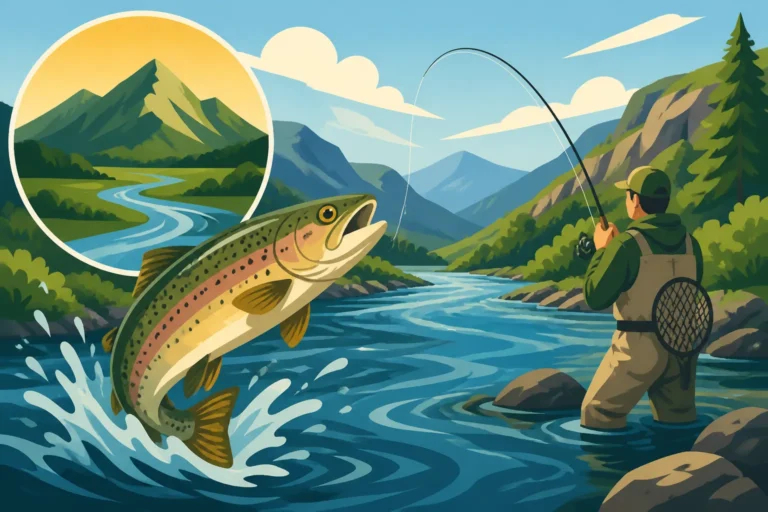
When you think of fishing near Provo, the Provo River is probably the first place that springs to mind, and for good reason. It's truly a gem, offering diverse fishing experiences, particularly for trout enthusiasts. However, it's not just a fly-fishing paradise; with a little know-how, spin anglers can also find incredible success here. The key to the Provo River is understanding its distinct sections, each offering a unique character and angling challenge.
Upper, Middle, and Lower Sections Explained
The Provo River isn't just one continuous stretch of water; it's segmented into three primary sections, each with its own charm and fish populations.
- Upper Provo River: This section flows above Jordanelle Reservoir, originating high in the Uinta Mountains. It's often characterized by smaller, wilder fish, primarily native cutthroat trout, and some rainbow trout. The scenery here is breathtaking, with pristine mountain backdrops and generally less angler pressure than the lower sections. Access can be a bit more challenging, sometimes requiring a hike, but the reward is often solitude and a genuine wilderness experience. This area is fantastic for those who enjoy sight-fishing and exploring smaller riffles and pools. Understanding the specific regulations for this section is crucial, as some areas might have special fly-and-lure-only rules or catch-and-release mandates to protect the fragile populations.
- Middle Provo River: This is arguably the most famous and heavily fished section, flowing between Jordanelle Reservoir and Deer Creek Reservoir. It's a true blue-ribbon fishery, teeming with healthy populations of brown and rainbow trout, many of which reach impressive sizes. The river here is wider, with a mix of deep pools, runs, and riffles, providing excellent habitat. It's incredibly popular with fly anglers, and you'll often see seasoned pros expertly casting their lines. However, don't let that intimidate you; there are plenty of access points along Highway 189, making it easy to find a spot. The fish in the Middle Provo are often wary due to pressure, so stealth and good presentation are key. If you're looking for a challenge and the chance at a truly memorable trout, this is your spot. You'll want to brush up on your How to Fly Fish the Provo River techniques if you plan on targeting this stretch with a fly rod.
- Lower Provo River: This section runs from Deer Creek Reservoir down to Utah Lake. While it still holds trout, especially closer to Deer Creek, it transitions into more of a mixed fishery as it approaches Utah Lake. You'll find a higher prevalence of whitefish and even some warmwater species migrating upstream from Utah Lake, such as bass and catfish. The lower river also sees more agricultural and urban influence, meaning the water quality can vary, especially during runoff. However, for those looking for a less crowded experience or interested in spin fishing with bait or lures, the Lower Provo can still yield surprising results, particularly during cooler months when trout are more active.
Best Seasons and Techniques for Provo River
To truly unlock the Provo River's potential, timing and technique are everything.
- Spring (March-May): This can be a challenging but rewarding time. Early spring sees increased fish activity as water temperatures rise, but you also have to contend with spring runoff from snowmelt, which can make the river high and murky. Focus on nymphing techniques during runoff, using heavier flies to get down to the fish. Once the runoff subsides, usually by late May or early June, hatches become more consistent, and dry fly fishing can be spectacular. This is a fantastic time for Utah Trout Fishing Tips.
- Summer (June-August): Prime time for consistent hatches and excellent dry fly fishing, especially in the mornings and evenings. Caddis, PMDs, and Tricos are common. Terrestrial patterns like hoppers and ants also work well along the banks. Spin anglers can find success with small spinners and spoons, particularly in deeper pools or during low light conditions. The Middle Provo gets crowded, so exploring slightly less accessible spots can pay off.
- Fall (September-November): Many consider fall to be the absolute best time to fish the Provo River. Brown trout become incredibly active and aggressive as they prepare to spawn, often displaying vibrant colors. Streamer fishing can be deadly, and nymphing remains productive. The crowds thin out, and the autumn foliage along the riverbanks provides a stunning backdrop.
- Winter (December-February): Don't write off winter! While demanding, hardy anglers can find excellent nymphing action, especially on warmer days. Midges are the primary food source. Focus on deeper, slower pools where fish conserve energy. Ice on the river can be an issue in colder stretches, so always prioritize safety.
Access Points and What to Expect
Access to the Provo River is generally quite good, especially on the Middle Provo. Along Highway 189, between Heber City and Provo Canyon, you'll find numerous pull-offs, parking areas, and designated public access points. Popular spots include areas near the Midway Lane bridge, Legacy Bridge, and various state park access points like the Vivian Park area. Many sections are walk-wade, meaning you'll need waders to effectively cover water.
What to expect: The Provo River, particularly the Middle Provo, is heavily trafficked by anglers. Courtesy and patience are paramount. Give fellow anglers space, and be mindful of private property signs. The fish here are educated, meaning they've seen a lot of flies and lures, so good presentation, matching the hatch, and being observant of fish behavior are critical. Don't be afraid to try different techniques or move to a new spot if your current one isn't producing. If you're new to fly fishing, considering a guided trip through a service like FishingBooker can be an invaluable way to learn the nuances of this specific river.
Utah Lake: A Hidden Gem for Warmwater Species
Often overlooked by trout-centric anglers, Utah Lake is actually a fantastic fishing destination right on Provo's doorstep. While it might not have the crystal-clear waters of a mountain reservoir, its sheer size and abundance of warmwater species make it a unique and exciting challenge. It's often misunderstood, but for those willing to explore its depths, Utah Lake offers some truly rewarding fishing.
Target Species and Prime Locations on Utah Lake
Utah Lake is primarily known for its warmwater fish, and you'll find a diverse array inhabiting its waters.
- Walleye: This is arguably the most sought-after species in Utah Lake. Walleye populations here are robust, and trophy-sized fish are not uncommon. They are prized for their delicious fillets and their challenging nature. Prime walleye spots often include rocky points, submerged humps, and the deeper channels, particularly during low light conditions or at night. The spring spawn, usually in April and May, is a very popular time to target them, but they can be caught year-round. Check out our guide on How to Catch Walleye at Utah Lake in Spring.
- Channel Catfish: Utah Lake is a catfish paradise. These hard-fighting fish can grow to impressive sizes, and they offer consistent action, especially during the warmer months. Catfish are often found in deeper areas, near structure, or along the muddier bottoms. They're excellent table fare and provide a strong fight.
- White Bass: These aggressive schooling fish provide fast action and are a blast to catch. They often chase schools of baitfish, creating exciting "boils" on the surface where you can cast into a feeding frenzy. White bass are prolific and make excellent eating. Look for them throughout the main lake, especially in open water.
- Black Bass (Largemouth and Smallmouth): While not as abundant as in some other reservoirs, both largemouth and smallmouth bass can be found in Utah Lake. Largemouth tend to prefer the more vegetated, shallower bays and marinas, while smallmouth gravitate towards rocky areas and rip-rap.
- Northern Pike: This is a crucial one to remember: Northern Pike are an invasive species in Utah Lake, and the Utah Division of Wildlife Resources (UDWR) has a mandatory harvest regulation. This means if you catch a northern pike, you must kill it and not release it back into the lake. They are voracious predators that threaten native species. For more details on this, see Why Utah Lake Require You to Kill Every Northern Pike.
- Carp: Common carp are extremely abundant in Utah Lake. While often overlooked by many anglers, they offer an incredible fight on light tackle and are a great sport fish for those willing to target them.
Prime locations often include the Provo Boat Harbor, Lincoln Beach, and various areas around the lake with access to deeper water or structure. The shallow nature of the lake means fish distribution can change with water levels and temperature.
Boat vs. Shore Fishing Opportunities
Utah Lake offers distinct advantages for both boat and shore anglers.
- Boat Fishing: Without a doubt, a boat gives you the ultimate advantage on Utah Lake. Its vast expanse and often shallow depths mean that accessing prime fishing areas, especially for walleye and white bass, is significantly easier with a vessel. You can cover more water, target offshore structure, and follow schooling fish. There are multiple boat ramps around the lake, including the popular Provo Boat Harbor, American Fork Boat Harbor, and Lincoln Beach. Make sure your boat is in compliance with Utah Boating and Fishing Rules. If you don't own a boat but want to explore the lake's potential, consider chartering a trip with a local guide. Services like FishingBooker can connect you with experienced captains who know the lake inside and out and can put you on the fish.
- Shore Fishing: Don't have a boat? No problem! Utah Lake still provides plenty of opportunities for shore anglers. The Provo Boat Harbor area, particularly the causeway and breakwater, is a popular spot for targeting catfish, white bass, and occasionally walleye, especially during low light. Lincoln Beach also offers decent shore access. Bait fishing with worms, cut bait, or stink bait is highly effective for catfish, while casting spoons or crankbaits can entice white bass and even some walleye. Shore fishing can be a bit more challenging due to the shallow water and sometimes murky conditions, but patience and persistence can lead to great catches.
Overcoming the Challenges of Utah Lake
Utah Lake isn't always an easy fishery, and it presents a few unique challenges that seasoned anglers have learned to navigate.
- Water Clarity: The lake's shallow depth and large surface area mean it can often be turbid, especially during windy conditions when the bottom sediment gets stirred up. This can make sight fishing difficult. Don't let it discourage you; many of the fish here are accustomed to lower visibility. Use baits and lures that emit strong scents or vibrations to help fish locate them.
- Weed Growth: During warmer months, extensive weed beds can develop, particularly in shallower bays. While these provide excellent cover for bass and other species, they can also make fishing with certain lures frustrating. Consider weedless rigs, topwater lures, or live bait presented above the weeds.
- Wind: Utah Lake is notorious for its wind. Strong winds can create significant chop, making boating difficult and shore fishing challenging. Always check the weather forecast before heading out. For boaters, having a good anchor or a reliable trolling motor is essential for holding your position.
- Invasive Species: As mentioned, northern pike require mandatory harvest. Be aware of other invasive species like common carp, and always clean, drain, and dry your boat and gear to prevent the spread of aquatic invasive species, as outlined in Utah Aquatic Invasive Species Rules for Anglers.
Deer Creek Reservoir: Scenic Beauty and Diverse Fishing
Just a short, scenic drive up Provo Canyon, you'll find Deer Creek Reservoir, a stunning body of water nestled among the mountains. It's a favorite for both its incredible scenery and its diverse fishery, offering something for almost every type of angler. It's a fantastic option if you're looking for a change of pace from the Provo River's technical fly fishing or Utah Lake's warmwater bounty.
Species to Target and Recommended Methods
Deer Creek is a true multi-species haven, stocked regularly by the UDWR, ensuring healthy populations and good catch rates.
- Rainbow Trout: These are the most commonly caught fish in Deer Creek, thanks to consistent stocking. They provide excellent action for both bait and lure anglers. They can be found throughout the reservoir, often near structure or deeper drop-offs.
- Brown Trout: While less numerous than rainbows, brown trout in Deer Creek can grow to impressive sizes, particularly in the deeper, cooler sections. They are more predatory and often targeted by trollers or anglers using larger lures or streamers.
- Smallmouth Bass: These feisty fighters have established a strong presence in Deer Creek, particularly around rocky points, submerged structure, and rip-rap. They offer aggressive bites and are a blast on light tackle. Look for them in areas with good rock cover.
- Walleye: Though not as abundant as in Utah Lake, Deer Creek also holds a decent population of walleye. They can be found in similar habitats to the bass but often prefer deeper, darker conditions. Night fishing can be productive for walleye here.
- Kokanee Salmon: Deer Creek is one of Utah's premier kokanee fisheries. These landlocked sockeye salmon are delicious and provide a unique trolling challenge. They are typically found in the open water column, feeding on zooplankton. Targeting them often requires downriggers and specialized trolling setups with small spoons or dodgers.
Recommended methods vary by species and season. For trout, power bait, worms, or small spinners (like Kastmasters or Mepps) are effective from shore. Trolling with pop gear and wedding rings, or rapala-style baits, works well from a boat. For smallmouth bass, crankbaits, jigs, and soft plastics fished near rocky structure are excellent choices. Walleye often respond to jigging with Berkley Gulp! or nightcrawlers. For kokanee, trolling with downriggers set at specific depths is key.
Best Access and Amenities
Deer Creek Reservoir is very accessible, making it a popular destination.
- Deer Creek State Park: This park provides multiple access points, including major boat ramps like the main marina and Island Beach. These areas offer facilities such as restrooms, picnic areas, and sometimes even boat rentals. The state park charges a day-use fee upon entry, but the amenities and maintained access are worth it.
- Shoreline Access: There are numerous areas along the shoreline, especially on the west side of the reservoir along Highway 189, where you can pull off and walk down to the water. Some popular shore fishing spots include the areas near the dam and the quieter coves.
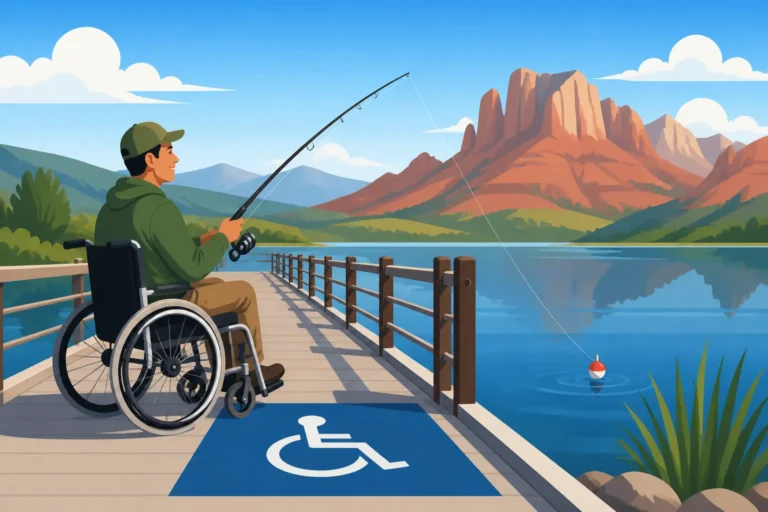
- Handicap Access: Some areas within Deer Creek State Park offer improved access for individuals with disabilities, including paved paths to fishing piers or easy access points.
- Camping: Deer Creek State Park also offers camping facilities, making it an ideal spot for a weekend fishing getaway. Imagine waking up, stepping out of your tent or RV, and being just a stone's throw from prime fishing water!
For more detailed information on getting to the water, you might want to look into Best Boat Ramps at Deer Creek Reservoir if you plan on bringing your own vessel.
Seasonal Strategies for Deer Creek
Understanding the seasonal patterns at Deer Creek can significantly increase your success.
- Spring (March-May): As ice comes off, trout become very active, feeding heavily along the shorelines. This is a prime time for shore anglers using bait or casting lures. Walleye also begin their spawning activities, making them more accessible. As the water warms, smallmouth bass will move into shallower, rocky areas.
- Summer (June-August): Trout and kokanee will move deeper to find cooler water. Trolling with downriggers becomes the most effective method for these species. Smallmouth bass remain active around structure. Early mornings and late evenings are often the most productive times, especially for surface activity or fishing in shallower areas before the heat sets in.
- Fall (September-November): Similar to the Provo River, fall offers some of the best fishing at Deer Creek. Trout become more aggressive, and brown trout begin their pre-spawn feeding frenzies. Kokanee will also begin their spawning run, turning bright red, although fishing for spawning kokanee is often discouraged or restricted. The cooler temperatures make for a very pleasant day on the water, and the fall colors are spectacular.
- Winter (December-February): Ice fishing is a very popular activity at Deer Creek once the ice is safe. Trout, perch, and even some walleye can be caught through the ice. Always verify ice conditions with local authorities or bait shops before venturing out. For more on safe ice practices, refer to our Utah Ice Fishing Guide.
Jordanelle Reservoir: Multi-Species Action Just Up the Road
A bit further north but still a very manageable drive from Provo, Jordanelle Reservoir offers another fantastic multi-species fishery with breathtaking views of the surrounding mountains. Located near Park City, it’s a popular spot for a variety of water sports, but it holds its own as a prime fishing destination, especially if you're looking for larger trout and kokanee.
What You'll Catch and How to Do It
Jordanelle Reservoir is known for its coldwater species, thriving in its deeper, cooler waters.
- Rainbow Trout: Like Deer Creek, rainbow trout are plentiful here due to regular stocking. They offer consistent action and can be caught using a wide range of methods from shore or boat.
- Brown Trout: Jordanelle is home to some truly impressive brown trout, often reaching trophy sizes. These predatory fish patrol the depths and near structure, often requiring specialized techniques like trolling large crankbaits or fishing live bait.
- Kokanee Salmon: Jordanelle is another top-tier kokanee salmon fishery in Utah. Trolling with downriggers and specific dodger-and-spoon combinations is the standard approach. Anglers meticulously track depth and speed to find these schooling fish, which are excellent for eating once caught.
- Smallmouth Bass: While not as numerous as trout or kokanee, smallmouth bass have a good presence in Jordanelle, particularly in rocky areas and along the dam face. They provide a fun fight, especially for anglers targeting them with jigs, crankbaits, or soft plastics.
- Tiger Trout: These sterile hybrid trout (brown trout x brook trout) are stocked in Jordanelle and offer a unique challenge. They are aggressive predators and beautiful fish, often targeted with lures that mimic baitfish.
For techniques, shore anglers will do well with PowerBait, worms, or casting spoons and spinners for trout. Boaters targeting trout and kokanee will find success trolling with various presentations, utilizing a fish finder to locate schools and structure. For smallmouth, focus on rocky shorelines, submerged humps, and points using finesse techniques or reaction baits. You can find general advice in our Utah Trolling Techniques for Lake Trout which can be adapted for targeting kokanee and trout here.
Recreational Opportunities Beyond Fishing
Jordanelle is a popular state park, which means it offers more than just fishing. This can be a double-edged sword: great amenities, but also potentially more crowds, especially during peak summer weekends.
- Boating and Watersports: The reservoir is a hub for recreational boating, jet skiing, wakeboarding, and paddleboarding. This means the water can get quite busy, particularly in the main body.
- Camping: Jordanelle State Park offers extensive camping facilities, from primitive sites to full RV hookups. Camping here allows for early morning and late evening fishing, often the most productive times, before the daytime crowds arrive.
- Hiking and Biking: Trails surround parts of the reservoir, offering opportunities for hiking and mountain biking with spectacular views.
- Winter Sports: In winter, when the reservoir freezes, it becomes a popular spot for ice fishing. The surrounding area is also a gateway to world-class skiing and snowboarding resorts.
Navigating Crowds and Finding Solitude
Given Jordanelle's popularity for various activities, finding peaceful fishing spots, especially during summer, requires a bit of strategy.
- Timing is Key: Aim for weekdays, early mornings, or late evenings to avoid peak crowds. The fishing can often be best during these times anyway.
- Explore Different Access Points: While the main marina (Jordanelle Marina) is very popular, explore other access points like Hailstone or Ross Creek. Sometimes walking a bit further from the main parking areas can lead to less pressured water.
- Focus on Depths: If you have a boat, moving to deeper waters away from the main recreational boating channels can put you on fish that aren't disturbed by the surface activity. Trolling in the middle of the reservoir for kokanee or deep-holding trout can be very productive.
- Ice Fishing in Winter: For true solitude and focused fishing, consider visiting Jordanelle during the winter for ice fishing. The atmosphere is entirely different, quieter, and often incredibly productive for a variety of species. Be sure to understand Utah Ice Fishing Regulations.
Comparing Provo's Premier Fishing Spots
To help you decide where to cast your line next, here's a quick comparison of these excellent fishing locations near Provo.
| Feature | Provo River (Middle Section) | Utah Lake | Deer Creek Reservoir | Jordanelle Reservoir |
|---|---|---|---|---|
| Primary Species | Brown Trout, Rainbow Trout | Walleye, Catfish, White Bass, Northern Pike* | Rainbow Trout, Brown Trout, Smallmouth Bass, Kokanee, Walleye | Rainbow Trout, Brown Trout, Kokanee, Smallmouth Bass, Tiger Trout |
| Best Fishing Type | Fly Fishing (wade) | Boat (warmwater), Shore (catfish) | Boat (trolling), Shore (trout, bass) | Boat (trolling), Ice Fishing |
| Accessibility | Moderate (numerous pull-offs, walk-wade) | High (multiple boat ramps, some shore access) | High (State Park, boat ramps, shore access) | High (State Park, boat ramps, shore access) |
| Crowd Levels | High (especially Middle Provo) | Moderate (can vary with species) | Moderate to High (seasonal) | Moderate to High (seasonal, water sports) |
| Scenery | Excellent (canyon, riverine) | Moderate (lake views, distant mountains) | Excellent (mountain backdrop, reservoir) | Excellent (mountain backdrop, reservoir) |
| Unique Feature | Blue-Ribbon Trout Fishery, fly fishing mecca | Trophy Walleye and Catfish, mandatory pike harvest* | Diverse cold & warmwater species, good amenities | Large kokanee and trophy brown trout potential |
| Challenges | Educated fish, crowded, runoff | Wind, murky water, invasive pike | Recreational boating traffic (summer) | Recreational boating traffic (summer) |
* Northern Pike in Utah Lake must be harvested; do not release.
No matter which of these fantastic fishing spots near Provo you choose, remember to always check the most current Utah fishing regulations for specific limits, bait restrictions, and season dates. A current Utah Fishing License Guide is your best friend. Tight lines, and happy fishing!
Disclaimer
The information provided in this guide is for general informational purposes only and is subject to change. Fishing regulations, conditions, and species populations can vary significantly. Always consult the official Utah Division of Wildlife Resources (UDWR) publications or website for the most current and accurate regulations before heading out on your fishing trip. Exercise caution and good judgment while fishing, especially regarding water safety and weather conditions.