Utah Ice Fishing Guide
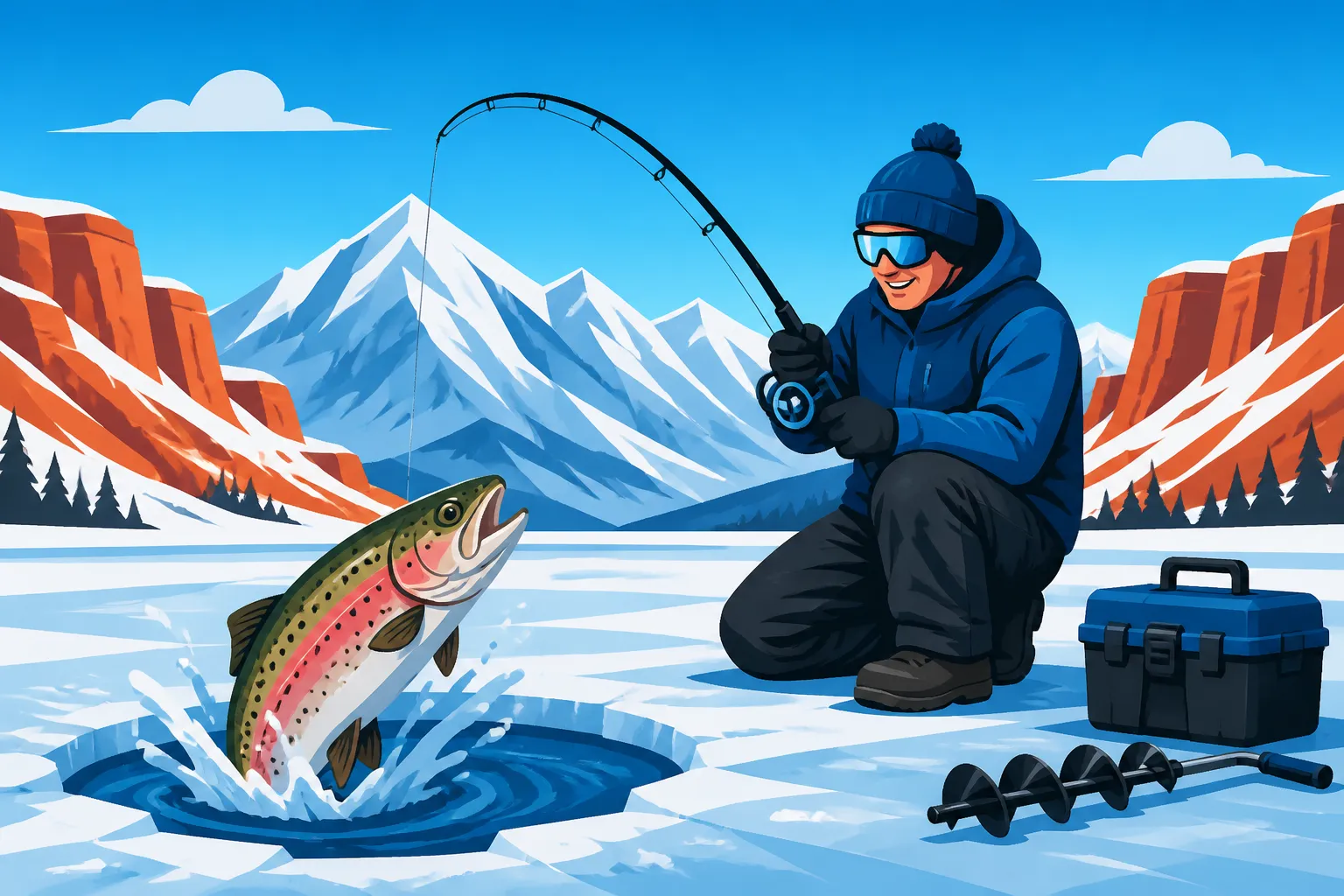
Stepping onto a frozen lake in Utah can feel like entering another world. The silence, the crisp air, and the anticipation of pulling a fish through a hole in the ice are truly unique. However, for many anglers, especially beginners, the thought of ice fishing can be daunting—figuring out what gear you need, where to go, and how to stay safe and warm feels like a huge hurdle. This comprehensive guide is here to break down everything you need to know, from essential equipment to proven techniques and the best spots to drop a line, ensuring your first (or next) Utah ice fishing adventure is successful and enjoyable.
The Allure of Utah Ice Fishing
There’s something undeniably magical about ice fishing. While many anglers pack away their gear once the colder months arrive, a dedicated few eagerly await the freeze. It's an opportunity to experience Utah's stunning winter landscapes from a completely different perspective, and often, to catch some of the biggest fish of the year.
Why Brave the Cold?
Let's be honest, the idea of sitting out in freezing temperatures might not immediately scream "fun" to everyone. But for those who embrace it, ice fishing offers a solitude and a unique challenge that open-water fishing often can't match. First off, it’s a surprisingly social activity if you want it to be. You’ll often find groups huddled in portable shelters, sharing stories, hot cocoa, and the thrill of a biting fish. The community aspect, especially around popular spots like Strawberry Reservoir or Rockport Reservoir, is fantastic.
Beyond the camaraderie, ice fishing often provides access to fish that are harder to reach during other seasons. As the water cools, many fish species, particularly trout and perch, school up in predictable patterns, making them concentrated targets. You might find fewer crowds compared to the bustling summer months, offering a more peaceful angling experience. Plus, there's a certain satisfaction that comes from bringing a beautiful trout through a small hole in what feels like an impenetrable sheet of ice. The fish tend to be incredibly feisty in the cold water, making for memorable fights, and often, the cooler water preserves their flavor if you plan on keeping them for a meal.
When and Where to Hit the Ice
The prime ice fishing season in Utah typically kicks off in mid to late December, once lakes and reservoirs have developed a safe, thick layer of ice, and can extend well into March, sometimes even April in higher elevations. Timing is everything, and checking current conditions is crucial. You’ll want to keep an eye on weather forecasts and, more importantly, reports from the Utah Division of Wildlife Resources (DWR) or local tackle shops. They often have the most up-to-date information on ice thickness and recent catches.
While many of Utah's waterways freeze over, some are simply better suited for ice fishing than others. Generally, shallower lakes and reservoirs, especially those in central and northern Utah, tend to freeze first and offer more consistent conditions. Popular spots often have amenities like plowed access roads and nearby tackle shops, which can be a huge convenience, especially when dealing with heavy gear. Knowing the Utah Fishing Season Dates and Limits for specific species and waters is also paramount, as regulations can vary and impact when and where you can fish. We’ll delve deeper into specific hotspots later, but for now, just know that patience and research are key to finding that perfect frozen paradise.
Essential Gear for Utah Ice Anglers
Alright, let's talk gear! This is where many newcomers feel overwhelmed, but don't fret. While you can go as minimalist or as high-tech as you want, there are some absolute essentials you can't skip if you want to stay safe, warm, and actually catch fish. Think of it as investing in comfort and success.
Staying Warm and Safe
The number one priority when ice fishing is safety and warmth. Being cold out on the ice isn't just uncomfortable; it can be dangerous. Layering is your best friend. Start with a moisture-wicking base layer against your skin, like merino wool or synthetic fabrics, to pull sweat away from your body. Next, add an insulating mid-layer, such as fleece or down, to trap heat. For your outer layer, you'll want something waterproof and windproof, like a good quality snowsuit or insulated bibs and a jacket. Many ice anglers swear by specialized ice fishing suits from brands like Striker or Eskimo, which often include flotation assistance for added safety. Don't forget a warm hat that covers your ears, a neck gaiter, and insulated, waterproof gloves or mittens. Believe me, cold hands can ruin a trip faster than anything.
Beyond clothing, you need safety gear. Ice picks, worn around your neck, are non-negotiable. If you happen to fall through the ice, these allow you to get a grip on the ice and pull yourself out. A length of rope (at least 50 feet) is also a good idea to have on hand for rescue situations. A whistle can help signal for help if you get into trouble. And for those longer days or in colder conditions, a portable ice fishing shelter can make all the difference. These range from simple flip-over models to spacious hub-style shelters that can fit multiple people and a heater. For more options, check out guides on Best Ice Fishing Shelters for Utah Winters. Being comfortable means you can stay out longer and enjoy the experience, and being safe means you're around to tell the tale!
Rods, Reels, and Line
Ice fishing rods are typically much shorter than their open-water counterparts, usually ranging from 24 to 36 inches. This shorter length is perfect for fishing in the confined space of a shelter or close to your hole, giving you better control and sensitivity for detecting subtle bites. You'll find different actions, just like with regular rods: ultra-light for panfish, medium for trout and perch, and heavier options for larger species like walleye or lake trout. A good quality graphite or composite rod will offer the best sensitivity, allowing you to feel even the lightest nibbles.
For reels, a small spinning reel is usually the go-to. Look for models designed for cold weather, as some lubricants can stiffen up in freezing temperatures. Spool your reel with a good quality monofilament or fluorocarbon line in the 2-6 pound test range for most trout and panfish. Some anglers prefer braided line for its sensitivity and lack of stretch, especially when jigging in deeper water, but it can freeze up more easily if not properly managed. When using braid, consider a fluorocarbon leader for stealth. For targeting specific species like trout, you might also want to read up on How to Rig a Jig for Utah Trout. The right combination of rod, reel, and line can significantly improve your ability to detect bites and successfully land fish.
Augers and Electronics
You can't ice fish without a hole in the ice, and that's where an auger comes in. There are several types to choose from. Hand augers are the most affordable and lightweight, perfect for early season ice or if you're only drilling a few holes. However, drilling many holes, or through thick ice, can quickly become exhausting. Propane or gas-powered augers offer much more power and speed, making quick work of even thick ice, but they are heavier, noisier, and require fuel. Electric augers, powered by rechargeable batteries, are becoming increasingly popular. They're quiet, environmentally friendly, and powerful, but battery life needs to be managed carefully, especially in extreme cold. The size of the auger bit matters too; a 6-inch auger is usually sufficient for panfish and smaller trout, while an 8-inch or 10-inch auger is better for larger fish and allows more room to maneuver. For a more detailed look, check out this guide on Best Ice Auger Size for Utah Ice Fishing.
Electronics have revolutionized ice fishing. A good fish finder, often called a flasher for ice fishing, can show you not only the depth but also the presence of fish, your lure, and how fish are reacting to it in real-time. This instant feedback is invaluable for adjusting your technique and knowing when to expect a bite. Brands like Humminbird (with their Ice Helix series) and Lowrance offer excellent ice fishing specific units. They can be a bit of an investment, but many anglers find them indispensable for locating fish and understanding their behavior under the ice. If you’re serious about maximizing your catch rate, especially in unfamiliar waters, a quality flasher is a game-changer. You can find a wide selection of these devices, along with other essential ice fishing gear, on platforms like Amazon.
Mastering Utah Ice Fishing Techniques
Ice fishing isn't just about dropping a line down a hole and waiting. There's a subtle art to it, with various techniques tailored to different fish species and conditions. Understanding these can drastically improve your success rate.
Jigging Strategies for Different Species
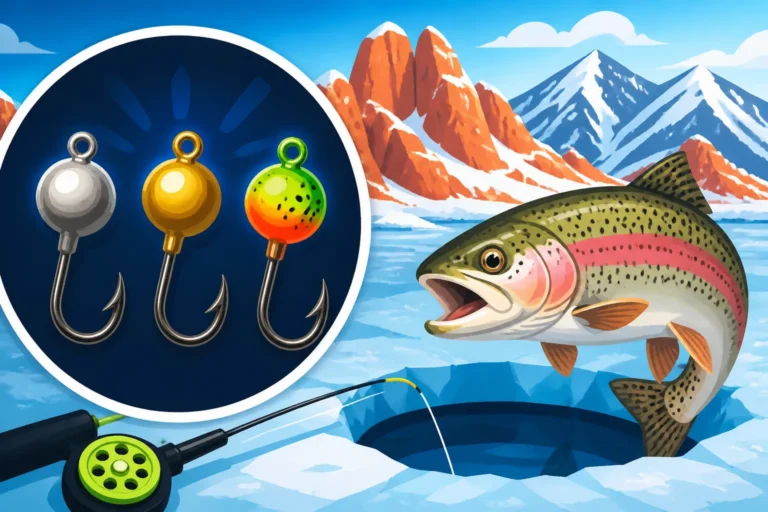
Jigging is arguably the most common and effective ice fishing technique. It involves vertically moving a small lure (a jig) up and down to attract fish. The retrieve can vary: some days fish prefer a slow, subtle twitch, while other days they might hit a more aggressive lift-and-drop.
- Trout and Perch: For rainbow trout, cutthroat, and yellow perch, small spoon jigs (like the VMC Tingler Spoon or Northland Forage Minnow) or tungsten jigs tipped with a grub, wax worm, or a small piece of PowerBait are highly effective. The key is often to jig aggressively to get their attention, then let the lure settle and gently twitch it to entice a strike. Rainbows love a flashy jig, while perch often prefer a more subtle presentation closer to the bottom. For a deeper dive into trout techniques, consider looking into How to Ice Fish for Trout in Utah.
- Kokanee Salmon: Kokanee can be finicky. They often respond well to small jigging spoons or tungsten jigs sweetened with a kernel of corn. They tend to school up, and once you find them, you can often catch several. A gentle lift and fall is usually the ticket, imitating a struggling insect or baitfish. Depth is critical, as kokanee often suspend in the water column rather than hugging the bottom.
- Walleye: If you're chasing walleye, a more aggressive jigging motion with larger spoons (like a Northland Buck-Shot Rattle Spoon) or even lipless crankbaits can work wonders. Tipping with a minnow head or a whole minnow can also be very enticing. Walleye often prefer fishing near structure or drop-offs, especially during low-light conditions.
The important thing is to experiment with different jigs, colors, and jigging actions until you find what the fish are responding to on any given day.
Bait and Attractants That Work
While artificial lures are effective, sometimes natural bait is simply irresistible. Combining bait with jigs is a popular and potent strategy.
- Live Bait: For many species, especially trout and perch, live bait is king. Wax worms, mealworms, and small minnows are staples. Always check regulations for bait restrictions on specific waters; some lakes might prohibit live minnows to prevent the spread of invasive species. Hooking a wax worm or mealworm onto a small jig can provide both scent and natural movement that entices even finicky fish. You can often find these at local bait shops or sometimes on Amazon for convenience.
- Dead Bait: Cut bait, particularly pieces of sucker meat or anchovies, can be excellent for larger predatory fish like lake trout or even catfish. A whole dead minnow presented on a quick-strike rig can also be effective for walleye.
- Scent and Artificials: PowerBait, Gulp! products, and other scented soft plastics are hugely popular for stocked trout. These provide strong scent trails and come in a variety of colors and shapes. Often, a tiny piece of PowerBait molded onto a small treble hook or jig head is all it takes. For aggressive fish, brightly colored small spoons or even small swimbaits can trigger reaction strikes. Don’t underestimate the power of a little fish attractant spray added to your lure to give it that extra edge.
Tip-Up Tactics for Passive Angling
While jigging keeps you active, tip-ups offer a more relaxed, passive approach to ice fishing, allowing you to cover more area and target different depths simultaneously. A tip-up consists of a spool of line submerged under the ice and a flag mechanism that "tips up" when a fish takes the bait. This signals a bite, allowing you to then hand-line the fish in.
Tip-ups are particularly effective for larger, less active fish like lake trout, walleye, or even pike (where legal). They allow you to present a larger bait, such as a whole minnow or a large chunk of cut bait, at a specific depth for extended periods. When setting up a tip-up, ensure your bait is suspended off the bottom or at the depth where you've marked fish on your flasher. Secure the tip-up firmly in the snow or ice to prevent it from blowing away or being pulled into the hole by a strong fish.
Utah regulations typically allow you to use up to two fishing poles and one trot line or setline with no more than 15 hooks, or a limit of two trot lines with a total of 25 hooks, when ice fishing. This means you can often combine jigging with tip-ups to maximize your chances. Always double-check the Utah Ice Fishing Regulations for the specific water body you're fishing, as limits on the number of lines or tip-ups can vary. Using tip-ups effectively means spreading them out, covering different depths, and staying vigilant for that tell-tale flag.
Top Utah Ice Fishing Destinations
Utah boasts an incredible variety of ice fishing opportunities, from popular, easily accessible reservoirs to more remote, high-alpine lakes. Each offers its own unique charm and target species.
Southern Utah Hotspots
While southern Utah is often associated with red rock and desert heat, it also offers some fantastic ice fishing when the conditions are right.
- Panguitch Lake: Located at a higher elevation, Panguitch Lake usually freezes solid and provides excellent fishing for rainbow trout, cutthroat trout, and tiger trout. The ice here can be thick, and the fishing often remains strong throughout the winter. Panguitch is famous for its large trout, so be prepared for a fight! It's a popular destination, so expect some company, especially on weekends, but the rewards are often worth it. Access is generally good, with plowed roads to popular fishing areas.
- Fish Lake: Known as "the Jewel of the Wasatch," Fish Lake offers some of Utah's most diverse and exciting ice fishing, including trophy lake trout (mackinaw), splake, rainbow trout, and even yellow perch. The lake's deep, cold waters are perfect for these species. Anglers here often use larger jigs and dead bait for lake trout, while smaller jigs and baits are ideal for rainbows and perch. The scenery is absolutely breathtaking, making it a truly memorable winter experience. If you’re targeting the big ones, exploring Fish Lake Trophy Trout Fishing resources can be invaluable. The key to Fish Lake is to understand its depth and the thermoclines where fish tend to suspend.
Central and Northern Utah Favorites
These regions contain some of Utah's most iconic and productive ice fishing waters, often drawing crowds due to their excellent fishing and accessibility.
- Strawberry Reservoir: This is arguably Utah's most famous ice fishing destination. Strawberry consistently produces large cutthroat trout and kokanee salmon. The lake typically freezes solid by mid-December, and the fishing can be phenomenal. Anglers use everything from jigging spoons tipped with corn for kokanee to larger tube jigs and sucker meat for the monster cutthroats. The vastness of Strawberry means you can usually find a spot away from the crowds if you're willing to venture a bit. Access points like Strawberry Bay and Soldier Creek are popular. Be sure to check the specific regulations, as Strawberry often has unique rules for bait and catch limits. For more detailed insights, check out Strawberry Reservoir Ice Fishing Spots.
- Rockport Reservoir: Just a short drive from the Wasatch Front, Rockport is another excellent choice for ice anglers. It's known for its abundant rainbow trout, brown trout, and tiger trout. The lake freezes reliably, offering consistent action, especially early in the season. Small jigs, PowerBait, and wax worms are highly effective here. Rockport is a great spot for families and beginners due to its easy access and typically good bite.
- Scofield Reservoir: Another central Utah gem, Scofield is renowned for its large rainbow trout, cutthroat trout, and tiger trout. It's a slightly higher elevation lake, so it usually freezes early and stays frozen late. Scofield can be a fantastic place to catch limits of good-sized trout. Like Rockport, standard ice fishing baits and jigs work well here. It’s a popular spot for both local and out-of-state anglers.
- Deer Creek Reservoir: Closer to Provo, Deer Creek is another great option when it freezes solid, offering rainbow and brown trout, as well as some smallmouth bass and perch. The ice conditions here can be a bit more variable than higher-elevation lakes, so always check before heading out. When it's good, it's a very convenient option for Wasatch Front anglers.
High-Altitude Gems
For those willing to hike or venture into more remote areas, Utah's Uinta Mountains offer a plethora of high-altitude lakes that, when frozen, provide incredible, solitary ice fishing experiences. These often hold eager brook trout, cutthroat, and tiger trout. Lakes like those around Mirror Lake Highway or the High Uintas Wilderness are incredible in the summer, and some are accessible and fishable through the ice, though they often require snowmobiling, snowshoeing, or cross-country skiing to reach. Always prioritize safety and be prepared for extreme winter conditions when exploring these remote locations. The rewards, however, can be breathtaking scenery and untouched fishing.
Safety First on the Ice
Safety is paramount when ice fishing. No fish is worth risking your life. Always err on the side of caution.
Judging Ice Thickness and Conditions
The single most critical factor in ice fishing safety is ice thickness. There's no such thing as "100% safe ice," but there are guidelines for minimum thickness to support various activities:
- 2 inches or less: STAY OFF! This ice is not safe.
- 4 inches: Suitable for ice fishing on foot.
- 5-7 inches: Good for snowmobiles or ATVs.
- 8-12 inches: Can support a small car.
- 12-15 inches: Good for medium-sized trucks.
Always check the ice thickness yourself, even if others are out there. Conditions can vary widely across a single body of water, and factors like springs, currents, and sun exposure can create thin spots. Use an ice auger to drill test holes as you venture out, checking every 10-20 feet. Pay attention to ice color: clear blue ice is generally strongest, while white or opaque ice (snow ice) is about half as strong. Dark ice can indicate thinness or water underneath. Avoid areas with cracks, pressure ridges, or slush. For a detailed breakdown, consult How Thick Does Utah Ice Need to Be Before You Can Fish On It?.
Here's a quick guide to ice thickness:
| Ice Thickness | Activity Permitted | Notes |
|---|---|---|
| < 2 inches | Stay Off! | Extremely dangerous. |
| 4 inches | Single person on foot | Proceed with extreme caution. Spread weight. |
| 5-7 inches | Snowmobile, ATV | Requires careful navigation, avoid driving directly over cracks. |
| 8-12 inches | Small car or light truck (under 2 tons) | Verify with local experts/DWR. Avoid driving on unknown areas. |
| 12-15 inches | Medium truck | Very rare in Utah, only on very stable, cold reservoirs. |
What to Do in an Emergency
Even with all precautions, accidents can happen. Knowing what to do if you or someone else falls through the ice is crucial.
- If YOU fall through:
- Don't panic! Your clothing will be heavy, but try to remain calm.
- Turn back: Face the direction you came from (that's likely where the ice was solid enough to hold you).
- Reach and kick: Extend your arms onto the solid ice, and vigorously kick your legs to propel yourself horizontally out of the water. Use your ice picks for grip.
- Roll away: Once you're out, don't stand up. Roll away from the hole to distribute your weight, then crawl back to thicker ice.
- Get warm: Immediately seek shelter and dry, warm clothing. Hypothermia sets in quickly.
- If SOMEONE ELSE falls through:
- Don't rush in! You could also fall through.
- Call for help: Yell for assistance from others and call 911 if possible.
- Reach, throw, row: Use a rope, a branch, a spare tire, or anything that floats to extend to the victim without getting too close to the edge yourself. Lie flat on your stomach to distribute your weight as you get closer.
- Pull them out: Once they grab the object, slowly and carefully pull them to safety.
- Get warm: Help them get to warmth and dry clothes immediately.
Carrying a fully charged cell phone (in a waterproof bag), a first-aid kit, and emergency blankets are smart practices for any ice fishing trip.
Regulations Specific to Ice Fishing
Utah has specific regulations that apply to ice fishing, and it's your responsibility as an angler to know and follow them. These often cover the number of lines you can use, the type of bait permitted, and rules for ice shanties.
- Number of Lines: Generally, in Utah, you are allowed to use two fishing poles and one trot line or setline with no more than 15 hooks, or a limit of two trot lines with a total of 25 hooks, when ice fishing. This means you can actively fish two holes while having a tip-up or two set out. However, always check the specific rules for the water body you are on, as some waters may have stricter limitations. Understanding How Many Ice Fishing Rods Can You Use at Once in Utah? is key to avoiding penalties.
- Ice Shanties: If you use a portable ice fishing shelter, you generally need to have your name and address clearly marked on it. Also, there are often rules about when shelters must be removed from the ice to prevent them from becoming hazards once the ice starts to melt. These regulations are designed to protect the environment and other recreational users.
- Bait Restrictions: Certain waters might have restrictions on using live baitfish to prevent the spread of aquatic invasive species. Always verify the bait regulations for your chosen fishing spot before you head out. Ignorance of the rules is not an excuse. A quick check of the current Utah Fishing Regulations Explained before each trip is highly recommended.
Preparing Your Catch and Gear Post-Trip
You've had a great day on the ice, caught some fish, and now it's time to head home. The work isn't quite over yet! Proper handling of your catch and maintenance of your gear will ensure fresh meals and a longer life for your equipment.
Keeping Your Fish Fresh on the Ice
One of the great advantages of ice fishing is that the cold environment naturally helps preserve your catch. However, simply leaving fish on the ice in the sun isn't ideal. The best practice is to bleed your fish immediately after catching them. This improves the flavor and keeps the meat cleaner. Make a quick cut under the gills and let the fish bleed out in a snowbank or a bucket of water.
Next, place your fish in a cooler with snow or ice, or even just in a snowbank, ensuring they stay cold and out of direct sunlight. While the air temperature is cold, the sun can still warm up fish if they’re exposed, leading to a softer texture. If you plan on keeping them whole for a while before cleaning, pack them thoroughly in snow. If you're going to fillet them right away, an insulated bucket or cooler will keep them firm until you get to the cleaning station. Never let your catch sit in a pool of warm water inside your bucket.
Cleaning and Maintaining Your Ice Fishing Gear
Your gear takes a beating out on the ice, exposed to freezing temperatures, slush, and sometimes even dirty water. Proper cleaning and maintenance are essential for its longevity.
- Rods and Reels: Wipe down your rods and reels with a damp cloth to remove any ice, slush, or dirt. Pay special attention to the reel's spool and line guides, ensuring no ice crystals remain. Allow them to air dry completely indoors before storing. You might also want to apply a light lubricant to your reel's moving parts if it's designed for it, especially if it was exposed to moisture.
- Augers: For hand augers, wipe the blades clean and dry them thoroughly to prevent rust. Consider spraying them with a silicone lubricant or a rust preventative. For power augers, follow the manufacturer's instructions for cleaning and maintenance. Check the fuel lines and spark plugs, and consider a fuel stabilizer if storing for an extended period. How to Sharpen an Ice Auger Blade is a useful skill to learn as well, to ensure your auger is ready for next season.
- Shelters: If you have a portable ice shelter, ensure it’s completely dry before folding and storing it. Setting it up in your garage or basement for a day or two to air out will prevent mildew and odors. Clean any mud or slush from the fabric with a brush or damp cloth. Check zippers and poles for damage.
- Clothing: Your outer layers, especially insulated suits, should be cleaned according to their care tags. Dry them thoroughly to maintain their insulating properties. For boots, remove any liners and let them dry completely to prevent odors and mildew.
Storing Gear for the Off-Season
Once the ice melts and spring rolls around, it's time to put your ice fishing gear away until next winter. Proper storage is key to making sure everything is ready to go when the cold returns.
- Rods and Reels: Store rods in a rod rack or hanging vertically to prevent warping. Loosen the drag on your reels to prevent compression of the drag washers over time.
- Line: Consider stripping off your old fishing line and replacing it next season, especially if it's monofilament, as it can develop memory and lose strength over time.
- Augers: For gas-powered augers, either run them dry of fuel or add a fuel stabilizer. For electric augers, store batteries according to manufacturer recommendations (often partially charged in a cool, dry place).
- Shelters: Store shelters in a dry, dark place to protect the fabric from UV degradation and moisture.
- General: Keep all your gear in a rodent-proof container or area, as mice love to chew through fishing line, soft plastics, and even shelter fabrics. Take a look at How to Store Fishing Gear Over a Utah Winter for more detailed tips on preserving your investment.
Frequently Asked Questions About Utah Ice Fishing
It's natural to have a lot of questions when getting into a specialized activity like ice fishing. Let's tackle some common concerns and provide clear, practical answers.
Do I Need a Different License for Ice Fishing?
No, you do not need a separate or different license specifically for ice fishing in Utah. Your standard valid Utah fishing license covers ice fishing, just as it covers open-water fishing. Whether you have an annual license, a 3-day, or a 7-day option, as long as it's current, you're good to go. However, it's always a good idea to have your license readily accessible, whether it's a physical copy or stored digitally on your phone via the DWR app. You can find all the details on requirements and purchase options in the Utah Fishing License Guide. Remember, possessing a valid license is a fundamental part of responsible angling.
What are the Best Fish Species to Target Through the Ice in Utah?
Utah offers a fantastic variety of fish that are active and bite well through the ice. The most popular species to target include:
- Rainbow Trout: Found in most ice fishing reservoirs and ponds, rainbows are often eager biters and a favorite for beginners and experienced anglers alike. They respond well to jigs tipped with PowerBait, wax worms, or mealworms.
- Cutthroat Trout: Especially prevalent in Strawberry Reservoir and Bear Lake, these native trout can grow to impressive sizes and put up a strong fight. They often prefer slightly larger jigs or dead bait.
- Tiger Trout: A sterile hybrid of brown and brook trout, tiger trout are aggressive predators with beautiful patterns. They are stocked in several Utah waters like Scofield and Panguitch and are known for their strong strikes on jigs and small spoons. You can learn more about them in our Utah Trout Species Guide.
- Yellow Perch: Found in many lakes, including Fish Lake and Deer Creek, perch are schooling fish, meaning if you find one, you'll likely find more! They are delicious and fun to catch on tiny jigs tipped with wax worms or mealworms.
- Kokanee Salmon: These landlocked sockeye salmon are popular at Strawberry Reservoir and Flaming Gorge. They are often suspended in the water column and prefer small, flashy jigs tipped with a single kernel of corn.
- Lake Trout (Mackinaw): For trophy hunters, Flaming Gorge and Fish Lake offer opportunities for massive lake trout. These deep-water predators require heavier gear, larger jigs, and often dead bait like sucker meat, fished close to the bottom.
- Walleye: Utah Lake is a prime spot for walleye through the ice, especially during low-light conditions. Jigging spoons and lipless crankbaits, often tipped with a minnow head, are effective.
Can I Use a Propane Heater in My Ice Shelter?
Yes, you can absolutely use a propane heater in your ice fishing shelter, and for many anglers, it's essential for staying comfortable, especially on bitter cold days. Portable propane heaters like those from the Mr. Heater series are incredibly popular and widely available, including on Amazon. However, there are crucial safety considerations:
- Ventilation: Always ensure adequate ventilation in your shelter. Propane heaters produce carbon monoxide, an odorless, colorless, and deadly gas. Many shelters come with built-in vents, but you might need to crack a door or window slightly.
- Carbon Monoxide Detector: This is a non-negotiable safety item when using a propane heater in an enclosed space. Portable, battery-powered carbon monoxide detectors are readily available and can save your life.
- Clearance: Keep the heater away from flammable materials like tent fabric, sleeping bags, or clothing. Place it on a stable, non-flammable surface.
- Fuel Storage: Store extra propane tanks outside the shelter.
Following these safety guidelines will allow you to enjoy a warm and comfortable ice fishing experience without risk.
Is Ice Fishing Safe for Kids?
Absolutely! Ice fishing can be a fantastic family activity and a wonderful way to introduce kids to the outdoors in winter. The confined space of a warm shelter, combined with the excitement of reeling in a fish through the ice, often captivates children.
However, extra precautions are necessary:
- Supervision: Children must be constantly supervised on the ice.
- Safety Gear: Ensure kids wear appropriate warm, layered clothing and, crucially, a properly fitted life jacket over their winter clothes. While it might seem counterintuitive on ice, a life jacket can be a lifesaver if they slip and fall into a hole or, worst-case, fall through the ice.
- Warmth: Keep them very warm. Hand warmers and toe warmers can make a big difference, as can a cozy, heated shelter. Hot drinks and snacks are also a must.
- Education: Teach them about ice safety, how to check ice thickness (even if you're doing the actual checking), and what to do if an emergency occurs.
- Short Trips: Keep initial trips short to prevent them from getting too cold or bored. Focus on the experience, not just catching fish. Many community ponds that are stocked frequently offer excellent opportunities for kids to get bites, boosting their confidence and enjoyment.
With careful planning, ice fishing can create cherished family memories and foster a love for winter outdoor adventures.
Disclaimer
The information provided in this Utah Ice Fishing Guide is for general guidance and informational purposes only. Ice conditions, fishing regulations, and safety recommendations can change rapidly. Always consult the official Utah Division of Wildlife Resources (DWR) regulations and local conditions reports before venturing onto the ice. Ice fishing involves inherent risks, and individual responsibility for safety is paramount. Neither the author nor the publisher assumes any liability for accidents or injuries sustained while following the advice in this guide.