Is Zion National Park Good for Fishing?
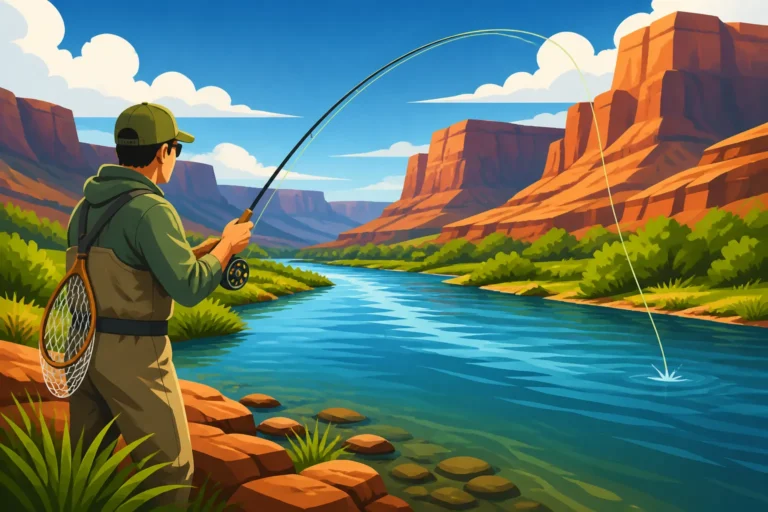
When you dream of visiting Zion National Park, your mind probably conjures up images of towering sandstone cliffs, emerald pools, and breathtaking hikes. But if you’re an angler, a different question might also bubble to the surface: Is Zion National Park good for fishing? It’s a completely fair question! Many national parks offer fantastic fishing opportunities, while others focus purely on conservation with limited access. This guide will dive deep into what you can expect if you bring your rod and reel to Zion, covering everything from licenses and regulations to the unique fish species you might encounter.
Understanding Fishing Regulations in Zion National Park
Fishing in a national park can often feel like navigating a maze of rules, especially when state and federal regulations intertwine. Zion National Park is no exception, and it's crucial to understand the specifics before you cast your line. The primary goal within the park is to protect its unique ecosystems, particularly the native fish species, which means anglers have a special responsibility.
Licensing Requirements for Park Waters
First things first: you absolutely need a valid Utah state fishing license to fish anywhere within Zion National Park boundaries, just as you would for any other public water in Utah. This isn't a special "national park fishing license," but rather your standard state license. You can't just show up with your rod and assume you're covered; fines for fishing without a license can be steep, and nobody wants that kind of damper on a beautiful day in Zion.
The Utah Division of Wildlife Resources (DWR) manages these licenses, and they are readily available online or at various vendors throughout the state. If you're planning your trip, it's a good idea to sort this out in advance. You'll find plenty of information in our comprehensive guide, "Utah Fishing License Guide," which walks you through the various options. Whether you're a Utah resident or visiting from out of state, the requirements and costs vary, so be sure to check the details for your specific situation. For instance, you might want to look into the "Utah Resident Fishing License Cost" if you live here, or the non-resident options if you're just passing through. It's really quite simple to acquire, and many people find purchasing their license online through the DWR website to be the most convenient method.
General Park Fishing Rules and Species Management
Beyond the license, Zion National Park has specific fishing regulations that are often stricter than general state rules, primarily to protect the Virgin River and its sensitive aquatic inhabitants. The park's focus is on conserving native species, which means specific gear, bait, and catch limits are in place.
For starters, only artificial flies and lures with single, barbless hooks are permitted within Zion National Park. This is a critical point! Forget about your worm and bobber setup or lures with treble hooks; they are strictly prohibited. This rule is designed to minimize harm to fish, especially those that are caught and released. If you're not familiar with modifying your hooks, it's usually a simple process to crimp down the barb with a pair of pliers. This attention to detail reflects the park's commitment to catch-and-release practices for most species, especially the native ones.
Bait is another big no-no. You cannot use any live or dead organic bait, including worms, minnows, or even PowerBait. This is a common regulation in sensitive ecosystems to prevent the introduction of non-native species or diseases. For more details on what's allowed, you can consult our "Utah Bait Fish Rules for Live Bait" article, but remember, within Zion, the rule is generally no bait at all.
Catch limits are also highly regulated. For most native species, it's often strictly catch-and-release. The DWR and the National Park Service regularly update these regulations, so it's always wise to check the latest "Utah Fishing Regulations Explained" before your trip. This ensures you're up-to-date on any changes, especially concerning species that might be more common or less sensitive. For instance, while some areas of Utah have generous trout limits, Zion prioritizes protection.
Where to Fish Inside Zion National Park
Okay, now that you’re clear on the rules, let’s talk about the exciting part: where can you actually wet a line in this incredible landscape? Zion National Park is renowned for its iconic Virgin River, which carves its way through the canyon, and this is indeed the primary fishing destination within the park.
The Virgin River and Its Tributaries
The Virgin River is the lifeblood of Zion Canyon, and it offers the main fishing opportunities. The river system within the park includes the North Fork of the Virgin River, the East Fork, and the main stem, all flowing through varied terrain, from the Narrows' towering walls to more open valley sections.
Fishing the Virgin River can be a truly unique experience, but it’s not your typical wide-open casting pond. The river is relatively small, especially within the deep canyon sections. Its waters are clear, often shallow, and punctuated by deeper pools, riffles, and runs that hold fish. Access can range from easily accessible spots near scenic drives and trails to more remote sections that require a hike. Always be mindful of designated hiking trails and park boundaries; it’s easy to get lost in the beauty, but staying on marked paths helps protect the fragile ecosystem.
Anglers often target sections accessible from the Zion Canyon Scenic Drive (when open to private vehicles or via the shuttle) or along trails like the Pa'rus Trail. The lower sections of the North Fork of the Virgin River, particularly as it flows through the main canyon, are popular. The river here is known for its native fish species, which we’ll delve into shortly. While you might not be reeling in trophy-sized trout every cast, the thrill of catching a fish in such an awe-inspiring setting is unmatched.
For those adventurous enough, exploring some of the smaller tributaries might yield results, but always check the park map and regulations carefully. Some areas might be restricted due to critical habitat or wilderness designations. Remember, the emphasis here is on the experience and the opportunity to connect with a truly wild and protected environment.
Smaller Streams and Ponds Within the Park
While the Virgin River is the undisputed main event, Zion National Park does have some other smaller, intermittent streams and very few, if any, permanent ponds that offer consistent fishing. Most of the smaller waterways are tributaries to the Virgin River, and they largely mirror its regulations and species.
It's important to set realistic expectations here. Unlike some larger national parks with expansive lakes or numerous feeder streams, Zion's aquatic environment is primarily focused on the Virgin River system. The high-desert environment means that many smaller streams are seasonal, flowing strongly during spring runoff but drying to trickles or isolated pools by late summer. Fishing in these ephemeral waters would be challenging, if not impossible, and often discouraged to protect any small populations of native fish struggling in limited habitat.
If you’re looking for a variety of water types or more traditional "pond fishing," Zion might not be your best bet. However, the unique challenge and pristine beauty of the Virgin River make it a destination worth exploring for the dedicated angler. If you're truly seeking a diverse fishing experience with more stillwater options, our guide to the "Best Places to Fish in Utah" might point you towards reservoirs outside the park, such as Quail Creek Reservoir or Sand Hollow Reservoir, which are also located in Southern Utah and offer a different kind of angling adventure. While you're in the area, you could even consider booking a guided trip through platforms like FishingBooker to explore the best local spots around St. George or other regional fisheries.
What Fish Species You Might Catch in Zion's Waters
Fishing in Zion isn't about landing the biggest trout. It's about connecting with a unique ecosystem, and that means understanding the fascinating native fish species that call the Virgin River home. While some non-native species might occasionally be present, the park's management priorities are firmly on preserving its indigenous aquatic life.
Native Fish and Conservation Efforts
The Virgin River system within Zion National Park is home to several incredible native fish species that are specially adapted to its unique warm-water, fluctuating flow environment. These aren't the trout you'll find in colder mountain streams; they are unique to the Virgin River drainage. The stars of the show include:
- Virgin River Chub: This is perhaps the most iconic native fish of the Virgin River. It's a small, slender minnow species, generally brownish or olive with a dark lateral stripe. They are incredibly resilient and have adapted to the river's dynamic conditions.
- Speckled Dace: Another small, native minnow, the speckled dace is quite widespread throughout the western United States, but the Virgin River population is distinct. They are often found hiding under rocks or in calmer sections of the river.
- Flannelmouth Sucker: These are larger bottom-feeding fish, recognizable by their large, fleshy lips adapted for scraping algae and invertebrates from rocks. They can grow to a decent size and are an important part of the river's ecosystem.
- Desert Sucker: Similar to the flannelmouth, desert suckers are also bottom-dwellers, playing a crucial role in nutrient cycling within the river.
Catching one of these native species is a special experience. However, given their conservation status, all native fish caught in Zion National Park must be immediately released unharmed. This is where the single, barbless hook rule truly comes into play, making it easier to release the fish quickly and with minimal stress. When you catch one, take a moment to admire its unique beauty, snap a quick photo (while keeping the fish wet!), and then release it carefully. Our article "How to Release a Fish Without Hurting It in Utah" offers excellent tips on proper handling to ensure these precious fish survive and thrive. Protecting these species is a collective effort, and anglers play a vital role.
Non-Native Species and Management
While the focus is heavily on native species, it’s not impossible to encounter non-native fish in Zion National Park waters. Sometimes, non-native trout, like rainbow trout or brown trout, might migrate into park boundaries from stocked areas upstream or downstream outside the park. For a broader understanding of trout in the region, our "Utah Trout Species Guide" can provide context on common species.
If you happen to catch a non-native trout within Zion, the regulations may sometimes allow for their harvest, particularly if they are deemed to be negatively impacting native populations. However, always double-check the current DWR and park-specific regulations for the exact water you are fishing. The rules can change, and it's essential to be compliant. Often, park staff will strongly encourage or even mandate the removal of certain invasive species to protect native ecosystems. For example, some areas outside the park might have "mandatory harvest" rules for specific invasives.
It’s less common to find other widespread non-native warm-water species like bass or catfish deep within the primary fishing zones of Zion, mainly due to the river's specific characteristics and conservation efforts. However, in larger, more diverse bodies of water outside the park, these species are prevalent. When considering fishing outside the park, remember that guides found on platforms like FishingBooker can offer local expertise on targeting different species in nearby reservoirs.
Best Fishing Practices for Zion Anglers
Fishing in Zion National Park is as much about respecting the environment as it is about catching fish. The park's delicate ecosystem, particularly the Virgin River, requires anglers to adopt responsible practices. By following these guidelines, you ensure that this incredible resource remains healthy for future generations and maintains its stunning natural beauty.
Gear Recommendations and Techniques
Given the strict regulations and the nature of the Virgin River, your gear selection and techniques will be different from what you might use in larger lakes or for targeting bigger game fish.
- Rods and Reels: Light tackle is the name of the game. A light-action spinning rod (4-6 foot) with a small spinning reel (500-1000 size) spooled with 4-6 pound test monofilament or fluorocarbon line is perfect for casting small lures or flies. For fly anglers, a 3-weight or 4-weight fly rod (7-8.5 feet) is ideal, paired with a matching fly reel and floating fly line. This lighter gear allows for delicate presentations, which is often necessary for smaller, wary fish in clear water. If you’re just starting with fly fishing, our "Utah Fly Fishing Guide" offers excellent foundational advice.
- Lures and Flies: Remember, only artificial flies and lures with single, barbless hooks are allowed.
- For spinning gear: Think small. Tiny inline spinners (like Panther Martins or Mepps in sizes #0 or #1), small spoons, or micro-jigs (1/32 to 1/16 oz) are good choices. Natural colors like olive, brown, and black, or subtle metallics, often work best.
- For fly fishing: Focus on small nymph patterns. Midges, caddis larvae, small stonefly nymphs, and even tiny attractor patterns can entice native fish. Sizes #16 to #22 are often effective. Dry flies can work during hatches, but nymphs fished under a strike indicator are typically more productive for bottom-dwelling native species.
- Wading Gear: The Virgin River is often shallow enough for wading, but the bottom can be slick. Sturdy wading boots with good ankle support are highly recommended. Waders can be useful in cooler weather or to access deeper spots, but during summer, shorts and wading shoes might suffice. Always exercise caution when wading, as currents can be deceptive, especially after rain.
Technique-wise, stealth is key. These fish are not highly pressured, but they are wild and easily spooked. Approach the water slowly, use light casts, and try to present your lure or fly naturally. Targeting deeper pools, undercut banks, and areas with current breaks where fish might rest or feed can be productive.
Leave No Trace Principles
Practicing Leave No Trace principles is absolutely paramount when fishing in Zion National Park. This isn't just about following rules; it's about being a responsible steward of an irreplaceable natural wonder.
- Pack It In, Pack It Out: This is the golden rule. Whatever you bring into the park, take it back out. This includes all trash, broken fishing line, bait containers (even if empty), and any food wrappers. Even biodegradable items can take a long time to decompose and detract from the wilderness experience.
- Respect Wildlife and Habitat: Stay on designated trails and avoid trampling riparian vegetation along the riverbanks. These plants are crucial for stabilizing the soil, providing habitat for insects (fish food!), and offering shade. Give any wildlife you encounter ample space.
- Practice Catch and Release Ethically: For native species, this is mandatory. Handle fish gently, minimize their time out of the water, and use wet hands. Avoid dragging fish through dirt or rocks. If you’re using barbless hooks, removal is quick and causes less damage. Our guide on "How to Release a Fish Without Hurting It in Utah" emphasizes these critical steps for fish survival.
- Be Mindful of Other Visitors: Zion is a heavily visited park, and many people are there to enjoy the scenery, hike, or simply relax. Be considerate of hikers and other park-goers. If you're wading, try not to disturb the natural flow for others enjoying the river.
- Plan Ahead and Prepare: Check weather conditions, water levels, and park advisories before you go. This includes knowing where you can and cannot fish. A little planning goes a long way in ensuring a safe and respectful trip.
Fishing in Zion National Park offers a truly unique opportunity to combine your love for angling with the breathtaking beauty of one of America's most iconic landscapes. By understanding and adhering to the specific regulations, using appropriate gear and techniques, and practicing Leave No Trace principles, you can enjoy a rewarding experience while helping to protect this special place for future generations. While it might not be a trophy trout destination, the chance to connect with the wild native fish of the Virgin River in such a spectacular setting is a reward in itself.
Disclaimer
Please note that fishing regulations, species presence, and access can change. Always consult the official Utah Division of Wildlife Resources (DWR) proclamations and Zion National Park regulations before planning your fishing trip to ensure you have the most current and accurate information. The information provided in this guide is for informational purposes only and should not be considered legal advice.