Where to Fish for Cisco During Bear Lake’s January Run
Winter in Utah, especially around the stunning Bear Lake, offers a truly unique angling experience that draws hardy souls to its icy embrace: the annual cisco run. This brief, intense period in January can be incredibly rewarding, but figuring out exactly "where to fish for cisco during Bear Lake's January run" can feel a bit like trying to find a needle in a frozen haystack, especially if you're battling the biting cold and unpredictable ice conditions. This comprehensive guide is here to demystify the process, helping you pinpoint the prime locations and master the techniques needed to make the most of this spectacular winter fishing event.
Unpacking the Bear Lake Cisco Run and Its January Allure
The Bear Lake cisco run isn't just a fishing opportunity; it's a natural spectacle. For a few short weeks each January, these unique fish, found only in Bear Lake, gather in incredible numbers to spawn near the shore. This concentration makes them highly accessible to anglers, drawing crowds despite the often-frigid temperatures.
The Phenomenon of the Cisco Run
Imagine literally dipping a net into the water and pulling out fish—that's the kind of density we're talking about during the peak of the cisco run. This phenomenon occurs when the Bonneville Cisco, a species endemic to Bear Lake, moves from the deeper, colder parts of the lake to the shallower, gravelly shores to lay their eggs. This spawning ritual is triggered by specific water temperatures, typically in mid-January, and it creates a feeding frenzy for other predatory fish and a netting opportunity for humans. While historically a dip-netting event, anglers also target them with jigs through the ice. It’s a truly exhilarating, albeit cold, experience, and understanding the timing is crucial. If you're looking for more general information, our comprehensive guide to the Bear Lake Fishing Guide covers all seasons.
What Makes Bear Lake Cisco Unique
The Bonneville Cisco (Prosopium gemmifer) is truly a special fish. They are a relatively small, silvery fish, typically reaching lengths of 6-10 inches, and are a vital part of the Bear Lake ecosystem. They are famous for their oily, delicious meat, making them a prized catch for many. What makes them unique isn't just their taste, but their limited distribution; you won't find them anywhere else on Earth! This exclusivity adds to the mystique and excitement of the January run. When you're out on the ice, you'll see plenty of other anglers, and if you're curious about the regulations, check out Utah Fishing Regulations Explained before you head out. These fish are relatively easy to identify due to their sleek, silver bodies and small mouths. Learning What the Bonneville Cisco Is will give you an even deeper appreciation for this unique species.
Preparing for January's Icy Embrace
Fishing for cisco in January means confronting true winter conditions. Bear Lake is a large, deep lake, and while the cisco hug the shore, the elements can be brutal. Expect freezing temperatures, often strong winds, and heavy snowfall. Layering up is non-negotiable. Think insulated boots, warm hats, waterproof outer layers, and thermal underwear. Ice safety is paramount; conditions can change rapidly. Always check ice thickness before venturing out, and consider investing in proper ice fishing gear like an ice auger, a portable shelter, and ice cleats. You might even consider booking a trip through a service like FishingBooker if you're new to the area and want to go with an experienced guide who knows the safest spots. For a complete overview of what to expect, our detailed Utah Ice Fishing Guide offers indispensable advice.
Prime Locations for Cisco Fishing on Bear Lake
While the entire shoreline can be productive during the run, certain spots consistently offer better access and higher concentrations of cisco. Local knowledge and recent reports are gold here.
Accessible Shoreline Hotspots
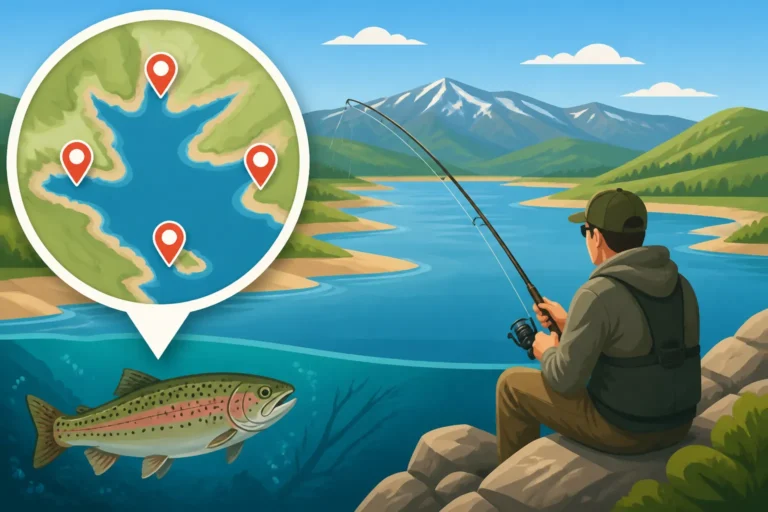
When the cisco move in, they tend to concentrate in areas with shallower, rocky, or gravelly bottoms, which provide ideal spawning substrate. These areas are typically found along the eastern and southern shores of Bear Lake, particularly where the water depths allow for sunlight penetration and consistent temperatures near the bottom.
- Cisco Beach: This is arguably the most famous and often the most crowded spot. Located on the east side of the lake, just north of the state park entrance, Cisco Beach offers excellent public access. The shoreline here is relatively shallow and composed of suitable gravel, making it a primary spawning ground. You'll often see clusters of anglers, both ice fishing and, if conditions allow, even shore fishing with long rods and dip nets. Expect to be fishing in 5-20 feet of water here. It’s a community event, and you’ll find camaraderie even in the cold.
- Rainbow Cove: Just south of Cisco Beach, Rainbow Cove is another reliable option. It offers similar habitat and often draws large numbers of cisco. While perhaps slightly less crowded than Cisco Beach, it still sees significant activity. Access is generally good, and the fishing can be just as productive.
- Bear Lake State Park Marina Area: While the marina itself might be too deep or busy, the areas immediately surrounding it, especially towards the north and south where the bottom slopes gently, can be excellent. These spots offer decent access, and the nearby facilities (restrooms, etc.) can be a real bonus in the cold. Anglers here typically fish in 10-30 feet of water, though the cisco will push shallower to spawn. Keep an eye out for concentrations of portable ice shelters; they're a good indicator of where the fish are holding. Many people will inquire about Bear Lake Marina Fishing Access because of the conveniences it offers.
Boat Access and Ice Shanty Locations
For those with the right equipment and experience, venturing further out onto the ice can sometimes yield even better results, especially if the shoreline gets too pressured or if the main spawning congregation happens slightly offshore.
- Mid-Lake Structure: While cisco primarily spawn in shallower water, schools of fish staging before the spawn or retreating after a spawning run can be found in slightly deeper water, often near subtle underwater points or humps. These locations are best found with a good fish finder. Look for congregations of small fish arcs on your sonar, typically in 20-50 feet of water, especially along the eastern shore. Many anglers choose to use a service like FishingBooker to charter an ice fishing trip with guides who use advanced sonar to pinpoint these schools.
- The "Shanty Towns": A dead giveaway for good cisco fishing is the formation of "shanty towns" – dense clusters of ice fishing shelters. These indicate where experienced anglers have found consistent success. Observe where these communities form, but always give other anglers space and respect their spots. These locations will often shift slightly year to year based on ice conditions and cisco movements, so staying flexible is key. When setting up, remember that you'll likely need a sturdy Best Ice Augers for Utah Ice Fishing to get through the thick winter ice.
- Safety First on the Ice: When going out on the ice, especially farther from shore, safety becomes even more critical. Always go with a buddy, inform someone of your plans, and carry emergency gear like ice picks, a rope, and a fully charged phone. Remember to periodically check ice thickness, as it can vary. Our guide on How Thick Does Utah Ice Need to Be Before You Can Fish On It? provides crucial information for safe outings.
Factors Influencing Cisco Location
The fish aren't always in the exact same spot. A few environmental factors heavily influence where you'll find cisco during the January run:
- Ice Thickness and Clarity: Thicker, clearer ice might allow more light penetration, potentially pushing fish slightly deeper if they're light-sensitive. However, during the run, their primary drive is to spawn, so they'll be shallow regardless.
- Water Temperature: The trigger for the run is cold water, but subtle differences in temperature might cause them to prefer one cove over another.
- Wind and Snow Cover: Heavy snow cover on the ice can darken the water, which might make cisco more comfortable in shallower areas during daylight. Strong winds can also make certain exposed areas incredibly unpleasant to fish, so sheltered coves might be more popular.
- Time of Day: Cisco fishing can be productive throughout the day, but early mornings and late afternoons often see increased activity, as can overcast days.
Essential Techniques and Gear for Cisco Fishing
Cisco fishing, whether through the ice or with a dip net, requires specific techniques and tackle to be consistently successful. It's not like typical trout fishing; these small, delicate fish respond differently.
Jigging for Cisco
Jigging is the primary method for catching cisco through the ice, and it’s a finesse game. Forget your heavy bass gear; you’ll want ultra-light to light action rods, 24-30 inches long, often with a spring bobber or a very sensitive tip.
- Lure Selection: Small, flashy jigs are the name of the game. Think micro-spoons, teardrop jigs, or tiny jigging Rapalas. Colors like silver, gold, chartreuse, and white are often very effective, mimicking small prey or attracting attention. The key is to use lures that are 1/32 to 1/8 ounce. You're looking to imitate tiny insects or a shimmering minnow.
- Tipping the Jig: This is a secret weapon for many successful cisco anglers. Tipping your jig with a small piece of bait can significantly increase your hook-up rate. Popular choices include:
- Mealworms or Wax Worms: A small segment is all you need.
- Shrimp: A tiny piece of peeled shrimp (often frozen cocktail shrimp) works wonders.
- Cisco Eye: If you’ve already caught a cisco, a small piece of its eye can be an incredibly effective attractant.
- Many anglers also wonder What Bait Works Best During the Bear Lake Cisco Run?, and these small tips often make a huge difference.
- The Jigging Motion: Cisco often hit very subtly. The most common technique is a short, sharp jigging motion – lift your rod tip a few inches, then let the jig flutter back down on a semi-slack line. Watch your line closely or use a sensitive spring bobber for the slightest twitch. Sometimes, a very slow, almost imperceptible lift and drop is all it takes. Experiment with different depths, but typically cisco are found anywhere from a few feet off the bottom to suspended in the middle of the water column, particularly when schooled up.
Bait and Attractants
Beyond tipping your jigs, some anglers will use other methods to draw cisco in. While live bait rules can be strict in Utah, dead bait or artificial attractants are often permitted.
- Scent Attractants: Products like Pro-Cure or Mike's Gel Scent can be applied to your jigs to add an appealing scent trail in the water. Cisco have a keen sense of smell, and this can sometimes be the differentiator when they're finicky.
- Chumming (with caution): In some areas, anglers might lightly chum with finely crushed fish eggs or small pieces of bread to attract cisco. However, check local regulations carefully, as chumming is not always allowed or can be restricted to specific types of bait. It's often not necessary during the peak of the run anyway due to the sheer number of fish.
Ice Fishing Specifics
Successfully fishing the cisco run requires the right setup, beyond just rods and lures.
- Ice Augers: A good ice auger is essential. Given the thick ice of January, a power auger (gas or electric) is highly recommended over a hand auger, especially if you plan to drill multiple holes or frequent the lake. Consider a 6 or 8-inch auger, which is perfect for cisco and most other species you might encounter. If you need to upgrade, consider the Best Ice Augers for Utah Ice Fishing options available.
- Portable Shelters: A pop-up or flip-over ice fishing shelter provides a vital refuge from the wind and cold. They make the experience infinitely more comfortable, allowing you to focus on fishing rather than shivering. Many shelters also come with black interiors, which help you see your line better, especially for those light cisco bites.
- Fish Finders (Flashers/Sonars): A flasher or sonar unit is invaluable for cisco fishing. Brands like Vexilar, Marcum, and Humminbird are popular. These devices allow you to see the bottom, your jig, and most importantly, the schools of cisco below your hole in real-time. You can adjust your depth to match where the fish are holding and see their reaction to your jigging presentation. This instantly tells you if you're in the right zone and if your technique is enticing them. If you’re considering an upgrade or your first unit, check out some of the options on FishingBooker, where many guides also offer advice on gear.
- Warmth and Safety Gear: Beyond layers, consider portable heaters for your shelter, insulated gloves that still allow dexterity, and a good pair of waterproof, insulated boots. Always carry ice picks around your neck in case you fall through the ice, and a throwable flotation device is smart for any group. Also, know the rules on How Many Ice Fishing Rods Can You Use at Once in Utah? to avoid any issues.
Regulations and Responsible Angling
Before you even step foot on the ice, make sure you're properly licensed and informed about the rules. The Utah Division of Wildlife Resources (UDWR) sets specific regulations for the Bear Lake cisco run to ensure the sustainability of this unique fishery.
Daily Limits and Seasonality
The cisco run is a limited-time opportunity. While the general timing is January, specific dates can vary slightly based on ice conditions and when the fish move in. Always consult the current Utah Fishing Guidebook for the most up-to-date information.
- Cisco Limits: Typically, the daily bag limit for Bonneville Cisco is generous, reflecting their abundance during the run and the unique opportunity. However, these limits can change, so a quick check of the current UDWR regulations is crucial. For example, in past years, limits have been as high as 30 cisco per angler, per day. These liberal limits are often put in place because Why Bonneville Cisco Only Spawn for About Ten Days a Year and their populations are robust.
- License Requirements: A valid Utah fishing license is required for anyone 12 years of age or older. You can purchase these online, at various retail locations, or through the UDWR offices. Make sure your Utah Fishing License Guide is current and on your person (or digital equivalent) at all times while fishing.
Ice Safety and Best Practices
We've touched on it, but it bears repeating: ice fishing can be dangerous if not approached with caution and respect for the environment.
- Check Conditions Regularly: Ice conditions on Bear Lake can change rapidly due to wind, currents, and temperature fluctuations. Before you go, check local reports from the UDWR, bait shops, and online fishing forums. Never assume the ice is safe.
- Ice Thickness Guidelines: A general rule of thumb is at least 4 inches of clear, solid ice for individual foot travel, 5-7 inches for snowmobiles or ATVs, and 8-12 inches for cars or small trucks. Always be conservative and drill test holes as you venture out.
- Safety Gear: Ice picks, a rope, and a whistle are essential. Fishing with a buddy is always recommended. Let someone know where you're going and when you expect to return.
- Know Your Limits: If you're unsure about the ice, don't go out. There are always other fishing opportunities, and no fish is worth risking your life for.
Respecting the Resource and Other Anglers
The cisco run is a beloved tradition, and maintaining its integrity requires responsible behavior from all participants.
- Leave No Trace: Pack out everything you pack in, including any discarded fishing line, bait containers, or trash. Preserve the natural beauty of Bear Lake for everyone.
- Be Courteous: The popular spots can get crowded. Give other anglers ample space, keep noise levels down, and be mindful of your surroundings. A little courtesy goes a long way in fostering a positive fishing community.
- Know Other Regulations: Be aware of any other specific regulations for Bear Lake, such as bait restrictions or protected species. While you're targeting cisco, you might encounter other fish. Understanding Utah Fishing Regulations Explained helps ensure you're compliant with all rules.
Bear Lake Cisco Fishing Hotspot Comparison
To help you visualize your options, here's a quick comparison of the prime cisco fishing spots on Bear Lake during the January run:
| Hotspot | Primary Access | Typical Depth (feet) | Best for | Key Features |
|---|---|---|---|---|
| Cisco Beach | Shore/Ice | 5-20 | Dip netting, Jigging | Most popular, gravelly bottom, easy access, often crowded |
| Rainbow Cove | Shore/Ice | 10-25 | Jigging | Good access, slightly less crowded than Cisco Beach, similar habitat |
| Marina Vicinity | Shore/Ice | 10-30 | Jigging | Close to facilities, good for staging fish, can get busy near boat launches |
| Mid-lake Structure | Ice (Vehicle) | 20-50+ | Jigging (Sonar) | Requires snowmobile/ATV or safe vehicle ice access, less crowded, deeper schools |
Whether you're new to the cisco run or a seasoned veteran, scouting conditions, preparing thoroughly, and knowing the best locations will significantly improve your chances of a successful and enjoyable trip. Don't forget that a service like FishingBooker can help you find local guides who specialize in the cisco run, offering valuable insights and ensuring a safe, productive day on the ice. Embrace the cold, enjoy the unique experience, and you might just fill your bucket with some of Utah's most distinctive fish!
Disclaimer
The information provided in this guide is for general informational purposes only and does not constitute legal or professional advice. Fishing regulations, ice conditions, and fish behavior can change rapidly. Always consult the current Utah Division of Wildlife Resources (UDWR) Fishing Guidebook and local authorities for the most up-to-date regulations and safety advisories before embarking on any fishing trip. Your safety and adherence to regulations are your sole responsibility.