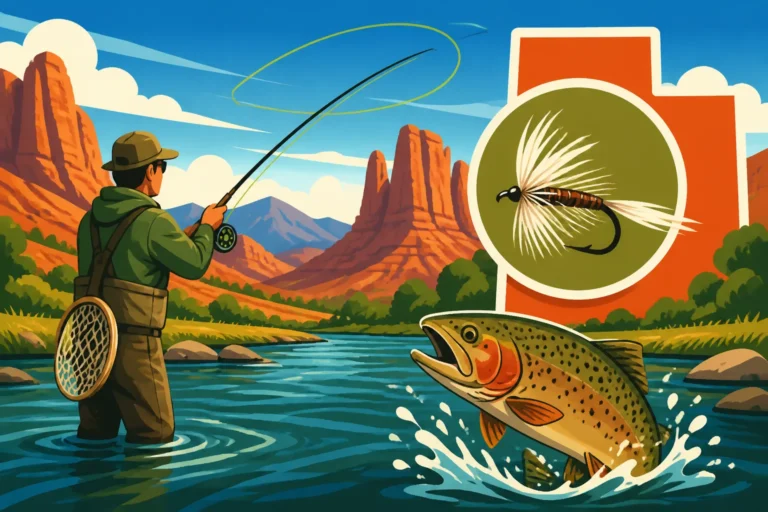
Best Fly Fishing Access on the Weber River
Figuring out where you can actually get your feet wet on a river can be one of the biggest headaches for fly anglers, especially when so much prime water seems to be locked behind private land signs. The Weber River in Utah is no exception, but don't despair! This guide is here to unravel the mystery, showing you the best public fly fishing access points on the Weber River and arming you with the knowledge to make your next cast count.
The Allure of Fly Fishing the Weber River
The Weber River is a true gem of Utah, flowing from the Uinta Mountains, winding through valleys, and eventually emptying into the Great Salt Lake. For fly anglers, it represents a diverse and rewarding fishery, offering everything from small, wild trout streams in its upper reaches to larger, more robust freestone sections teeming with hungry fish further downstream. It’s a river that calls to you, promising tranquility and challenging casts, often just a short drive from the hustle and bustle of the Wasatch Front.
Why the Weber Stands Out for Anglers
What truly sets the Weber River apart is its incredible diversity and robust fish populations. You're not just fishing for one type of trout here; the river is home to a healthy mix of brown trout, rainbow trout, and even native Bonneville cutthroat trout in certain stretches. Brown trout are particularly prevalent in the middle and lower sections, often growing to impressive sizes, making them a highly sought-after target for dedicated fly fishers. Rainbows are frequently stocked by the Utah Division of Wildlife Resources (UDWR), especially in community sections, ensuring good opportunities for anglers of all skill levels.
Beyond the fish, the scenery is classic Utah – rolling hills, cottonwood-lined banks, and towering canyon walls in places. It's a place where you can truly escape, even when you're relatively close to civilization. The consistent flow, fed by mountain snowmelt and supplemented by reservoirs like Echo, means that even in drier years, there's usually fishable water to be found. This consistency, coupled with the varied structure of riffles, runs, and deep pools, creates ideal habitat for insect life and, consequently, healthy trout. If you're looking to expand your knowledge of the local trout, a deep dive into the Utah Trout Species Guide can be incredibly helpful.
Understanding Weber River Flow and Seasons
One of the most crucial elements for successful river fly fishing is understanding water flow. The Weber River, like most mountain-fed rivers, experiences significant fluctuations throughout the year. Spring runoff, typically from April to June, can bring high, fast, and often muddy water, making fishing challenging if not impossible in many sections. During this period, fish tend to hug the banks and seek out slower seams. However, seasoned anglers know that even during runoff, there are strategies to employ; you might find some useful tips in How to Fish a River During Spring Runoff in Utah.
- Spring (March-May): As temperatures rise and ice melts, pre-runoff can offer excellent nymphing opportunities. Once runoff begins, focus shifts to tailwaters or waiting for flows to drop.
- Summer (June-August): Once runoff subsides, summer is prime time. Flows stabilize, and insect hatches become more prolific. Early mornings and late evenings are best to avoid the heat and recreational floaters.
- Fall (September-November): Many consider fall the absolute best time to fish the Weber. Brown trout become aggressive as they prepare for their spawn, and water temperatures are ideal. Dry fly fishing can be exceptional.
- Winter (December-February): While cold, winter offers peaceful solitude and often great nymphing, especially during warmer spells. Fish are concentrated in deeper, slower pools.
Always check current river flows and clarity before heading out. Resources like the USGS water data site or local fly shops in Ogden or Park City can provide real-time conditions. Understanding the impact of flow on fish behavior is key to adapting your Utah Fishing Techniques for Beginners or even for seasoned pros.
Key Public Access Points Along the Weber River
Navigating public access on the Weber River can feel a bit like a treasure hunt. While large sections are bordered by private property, especially around ranchlands and residential areas, the Utah Division of Wildlife Resources (UDWR) and other public entities have secured numerous easements and access points. It’s crucial to respect private property boundaries; always know where you are and stick to marked public access. Many anglers find that exploring various access points requires a solid plan, and sometimes, hiring a local guide through platforms like FishingBooker can give you an invaluable head start on learning the ropes of specific river sections.
Upper Weber River: Headwaters and Beyond
The uppermost reaches of the Weber River, particularly above Oakley and Peoa, offer a distinctly different fly fishing experience. Here, the river is smaller, more intimate, and flows through open meadows and tighter canyons. The trout here are often smaller too, but they are wild and feisty, primarily native Bonneville cutthroat and some rainbow trout. This section is less about catching giants and more about the challenge of stealthy approaches and accurate casts to spooky fish.
- Mirror Lake Highway (SR-150) Tributaries: While not the main stem of the Weber, numerous small tributaries that feed into the upper Weber system can be accessed from the Mirror Lake Highway. These are quintessential small stream fishing, requiring light tackle and a keen eye for subtle takes. You'll often find these waters less pressured than the main river.
- Oakley/Peoa Area: Around the towns of Oakley and Peoa, there are a few designated public access points, often small turnouts or bridge crossings. This area features a mix of private ranches, so pay close attention to signage. The fishing here can be fantastic with nymphs and small dry flies, especially in the early summer and fall. The river here flows through more open country, making casting easier in some spots but also exposing you more to the elements. Remember to check local regulations carefully, as specific rules for certain sections are often detailed in the Utah Fishing Regulations Explained.
Middle Weber River: Classic Freestone Water
This is arguably the most popular and classic fly fishing section of the Weber River, stretching from below Wanship Dam through the towns of Coalville, Echo, and into Weber Canyon. The river here is larger, with a more defined riffle-run-pool structure, offering excellent habitat for larger brown and rainbow trout. Access can be found along frontage roads, state parks, and dedicated public easements. Many anglers consider a trip here incomplete without proper gear, and you might find insights on what you need in a comprehensive Utah Fly Fishing Guide.
- Wanship State Wildlife Management Area: Just downstream from the Wanship Dam, this area provides excellent public access to several miles of river. It's easily reachable and offers diverse water, from faster runs to slower pools. This section is known for strong nymphing throughout the year and excellent dry fly action during hatches. It can get busy, especially on weekends, but walking a bit can often lead to less pressured water.
- Echo State Park and Echo Canyon: Below Echo Reservoir, the river winds through Echo Canyon, offering stunning scenery and productive water. Echo State Park provides developed access, including boat launches and shoreline access that can be used for fly fishing. Further down the canyon, there are various pull-offs and informal access points along the old highway, but be vigilant about private property. The canyon section often holds impressive brown trout that require precise presentations. For those who prefer a guided experience, a local outfitter listed on FishingBooker might offer trips specifically targeting these challenging canyon fish.
- Coalville and Croydon Sections: Between Wanship and Echo, and extending below Echo, the river flows past the towns of Coalville and Croydon. Here, you'll find a mix of open stretches and areas where the river tightens into smaller canyons. Public access often comes in the form of easements marked by the UDWR, or sometimes through county parks. These areas are excellent for both wade fishing and drift boating, though navigating with a boat requires knowledge of rapids and access points, making a guided trip through services like FishingBooker a smart choice for first-timers.
- Stoddard and Devil's Slide: As the river enters the deeper Weber Canyon, areas like Stoddard and Devil's Slide offer dramatic landscapes and excellent fishing. Access here is primarily along the frontage road paralleling I-84. The river can be quite powerful in these sections, with deep runs and strong currents, making wading challenging in places. Heavy nymph rigs and streamers are often effective for probing the depths where large brown trout lurk.
Lower Weber River: Diverse Opportunities
The lower Weber River, as it flows through Weber Canyon and out towards the Ogden area, presents a mix of urban and wild fishing opportunities. While private property becomes more prevalent, there are still significant public access points, particularly in parks and designated easements. This section often carries warmer water and can hold a wider variety of fish, including some warmwater species alongside trout.
- Uintah and Riverdale Parkway Access: Closer to the populated areas of Uintah and Riverdale, the Weber River Parkway offers miles of public access along paved trails. While the ambiance is more urban, the fishing can still be surprisingly good, especially for stocked rainbow trout and opportunistic brown trout. These areas are great for families and beginners due to easy access. Community ponds and urban sections in Utah are often stocked, and understanding How to Catch More Fish in Utah in these environments can be a real game-changer.
- Ogden Canyon and Mouth of the Canyon: The very mouth of Weber Canyon, where it empties into the Ogden Valley, offers some accessible spots. Here, the river broadens, and while private property dominates, there are parks and easements that allow access. Fishing can be productive, especially during cooler months when trout move up from the warmer lower river.
- Taylor/Plain City Wetlands: As the river approaches the Great Salt Lake, it flows through extensive wetlands. While not typically thought of as fly fishing water, these areas can offer unique opportunities for carp and other warmwater species on the fly, a different challenge for the adventurous angler.
Here's a quick overview of some key access points and their characteristics:
| Section | Primary Fish Species | Typical Water Flow | Best Fishing Season | Key Characteristics | Primary Access Type |
|---|---|---|---|---|---|
| Upper Weber (Oakley/Peoa) | Cutthroat, Rainbow, Brook Trout | Smaller, wadeable, clearer | Early Summer, Fall | Wild trout, intimate setting, stealth required, less pressure | Walk-in, bridge |
| Middle Weber (Wanship/Echo) | Brown, Rainbow | Medium to large, freestone | Summer, Fall | Larger trout, varied structure, popular, can be busy | WMA, State Park, Easements |
| Lower Weber (Uintah/Ogden) | Rainbow, Brown, Carp | Larger, slower, warmer (lower) | Spring, Fall, Winter (trout) | Urban access, stocked fish, warmer water species, easy access | Parkway, Parks, Easements |
Essential Techniques and Gear for Weber River Fly Fishing
Fly fishing the Weber River demands a blend of careful technique and appropriate gear. The river's diverse character means that what works in one section might not be as effective in another. Being prepared with the right setup and a flexible approach will dramatically increase your chances of success. Understanding local hatches and having a versatile fly box is essential, and guides on Best Flies for Utah Trout Streams can be an excellent resource.
Matching the Hatch and Fly Selection
The Weber River boasts a healthy insect population, offering various "hatches" throughout the year that drive trout feeding behavior. Being able to "match the hatch" – presenting a fly that closely imitates what the fish are currently eating – is a fundamental skill for successful fly fishing.
- Nymphing: This is often the most productive method on the Weber, especially during non-hatch periods or when fish are holding deep. Common nymph patterns include:
- Pheasant Tail Nymphs: A classic, versatile pattern that imitates many aquatic insects.
- Hare's Ear Nymphs: Another generalist pattern that works well in various sizes.
- Stonefly Nymphs (Pat's Rubber Legs, Girdle Bugs): Especially effective in faster, deeper water, mimicking larger stoneflies.
- Midge Larva/Pupa (Zebra Midge): Critical during colder months or when fish are focused on tiny food sources.
- Dry Fly Fishing: The thrill of seeing a trout rise to your dry fly is unmatched. Productive dry fly patterns include:
- Caddis (Elk Hair Caddis, X-Caddis): Caddis hatches are prolific on the Weber throughout summer and fall.
- Mayflies (Parachute Adams, Blue-Winged Olive, Pale Morning Dun): Different species hatch at various times; having a selection of sizes and colors is key.
- Terrestrials (Hopper patterns, Ants, Beetles): Especially effective in late summer and early fall when grasshoppers and other land-based insects fall into the water.
- Streamer Fishing: For targeting larger, more aggressive brown trout, especially in the middle and lower sections, streamers can be deadly.
- Woolly Buggers (Black, Olive, Brown): A universal attractor pattern that imitates baitfish and leeches.
- Sculpin Patterns: Mimic bottom-dwelling fish that are a key food source for big trout.
- Articulated Streamers: Larger, more lifelike patterns that provoke a predatory response. Learning How to Fly Fish a Streamer for Brown Trout in Utah can unlock some truly impressive catches.
Wading Safety and River Etiquette
Wading the Weber River requires caution and a respect for both the river's power and private property.
- Wading Safety:
- Know Your Limits: Never wade into water that's too deep or too fast for your comfort and skill level. High flows can be deceptive and dangerous.
- Wading Staff: A sturdy wading staff is an invaluable tool for maintaining balance and probing depths, especially in unfamiliar water.
- Studded Boots: Investing in wading boots with felt soles and studs can provide crucial traction on slippery rocks.
- Buddy System: When possible, fish with a partner, especially in remote or challenging sections.
- River Etiquette and Private Property:
- Respect Signage: Always obey "No Trespassing" or "Private Property" signs. Anglers are guests on the river.
- Stay in the Water: On sections with public easements, remember that your right to be there is usually limited to the streambed up to the ordinary high-water mark. Avoid walking on private banks unless explicit permission is granted.
- Don't High-Hole: Avoid crowding other anglers. Give fellow fishermen plenty of space, typically at least 50-100 yards, especially on smaller stretches.
- Catch and Release: While keeping legal limits is allowed, many fly anglers practice catch-and-release, particularly for larger or wild trout, to preserve the fishery. Handle fish gently with wet hands, minimize their time out of water, and ensure they are revived before release. You can find more detailed advice on proper fish handling in articles like How to Release a Fish Without Hurting It in Utah.
Gear Recommendations for a Successful Day
Having the right equipment doesn't guarantee fish, but it certainly makes the experience more enjoyable and effective.
- Rod and Reel:
- Weight: A 4-weight or 5-weight fly rod, typically 8.5 to 9 feet long, is versatile enough for most Weber River trout fishing scenarios. For smaller tributaries, a 2-weight or 3-weight can be a lot of fun.
- Reel: A reliable reel with a smooth drag is important, especially when hooked into one of the Weber's stronger brown trout. Capacity for backing is also a plus. Many find that the Best Fly Rods for the Provo River would also be a suitable choice for the Weber.
- Fly Line: A weight-forward floating line is standard for most dry fly and nymphing applications. For streamer fishing, a sink-tip line can be highly effective.
- Leader and Tippet: A 9-foot tapered leader (3X, 4X, or 5X depending on fly size and water clarity) combined with spools of tippet (matching your leader size) is essential. Fluorocarbon tippet is often preferred for nymphing due to its invisibility underwater.
- Waders and Boots: Quality breathable waders are a must for comfort in varying temperatures. As mentioned, studded wading boots provide excellent grip. For recommendations, check out Best Waders for Utah River Fishing.
- Vest/Pack: A fishing vest or chest/sling pack to carry your fly boxes, tippet spools, forceps, nippers, strike indicators, and other essentials is crucial.
- Net: A rubber-mesh landing net is highly recommended for safely landing and releasing fish without damaging their protective slime coat.
- Polarized Sunglasses: These are not just for eye protection; they drastically reduce glare on the water, allowing you to spot fish and read subsurface structure more effectively.
- Indicators and Weights: Strike indicators (like bobbers) help detect subtle bites when nymphing, and split shot weights help get your flies down to the fish's feeding zone.
While the Weber River can sometimes feel like a puzzle, with its mix of public and private lands, the rewards for dedicated fly anglers are immense. By understanding its different sections, respecting access rules, and being prepared with the right techniques and gear, you're set for an incredible experience on one of Utah's premier trout rivers. And if you're ever in doubt about conditions or access, don't hesitate to consult with local experts or even book a guided trip through platforms like FishingBooker to maximize your time on the water.
Disclaimer
Please remember that fishing regulations, access points, and river conditions can change. Always consult the most current Utah Division of Wildlife Resources (UDWR) fishing regulations before your trip. Respect private property and practice responsible angling to help preserve the Weber River for future generations.