Where Can You Fish Inside Zion National Park?
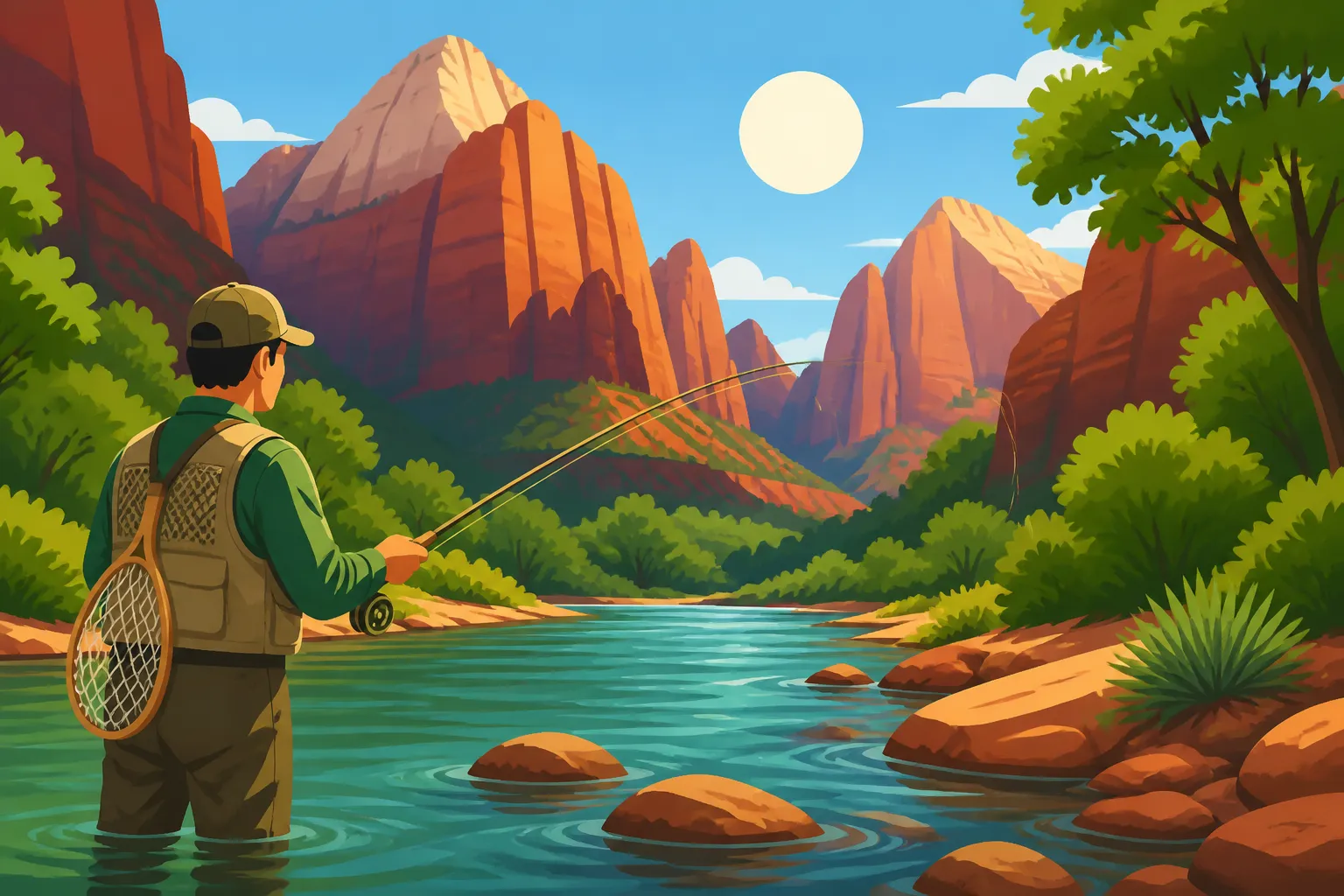
It’s a common daydream, isn't it? You’re amidst the breathtaking red rock canyons of Zion National Park, surrounded by towering sandstone cliffs and the serene murmur of flowing water, and you wonder: "Can I actually cast a line here?" Many anglers assume national parks are off-limits for fishing, or that the rules are impossibly complex. This guide is here to untangle that confusion, affirming that yes, you can fish in Zion, and we’ll show you exactly where and how to make that dream a reality.
Is Fishing Even Allowed in Zion National Park? Unraveling the Rules
The idea of fishing in a national park often conjures images of pristine, untouched wilderness where human interference is kept to an absolute minimum. And while Zion certainly embodies that spirit of preservation, it doesn't mean you have to leave your rod and reel at home. The truth is, fishing is permitted in specific areas of Zion National Park, but it's not a free-for-all. You can't just drop a line anywhere, and there are crucial rules and environmental considerations that make fishing here a truly unique experience. It’s definitely not like your typical state park reservoir!
The Intersection of State and National Park Regulations
This is where things can get a little tricky for anglers, and it's a frustration many of us share when trying to understand rules across different jurisdictions. When you fish within Zion National Park, you're essentially operating under two layers of regulations: those set by the Utah Division of Wildlife Resources (DWR) for the entire state, and those specifically enforced by the National Park Service (NPS) for Zion. Think of it like a Venn diagram where you need to adhere to the overlap.
First and foremost, you absolutely must possess a valid Utah fishing license. There are no exceptions for national park waters; your state license is your golden ticket. You can find all the details on how to get one in our comprehensive guide, "How to Buy a Utah Fishing License". This license validates you to legally fish in Utah's public waters, which includes those within Zion. However, the NPS then adds its own layer of protection, often stricter, especially concerning native fish species and general conservation. For instance, while some state waters might allow certain bait types, the park might restrict them to protect delicate aquatic ecosystems. Always make sure to check Zion’s official park regulations and combine them with the general "Utah Fishing Regulations Explained" before heading out. It's not uncommon for bag limits, size restrictions, and even specific gear types to differ or be more stringent within park boundaries to safeguard the unique environment.
Why Zion's Ecosystem is So Sensitive
Zion National Park is a marvel of biodiversity, especially considering its desert environment. The Virgin River system, which flows through the park, is incredibly vital, supporting a delicate balance of plant and animal life that has adapted over millennia to these unique conditions. Unlike many of Utah's larger, more robust reservoirs that are heavily managed for sport fishing, Zion's waters are primarily valued for their ecological integrity and the native species they host.
The Virgin River is home to several endemic fish species – meaning they are found nowhere else in the world – such as the Virgin River chub and speckled dace. These fish are incredibly sensitive to changes in water quality, habitat, and even the presence of non-native species. Introducing invasive baitfish or accidentally harming a native fish through improper handling can have cascading negative effects on the entire ecosystem. This sensitivity is precisely why the park service has specific rules in place, often emphasizing catch-and-release, restricting certain gear, and generally encouraging a "leave no trace" approach. Your fishing experience in Zion is not just about catching fish; it's about appreciating and contributing to the preservation of this extraordinary natural treasure. It requires a higher level of awareness and respect for the environment than you might typically observe at a heavily stocked community pond.
Prime Fishing Locations Within Zion National Park
While the options might not be as vast as some of Utah's renowned fishing destinations, Zion National Park offers a truly unique angling experience in its primary waterway: the Virgin River. Don't come expecting expansive lakes or dozens of easily accessible streams. The beauty of fishing in Zion lies in its intimacy with the landscape and the challenge of its specific aquatic environment.
The Mighty Virgin River: Main Stem Opportunities
The Virgin River is the lifeblood of Zion Canyon, carving through the towering cliffs and providing crucial habitat. This is undoubtedly the primary focus for any angler visiting the park. The river's character varies significantly as it flows through the park, from swift, turbulent sections in narrow canyons to wider, shallower stretches. The water here is generally clear, especially outside of spring runoff events, making stealth and presentation key.
Access points along the Virgin River are generally determined by the park's established trails and shuttle stops. Within the main canyon, particularly around areas like the Pa'rus Trail, you'll find more accessible stretches where you can wet a line. These areas offer a mix of riffles, runs, and small pools. Further into the canyon, particularly as you head towards the Narrows, access becomes much more challenging and often requires wading or even swimming. Remember, you're sharing this space with hikers, waders, and sightseers, so courtesy and awareness of others are paramount. The fish you'll encounter here, predominantly native species, are generally smaller but incredibly hardy and vibrant, a testament to their survival in this dynamic environment. This is a very different experience than fly fishing the well-known sections of the "Provo River Fishing Guide", which offers broader access and typically larger, more numerous trout.
Exploring Zion's Hidden Tributaries and Canyons
Beyond the main stem of the Virgin River, Zion is crisscrossed by numerous smaller tributaries and ephemeral streams, many of which flow only seasonally or after significant rainfall. These can be incredibly challenging to access, often requiring extensive hiking, scrambling, or canyoneering skills, and sometimes even specific backcountry permits.
For the adventurous angler, these smaller waters might hold isolated pockets of native fish, or even wild trout that have found refuge away from the main river's pressures. However, due to their remote and sensitive nature, fishing here often comes with even stricter regulations, and disturbance should be minimized at all costs. It's crucial to consult park rangers about specific regulations and access for any remote tributary you might consider. Many of these streams are protected as critical habitat for endangered species, making fishing either prohibited or highly restricted to protect these delicate populations. This isn't the kind of fishing you typically book with services like FishingBooker for a guided trip; it's more of a solitary, self-guided wilderness adventure requiring deep research and respect for park rules.
Don't Expect Stillwater Fishing Here
Let's manage expectations right upfront: if you're looking for lake or reservoir fishing, Zion National Park is not the place. The park's aquatic environment is defined by its dynamic river and stream systems, not by placid bodies of standing water. There are no significant natural lakes, large ponds, or man-made reservoirs within the park's boundaries that are open or suitable for traditional stillwater fishing.
If your heart is set on casting into a lake for trout or bass, you'll need to look outside the park. Utah offers an abundance of fantastic stillwater fishing opportunities, from the expansive "Strawberry Reservoir Fishing Guide" to the high-mountain lakes of the Uinta Mountains. But within Zion itself, your focus will be entirely on the flowing currents of the Virgin River and its smaller, often ephemeral, feeders. This characteristic makes fishing in Zion a very specific type of experience, appealing to those who appreciate stream fishing in a truly spectacular, river-carved landscape.
What Fish Species Call Zion's Waters Home?
When you’re preparing to fish in Zion, it’s important to understand that the species you’ll encounter are often quite different from the typical trout you might find in many other Utah waters. The emphasis here is heavily on conservation, especially of native fish, rather than stocking for sport. This makes Zion a unique destination for anglers interested in the ecological story behind their catch.
The Focus on Native Fish Conservation
The Virgin River system within Zion National Park is a critical stronghold for several native fish species that have adapted to its unique desert environment. The most prominent of these are the Virgin River chub and the speckled dace. These aren’t your typical trophy sportfish; they’re smaller, incredibly hardy, and play vital roles in the ecosystem. The Virgin River chub, for example, is a fascinating fish that can tolerate a wide range of water temperatures and flows, perfectly suited to the river's often dramatic fluctuations. Speckled dace are also small, silvery fish that dart around the substrate, feeding on insects and algae.
Because these species are native and often face threats from habitat degradation and invasive species, conservation efforts are paramount. Many regulations within the park are specifically designed to protect these fish. This often means catch-and-release is either strongly encouraged or legally mandated for all native species, and handling them with extreme care is essential. It's a privilege to encounter these unique fish, and anglers should view it as an opportunity to connect with the park's natural heritage rather than purely as a sport. Understanding and respecting their protected status is a cornerstone of responsible fishing in Zion.
The Elusive Trout of Zion's Rivers
While Zion isn't primarily known as a trout fishing destination, you might encounter trout in certain sections of the Virgin River. These are typically wild brown trout or occasionally rainbow trout that have either migrated from stocked waters upstream or represent remnant wild populations. The park doesn't actively stock trout for sport fishing within its boundaries; any trout you find are survivors thriving in a challenging environment.
These trout tend to be smaller, wary, and highly adapted to the river's currents and available forage. They offer a rewarding challenge for the skilled angler, particularly those who enjoy light tackle or fly fishing. Because trout populations here are wild and not managed for high harvest rates, catch-and-release is the best practice to ensure these fish continue to thrive. This approach helps maintain the natural balance of the ecosystem and respects the park's conservation goals. If you're looking for a more dedicated trout experience with higher catch rates, you might explore areas like the "Utah Trout Species Guide" in other parts of Utah where management practices include stocking.
Invasive Species: A Constant Concern
Unfortunately, even pristine environments like Zion National Park aren't immune to the challenges of invasive species. Non-native fish, often introduced accidentally or illegally, can pose significant threats to the delicate balance of the Virgin River ecosystem, preying on native fish or competing for resources. Common invasive species that might be found include various types of carp, bullhead catfish, or even certain non-native sunfish.
Park management actively works to control and monitor these populations, and anglers play a crucial role in preventing their spread. It's critical never to introduce live bait from outside the park, as this is a primary vector for invasive species. If you do catch a non-native species, it's often advisable (and sometimes legally required, depending on the species and location) not to return it to the water. Always consult current park regulations or ask a park ranger about specific guidelines for handling invasive fish. Your actions, even seemingly small ones, can have a profound impact on protecting Zion's unique aquatic biodiversity. This principle is also critical when dealing with "Utah Aquatic Invasive Species Rules for Anglers" in other waters across the state.
Essential Gear, Techniques, and Etiquette for Zion Anglers
Fishing in Zion National Park isn't about power fishing or hauling in massive limits. It's an experience that calls for finesse, respect, and a minimalist approach. The unique environment of the Virgin River demands specific gear and techniques, and perhaps most importantly, a commitment to angling etiquette that honors the park's natural beauty and conservation goals.
Light Tackle and Fly Fishing: Your Best Bets
Given the relatively smaller size of the fish you're likely to encounter, the clear waters, and the intimate nature of the river, light tackle and fly fishing are by far the most appropriate and effective methods for Zion.
For spin anglers, a ultralight or light action rod (5-6 feet) paired with a small spinning reel spooled with 2-4 pound test monofilament or fluorocarbon line is ideal. Small spinners, micro jigs, and tiny spoons in natural colors can be highly effective. The key is subtlety and matching the size of natural forage. Heavy lines and large lures will likely spook the wary fish in these clear, shallow waters.
Fly fishing truly shines here. A 2-weight to 4-weight fly rod, paired with a floating line, will provide the delicate presentation needed. Dry flies mimicking small terrestrial insects (ants, beetles, hoppers in late summer) or aquatic insects (caddis, mayflies) can work wonders, especially in the quieter pools and riffles. Nymphing with small, weighted patterns can also be effective in deeper runs. Given the focus on conservation and native species, barbless hooks are strongly recommended, if not outright required by specific park regulations, as they minimize harm to fish during release. If you're new to fly fishing, our "Utah Fly Fishing Guide" has some fantastic beginner tips that can be adapted for Zion's unique conditions.
Catch-and-Release: A Moral Imperative in National Parks
In an environment as sensitive and biologically significant as Zion National Park, catch-and-release isn't just a suggestion; it's often a moral imperative and sometimes a legal requirement, particularly for native fish species. The goal of fishing here is to enjoy the act of angling and connect with nature, not to harvest fish.
To practice effective catch-and-release, handle fish as little as possible. Wet your hands before touching them to protect their protective slime layer. Use barbless hooks, or pinch down the barbs on your hooks with pliers, to make removal easier and quicker. If a fish is deeply hooked, it’s best to cut the line as close to the hook as possible rather than tearing sensitive tissues. Support the fish gently in the water until it's ready to swim away under its own power. Avoid dragging fish onto dry land or handling them by the gills. Remember, the health of the fish and the ecosystem is far more important than a photo. By meticulously practicing catch-and-release, you ensure that future generations of anglers, and the park itself, can continue to enjoy these precious aquatic resources.
Navigating the Backcountry for Remote Spots
For those seeking true solitude and a more adventurous angling experience in Zion, venturing into the park's backcountry can offer access to less-fished stretches of the Virgin River and its tributaries. However, this is not for the faint of heart and requires significant preparation and adherence to park regulations.
Backcountry access often means long hikes, sometimes through rugged terrain, and potentially wading or swimming through canyon sections. You'll need to be self-sufficient, carrying all your water, food, and emergency supplies. Before you embark on any backcountry fishing trip, always check with the Zion National Park Visitor Center for current trail conditions, weather forecasts, and any required permits (such as those for specific canyoneering routes or overnight stays). Some remote areas may have seasonal closures or special restrictions to protect wildlife or sensitive habitats. It’s also wise to inform someone of your itinerary. While the allure of untouched waters is strong, the primary draw of Zion is its stunning scenery, not necessarily its fishing bounty, so balance your angling ambitions with a healthy respect for the wilderness and your personal safety. You might find similar remote, yet more fishing-focused, experiences in the "Uinta Mountains High Lakes Fishing" areas, but Zion's canyons are in a league of their own.
Planning Your Zion Fishing Adventure
A successful and responsible fishing trip to Zion National Park requires a bit of planning, especially when it comes to licenses, knowing the best times to visit, and even considering local expertise. It's not just about throwing gear in the car; it's about respecting the environment and maximizing your chances of a memorable, compliant experience.
Securing Your Utah Fishing License Before You Go
This cannot be stressed enough: a valid Utah fishing license is absolutely mandatory for anyone aged 12 and older who wishes to fish in Zion National Park. Even though you are in a national park, state regulations regarding licensing still apply. Trying to fish without one can result in hefty fines and penalties, and it's simply not worth the risk.
The good news is that obtaining a Utah fishing license is a straightforward process. You can easily purchase one online through the Utah DWR website, or in person at various sporting goods stores and DWR offices throughout the state. I always recommend getting it online before you even hit the road; it saves time and ensures you're good to go the moment you arrive. Make sure you understand the "Utah Fishing License Age Requirements" and residency rules to purchase the correct license type. Keep either a physical copy or a digital copy on your phone readily accessible, as park rangers are authorized to check for it. Getting your license sorted ahead of time allows you to focus purely on the majestic scenery and the potential for a unique angling experience.
Best Times to Visit and Current Conditions
The Virgin River in Zion National Park is a dynamic waterway, and its fishing conditions can vary significantly with the seasons. Generally, the most pleasant and productive times for fishing are in the spring (April to early June) and fall (September to November).
- Spring: After the snowmelt, water levels can be high and a bit turbid during what's known as "runoff season." However, once the initial surge subsides, often by late April or May, the river settles into a beautiful flow. The weather is usually mild, and insect activity starts to pick up, making it excellent for fly fishing.
- Summer: July and August in Zion are incredibly hot, with temperatures often soaring into the triple digits. Water levels in the river can drop significantly, becoming very shallow and warm. While fishing is still possible, it can be tougher on both the angler and the fish due to heat stress. Early mornings or late evenings are your best bet. Also, summer monsoons can bring sudden flash floods, dramatically changing river conditions and making some areas unsafe.
- Fall: This is arguably the most beautiful time to visit Zion, and often the most comfortable for fishing. The crowds thin out a bit, the temperatures are moderate, and the river is typically at a stable, clear flow. Autumn colors in the cottonwoods along the river add to the stunning backdrop.
- Winter: Fishing is still possible in winter, especially on warmer days, but it will be chilly. Water levels are usually low and clear. Access can be limited by snow or ice in some areas, and the park shuttle might not operate on its full schedule.
Before any trip, always check the National Park Service's official Zion website for current conditions, including weather, river levels, and any trail closures. These factors will heavily influence your fishing strategy and safety.
Hiring a Local Guide for an Enhanced Experience
While Zion allows self-guided fishing, hiring a local fishing guide can absolutely transform your experience, especially if you're unfamiliar with the park or river system. A reputable guide possesses invaluable knowledge of the Virgin River's intricacies – where the fish hold, what they're eating, and how to approach them without disturbing the delicate ecosystem.
Guides can also provide all the necessary gear, teach you appropriate techniques for the unique environment, and, perhaps most importantly, navigate the specific regulations of a national park, ensuring you remain compliant and respectful of conservation efforts. They know the safe access points, understand the river's moods, and can help you target specific species while educating you about Zion's aquatic ecology. If you're looking for an experienced professional to lead your trip, websites like FishingBooker can connect you with licensed local guides who specialize in river fishing in and around the Zion area. Even though fishing inside the park might not be their primary focus for large groups, many guides who operate in the surrounding areas of Southwest Utah will have extensive knowledge of the Virgin River system as a whole and can provide an unparalleled experience, even if it's just outside the park's immediate boundaries. Their expertise can save you hours of trial and error and significantly increase your enjoyment of this truly special fishing destination.
| Aspect | Details for Fishing in Zion National Park | Important Considerations |
|---|---|---|
| Locations | Virgin River (main stem) & its tributaries | No significant lakes or reservoirs for fishing. |
| License | Valid Utah Fishing License Required | No exceptions for national park waters. |
| Primary Fish | Native: Virgin River chub, speckled dace | Trout: Wild brown trout (occasional rainbow) |
| Conservation | High emphasis on native species protection | Strict catch-and-release often required/encouraged. |
| Gear | Ultralight spin tackle, light fly rods (2-4 wt) | Barbless hooks highly recommended. |
| Best Seasons | Spring (April-early June) & Fall (Sept-Nov) | Summer is hot, low water; Winter is cold, low traffic. |
| Regulations | Adhere to UT DWR + Zion NPS rules | Always check current park-specific regulations. |
| Bait Use | Often restricted or prohibited for baitfish | Check current park rules carefully. |
| Access | Park trails, designated shuttle stops | Backcountry requires permits/preparation. |
| Ethics | Leave No Trace, minimal impact, respect others | Maintain silence, avoid disturbing wildlife. |
Disclaimer
Please remember that fishing regulations and park rules can change. It is always the angler's responsibility to check the most current regulations from the Utah Division of Wildlife Resources and Zion National Park directly before heading out on any fishing trip. This guide is for informational purposes only and should not be considered a substitute for official legal guidelines.