Provo River Fly Fishing Sections
The Provo River, with its sparkling clear waters and abundant trout, holds a legendary status among Utah anglers, especially those devoted to fly fishing. However, many new to the area, or even seasoned locals, often find themselves scratching their heads, wondering which "Provo River" people are talking about when discussing fly fishing. The truth is, this iconic river flows through distinct sections, each offering a unique character, different challenges, and incredible opportunities. This guide is here to unravel the mysteries of the Provo River's fly fishing sections, helping you understand where to go, what to expect, and how to maximize your time on this exceptional water.
Understanding the Provo River's Distinct Character
Before we dive into the nitty-gritty of specific fishing spots, it's essential to grasp that the Provo River isn't a monolithic entity. It’s a dynamic, ever-changing waterway that morphs significantly as it flows from its headwaters in the Uinta Mountains down to Utah Lake. These transformations are largely due to the presence of two major reservoirs: Jordanelle and Deer Creek. These reservoirs act like giant filters and temperature regulators, fundamentally altering the river's conditions both upstream and downstream, which in turn dictates the kind of fishing experience you'll have.
The Allure and the Challenge
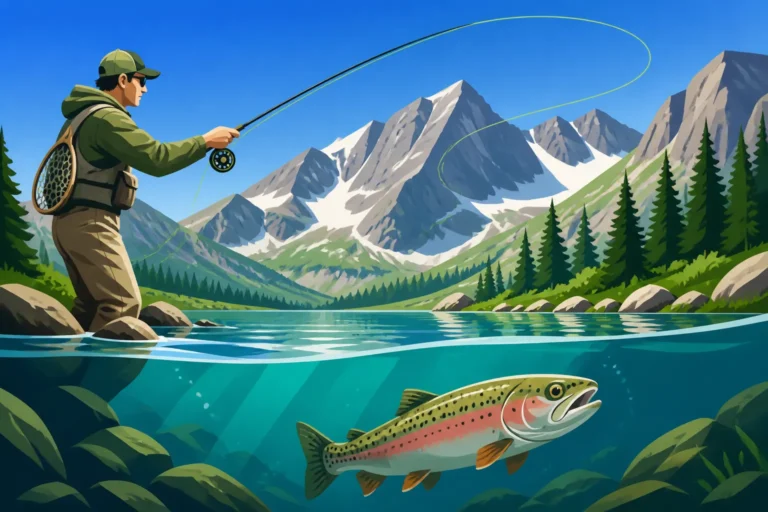
The allure of the Provo River lies in its reputation for producing healthy, vibrant trout, including robust brown trout and energetic rainbow trout. For many, it's a quintessential Western fly fishing experience, complete with stunning scenery and the chance to hook into some truly impressive fish. However, this popularity also presents a challenge: the Provo can be a crowded place, especially on weekends or during prime hatches. Learning to read the water, understand fish behavior, and adapt your techniques becomes paramount. It's a river that demands respect and a willingness to learn its nuances. Don't be discouraged by the crowds; with the right knowledge, you can still find solitude and success.
Geographic Overview of the River's Flow
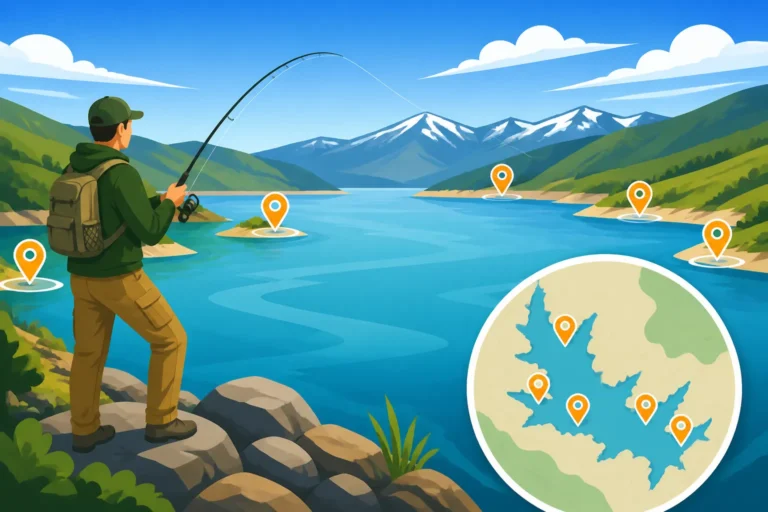
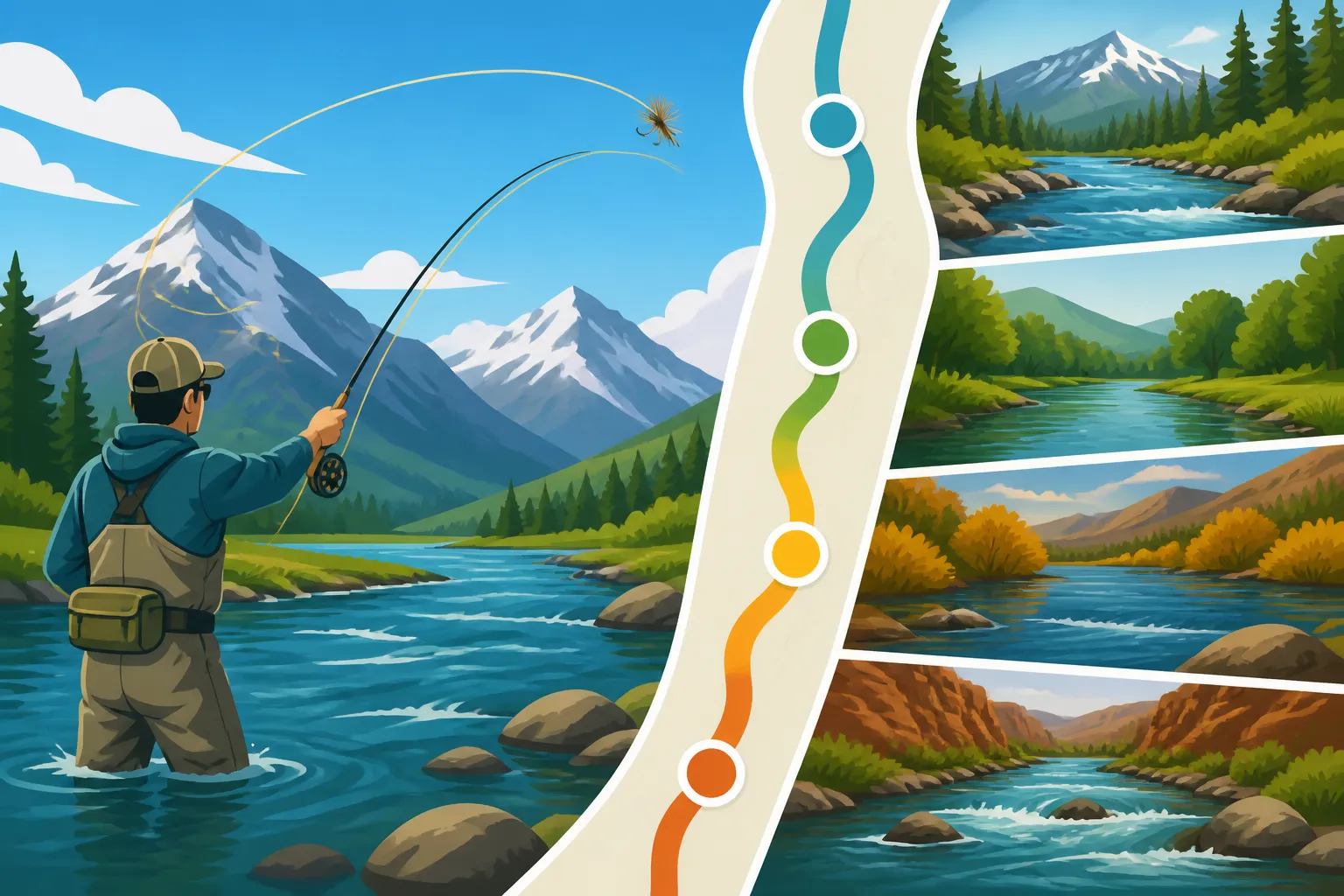
To simplify things, anglers typically divide the Provo River into three main sections, each defined by its relationship to the aforementioned reservoirs:
- Upper Provo River: This section generally refers to the river above Jordanelle Reservoir, originating high in the Uinta-Wasatch-Cache National Forest. It's a freestone stream, meaning its flow and temperature are largely dictated by natural snowmelt and rainfall, without significant man-made regulation from a dam.
- Middle Provo River: This is perhaps the most famous section, flowing between Jordanelle Reservoir and Deer Creek Reservoir. It's a classic tailwater fishery, benefiting from the consistent cold water released from Jordanelle Dam, making it a highly productive trout habitat.
- Lower Provo River: This final stretch flows below Deer Creek Reservoir, emptying into Utah Lake. While also a tailwater, its character changes considerably due to the influence of Deer Creek and its journey through more urbanized areas.
Each of these sections offers a unique environment, demanding different approaches from the fly angler. Knowing which section you're on, and what it entails, is the first step to a successful day on the water.
The Upper Provo River Above Jordanelle Reservoir
The Upper Provo River is often overlooked by anglers who flock to the more famous tailwater sections. This is a mistake. While it might not hold the sheer numbers or trophy potential of the Middle Provo, it offers a distinctly different, often more intimate, fly fishing experience, especially for those who cherish wild trout and solitude. It’s a classic mountain freestone stream, winding through alpine meadows and dense forests.
Characteristics and Fish Species
The Upper Provo is characterized by its fluctuating flows and temperatures, which are dependent on the season. During spring runoff, it can be a raging torrent, but by late summer and fall, it often settles into a charming, wadeable stream. The water here is typically clear, punctuated by riffles, runs, and deeper pockets behind rocks and logs. Because it's a freestone river, it doesn't benefit from the consistent cold-water releases of a dam, so summer water temperatures can get warm, making early morning or late evening fishing more productive.
The primary residents here are wild brown trout and rainbow trout, often smaller than their tailwater cousins but feisty and beautiful. You might also encounter cutthroat trout, especially higher up in the drainage. These fish are wild and wary, making them a rewarding challenge for the observant angler. They're opportunistic feeders, keying in on whatever insects are active or terrestrial insects that fall into the water. For a deeper dive into the various species you might encounter, check out our guide on Utah Trout Species Guide.
Access Points and Preferred Techniques
Access to the Upper Provo is generally good, with numerous turn-offs along State Route 150 (the Mirror Lake Highway) leading to national forest lands. Popular access points include areas around Soapstone Basin and throughout the scenic drive up towards Mirror Lake. Many stretches are easily accessible by foot, often requiring just a short walk from the road. Some areas are more remote, offering true wilderness fishing for those willing to hike.
Because of the river's smaller size and wilder nature, lighter tackle is often preferred. A 3- or 4-weight fly rod, paired with a floating line, is perfect for delicate presentations. Dry fly fishing can be exceptional here, especially during summer when grasshoppers, ants, and various caddis and mayfly hatches occur. When fish aren't looking up, nymphing with smaller patterns like pheasant tails, hare's ears, or caddis larvae imitations can be highly effective. Streamer fishing with smaller patterns can also entice aggressive brown trout. Remember to approach the water cautiously; these wild trout spook easily. If you're looking for more general advice, our Utah Trout Fishing Tips article offers great foundational knowledge.
The Middle Provo River: A Blue Ribbon Experience
The Middle Provo River, stretching roughly 10-15 miles between Jordanelle Dam and Deer Creek Reservoir, is the crown jewel of Utah's fly fishing scene. This section is officially designated as a Blue Ribbon Fishery by the Utah Division of Wildlife Resources, a testament to its exceptional water quality, productive habitat, and healthy fish populations. It's an absolute must-visit for any serious fly angler in Utah, and it's where many anglers often book local guides, perhaps through platforms like FishingBooker, to get the most out of their experience.
Water Conditions and Trophy Potential
As a tailwater fishery, the Middle Provo benefits from the consistent, cold, oxygen-rich water released from the bottom of Jordanelle Reservoir. This stable environment allows trout to thrive, grow large, and maintain strong populations year-round. The river here flows through a mix of agricultural lands and natural riparian zones, featuring classic riffles, long runs, deep pools, and intricate pocket water. The consistent water flows and temperatures mean that fishing can be good even during harsh winter months, making it one of the few places where you can enjoy excellent Utah Ice Fishing Regulations or other year-round angling.
The Middle Provo is famous for its abundant brown trout, many of which reach impressive sizes, often exceeding 20 inches. Rainbow trout are also plentiful, providing a vibrant, hard-fighting adversary on the end of your line. Unlike the wilder Upper Provo, many of these fish are robust and well-fed, thanks to the rich aquatic insect life. This section is also a key area for those interested in the Fish Species in the Provo River.
Popular Access Points and Fly Selection
Access along the Middle Provo is excellent, though it can get crowded. Popular access points include the Legacy Bridge, the access areas near Vivian Park (a great spot for Middle Provo River Access Near Vivian Park), and various pull-offs along Highway 189. Some stretches require a walk-in, but many are easily reachable. Parking lots can fill up quickly, so arriving early, especially on weekends, is always a good strategy.
Given the density of aquatic insects, matching the hatch is often critical on the Middle Provo. Common hatches include prolific midges (especially in winter), blue-winged olives (BWO) in spring and fall, PMDs (Pale Morning Dun) in summer, and various caddis throughout the warmer months. Nymphing is perhaps the most consistently productive method here, utilizing patterns like sowbugs, scuds, zebra midges, pheasant tails, and flashy attractor nymphs. Dry fly fishing can be phenomenal during a strong hatch, while streamer fishing can entice the biggest brown trout, particularly during low light conditions or when the water is slightly off-color. For a comprehensive guide to what insects are hatching and what flies to use, our Best Flies for Utah Trout Streams article is an excellent resource.
The Lower Provo River: Diverse Opportunities
The Lower Provo River extends from the outflow of Deer Creek Reservoir down to Utah Lake. While it shares some characteristics with the Middle Provo as a tailwater, the influence of Deer Creek and its journey through more developed areas give it a unique feel and different fishing opportunities. This section, though sometimes overshadowed by its upstream sibling, offers excellent angling, often with less pressure in certain areas.
From Deer Creek to Utah Lake
After flowing through Deer Creek Reservoir, the Provo River continues its westward journey. The water released from Deer Creek is also cold and clear, maintaining good trout habitat for several miles downstream. However, as the river flows further, it picks up more agricultural runoff and gradually warms, especially as it approaches Utah Lake. This transition affects both the water quality and the fish species present. The lower reaches of this section pass through urban environments, including the city of Provo itself, before spreading into a delta and finally merging with Utah Lake.
The upper parts of the Lower Provo, immediately below Deer Creek, are still considered prime trout water. Here, you'll find healthy populations of brown and rainbow trout, similar to the Middle Provo, though often slightly smaller on average. As you move closer to Utah Lake, the species composition shifts. While trout are still present, you'll start to encounter warm-water species that migrate up from Utah Lake, such as carp, white bass, channel catfish, and even some smallmouth bass. This makes the Lower Provo a unique blend of cold-water and warm-water fishing, offering a wider variety of targets. Check out our detailed article on Lower Provo River Fishing Spots Near Utah Lake for more specific locations.
Target Species and River Features
In the cooler, upper stretches of the Lower Provo, nymphing remains a highly effective technique, mirroring the tactics used on the Middle Provo. Midges, BWOs, and various caddis patterns are consistently productive. Dry fly fishing can also be excellent during hatches, particularly in spring and fall. Streamer fishing is always a good bet for targeting larger brown trout.
As the river nears Utah Lake, anglers might switch tactics to target warm-water species. Using bait, spinning gear with small crankbaits or jigs, or even large streamers on a fly rod can be effective for carp, catfish, or white bass. This section offers unique challenges and rewards, especially for those who enjoy variety. The accessibility is generally good, with several public parks and access points in Provo Canyon and within the city limits. This diversity of fish and techniques makes the Lower Provo a fantastic option for anglers looking to explore beyond just trout.
Here’s a quick comparison of the three main sections of the Provo River for fly fishing:
| Characteristic | Upper Provo River (Above Jordanelle) | Middle Provo River (Jordanelle to Deer Creek) | Lower Provo River (Deer Creek to Utah Lake) |
|---|---|---|---|
| River Type | Freestone (Natural Flow) | Tailwater (Dam Controlled) | Tailwater (Dam Controlled, warming near Utah Lake) |
| Primary Fish Species | Wild Brown Trout, Rainbow Trout, Cutthroat Trout | Trophy Brown Trout, Rainbow Trout | Brown Trout, Rainbow Trout, White Bass, Catfish, Carp |
| Average Fish Size | Smaller (6-14 inches), wild | Larger (14-22+ inches), healthy and robust | Medium (10-18 inches for trout), varied for warmwater |
| Water Conditions | Variable flow/temp, clear (runoff in spring) | Consistent cold, clear, stable flow, Blue Ribbon | Clear to slightly turbid, gradually warming downriver |
| Typical Pressure | Low to Moderate, less crowded | High, especially popular access points | Moderate, less than Middle Provo in upper stretches |
| Recommended Gear | 3-4 wt rod, floating line, light leaders | 5-6 wt rod, floating line, strong leaders | 5-6 wt rod (trout), heavier gear for warmwater |
| Best Techniques | Dry Flies, Small Nymphs, Small Streamers | Nymphing (consistent), Dry Flies (hatches), Streamers | Nymphing, Dry Flies (upper), Spin/Bait (lower) |
| Access | Mirror Lake Hwy pull-offs, walk-ins | Vivian Park, Legacy Bridge, Hwy 189 pull-offs | Provo Canyon, city parks, Utah Lake State Park |
Navigating Regulations and Conservation on the Provo
Fishing on any Utah waterway comes with responsibilities, and the Provo River is no exception. Its popularity and the presence of sensitive fish populations mean that anglers must be diligent in understanding and following local regulations. These rules are not arbitrary; they are carefully designed to protect the fishery and ensure its health for future generations. Ignoring them can lead to significant penalties, as outlined in our Utah Fishing License Penalties for Violations.
Specific Rules for Each Section
It's crucial to understand that regulations can vary between the different sections of the Provo River. While a general Utah Fishing License Guide is your starting point, specific rules regarding tackle, bait, and harvest limits often apply to particular stretches, especially on Blue Ribbon sections.
For example, the Middle Provo River, being a Blue Ribbon Fishery, often has more restrictive regulations aimed at protecting its trophy trout. These might include:
- Artificial Flies and Lures Only: Many stretches restrict anglers to using only artificial flies and lures with single, barbless hooks. This minimizes harm to released fish.
- Catch-and-Release or Slot Limits: Some areas might be strictly catch-and-release for certain species, or have specific "slot limits" where fish within a certain size range must be released, while smaller or larger fish can be kept.
- Gear Restrictions: While generally fly fishing focused, even spin anglers may have restrictions on lure types or hook configurations.
The Upper Provo might have different bait restrictions or general statewide limits, while the Lower Provo, especially as it nears Utah Lake, might have more liberal rules, particularly for invasive or warm-water species. Always consult the current Utah Fishing Guidebook published by the Utah Division of Wildlife Resources (UDWR) before heading out. This guidebook is updated annually and contains all the specific regulations for every body of water.
Practicing Responsible Angling
Beyond simply following the rules, responsible angling on the Provo River involves a commitment to conservation. This is particularly important on heavily fished waters like the Middle Provo.
- Catch and Release Best Practices: If you're practicing catch and release, handle fish gently with wet hands. Keep them in the water as much as possible, remove hooks quickly, and allow them to recover before release. Avoid "playing" a fish to exhaustion.
- Leave No Trace: Pack out everything you pack in, including monofilament line, which can be deadly to wildlife.
- Respect Private Property and Other Anglers: Much of the Provo River flows past private land. Be mindful of property boundaries and give other anglers ample space. The river is a shared resource, and courtesy goes a long way.
- Aquatic Invasive Species (AIS) Awareness: Always clean, drain, and dry your boats and gear to prevent the spread of invasive species like Quagga mussels. This is especially vital when moving between different bodies of water. Even wading boots and nets should be thoroughly cleaned.
By adhering to these principles, we can all contribute to keeping the Provo River a fantastic fishing destination for generations to come. Many local fly shops, such as those that cater to anglers looking for the Best Sections of the Provo River for Fly Fishing, are excellent resources for current conditions and ethical practices.
Essential Gear and Strategies for Each Section
Having the right gear and understanding how to apply different strategies can make all the difference in your Provo River fly fishing adventure. While some basic equipment will work across all sections, optimizing your setup for the specific characteristics of each stretch will significantly increase your success and enjoyment.
Recommended Rods, Reels, and Lines
For the smaller, wilder fish of the Upper Provo River, a lighter fly rod is generally preferred. A 3-weight or 4-weight rod, typically 7.5 to 8.5 feet long, offers the delicate presentation needed for wary trout in smaller water. Pair this with a matching floating fly line and a 7.5 to 9-foot leader tapering down to 5x or 6x tippet for stealth. A basic disc-drag fly reel is usually sufficient, as these fish rarely make long, blistering runs.
The Middle Provo River often demands a bit more backbone. A 5-weight or 6-weight rod, 9 feet in length, is the most versatile choice. This allows for better casting in wind, handling larger fish, and turning over heavier nymph rigs. A good quality floating fly line is essential. For leaders, start with a 9-foot leader tapering to 4x or 5x, and be prepared to add longer sections of fluorocarbon tippet (often 3-5 feet of 5x or 6x) when nymphing to get flies down deep. A reliable, smooth-drag reel is a plus here, especially when battling larger brown trout in swift currents. Our guide on Best Fly Rod Weight for the Provo River dives deeper into specific recommendations.
For the Lower Provo River, if targeting trout in the upper reaches, the same 5-6 weight setup as the Middle Provo works well. If you venture into the lower sections near Utah Lake for warm-water species, you might consider heavier fly rods (7-9 weight) to handle larger fish like carp or smallmouth bass, or even switch to conventional spinning gear for versatility.
Reading the Water and Adapting Your Approach
Regardless of the section, success on the Provo River hinges on your ability to read the water and adapt your techniques. Trout are masters of efficiency, holding in spots where food is abundant and current is minimal.
- Riffles: These are shallow, fast-moving sections. Trout here are often looking for nymphs dislodged by the current or emerging insects. Nymphing with heavier patterns or dry-dropper rigs can be effective.
- Runs: Deeper, more consistent flows. Fish will hold in seams between fast and slow water, or behind submerged structure. These are prime areas for both nymphing and dry fly presentations during a hatch.
- Pools: Slower, deeper areas. Larger fish often inhabit pools, especially during bright conditions. Fish the edges, depths, and any visible structure with nymphs, streamers, or emerger patterns.
- Pocket Water: Sections with numerous rocks and obstacles creating small eddies and calm spots. Fish often tuck into these pockets for cover and easy access to food. Short, precise casts with nymphs or small dry flies are key.
Seasonal Adjustments:
- Spring: Watch for BWO hatches and fish nymphs aggressively. Early spring can be cold, so consider the impact of How Water Temperature Affects Utah Trout Fishing.
- Summer: Early mornings and late evenings are best. Focus on terrestrial patterns (hoppers, ants, beetles) and caddis. Deep nymphing can also be productive during the day.
- Fall: A favorite for many, with excellent BWO and midge hatches. Brown trout become aggressive as they prepare to spawn, making streamer fishing a strong option.
- Winter: Midges are dominant. Focus on slow, deep nymphing with tiny midge patterns and light tippets. The consistent tailwater temperatures keep fish active even in the cold.
Considering a guided trip, especially if you're exploring a new section of the Provo, can be an invaluable investment. Many professional guides, often found through services like FishingBooker, spend hundreds of days a year on these waters and can rapidly accelerate your learning curve, teaching you how to read specific currents and select the most effective flies for current conditions.
Disclaimer
Fishing conditions and regulations in Utah can change. Always consult the latest Utah Fishing Guidebook published by the Utah Division of Wildlife Resources (UDWR) before planning your trip. This article is for informational purposes only and does not supersede official regulations.