Best Fishing Access Points on Antelope Island
It's incredibly frustrating when you're dreaming of a peaceful day casting lines, perhaps while enjoying the unique beauty of Antelope Island, only to find conflicting information or realize that what you hoped for isn't quite the reality. Many anglers come to Utah, hear about this incredible island on the Great Salt Lake, and naturally wonder about the fishing opportunities. This guide is here to cut through the confusion and give you a truly comprehensive look at fishing access points on and around Antelope Island, managing expectations and highlighting what you can realistically expect.
Understanding the Unique Challenges of Fishing Antelope Island
Let's get right to it: Antelope Island State Park is a phenomenal place to visit for wildlife viewing, hiking, and enjoying the vast, surreal landscape of the Great Salt Lake. However, if your primary goal is to catch conventional sport fish like trout, bass, or even panfish directly from the shores of Antelope Island, you're going to be disappointed. The ecosystem here is profoundly unique, and it dictates what kind of "fishing" is even possible.
The Great Salt Lake's Salinity and Its Impact on Fish
The Great Salt Lake isn't just salty; it's hypersaline, meaning it has a much higher salt concentration than the ocean. This extreme salinity is the single biggest factor limiting traditional fishing. Most freshwater fish simply cannot survive in such conditions, and while a few specialized marine species could theoretically tolerate it, the lake's composition and isolated nature mean it doesn't host them either. Instead, the Great Salt Lake is home to a robust, albeit simple, food web primarily based on brine shrimp and brine flies. These small organisms thrive in the salty water, forming the base of the diet for millions of migratory birds that flock to the lake.
There are no sustained populations of game fish within the main body of the Great Salt Lake. This isn't just a matter of "they're hard to catch"; it's a biological reality. The water simply isn't conducive to their survival and reproduction. So, when you're looking at the vast expanse of water from Antelope Island, you're seeing an incredible natural wonder, but not a conventional fishing hole.
Dispelling Myths: What You Won't Catch Here
It's important to set realistic expectations to avoid a wasted trip. You will not be catching rainbow trout, brown trout, or any other popular trout species here. You won't find smallmouth or largemouth bass, kokanee salmon, or walleye. These fish require freshwater or significantly less saline conditions than what the Great Salt Lake offers. Even species known for their adaptability, like carp, generally only survive and congregate in the very limited areas where freshwater inputs significantly dilute the lake's salinity.
Many guides and online resources focus on the incredible birdwatching, hiking, and stunning photography opportunities that Antelope Island presents, and for good reason. It's truly a gem for these activities. But for a traditional angling experience, you'll need to look elsewhere. However, that doesn't mean there aren't any possibilities for throwing a line in the water, or unique angling experiences to be had, which we'll explore in the next section.
Exploring Potential Access Points for Non-Traditional Angling
While the Great Salt Lake itself isn't a sport fishery, there are specific spots on and around Antelope Island where you could theoretically cast a line, particularly if you're interested in a very niche experience or just want to try your luck in a truly unique environment. It's crucial to understand that success, in terms of catching a "game fish," is highly improbable. These access points are more about the experience of fishing near the Great Salt Lake and its unique conditions, or targeting the most resilient, non-game species.
Causeway and Causeway Pond Access
The causeway leading to Antelope Island is perhaps the most accessible "fishing" area. Along its length, particularly closer to the mainland, there are areas where freshwater runoff, especially during spring and after heavy rains, creates pockets of slightly less saline water. These areas can occasionally attract hardy fish like carp, which are much more tolerant of brackish conditions.
- Access: You can pull off at various points along the causeway, especially on the north side, to find small pull-outs or access points to the shore. Be mindful of traffic and park safely.
- What to expect: Don't expect pristine waters or a typical fishing hole. The bottom can be muddy, and the water level fluctuates significantly with the lake's elevation. If you are targeting carp, simple bottom-fishing rigs with corn or dough baits might yield results, but this is far from guaranteed. For a more conventional experience, you'd be better off exploring nearby freshwater areas.
- Causeway Ponds: There are sometimes small, ephemeral ponds adjacent to the causeway, especially on the north side, which collect freshwater. These are highly variable, often dry up, or become too saline. If you happen to find one with water, it might hold fish from previous stockings or resilient species, but this is a rare occurrence and not something to plan a trip around. Always check local conditions and ensure you are not trespassing on private property or restricted areas.
Shoreline Access Points on the Island
Once you're on Antelope Island itself, several popular points offer access to the Great Salt Lake's shoreline. While these are fantastic for views, picnics, and exploring, their utility for fishing remains extremely low for game fish.
- Buffalo Point: This iconic viewpoint offers stunning panoramic vistas of the lake and the island. There are rocky areas and sandy beaches below. You can access the water here, but again, the salinity precludes conventional fishing. It's a prime spot for photography and experiencing the vastness of the lake, but not for reeling in a fish.
- White Rock Bay: Located on the western side of the island, White Rock Bay has picnic areas and beach access. The water here is also highly saline. On rare occasions, during periods of significant freshwater inflow or unusual lake conditions, some anglers have reported trying for carp in the very shallow, less saline fringes. However, these reports are sporadic and not indicative of a reliable fishing spot. The bay is beautiful for its stark white beaches and views, but not for fishing.
- Garr Ranch Area: This historic ranch offers a glimpse into the island's past. While there are some freshwater springs on the island, they don't create significant, fishable bodies of water that sustain game fish. Any water bodies here are usually too small, too warm, or too disconnected from the lake to offer fishing opportunities. For those looking for guided tours or more specific local knowledge about unique spots, it might be worth checking services like FishingBooker for regional fishing experts who could offer insight into any truly exceptional, albeit rare, local conditions for non-traditional species.
Seasonal Considerations for Marginal Fishing
If you are determined to try your hand at fishing the Great Salt Lake near Antelope Island, seasonality plays a minor but notable role, primarily concerning freshwater input and water levels.
- Spring Runoff: The spring months, typically April through June, bring snowmelt from the surrounding mountains, increasing freshwater flow into the Great Salt Lake. This influx can temporarily reduce salinity in very localized areas, particularly near culverts or where streams feed into the lake along the causeway or the immediate shores. This is when carp, if present, might be slightly more active and concentrated in these diluted pockets.
- Low Water Levels: The Great Salt Lake is famous for its fluctuating water levels. During periods of significantly lower lake levels, the exposed shoreline can create unique tidal pools or isolated pockets. While these are usually too saline for fish, they can be fascinating for observing brine shrimp and brine flies. Fishing in these conditions would be extremely difficult and yield little to no results for conventional fish species.
- High Water Levels: Conversely, when the lake is very high, more areas along the causeway and island shores might be inundated. This might broaden the reach of any freshwater dilution, but still, the overall salinity remains too high for most fish.
Ultimately, any "fishing" on Antelope Island's shores is an exercise in appreciating the natural environment and embracing a non-traditional approach. It's not about catching a trophy; it's about the unique experience.
Gear, Techniques, and What to Expect for an Antelope Island Fishing Attempt
If you're still keen on trying to cast a line from Antelope Island's shores, perhaps just to say you've done it, here's what you should consider in terms of gear and approach. Remember, this isn't about traditional sport fishing, but rather a venture into a unique, highly saline environment.
Recommended Gear for Great Salt Lake Shores
Given the unique conditions, you don't need a lot of specialized gear for fishing the Great Salt Lake from Antelope Island. In fact, many serious anglers would tell you that any gear is probably overkill for the expected results. However, if you're determined to try:
- Rod and Reel: A basic, medium-action spinning rod and reel combo, similar to what you might use for panfish or small trout, will suffice. Something in the 6-7 foot range is versatile. You're not casting for distance or fighting large, powerful fish.
- Line: Monofilament line in the 6-10 lb test range is perfectly adequate. There's no need for expensive fluorocarbon or braid for this application.
- Terminal Tackle: A simple Carolina rig or a bottom-rig setup works best if you're targeting carp in diluted areas. This means:
- Hooks: Size 4 to 8 circle hooks or J-hooks.
- Weights: Split shots or small egg sinkers to get your bait to the bottom.
- Swivels: To prevent line twist.
- Bobbers: Largely unnecessary unless you are in a very specific, shallow, calm freshwater pocket, which is unlikely.
- Bait: Forget your fancy lures or live minnows. If you're hoping for carp, the tried-and-true baits are:
- Canned Corn: Sweet, cheap, and effective for carp.
- Dough Balls: Simple mixture of flour and water, sometimes with a flavor enhancer.
- Worms: Nightcrawlers or garden worms might also attract carp.
- PowerBait: While excellent for trout, it's unlikely to attract anything in the Great Salt Lake.
When considering your overall fishing gear, keep in mind the salt. Any gear exposed to the Great Salt Lake's water will need a thorough rinsing with freshwater afterwards to prevent corrosion. For a broader overview of general fishing equipment, check out our guide on Utah Fishing Gear Guide. If you're looking to explore more diverse fishing, consider learning about Best Fishing Rods for Utah Anglers for other state waters.
Targeting Resilient Species: Carp and Brine Shrimp
Realistically, the only "fish" you might have a remote chance of catching in the very freshest pockets around Antelope Island is the common carp. Carp are incredibly hardy and can tolerate a wide range of water conditions, including slightly brackish water where freshwater sources dilute the Great Salt Lake's salinity. However, they are still not native to the Great Salt Lake and their presence would be localized and opportunistic.
- Carp Fishing Technique: If targeting carp, use the bottom-fishing rigs described above. Cast your bait into the freshest-looking water near culverts or stream inputs along the causeway. Be patient. Carp are often bottom feeders and may take a while to find your bait. You'll often detect a bite by a slow, steady pull on your line.
- Brine Shrimp (A Unique "Catch"): While not a sport fish, brine shrimp are the most abundant "catch" in the Great Salt Lake. You can't fish for them with a rod and reel, but you can certainly observe them. Many visitors use small nets (like aquarium nets) to scoop them up for educational purposes. This is a fascinating activity, especially for kids, and provides a direct interaction with the lake's primary inhabitants. This isn't "fishing" in the traditional sense, but it is an interaction with the aquatic life that thrives here.
Emphasizing the Experience Over the Catch
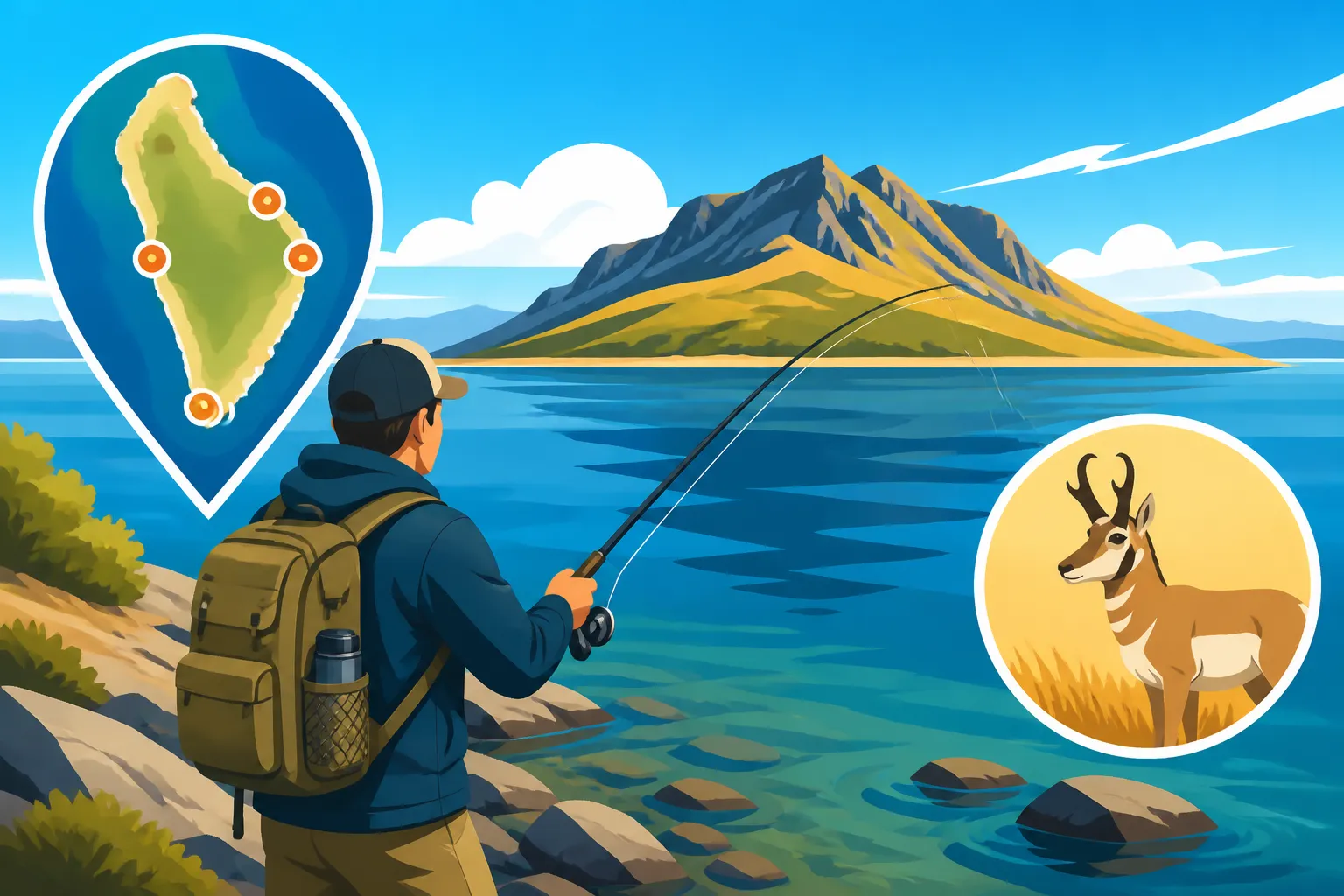
The true value of fishing from Antelope Island's shores lies in the experience itself, not necessarily in the size or number of fish you catch. It's about being surrounded by the unique, vast, and often eerie beauty of the Great Salt Lake. Imagine the incredible sunsets, the solitude, the wildlife (like bison and antelope roaming freely), and the sensation of being at the edge of one of the world's most unique water bodies.
Take the time to enjoy the unparalleled scenery. Pack a picnic, bring your binoculars for birdwatching, and just soak in the atmosphere. Any attempt at fishing here should be seen as an additional activity to enhance your visit, not the sole purpose. This is a place where the journey and the environment are the real treasures. You can find more information about Utah's fishing regulations to ensure a compliant and enjoyable trip, even if it's an unconventional one by checking out Utah Fishing Regulations Explained.
Nearby Freshwater Alternatives for a More Conventional Fishing Trip
Since conventional fishing is largely off the table directly on Antelope Island, it's incredibly helpful to know where you can go for a successful fishing trip nearby. There are numerous fantastic fishing spots within a reasonable drive of Antelope Island that offer excellent opportunities for trout, bass, and other popular species. Many anglers consult resources like FishingBooker to find local guides who can take them to these more productive freshwater locations, providing expertise and ensuring a great outing.
Ogden Area Ponds and Rivers
Just a short drive north and east of the Antelope Island causeway, the Ogden area boasts several excellent freshwater fishing spots, perfect for a conventional angling experience.
- Pineview Reservoir: Located in the picturesque Ogden Valley, Pineview Reservoir is a popular destination known for its diverse fishery. Here, you can target aggressive tiger muskie, smallmouth bass, yellow perch, and panfish. It's a beautiful mountain reservoir, offering both boat and shore fishing access. For specific regulations or prime times to visit, always consult the Utah Fishing Season Dates and Limits. Pineview is a stark contrast to the Great Salt Lake, with lush surroundings and abundant fish populations, making it one of the Best Places to Fish in Utah.
- Causey Reservoir: Further up Ogden Canyon from Pineview, Causey offers a more serene, non-motorized boating experience. It's a fantastic spot for cutthroat trout, rainbow trout, and splake. It's particularly popular for float tubing and kayak fishing.
- Ogden River: Running right through Ogden Canyon and the city, the Ogden River is a blue-ribbon fishery in its upper sections, offering excellent fly-fishing opportunities for brown trout and rainbow trout. Lower sections also provide accessible spots for spin anglers. For those interested in river fishing, understanding specific techniques is crucial, and you can get started with our Utah Fishing Techniques for Beginners guide.
Farmington Bay Waterfowl Management Area
South of the Antelope Island causeway, you'll find the Farmington Bay Waterfowl Management Area. While primarily a bird sanctuary, this area includes large freshwater impoundments that are fed by rivers like the Jordan River. These impoundments, particularly the larger bays and canals, offer excellent fishing for species like carp, channel catfish, and sometimes even largemouth bass, especially in areas with less salinity.
- Access: Numerous access points exist along the dikes and roads within the WMA. You can often find designated fishing areas or pull-offs. Be respectful of the wildlife and waterfowl and adhere to all posted regulations.
- Species: Carp and catfish are the dominant species here, thriving in the warmer, often shallower waters. These fish can grow quite large and offer a fun fight.
- Techniques: Bottom fishing with traditional baits like worms, cut bait, or dough balls is highly effective for catfish and carp. You can also explore specific fishing spots at Utah Lake Catfish Fishing Spots for insights into catching similar species in nearby waters.
- Urban Ponds: Close to Farmington and Salt Lake City, there are also numerous community ponds that are regularly stocked with trout by the Utah Division of Wildlife Resources. These ponds are fantastic for family outings and provide consistent fishing action. You can find more details on these accessible locations in our article on Utah Community Pond Fishing Spots or even specific spots in the Salt Lake Valley Urban Fishing Ponds.
When planning a more traditional fishing trip in Utah, remember that reputable charter services often list their availability on platforms like FishingBooker, making it easy to connect with local experts who can guide you to the best spots and help you land some great fish. Whether you're interested in a full day on a major reservoir or a peaceful afternoon at a local pond, Utah offers a wealth of fishing adventures beyond the unique shores of Antelope Island.
Here's a quick comparison of fishing expectations on Antelope Island vs. nearby freshwater spots:
| Feature | Antelope Island Shoreline (Great Salt Lake) | Nearby Freshwater Reservoirs/Rivers (e.g., Pineview, Ogden River, Community Ponds) |
|---|---|---|
| Primary Fish Species | Brine Shrimp, Brine Flies (non-traditional); highly rare carp in diluted areas | Rainbow Trout, Brown Trout, Cutthroat Trout, Smallmouth Bass, Largemouth Bass, Walleye, Perch, Catfish, Muskie |
| Water Type | Hypersaline (extremely salty) | Freshwater |
| Fishing Difficulty | Extremely High (for fish); Low (for observing brine shrimp) | Moderate to Easy (depending on species and location) |
| Recommended Gear | Basic spinning rod, bottom rig, corn/worms (for carp); Small nets (for brine shrimp) | Diverse, species-specific rods, reels, lures, flies, bait |
| Best Fishing Seasons | Spring (for potential diluted areas); Year-round (for ecosystem observation) | Varies by species and water; generally Spring-Fall, Ice fishing in Winter |
| Boat Access | Limited to non-motorized (kayaks, paddleboards possible, but not for fishing); Causeways for shore access | Extensive, boat ramps available for motorized and non-motorized vessels |
| Experience Focus | Unique ecosystem, wildlife viewing, scenic beauty; unconventional angling | Traditional sport fishing, catching fish, diverse angling challenges |
Disclaimer
The information provided in this guide is for general informational purposes only and does not constitute legal advice. Fishing regulations, license requirements, and local conditions can change frequently. Always consult the official Utah Division of Wildlife Resources (DWR) website for the most current rules, regulations, and advisories before planning any fishing trip. Be aware of private property restrictions and always practice ethical angling, including proper catch-and-release techniques where applicable, and responsible waste disposal. Your safety and adherence to all laws are your responsibility.