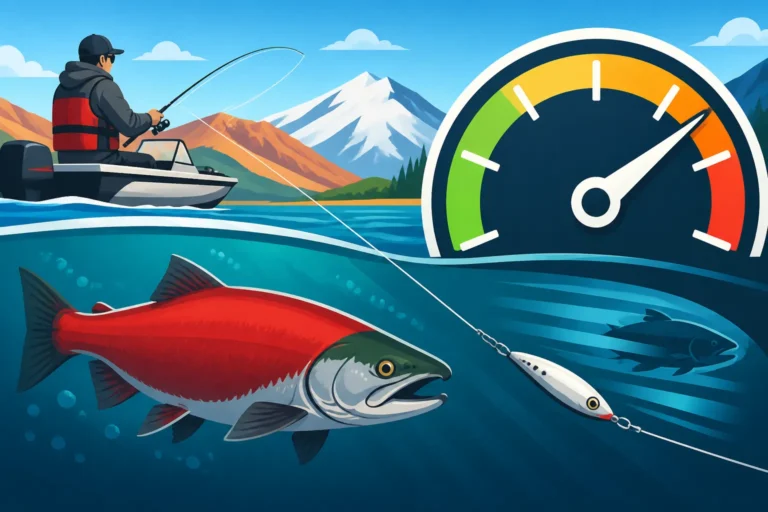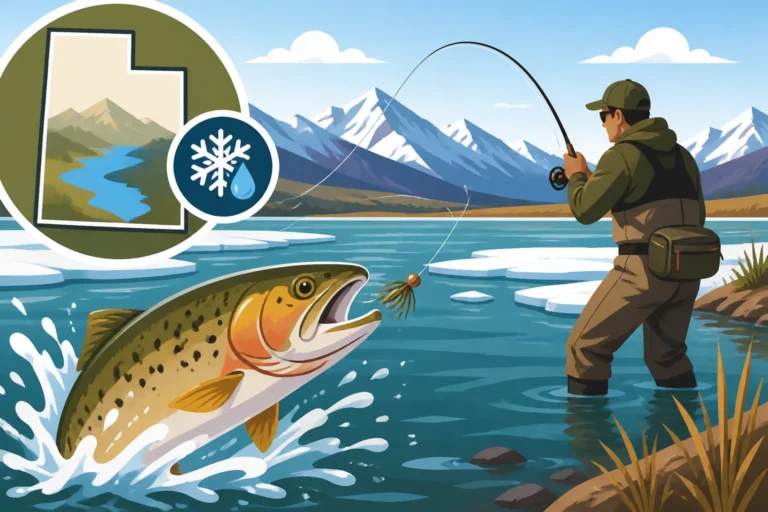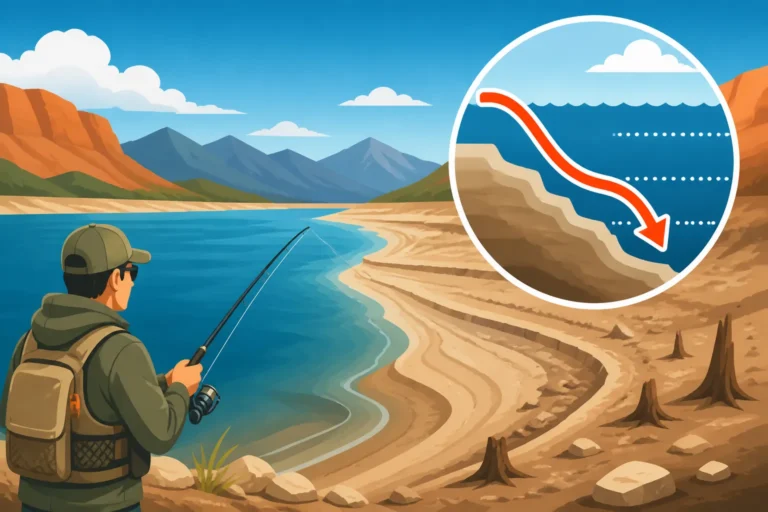
How to Fish for Striped Bass at Lake Powell
Fishing for striped bass at Lake Powell can feel like searching for a needle in a haystack—it's a massive, labyrinthine reservoir, and these aggressive predators can be incredibly nomadic. Many anglers get frustrated trying to pinpoint where the stripers are holding or what they're biting on. This comprehensive guide is designed to cut through that confusion, offering proven strategies, essential gear recommendations, and seasonal insights to dramatically improve your chances of success and help you consistently land striped bass on Lake Powell.
Understanding Lake Powell's Striped Bass
Striped bass are an enigma and a delight for anglers on Lake Powell. They are not native to Utah, having been introduced to control shad populations, but they've thrived, becoming one of the lake's most popular sportfish. To truly master the art of catching them, you first need to understand their natural instincts and how they interact with this unique environment.
The Striper's Lifecycle and Behavior in Lake Powell
Striped bass in Lake Powell are a bit different from their anadromous relatives that migrate to the ocean. Here, they're landlocked, but their instincts for schooling, chasing baitfish, and aggressive feeding remain. They are prolific spawners, typically in the late spring to early summer when water temperatures reach the mid-60s Fahrenheit. Unlike many other species that lay eggs on structure, stripers need current to keep their eggs suspended until they hatch. While Lake Powell doesn't have major rivers with constant flow throughout the lake, the upper reaches of the San Juan and Colorado River arms often provide enough current during runoff for successful spawning. This reproductive success is one of the reasons the lake maintains such a robust striper population, albeit one that fluctuates with conditions like water levels and forage availability. Understanding their behavior is key to knowing when and where to find them. They are primarily a pelagic species, meaning they prefer open water, but they will relate to structure, especially steep canyon walls and submerged features, when hunting or seeking refuge from extreme temperatures.
Key Forage: Why Shad are Crucial
If there's one thing that dictates the movement and feeding patterns of Lake Powell stripers more than anything else, it's the threadfin shad. These small, silvery baitfish are the primary food source for striped bass, and where the shad go, the stripers follow. The shad themselves are sensitive to water temperature and light conditions, often congregating in massive schools in warmer surface waters during low light, or retreating to deeper, cooler water during the intense midday sun of summer.
When shad are abundant and driven to the surface by predatory stripers, it creates one of the most exciting phenomena in freshwater fishing: a "boil." This is when hundreds, sometimes thousands, of stripers erupt on the surface, pushing shad into a frantic, splashing frenzy. Finding these boils is a dream for any striper angler, and we'll dive deeper into how to locate and approach them later. Without a healthy shad population, the stripers struggle to grow and sustain their numbers, which is why the Utah Division of Wildlife Resources (DWR) carefully monitors these forage fish. Keeping an eye on reports about the shad population can give you a significant advantage in predicting striper activity.
Essential Gear for Lake Powell Stripers
Successfully targeting striped bass at Lake Powell requires the right tools for the job. You're often dealing with powerful, fast-swimming fish, in a vast, open-water environment, sometimes in deep water, and sometimes in a shallow, chaotic boil. Having the correct setup will not only increase your hook-up ratio but also prevent frustration and lost fish.
Rods, Reels, and Line Choices
For Lake Powell stripers, versatility is key. You'll want a medium-heavy to heavy action spinning or baitcasting rod, typically 6'6" to 7'6" in length. The longer rods offer better casting distance for reaching boils and more leverage for fighting larger fish, while shorter rods can be better for vertical jigging. A good example might be a 7-foot medium-heavy action rod, which provides a good balance for casting lures, trolling, and fighting hard-pulling stripers.
Pair your rod with a robust reel capable of handling long fights and heavy drag. For spinning reels, look for a 4000 to 6000 size, and for baitcasting reels, a 300 or 400 series. Smooth drag systems are absolutely essential. When it comes to line, braided line is often preferred for its strength, sensitivity, and lack of stretch, which helps with hook sets over long distances. A 30 to 50 lb braided main line is a good starting point. You'll want to use a fluorocarbon leader of 15 to 30 lb test, typically 3 to 6 feet long, connected to your braid with a strong knot like an FG knot or a uni-to-uni knot. This leader provides stealth in clear Lake Powell waters and offers abrasion resistance against rocks and the striper's rough mouth. You can find a wide variety of these rods, reels, and lines on platforms like Amazon.
Top Lures and Baits for Stripers
Striped bass are aggressive, but they can also be finicky. Carrying a diverse selection of lures and baits will help you adapt to changing conditions.
- Jigs and Soft Plastics: Bucktail jigs, often in white, chartreuse, or blue/silver, are a classic for stripers. They can be cast and retrieved, or jigged vertically. Pairing a lead head jig with a soft plastic swimbait, grub, or paddle tail in shad patterns is incredibly effective. Sizes can range from 1/2 oz to 2 oz depending on depth and current. These mimic the threadfin shad perfectly.
- Spoons: Casting spoons and vertical jigging spoons are also excellent choices. Kastmasters, Hopkins, and Foremost spoons are popular. Their flash and flutter imitate struggling baitfish, making them irresistible to hungry stripers. For vertical jigging, heavy metal spoons are great for getting down quickly to deep schools.
- Topwater Lures: When stripers are actively boiling on the surface, there's nothing more exhilarating than a topwater explosion. Poppers, walk-the-dog baits, and prop baits in shad or chrome patterns are the ticket. Ensure they have strong treble hooks to withstand the powerful strikes.
- Crankbaits and Trolling Lures: For covering water and targeting deeper stripers, lipped crankbaits that dive to various depths are essential. Brands like Rapala, Bomber, and deep-diving Shad Raps are popular. For trolling, especially for larger, deeper fish, umbrella rigs or large bucktail jigs trolled with a planer board can be highly effective.
- Live Bait: While artificial lures are often the go-to, live shad, when available and legal to use, can be absolutely deadly. If you can catch your own shad with a cast net, they're the ultimate bait. Anchoring up or drifting with live shad in known striper holding areas can yield impressive results, especially for larger, more cautious fish. You can also learn how to Rig Cut Bait for Striped Bass at Lake Powell for a viable alternative.
Mastering Striper Fishing Techniques
Lake Powell's diverse environment, from wide-open main channels to intricate canyon arms, demands a variety of fishing techniques for consistent striper success. Adaptability is your best friend when chasing these dynamic fish.
Trolling for Deepwater Stripers
Trolling is a fantastic way to cover vast amounts of water and locate schools of striped bass, especially when they aren't actively boiling on the surface. This technique is particularly effective for targeting deeper-holding fish during the hotter months or in areas where baitfish are scattered.
The key to successful trolling is understanding depth control and lure presentation. You'll often need to get your lures down to where the fish are holding, which can be anywhere from 20 to 80 feet, or even deeper, depending on the season and time of day. Downriggers are invaluable tools for this, allowing you to precisely set your lures at specific depths. If you don't have downriggers, heavy lead-core line, three-way swivels with a dropper weight, or diving planer boards can help get your lures into the strike zone. Trolling speeds typically range from 2.5 to 4 miles per hour, but it's crucial to experiment. Watch your rod tips for action and pay close attention to your fish finder. Many anglers use a variety of lures while trolling, including deep-diving crankbaits, spoons, and umbrella rigs (which mimic a school of shad). Varying your lures and depths can help you figure out what the fish are keying in on. The best areas to troll are often along steep canyon walls, over submerged points, or across wide bays where you mark baitfish schools on your sonar. Keep an eye on your electronics for any signs of bait or fish arches, and when you mark them, make sure your lures are running at that depth.
Locating and Fishing the Infamous Shad Boils
Few fishing experiences rival the pure adrenaline rush of a full-blown striper boil on Lake Powell. This is when thousands of stripers drive schools of shad to the surface, creating a chaotic feeding frenzy. Knowing When Do Striped Bass Boil on the Surface at Lake Powell and How to Find Shad Boils at Lake Powell are game-changers. Boils can erupt anywhere, from the middle of a main channel to the back of a quiet cove, and they can last for minutes or, on rare occasions, hours.
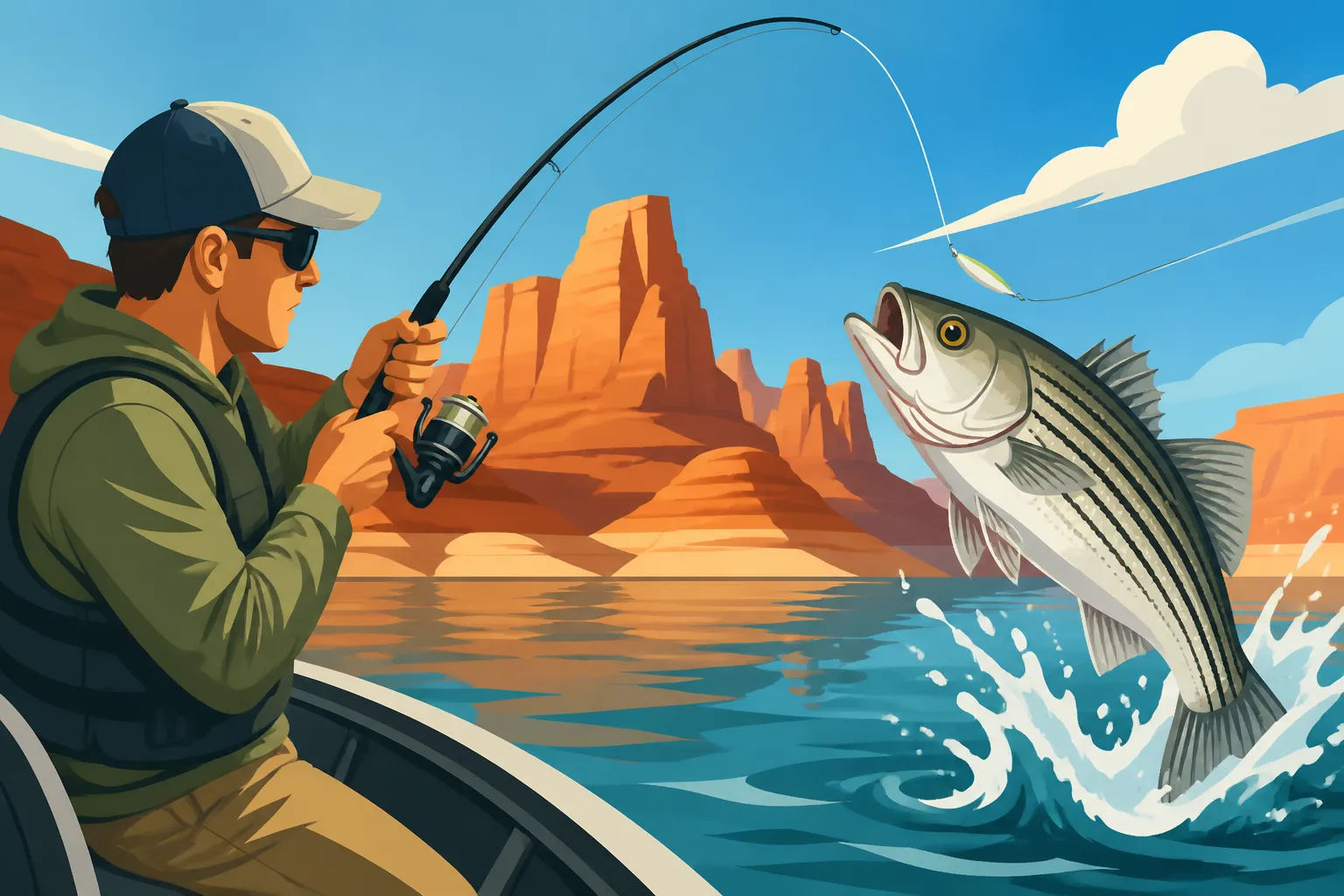
Spotting a boil requires constant vigilance. Look for flocks of diving birds (gulls, terns) — they're often the first indicators of surface activity. Also, listen for the distinctive splashing sound. Once you spot a boil, approach cautiously. Don't motor directly into it, as this will scare the fish down. Instead, motor upwind or upcurrent, cut your engine, and drift into casting range. Use topwater lures like poppers or walk-the-dog baits, casting them right into the thick of the action. Fast retrieves that mimic fleeing baitfish are usually best. If the topwater bite slows, try casting spoons or soft plastic swimbaits just below the surface. The key is to get your lure into the feeding zone quickly. Sometimes, boils are "traveling" and will move across the lake; be prepared to follow them discreetly. Always have a rod rigged and ready for topwater action when you're on Lake Powell, because you never know when a boil might erupt right in front of you.
Vertical Jigging and Live Bait Strategies
When stripers are holding deep and boils aren't happening, vertical jigging or fishing with live bait can be incredibly effective. This is particularly true in deeper sections of the lake, around prominent structure like submerged humps, rock piles, or steep drops-offs, which you can easily identify with a quality fish finder.
For vertical jigging, heavy metal spoons, blade baits, or bucktail jigs are excellent choices. Position your boat directly over the marked fish or structure. Drop your jig to the desired depth and work it with an aggressive lift-and-drop motion. The idea is to trigger a reaction strike from the stripers below. Pay close attention to your sonar to see how the fish react to your presentation. Sometimes a subtle jig works, other times an aggressive one.
Using live bait, specifically threadfin shad, is often the most productive method for larger, more wary stripers. If you can catch them with a cast net, present them on a simple live bait rig: a small hook (size 1 to 2/0) through the nose or back, with a small split shot or no weight at all, depending on how deep you need to go. Drifting with live shad is effective, as is anchoring near a prominent point or submerged island. Keep a close eye on your rod tip or use a sensitive bobber if you're fishing shallow. The natural movement and scent of live bait are often irresistible. Just be sure to check the current Utah Fishing Regulations Explained for any rules regarding baitfish collection and use.
Seasonal Strategies for Striped Bass
Lake Powell's climate means fishing conditions for striped bass can vary drastically throughout the year. Adapting your approach to the season is paramount for consistent success.
Spring and Early Summer: Pre-Spawn and Spawn Aggression
Spring at Lake Powell, typically from March to May, brings rising water temperatures and increased striper activity. This is a pre-spawn period where stripers are actively feeding to build energy for reproduction. They often move into shallower, warmer coves and bays, following the shad which are doing the same. Look for them in the backs of canyons and major arms like the San Juan and Colorado. Trolling with mid-diving crankbaits or casting jigs and swimbaits along sun-warmed rocky banks can be very productive.
As late spring transitions into early summer (May to July), the spawn begins. While they don't build nests, male stripers become highly aggressive and are often easier to catch. This is also when the first significant shad boils of the year start to appear, especially in the mornings and evenings. Pay attention to water temperatures; once they hit the mid-60s Fahrenheit, the action can really heat up. Focus your efforts in the main channel areas near river inflow where stripers gather for spawning. The action can be explosive, offering some of the best opportunities for topwater fishing. For more detail, refer to our comprehensive guide on the Best Time of Day to Catch Striped Bass at Lake Powell.
Mid-Summer: Deepwater and Boil Action
Lake Powell in mid-summer (July and August) means scorching heat and often low water levels, pushing both shad and stripers to deeper, cooler water. This is when deep-water tactics truly shine. Trolling with downriggers becomes essential to present lures at depths of 40 to 80 feet, or even deeper. Look for concentrations of fish and bait on your sonar in the main lake basins and deeper canyon sections.
However, mid-summer also brings some of the most spectacular shad boils. These often occur in the early mornings or late evenings, especially around dawn and dusk, or on overcast days. While the fish are generally deeper during the day, they will absolutely explode on the surface when they push shad up. The key is to be mobile and constantly scanning the horizon for bird activity or splashing water. When a boil erupts, move quickly but quietly into position and cast those topwater lures or fast-retrieving spoons. While the heat can be intense, the rewards of a summer boil are unforgettable.
Fall and Winter: Transition and Cooler Water Tactics
As fall approaches (September to November), the water temperatures begin to drop, and stripers start their "fall feed." This is another period of aggressive feeding as they stock up for the colder months. Shad will often be found in shallower coves and bays as the water cools, and stripers will follow. The boils can be less frequent but often more intense and longer-lasting than in summer. Trolling remains effective, but casting jigs, spoons, and crankbaits into coves and around points can also be highly productive.
Winter (December to February) fishing for stripers at Lake Powell requires patience and good cold-weather gear. The fish move to their deepest haunts, often congregating in large schools in the main lake channels or the deepest parts of major canyon arms. Vertical jigging directly over marked fish is the primary technique. Heavy spoons, blade baits, and large bucktail jigs are excellent for this. While the action can be slower, the fish caught in winter are often larger, as they conserve energy and feed opportunistically. Some anglers even find success trolling deep with umbrella rigs. Remember to bundle up and be prepared for variable weather conditions on the water.
Navigating Lake Powell for Stripers
Lake Powell is immense, covering over 1.25 million acres when full. Simply heading out and hoping to stumble upon fish is a recipe for frustration. Successful striper fishing requires a strategic approach to navigation and a keen understanding of your boat's electronics.
Finding the Right Coves and Structure
Stripers, despite their pelagic nature, are still influenced by the lake's topography. While they roam vast open waters, they will concentrate around certain structures for feeding, resting, or spawning. Canyon arms, especially those with significant inflows from tributaries, are prime areas. These areas often have abundant shad populations and provide varying depths and cover.
Look for long, tapering points that extend into the main channel, submerged humps, and steep ledges or drop-offs. These features create current breaks and ambush points where stripers can corner baitfish. The backs of coves can be hotbeds of activity, particularly in spring and fall when warmer, shallower water attracts shad. However, the vastness of Lake Powell means you need to prioritize. Focusing your search on areas known for concentrations of baitfish or previous striper activity is a smart move. Popular areas often include the Wahweap, Antelope Point, Padre Bay, and the areas around the San Juan and Escalante arms, but stripers can be found almost anywhere there's ample forage. Consider consulting a detailed map of Lake Powell, like those available on Amazon, to identify potential structures before you even launch your boat. Many anglers also find great success exploring the numerous side canyons and rock formations that line the lake, as stripers will often push bait into these dead ends.
Reading Your Electronics for Striper Success
Your boat's electronics, specifically a quality fish finder, are your most powerful tool for finding striped bass in Lake Powell. Without them, you're essentially blind. Modern fish finders with side-imaging and down-imaging capabilities can give you an incredibly detailed view of the underwater world.
- Sonar Basics: Learn to interpret your 2D sonar screen. Stripers often show up as dense schools of arches, sometimes forming massive "bait balls" or large, dark clouds on the screen when they are tightly packed. Shad will appear as smaller, sometimes very dense, clouds of baitfish. The key is to distinguish between scattered fish and actively feeding schools.
- Down Imaging: This provides a picture-like view directly beneath your boat, helping you identify structure like submerged trees, rock piles, or ledges more clearly. It can also help confirm if those fuzzy marks on your 2D sonar are indeed fish or just debris.
- Side Imaging: This is a game-changer for covering water. Side imaging scans out to the sides of your boat, revealing schools of fish or structure you might have otherwise missed. When trolling, side imaging helps you locate schools of stripers off to the side, allowing you to adjust your course or turn around and target them directly.
- GPS and Mapping: Your GPS is crucial for marking productive spots (waypoints) and navigating the vast lake. When you find a school of stripers or a particularly good piece of structure, mark it immediately. This allows you to return to that spot later or identify patterns in where the fish are holding. Many modern units also come with detailed lake maps, showing contours and potential fishing hot spots. Utilizing all these features effectively will dramatically increase your efficiency and success rate when searching for nomadic striped bass. For an even deeper dive, consider our guide on the Best Fish Finders for Utah Reservoirs.
Conservation and Responsible Angling
While striped bass are not native to Lake Powell, they are a vital part of the ecosystem and a cherished sportfish. Responsible angling practices ensure a healthy fishery for years to come.
Understanding Limits and Regulations
It's critical for every angler to know and follow the current Utah Fishing Regulations Explained. For striped bass, the regulations often differ from other species due to their status as a non-native, highly reproductive predator whose population growth can sometimes outpace its forage base. The Utah Division of Wildlife Resources (DWR) frequently adjusts bag and possession limits to manage the population, often encouraging anglers to keep a generous number of stripers. This is particularly true for smaller fish, as removing them can help alleviate pressure on the shad population and allow the remaining stripers to grow larger.
Always check the latest Utah Fishing Guidebook before heading out. Regulations can change annually or even mid-season if conditions warrant. Pay attention to any special rules regarding bait use, such as restrictions on bringing live bait from other waters to prevent the spread of aquatic invasive species. Fines for violating fishing regulations can be steep, and ignorance is rarely accepted as an excuse.
Protecting the Resource
Beyond adhering to bag limits, responsible angling includes practices that minimize your impact on the lake and its fish.
- Catch and Release (when appropriate): While stripers are often encouraged for harvest, if you're targeting specific trophy fish or simply want to release some, do so responsibly. Handle fish gently with wet hands, support their body weight, and release them quickly. Avoid holding them by the jaw or gills. For fish you intend to release, consider using single, barbless hooks to minimize damage.
- Preventing Aquatic Invasive Species (AIS): Lake Powell, like many Utah waters, is constantly threatened by aquatic invasive species like quagga and zebra mussels. These can devastate ecosystems and impact fishing. Always remember to "Clean, Drain, and Dry" your boat and all gear every time you leave the water. This means removing all weeds and debris, draining all water from your livewell, bilge, and motor, and allowing your boat to thoroughly dry before launching in another body of water. Mandatory boat inspections are common, especially when leaving Lake Powell, so be prepared for these.
- Leave No Trace: Pack out everything you pack in. This includes fishing line, lure packaging, food wrappers, and anything else. Keep Lake Powell pristine for all users and for future generations of anglers. By practicing good stewardship, we can all contribute to a vibrant and sustainable striped bass fishery in one of Utah's most iconic bodies of water. For those interested in expanding their angling adventures, consider obtaining a Utah Fishing License Guide to explore other great fishing opportunities across the state.
| Striper Fishing Technique | Best Conditions | Target Depth | Lure/Bait Examples | Key Gear |
|---|---|---|---|---|
| Trolling | Covering water, scattered fish, deep water | Mid to Deep (20-80'+) | Deep-diving crankbaits, spoons, umbrella rigs | Downriggers, planer boards, stout rods |
| Boil Fishing | Active surface feeding, visible birds/splashing | Surface to Shallow (0-20') | Topwater lures (poppers, walk-the-dog), spoons, swimbaits | Fast action rods, strong treble hooks |
| Vertical Jigging | Deep-holding schools, marked fish on sonar | Deep (40-100'+) | Heavy metal spoons, blade baits, bucktail jigs | Sensitive rods, fish finder, braided line |
| Live Bait Fishing | Finicky fish, larger stripers, specific spots | All depths | Live shad, cut bait | Small hooks, light weights, sensitive rods |
Disclaimer
The information provided in this guide is for general informational purposes only and is subject to change. Fishing regulations, conditions, and fish behavior can vary. Always consult the latest Utah Division of Wildlife Resources (DWR) fishing guidebooks and local authorities before planning any fishing trip to ensure compliance with current laws and for the most up-to-date information. Fishing involves inherent risks, and personal safety should always be the top priority.