How to Adjust Technique When Fish Aren’t Biting
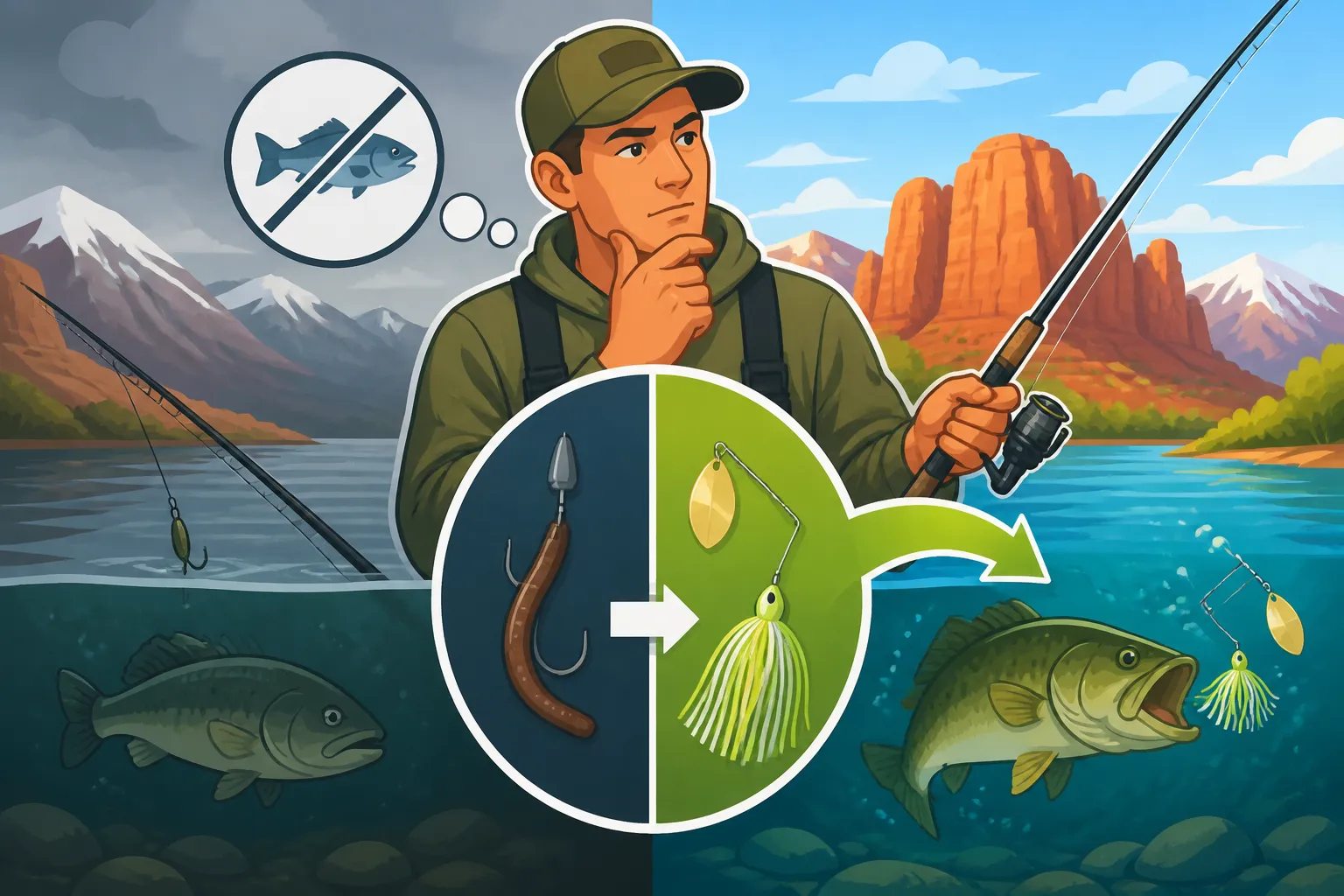
We've all been there: you wake up early, gear up, drive to your favorite Utah fishing spot, full of hope for a productive day, only to find the fish seemingly vanished or completely uninterested in anything you throw at them. It's incredibly frustrating when your usual go-to techniques aren't working, leaving you wondering if you're doing something wrong or if the fish just packed up and moved. This guide is all about giving you the tools to analyze what might be happening and, more importantly, how to adjust your fishing techniques on the fly to turn a slow day into a successful one.
Why the Fish Aren't Biting: Decoding the Silence
Before you can adjust your technique, it helps to understand why the fish might be tight-lipped. It's rarely because there are no fish; more often, it's about external factors influencing their behavior. Thinking like a fish, considering their environment, can be your first and most powerful adjustment.
Environmental Factors at Play
The environment dictates almost everything a fish does, from where they hold to what they eat and how aggressively they'll bite. Overlooking these elements is a common mistake.
Sudden Weather Changes
Utah weather, especially in the mountains or high desert, can be notoriously fickle. A bright, sunny morning can quickly give way to clouds, wind, or even a sudden thunderstorm. Barometric pressure changes associated with these shifts can dramatically affect fish behavior. Before a storm, fish might feed aggressively as pressure drops, but once the storm hits or after a cold front passes, the pressure stabilizes at a higher point, often making fish sluggish and less likely to bite. Consider if a weather front has recently moved through, even if it's now sunny. This "post-front funk" can last a day or two.
Water Temperature and Clarity
Water temperature is a huge factor. Fish are cold-blooded, and their metabolism slows down in colder water, making them less active and less inclined to chase a fast-moving lure. Conversely, water that's too warm can also stress fish, driving them deeper to find cooler oxygenated water or making them lethargic. You might need to change your approach drastically depending on the water temperature. If you're on a river, changes in flow from snowmelt or recent rains can lead to muddy runoff, which reduces visibility and can scatter fish or make them unable to see your presentation. Understanding How Water Temperature Affects Utah Trout Fishing can be a game-changer.
Time of Day and Angler Pressure
While sunrise and sunset are often heralded as prime fishing times, this isn't always a hard and fast rule, especially in highly pressured waters or during extreme weather. Midday in summer, for instance, can be very tough as fish seek deep, cool relief from the sun. Conversely, a cloudy, drizzly midday might be fantastic. Heavily fished areas, like many of Utah's popular community ponds or accessible river stretches, experience immense angler pressure. Fish in these spots can become "educated," recognizing common lures and baits, and become much warier. If you're fishing a popular spot near Salt Lake City, the fish might have seen every trick in the book by noon.
Fundamental Adjustments: The Basics You Might Be Missing
When the fish aren't biting, the natural instinct is often to stick with what should work. But a true angler knows when to pivot. Sometimes, the simplest changes can make all the difference. Don't be afraid to experiment!
Change Your Location and Depth
This is often the first and most crucial adjustment. If you've been casting into the same cove for an hour with no luck, it's time to move. Fish are mobile creatures; they follow bait, seek cover, and react to changing conditions.
Moving to New Water
Sometimes, a few hundred yards down the bank or to the next bend in the river is all it takes. Look for changes in structure: submerged rocks, logs, weed lines, drop-offs, or current breaks. These are classic holding spots for fish. On larger reservoirs like Strawberry or Flaming Gorge, this might mean moving the boat to a different point, a different bay, or even across the lake. Even on a smaller pond, walking to the opposite side can present a completely different scenario, perhaps with more shade or deeper water. Don't waste valuable time pounding barren water.
Adjusting Your Fishing Depth
Fish will often suspend at a specific depth where they feel most comfortable or where their forage is concentrated. If you're getting no bites on topwater, try fishing mid-column with a suspended jerkbait or spinner. If that doesn't work, go deeper, bouncing a jig or weighted bait along the bottom. This is especially true when trout fishing in reservoirs. Many anglers focus on surface presentations, but sometimes the fish are 10, 20, or even 30 feet down. How to Fish Deep Water for Summer Lake Trout illustrates this perfectly. Using a fish finder, if you have one, can be invaluable for identifying where the fish are holding, but even without one, methodical exploration of different depths is key.
Vary Your Presentation: Speed, Color, and Size
Once you've changed location or depth, the next step is to tweak how you're presenting your bait or lure. This is where most of the "technique" adjustments come in.
Speed It Up, Slow It Down, or Change the Action
Are you retrieving too fast for lethargic fish, or too slow for active feeders? If fish are cold and sluggish, a slow, methodical retrieve with pauses can often coax a bite. Think of a jig slowly hopping along the bottom, or a worm drifting naturally. If they're active, a faster retrieve, erratic jerks, or quick twitches might trigger a chase response. Varying retrieve speed is one of the easiest adjustments to make. Try a few casts fast, then a few slow, then a few with an erratic stop-and-go. For fly anglers, this might mean slowing your mend or allowing a nymph to drift deeper.
Changing Lure or Bait Color
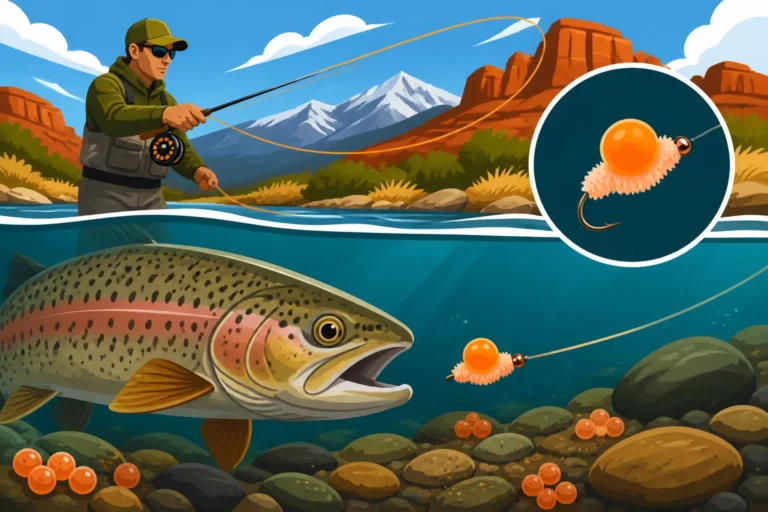
Color choice can be surprisingly important. In clear water, natural colors (greens, browns, clear with flakes) often work best, mimicking natural forage. In stained or murky water, brighter colors (chartreuse, orange, pink) or dark colors (black, purple) can create a better silhouette and offer better visibility. On a sunny day, flashier, metallic lures might get attention, while on a cloudy day, duller, matte finishes might be better. Keep a variety of colors in your tackle box. Many anglers find a good selection of baits and lures on Amazon, ensuring they have options for any water clarity or light condition.
Adjusting Lure or Bait Size
Sometimes, fish are finicky about the size of their meal. If you're throwing a large spoon and getting no bites, try downsizing to a smaller spinner or a tiny jig. Conversely, if you're using small baits and fish are ignoring them, perhaps they're looking for a larger, more substantial meal. This is particularly relevant when fishing for trout; they can be very selective. If you're trying to land a trophy fish, a larger bait might be necessary, but for consistent bites, matching the size of the local forage is critical.
| Problem | Initial Adjustment | Next Step | Advanced Tweak |
|---|---|---|---|
| No bites at current spot | Move to new location | Try different depths | Fan cast multiple retrieves (fast/slow/erratic) |
| Fish follow, but don't bite | Change retrieve speed | Downsize lure/bait | Add scent, change lure action (jerk/twitch) |
| Clear water, no bites | Switch to natural colors | Downsize line/leader | Try very subtle, finesse presentations (drop-shot) |
| Murky water, no bites | Switch to bright/dark colors | Upsize lure/bait | Add rattles, strong vibration lures |
| Midday, hot/sunny | Fish deeper, shaded areas | Slow down retrieve | Switch to live bait or soft plastics with scent |
| Post-front, high pressure | Fish structure slowly | Downsize bait, subtle presentation | Consider switching species if possible (e.g., panfish) |
| Fish are "educated" | Switch to less common lures | Use natural baits (worms, mealworms) | Go super light tackle (finesse), extend leader length, try unusual patterns |
Advanced Tactical Shifts: When the Simple Stuff Fails
If changing location, depth, speed, color, and size still isn't producing results, it's time to dig deeper into your bag of tricks. These adjustments often involve a more significant shift in strategy.
Switching Species or Techniques Entirely
Sometimes, the fish you're targeting just aren't in the mood, but another species might be. Utah waters are often multi-species fisheries. If the trout aren't biting, perhaps the bass are, or maybe some panfish are willing to play.
Target a Different Species
Let's say you're trout fishing at a popular reservoir like Deer Creek, but the trout are being finicky. Don't be afraid to switch gears and try for smallmouth bass around the rocky points, or even panfish in shallower, weedy areas. A simple change of leader, hook, and bait/lure can open up a whole new world of opportunity and save your day from being a complete bust. Knowing Utah Trout Species Guide and other species available in the same water can help you make an informed decision.
Active vs. Passive Fishing
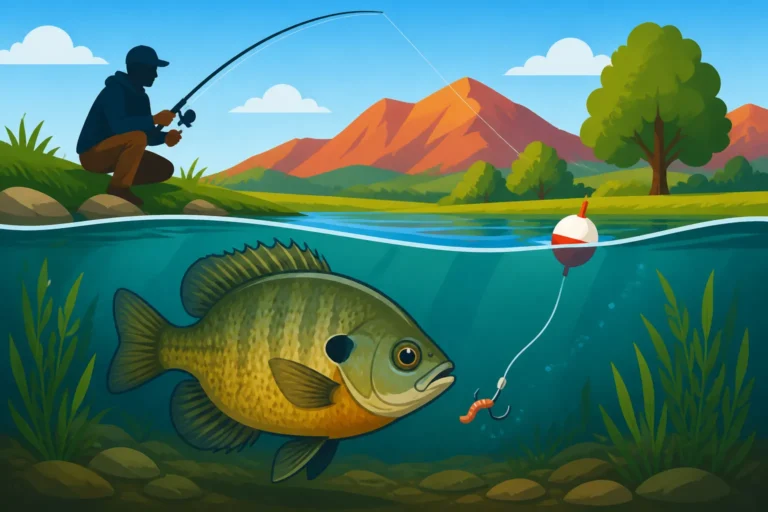
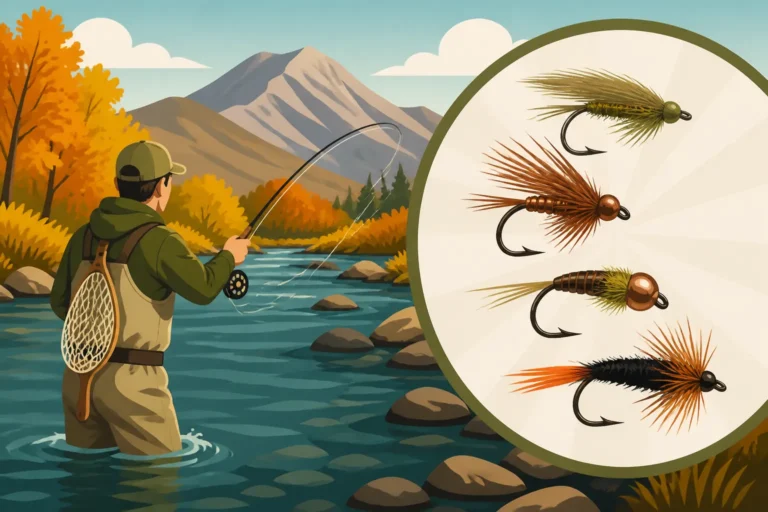
Most anglers start with active fishing – casting, retrieving, jigging. But sometimes, especially when fish are lethargic or spooky, a more passive approach is better. This could mean setting up a dead stick with bait on the bottom, drift fishing a worm under a bobber, or simply letting a natural bait soak in a promising spot. Fly anglers might try a dry-dropper rig, allowing a nymph to drift under a floating indicator. The key is to present something naturally and let the fish come to it, rather than trying to force a reaction.
Adapting to Fish Behavior: Schooling, Solitary, or Spooky
Fish aren't always distributed evenly. Understanding how they're behaving can inform your adjustments.
Finding Schools vs. Targeting Solitary Fish
If you're marking fish on your fish finder but they're scattered, you might be targeting solitary, cautious individuals. If you can locate a school, your chances of a bite often increase dramatically. Schooling fish, especially species like kokanee salmon or striped bass, can be more competitive and aggressive. If you find a school, try various depths within it, and adjust your retrieve to trigger a feeding frenzy. How to Read a Fish Finder for Utah Reservoirs can be incredibly helpful here, allowing you to quickly pinpoint where the action might be. Conversely, some trophy fish are solitary and require a more stealthy, patient approach.
Dealing with Spooky Fish
In clear, calm waters, or on heavily fished days, fish can become incredibly spooky. Loud noises, heavy footsteps on the bank, or even a boat shadow passing over them can send them scattering. Adjustments here include:
- Stealth: Approach slowly, keep a low profile, and minimize noise.
- Longer casts: Keep your distance from the target area.
- Lighter line/leader: This is crucial. Thin fluorocarbon leaders are less visible in the water. Many anglers purchase spools of thin fluorocarbon leader material on Amazon for this very reason.
- Smaller lures/baits: A subtle, small presentation is often less intimidating.
Gear & Presentation Tweaks: Fine-Tuning Your Approach
Beyond the major tactical shifts, there are countless small adjustments you can make to your gear and how you work your bait or lure that can turn the tide.
Line, Leaders, and Terminal Tackle
The connection between you and the fish is often overlooked until it's too late.
Downsizing Line and Leader Material
If fish are finicky, visible line can be a deterrent. Switching to a lighter pound-test line or a thinner diameter fluorocarbon leader can significantly increase your bites, especially in clear water. Fluorocarbon is less visible underwater than monofilament and can make a big difference for wary trout or bass. Many anglers carry multiple spools of different line weights and leader materials. If you're fishing for stocked trout, they often get spooked by heavier lines, so a 4-6 lb test fluorocarbon leader might be essential. Best Fishing Line for Utah Trout delves into this further.
Hook Size and Style Adjustments
Are you missing bites, or are fish just not committing? Sometimes, the hook itself is the problem.
- Smaller hooks: If fish are nibbling but not getting hooked, try a smaller hook. They might be "short-striking" or simply not getting the larger hook fully in their mouth.
- Different hook styles: Circle hooks are great for live bait and often result in better hookups without gut-hooking. Treble hooks on lures can sometimes be swapped for single hooks to reduce snags or make release easier, and in some cases, might present a slightly different profile that fish prefer.
- Sharpen your hooks! A dull hook is a missed fish. Always check your hook points and sharpen them if needed.
Enhancing Your Bait or Lure
Even if you're using the "right" bait, how you present it, and what you add to it, can be critical.
Adding Scent Attractants
Fish use their sense of smell to locate food. Scent attractants, often available in gel or spray form, can make a huge difference, especially in murky water or when fish are less active. Applying a dab of scent to your soft plastic, jig, or even live bait can provide that extra temptation to trigger a bite. Scents can mask human odors and emulate natural forage like crawfish, shad, or garlic, which trout often respond to.
Varying Jigging or Trolling Motion
If you're jigging, don't just use a monotonous up-and-down motion. Try short, sharp snaps, long lifts, or a subtle quiver. Experiment with pauses. For trollers, varying your speed or making subtle turns can change the action of your lure and often trigger strikes. A sudden turn can make a spoon dart out, mimicking a fleeing baitfish. Many anglers use downriggers at places like Flaming Gorge to get their lures to specific depths, but even then, slight variations in speed or boat movement can be key. How to Troll for Kokanee in Utah offers specific advice on this.
Bobber Adjustments and Float Fishing
For those using bobbers or floats, subtle tweaks can be surprisingly effective.
Adjusting Bobber Depth
If you're fishing still water with a bobber, are you presenting your bait exactly where the fish are holding? Adjust your bobber stop to fish shallower or deeper until you find the strike zone. Sometimes, fish are just inches off the bottom, or suspended just under the surface. A slip bobber allows for easy depth changes, getting your bait right to the fish regardless of depth.
Using Different Float Types and Weights
A standard round bobber might be too conspicuous or provide too much resistance for finicky fish. Try a smaller, more sensitive float. For river fishing, a more streamlined float can drift more naturally. Experiment with adding or subtracting split shot to get your bait to drift more freely or sink faster through the current. The goal is always to make your bait look as natural and appealing as possible.
Remember, fishing is as much an art as it is a science. Don't get discouraged when the fish aren't biting. Instead, see it as an opportunity to learn, experiment, and refine your techniques. The more you observe and adapt, the more consistently successful you'll be on Utah's beautiful waters. If you're still feeling unsure, consider reviewing Utah Fishing Techniques for Beginners for a solid foundation.
Disclaimer
This article is for general informational purposes only and does not constitute professional advice. Laws, prices and regulations vary by location and change over time. Consult a qualified professional for guidance on your specific situation.