How to Fish Utah Waters in Early Spring Right After Ice-Off
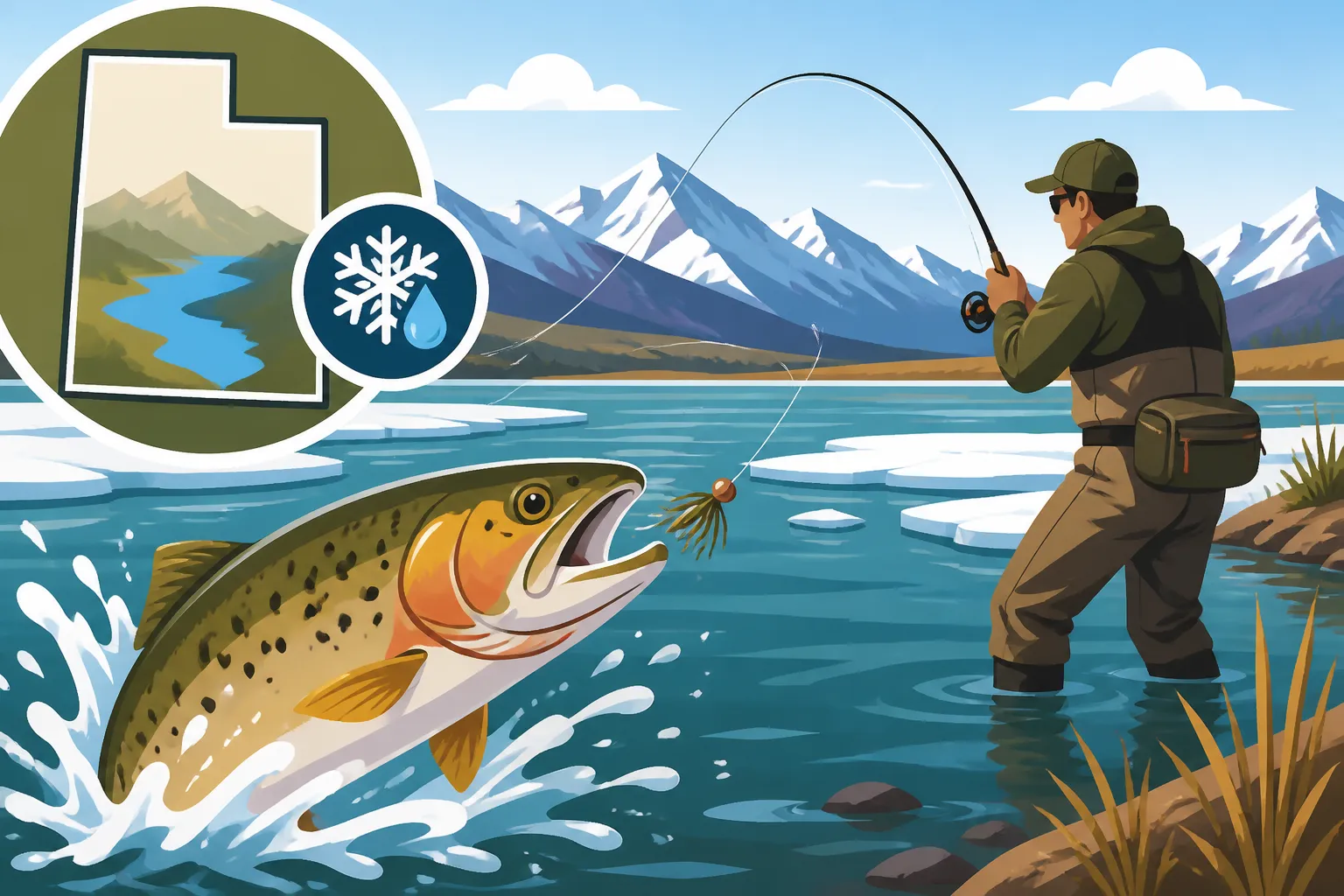
There's a special kind of anticipation that builds up in late winter and early spring for us anglers. We've either been bundled up on the ice, or perhaps patiently waiting for our favorite waters to shed their icy blanket. But when that ice finally pulls back, revealing open water, it can feel like a mad dash to get out there. The truth is, fishing right after ice-off in Utah can be a challenging period, marked by inconsistent weather, varying water temperatures, and fish that are just as confused as we sometimes are about the changing seasons. This guide is all about helping you understand those initial post-ice conditions and giving you the strategies to find success when Utah's waters first open up.
Understanding Early Spring Fish Behavior After Ice-Off
The moment that last sheet of ice recedes from a Utah reservoir or pond marks a significant shift, but it’s not an instant flip of a switch for the fish. Their world has just undergone a dramatic change, and their behavior directly reflects that. Patience and observation are your best tools in these early weeks.
The Immediate Aftermath of Ice Melt
When the ice first comes off, the water is, predictably, still quite cold. We’re often talking about temperatures just above freezing in the low 40s or even upper 30s Fahrenheit. At these temperatures, fish metabolism is incredibly slow. Think of it like trying to run a marathon right after waking up from a deep sleep – not exactly peak performance. Their energy levels are low, and they're not going to chase a fast-moving lure with much enthusiasm.
One crucial factor is oxygen. While ice cover can sometimes lead to lower oxygen levels in certain areas, the fresh influx of open water and wind action can help to re-oxygenate the upper water column. However, the most profound effect is the direct temperature influence. Fish, being cold-blooded, are sluggish. They're still in a kind of semi-dormant state, conserving energy. This means your approach needs to be incredibly subtle and patient. You won't find them in feeding frenzies just yet. The key is to present an easy meal right in front of them, something they don't have to expend much energy to get.
Where Fish Go Once the Ice Recedes
Once the ice is gone, fish start to make subtle movements towards areas where conditions are slightly more favorable. They're looking for two main things: slightly warmer water and available food sources.
- Shallow, Sun-Exposed Bays and Coves: These are prime locations immediately after ice-off. The shallower water heats up much faster than the deeper sections of a lake or reservoir when exposed to direct sunlight. A few degrees can make a huge difference to a cold-blooded fish. Look for north-facing banks or areas that get a lot of direct sun throughout the day. These spots will often have slightly warmer water, which can invigorate fish just enough to become interested in feeding.
- Inlet Areas: If a stream or river feeds into the reservoir, the inlet can be a magnet for fish. Often, these incoming waters are slightly warmer than the main body of the reservoir, and they can carry in nutrients and small food items. This is a crucial area to investigate.
- Structure: Don't forget about structure, even in cold water. Submerged weed beds, rock piles, old timber, and drop-offs still provide ambush points and cover. Fish will often hold tight to these features, waiting for an easy meal to drift by. They aren't actively patrolling vast areas yet, so concentrating your efforts around these high-percentage spots is critical.
Understanding these initial movements means you can narrow down your search and maximize your time on the water. Instead of casting aimlessly, you're targeting areas where fish are most likely to be holding, conserving energy but ready for a low-effort snack.
Essential Gear and Techniques for Early Spring Success
Fishing in early spring requires a slightly different approach than the peak summer months. It's less about power and speed, and more about finesse and precision. Your gear setup and presentation will be critical in coaxing those cold, often finicky fish into biting.
Recommended Rods, Reels, and Line
When the water is cold, fish bites can be incredibly subtle – a mere tap or a slight increase in pressure. This means you need gear that allows you to feel everything.
- Rods: A light to medium-light action spinning rod, typically 6 to 7 feet in length, is ideal. The softer tip on these rods helps absorb light bites and prevents you from pulling the hook on a tentative fish. Look for rods with good sensitivity in the tip section.
- Reels: Pair your rod with a lightweight spinning reel in the 1000 to 2500 size range. Smooth drag is essential, especially if you hook into a larger fish that makes a run. You want something reliable that won't seize up in colder temperatures.
- Line: This is where stealth truly comes into play. Fluorocarbon line is an excellent choice for a leader or even as your main line if you're comfortable with its characteristics. It’s nearly invisible underwater, which is a huge advantage when fish are wary in clear, cold water. Monofilament can also work, especially if you go with a lighter test. For main line, 4-6 lb test fluorocarbon or monofilament is usually perfect for trout and smaller bass. If you're targeting larger species like walleye, you might bump up to 8-10 lb braid with a fluorocarbon leader for added sensitivity and strength. You can find a wide range of these options on platforms like Amazon, ensuring you have the right setup for the conditions.
Effective Baits and Lures
In early spring, fish aren't usually in a chasing mood. They want an easy meal. This means your bait or lure selection should prioritize natural presentations and slow, enticing movements.
- Natural Baits:
- Worms: Nightcrawlers or garden worms are perennial favorites. Thread them onto a small hook (size 8-12) under a bobber or fished on the bottom with minimal weight. The natural scent and subtle wriggle are often irresistible.
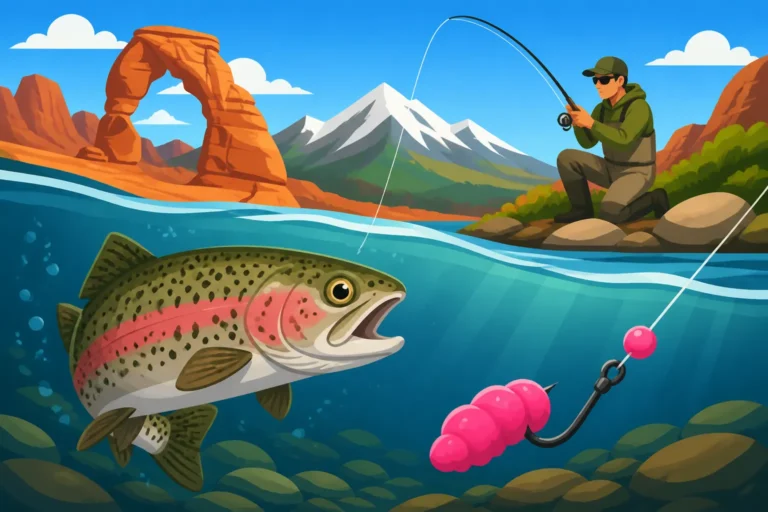
- PowerBait: For stocked trout, PowerBait is incredibly effective. Experiment with different colors, but chartreuse, white, and rainbow often produce. Mold it onto a small treble hook or single hook, allowing it to float just off the bottom. You can learn more about how to fish PowerBait for stocked trout.
- Minnows: Live or dead minnows (where legal) can be highly effective for larger trout, bass, and especially walleye. Present them slowly, either drifting under a float or on a slow retrieve.
- Artificial Lures:
- Small Jigs: Tiny jigs (1/32 to 1/8 ounce) tipped with a small plastic grub, tube, or a piece of nightcrawler are excellent. Fish them with a slow lift-and-drop motion, keeping them close to the bottom. White, black, olive, or subtle natural colors are good starting points.
- Spoons: Small casting spoons (1/8 to 1/4 ounce) in silver, gold, or brass can imitate baitfish. Work them with a slow, erratic retrieve, letting them flutter on the fall.
- Crankbaits: Smaller, shallow-diving crankbaits that can be retrieved very slowly are sometimes effective for bass and even aggressive trout. Look for natural baitfish patterns.
- Flies: For fly anglers, nymphs are king in early spring. Patterns like pheasant tails, hare's ears, and stonefly nymphs fished deep under an indicator are often productive. Small streamers, retrieved slowly, can also mimic baitfish or leeches.
Slow and Steady Wins the Race: Presentation Tips
This is perhaps the most critical aspect of early spring fishing. Forget aggressive retrieves and fast movements; think subtle, slow, and tantalizing.
- Slow Retrieves and Long Pauses: Whether you're using a jig, spoon, or crankbait, slow down your retrieve significantly. Incorporate long pauses, sometimes up to 10-15 seconds, letting your lure sink or suspend. Many strikes occur on the pause. Fish need time to spot your offering and decide if it's worth the energy to eat.
- Fishing Near the Bottom: In cold water, fish often hug the bottom, where water temperatures can be slightly more stable. Present your baits and lures as close to the bottom as possible without snagging. This might mean using a Carolina rig for plastics or bouncing jigs along the substrate.
- Scent Attractants: Given their sluggish nature, fish rely heavily on their sense of smell. Adding scent to your artificial lures can make a significant difference. Gels, sprays, or pastes with garlic, anises, or natural baitfish scents can entice a hesitant fish to bite and hold on longer. Brands like Pro-Cure or Berkley Gulp! Alive! offer effective options readily available.
- Drifting: If you're in a boat, a slow drift can be incredibly effective. Cover water slowly, presenting your bait or lure naturally as you move. This allows you to explore different depths and structures without spooking fish with a loud motor.
- Depth Control: Pay close attention to the depth at which you're getting bites. If you catch a fish at 15 feet, try to replicate that depth. Fish will often hold in distinct temperature or oxygen bands. Using a fish finder can really help dial in these depths and locate schooling fish. Consider reading up on how to read a fish finder for Utah reservoirs to get the most out of your electronics.
By embracing these subtle tactics, you significantly increase your chances of connecting with fish that are just beginning to shake off their winter slumber.
Targeting Key Utah Species and Hotspots
While the general principles of early spring fishing apply across species, tailoring your approach to specific fish and their preferred habitats in Utah can lead to even greater success.
Early Season Trout Tactics
Trout are often the first species to become active and catchable after ice-off, especially the hardier rainbow trout and brown trout. Utah's waters are teeming with various trout species, and the early spring can be a prime time.
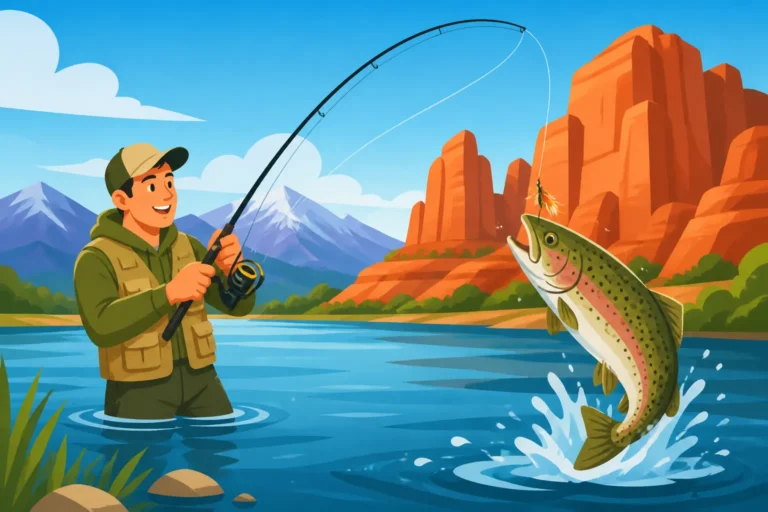
- Stocked Rainbow Trout: Many of Utah's community ponds and smaller reservoirs are heavily stocked with rainbow trout in early spring. These fish are often eager to bite after being released. Focus on shallow areas, particularly near the stocking points. PowerBait, small worms, and shiny spoons are excellent choices. You can find an abundance of small, bright spoons and spinners on Amazon that are perfect for these situations. For more detailed advice, check out our Utah Trout Fishing Tips.
- Wild Brown and Cutthroat Trout: In rivers and larger reservoirs like Strawberry Reservoir or Bear Lake, wild trout will be a bit more cautious. They're still looking for easy meals. In rivers, fish slow, deep pools and eddies where trout can hold without expending much energy against the current. Nymphs and slowly retrieved streamers are effective for fly anglers. In reservoirs, focus on the shallow bays and inlets mentioned earlier. Look for areas with transitioning depths, as these provide easy access to deeper water if conditions change. Targeting these fish often requires more finesse and a stealthy approach.
Approaching Other Species: Bass and Walleye
While trout might be the initial focus, other popular game fish in Utah also start to become active as spring progresses, albeit usually a bit later than trout in many waters.
- Smallmouth Bass: Lakes like Flaming Gorge Reservoir are famous for their smallmouth bass. After ice-off, these fish will start to move into rocky banks and points in shallower water. However, they'll still be lethargic. Focus on slow presentations with small jigs, Ned rigs, or small crankbaits. The key is to fish incredibly slowly, letting your lure sit motionless for extended periods. A twitch, twitch, pause for several seconds, then repeat, can be incredibly effective. For more specific lure recommendations, refer to our guide on Best Lures for Utah Smallmouth Bass.
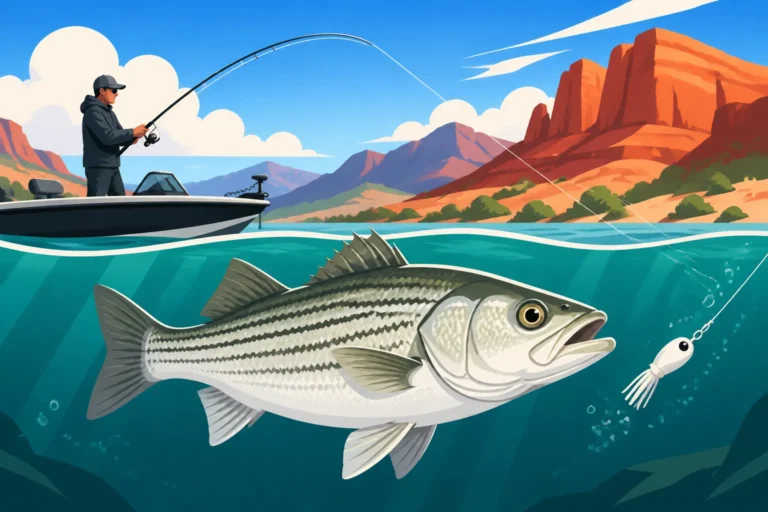
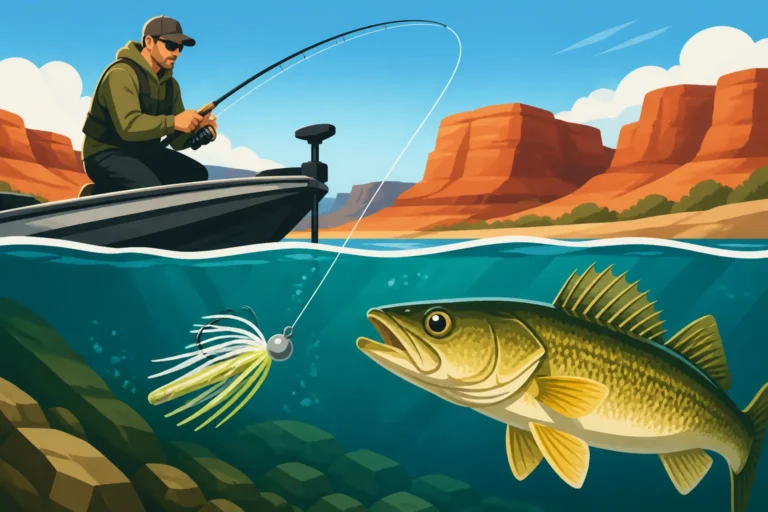
- Walleye: Utah Lake and Willard Bay are premier walleye fisheries. Walleye are cold-water fish, but they still prefer to conserve energy in early spring. They'll often be found near deep structure, current breaks, or subtle drop-offs. Jigging with scented plastics or blade baits is a fantastic technique. A slow retrieve with a bottom-bouncing rig tipped with a worm or minnow can also be deadly. Walleye often feed heavily in low-light conditions, so early mornings, late evenings, or even night fishing can be productive as the water warms slightly. If you’re serious about walleye, our Utah Walleye Fishing Guide offers extensive tips.
| Fish Species | Prime Early Spring Location | Recommended Baits/Lures | Key Technique |
|---|---|---|---|
| Rainbow Trout | Shallow, sunny coves; inlets; recently stocked areas | PowerBait, small worms, jigs, spoons, small spinners | Still fishing, slow retrieve, drift fishing |
| Brown Trout | River pools & eddies; reservoir inlets & structure | Nymphs, streamers, small jerkbaits, worms | Slow drift, bottom bouncing, deliberate casts |
| Cutthroat Trout | Shallow bays, gradual drop-offs, creek mouths | Worms, small spoons, nymphs, scuds | Slow retrieve, long casts, patient waiting |
| Smallmouth Bass | Rocky points, humps, shallow transitions | Small jigs, Ned rigs, slow-moving crankbaits | Extremely slow retrieve, long pauses, bottom contact |
| Walleye | Deep flats near structure, current breaks, drop-offs | Jigging with scented plastics, blade baits, minnow rigs | Vertical jigging, slow trolling, bottom bouncing |
Safety and Considerations for Post-Ice Conditions
While the excitement of open water is palpable, early spring conditions in Utah can be unpredictable and demand respect. Safety should always be your top priority.
Navigating Unpredictable Conditions
Just because the main ice sheet has cleared doesn't mean all danger is gone. Especially around shorelines or in shallower bays, thin, unstable ice might still linger. Always exercise caution:
- Check Shoreline Ice: Even if the lake looks open, the ice near the bank might be unstable, creating a treacherous slushy zone you could fall through. Avoid walking on any lingering ice.
- Water Levels: Spring runoff can significantly impact water levels, especially in reservoirs. High water can obscure hazards like submerged trees or rocks that you might not normally encounter. Be aware of changing depths, particularly if you're boating.
- Water Clarity: Runoff can also bring in silt and make the water murky, especially in river systems. This can affect fishing success, as fish rely heavily on sight. However, it can also provide cover for fish, making them less wary of anglers. Adjust your lure colors to brighter, more contrasting options in murky water.
- Weather Changes: Early spring weather in Utah is notoriously fickle. A sunny, mild morning can quickly turn into a cold, windy, or even snowy afternoon. Dress in layers, pack rain gear, and always check the forecast before heading out. Unexpected cold fronts can shut down a bite instantly and make conditions uncomfortable or even dangerous. Always prioritize warmth and dryness.
The Importance of Regulations
Every season brings potential changes to fishing regulations in Utah, and early spring is no exception. It’s absolutely critical to be informed.
- Check Local Regulations: Before you head to any specific water body, double-check the current Utah Fishing Regulations Explained handbook or the Utah Division of Wildlife Resources (UDWR) website. Some waters might have specific closures for spawning fish, delayed openers, or unique catch limits that apply only in early spring. For example, some areas might have specific rules about what constitutes a legal catch, like minimum lengths or slot limits for trout.
- Understand Species-Specific Rules: Regulations often vary by species. Make sure you know the daily bag and possession limits for the fish you're targeting. For instance, there might be specific Utah Trout Limits by Water that differ from the general statewide rules.
- Aquatic Invasive Species (AIS): Utah has strict rules regarding Aquatic Invasive Species (AIS) like quagga and zebra mussels. Even if you're only fishing from shore, be aware of the "Clean, Drain, Dry" requirements for any boats, kayaks, or float tubes you might use. If you're bringing a boat, you may need to visit Utah Aquatic Invasive Species Inspection Stations before and after launching, especially at popular reservoirs.
Staying informed and prioritizing safety allows you to enjoy the quiet beauty and promising fishing opportunities that early spring in Utah offers, right after the long-awaited ice-off.
Disclaimer
Fishing conditions and regulations in Utah can change frequently. Always consult the latest Utah Division of Wildlife Resources (UDWR) Proclamation and local advisories before planning your fishing trip to ensure you are up-to-date on all rules, limits, and safety guidelines. This guide is for informational purposes only and should not replace official sources.