What Bait Works Best During the Bear Lake Cisco Run?
The Bear Lake cisco run is a truly unique and often frustrating experience for anglers. Trying to figure out what bait will entice these finicky fish when they're focused solely on spawning, not feeding, can feel like an impossible puzzle. This guide cuts through the confusion, helping you understand the cisco's behavior and revealing the most effective baits and techniques to make your cisco fishing adventure a success.
Understanding the Bear Lake Cisco Run Phenomenon
Alright, let's talk about the Bear Lake cisco run, because it's truly unlike anything else you'll encounter in Utah fishing. Most fish are trying to pack on pounds during the winter, but not the cisco during their annual pilgrimage. They're on a mission, and that mission isn't about eating; it's about spawning. This annual event draws crowds, sometimes thousands, to the shores of Bear Lake, all hoping to get in on the action. But if you don't understand why they do what they do, you'll be left scratching your head, and more importantly, not catching any fish.
What Makes the Cisco Run Unique?
The Bear Lake cisco run is a spectacle that happens exclusively at Bear Lake, usually in the shallow waters along the shorelines during the frigid days of January. It's a spawning event, not a feeding frenzy. These small, silvery fish, a unique subspecies called the Bonneville cisco, migrate from the deep, cold waters of Bear Lake into the shallows to lay their eggs. This happens once the lake’s water temperature drops to a specific, very cold range, often when the lake is starting to ice over or already has significant ice cover.
What truly sets this apart is the sheer density of the fish. You can sometimes see thousands of cisco congregated right at your feet or just under the ice. Their primary focus, however, is on reproduction. They're not actively hunting for food in the traditional sense, which makes bait selection and presentation incredibly critical. Anglers often refer to this as the "snagging" season, but it's important to clarify that specific rules apply, and intentional foul hooking is generally not permitted in other fisheries, making the Bear Lake cisco a unique exception under strict guidelines. If you're curious about the biological marvel behind this, you might enjoy learning more about What the Bonneville Cisco Is. It’s fascinating how this species thrives in one specific location.
Cisco Behavior and Feeding Habits During the Run
Normally, Bonneville cisco in Bear Lake are planktivores, meaning their diet primarily consists of tiny zooplankton that they filter from the water column in the deeper parts of the lake. They're built for efficiency, not for chasing down large prey. When the spawn kicks in, their digestive systems pretty much shut down. They're running on instinct, driven by the urge to reproduce. So, when we talk about "bait" for the cisco run, we're not necessarily trying to mimic their natural food source. Instead, we're trying to provoke a reaction, a territorial strike, or a curious nip at something that invades their personal space.
This is where the challenge and the fun come in. You're not trying to convince a hungry fish to eat; you're trying to get a fish focused on making babies to somehow acknowledge your offering. This is also Why Bonneville Cisco Only Spawn for About Ten Days a Year, making that window of opportunity incredibly short and intense. Their highly specialized behavior during this short window dictates that baits must be small, visually appealing, and presented in a way that triggers an aggressive or defensive response, rather than a feeding one.
Top Baits for the Bear Lake Cisco Run
So, with the understanding that these cisco aren't exactly famished, what on earth do you use to catch them? The answer often boils down to small, flashy, and sometimes smelly options that trigger a reaction strike or simply get their attention amidst the chaos of the spawn. Forget your typical bass lures or trout powerbait; this is a whole different ballgame.
Traditional and Most Effective Baits
When it comes to the Bear Lake cisco run, anglers have a few go-to options that have proven effective over decades. The key is usually a very small, brightly colored jig or a tiny spoon.
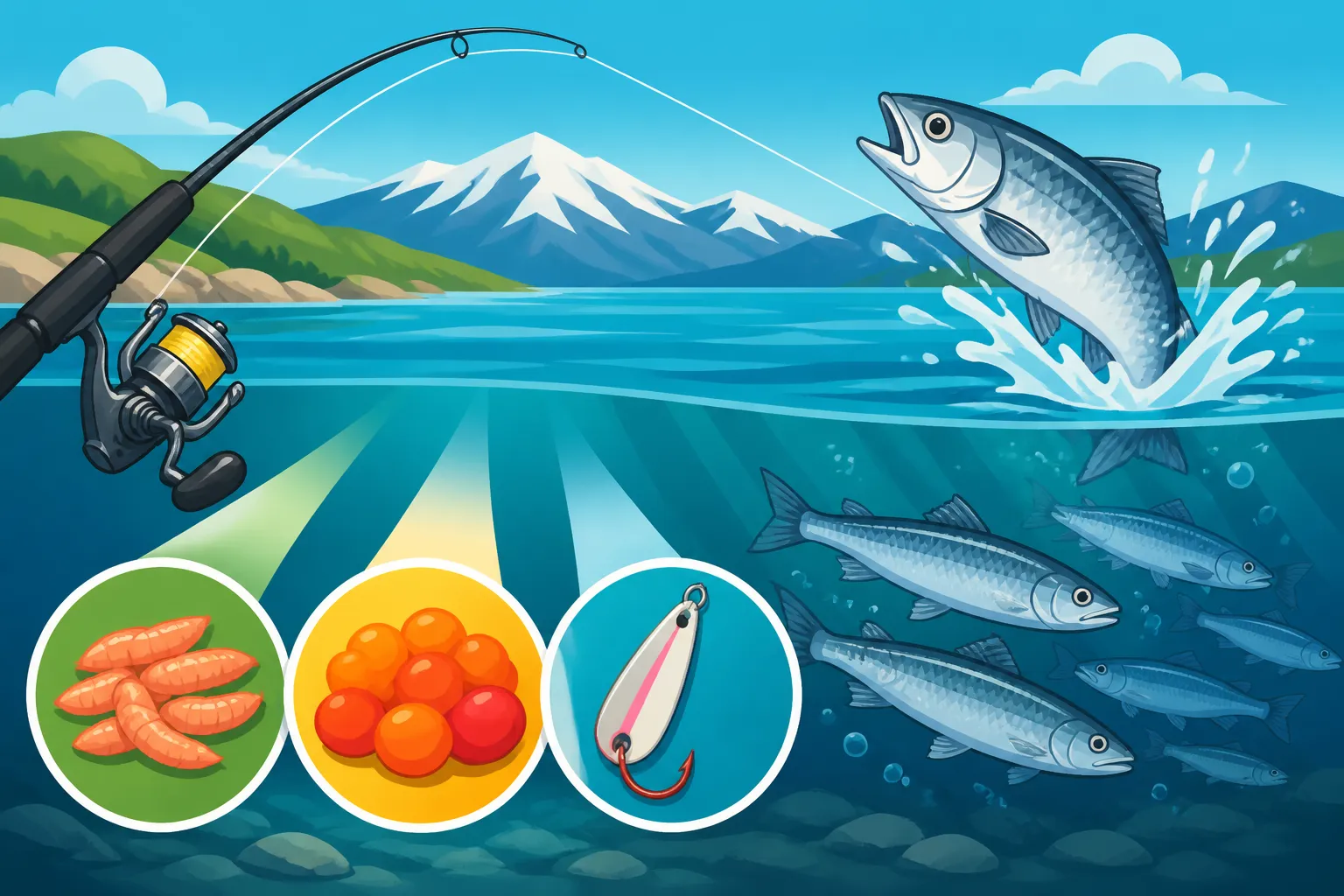
- Small Jigs (Tungsten or Lead): This is the undisputed champion. Think tiny, often 1/64 oz to 1/16 oz, jigs in bright, attention-grabbing colors like chartreuse, pink, orange, or white. The small size is crucial because it mimics nothing in particular but is small enough not to be intimidating. Tungsten jigs are particularly popular now because their higher density means you get a smaller profile for the same weight, allowing you to drop faster and feel those subtle bites better. You can find a huge variety of these tiny jigs on Amazon, making it easy to stock up before your trip.
- Tipped Baits: While the jig itself is the primary attractant, tipping it with a little something extra can often be the difference-maker.
- Mealworms or Wax Worms: A small piece of a live mealworm or wax worm (available at most bait shops or even pet stores) adds scent and a bit of natural wriggle that can entice a strike.
- Small Pieces of Cut Bait: Some anglers have success with tiny bits of cut bait, like a sliver of shrimp or even a piece of anchovy, threaded onto the jig. Again, it's about adding scent to trigger a reaction.
- Gulp! Maggots or PowerBait Crappie Nibblers: For those who prefer artificial, Gulp! Maggots or PowerBait Crappie Nibblers are excellent alternatives. They're small, soft, and loaded with scent, and they hold up well on a small hook. These can be very convenient, especially if you're out on the ice and don't want to deal with live bait in freezing temperatures.
- Tiny Spoons: Very small spoons, often called ice jigs or micro spoons, can also be effective. Their fluttering action on the drop can be highly attractive. Colors similar to jigs (silver, gold, white, or bright fluorescents) are generally best. These are often used without additional bait, relying solely on their flash and action.
Modern Lure Innovations and Alternatives
While tradition holds strong, the fishing world is always evolving, and some anglers are finding success with newer approaches or refined classics.
- Jigging Raps (Small Sizes): Though traditionally used for larger predators, tiny Jigging Raps (think Rapala Ice Jigging Rap, size 2 or 3) can be surprisingly effective. Their distinct swimming action in the water column can provoke an aggressive strike from cisco, especially if they are actively chasing. The key is a sharp, snappy jigging motion to make them dart. Learning How to Rig a Jigging Rap for Cisco at Bear Lake can significantly boost your success.
- Micro Finesse Baits: Think incredibly small soft plastics, like tiny grubs or tubes, often no more than an inch long. These are typically rigged on a micro jig head. The softness and subtle movement of these plastics can sometimes be just what the cisco are looking for. Brands like Z-Man offer tiny soft plastics that are virtually indestructible, which can be a real boon when fishing actively in dense schools.
- Scud or Larva Imitations: Given that cisco are planktivores, and other small aquatic invertebrates are present in the lake, some fly anglers or spin anglers using very light tackle might try tiny scud or larva imitations on a jig head. These flies are often weighted and fished like jigs, offering a more natural, albeit less flashy, profile.
Live Bait Considerations
When it comes to live bait, it’s mostly about mealworms and wax worms as described above, used as tipping. Using whole live minnows is generally not effective or even practical for cisco, and can sometimes be restricted due to concerns about introducing invasive species or diseases. Always double-check the current Utah Fishing Regulations Explained before using any live bait, as rules can change and vary by water body. For the cisco run, the focus is really on small jigging presentations rather than traditional live bait fishing.
Here's a quick comparison of popular cisco baits:
| Bait Type | Key Characteristics | Pros | Cons | Best Use Case |
|---|---|---|---|---|
| Small Jigs | 1/64 – 1/16 oz, bright colors (pink, chartreuse) | Highly effective, versatile, easy to tip | Can be hard to feel light bites in deep water | Primary lure for reaction strikes and visual appeal |
| Tipped Jigs | Jig + mealworm, wax worm, Gulp! Maggot | Adds scent, natural movement, increases bites | Messier, bait can fall off, live bait perishes | When cisco are finicky and need extra enticement |
| Tiny Spoons | Micro sizes, silver, gold, fluorescent colors | Excellent flash and flutter on the drop | Less effective if cisco are sluggish | Aggressive cisco, good for attracting attention |
| Jigging Raps | Small sizes, various colors, darting action | Strong darting motion provokes strikes | Can be too large if fish are extremely shy | More aggressive schools, covering water quickly |
| Micro Plastics | Small grubs, tubes on jig heads, soft body | Subtle movement, variety of profiles | Less flash, may require more active jigging | When cisco are less active or prefer natural look |
Techniques for Presenting Your Bait
Having the right bait is only half the battle; knowing how to present it effectively is paramount, especially when targeting fish that aren't primarily feeding. The cisco run is a very active style of fishing, requiring constant attention and a willingness to adapt.
Jigging Strategies for Cisco
The most common and effective technique for cisco is jigging. This isn't just dropping your line and waiting; it's an active, engaging process.
- Short, Sharp Jigs: Start with short, quick upward snaps of your rod tip, typically 6-12 inches. Let the jig flutter back down on a semi-slack line. The bite often occurs on the fall, so feeling for that subtle tick or unexpected weight is crucial. It's often so subtle that it feels like your line just went slack or snagged a weed.
- Pauses are Key: Don't jig constantly. Incorporate pauses of 2-5 seconds between jigs. Sometimes, the cisco will hit the bait as it's perfectly still, or just as it begins to move again after a pause. Experiment with longer or shorter pauses.
- Depth Control: Cisco often congregate very close to the bottom, but they can also suspend at various depths, especially if there's significant ice cover. Pay attention to where you see them on your fish finder (if using one) or where other anglers are having success. If you're fishing from shore without ice, they'll be right at your feet in the shallow water, often just a few feet deep.
- Aggression Levels: Some days, the cisco are incredibly aggressive and will slam your jig. Other days, they're lethargic and require a very subtle approach. Be ready to switch between aggressive, high-action jigs and more gentle, almost dead-sticking techniques. This is where patience and observation really pay off.
Rigging Tips for Success
Proper rigging can make a significant difference in how your bait behaves and how many fish you hook.
- Light Line is Essential: Cisco have excellent eyesight and can be easily spooked by heavy line. Use very light monofilament or fluorocarbon line, typically 2-4 lb test. Fluorocarbon is often preferred because it's nearly invisible underwater and has less stretch, which helps with feeling those light bites. For a deep dive into line choices, check out our guide on Best Fishing Line for Utah Trout.
- Small Swivels/Snaps: If you're using spoons or lures that twist the line, a tiny swivel can prevent line twist. However, keep hardware to an absolute minimum to maintain a natural presentation. Many anglers tie directly to the jig.
- Sharp Hooks: This cannot be stressed enough. Cisco have relatively soft mouths and can be difficult to hook. Ensure your jig hooks are razor-sharp. Even new jigs sometimes benefit from a quick touch-up with a hook sharpener. A sharp hook means better penetration with minimal force, which is what you'll often have with subtle cisco bites.
- Leader Material: Some anglers use a very short, light fluorocarbon leader (e.g., 2-4 lb) tied to a slightly heavier main line (e.g., 6 lb braid) to get the best of both worlds: sensitivity of braid and invisibility of fluorocarbon. An Albright knot or similar knot can be used to connect the two.
Reading the Water and Adjusting
Bear Lake is a massive body of water, and conditions can change rapidly. Being observant and adaptable will lead to more fish in your bucket.
- Monitor Ice Conditions (If Applicable): The cisco run often occurs during ice fishing season. Always prioritize safety. Learn How to Check Ice Thickness Safely Before Ice Fishing and never venture out alone without proper safety gear. Ice conditions on Bear Lake can vary dramatically, and open water can appear unexpectedly.
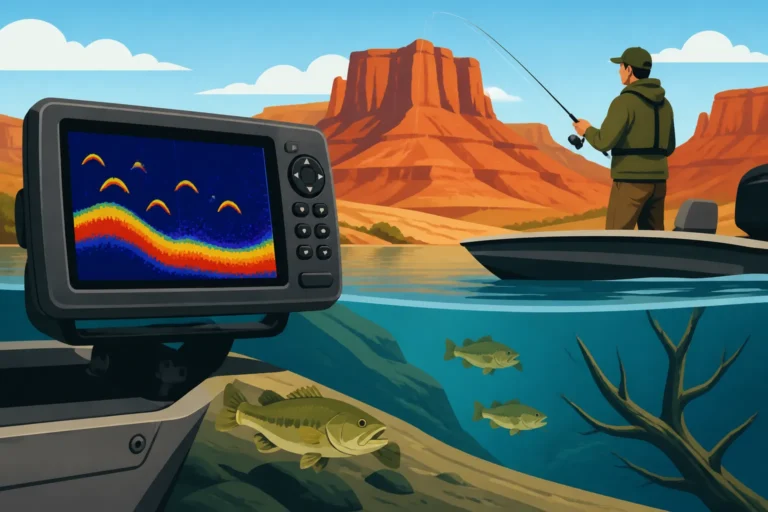
- Look for Fish Schools: If you're fishing from shore, watch for dark patches or subtle movements in the water – these are often schools of cisco. If you're on the ice, a fish finder (flasher-style units are popular for ice fishing) is invaluable for locating fish and observing their reaction to your jig. The cisco often "lift" to investigate a jig, even if they don't strike it.
- Observe Other Anglers: While it's important to develop your own technique, observing what's working for others can provide valuable clues. What colors are they using? How deep are they fishing? Are they jigging aggressively or subtly?
- Weather and Light: Overcast days can sometimes be better than bright, sunny ones, as cisco may be more active without harsh light. Similarly, low light conditions around dawn and dusk can sometimes trigger more aggressive behavior. However, the sheer density of the fish during the peak run often means you can catch them throughout the day regardless of light.
Gear Essentials Beyond Just Bait
While bait is crucial, the right setup makes presenting that bait much easier and more effective. You wouldn't try to fly fish for walleye, and similarly, using inappropriate gear for cisco can significantly hinder your success. Since the cisco run is predominantly an ice fishing event, much of the gear discussion will lean in that direction.
Rods, Reels, and Line for Cisco Fishing
Your choice of rod, reel, and line forms the direct connection to these sometimes-fickle fish.
- Sensitive Rods: For ice fishing, a light to ultra-light ice fishing rod (typically 24-30 inches long) with a very sensitive tip is ideal. The tip needs to be soft enough to telegraph those incredibly subtle cisco bites, which can sometimes feel like nothing more than a slight increase in weight or a momentary stop in your jig's fall. A good quality graphite or fiberglass rod will do the trick. For shore fishing in open water, a light action spinning rod, perhaps 5-6 feet in length, with a fast tip, would be appropriate.
- Small Spinning Reels: Match your rod with a small, lightweight spinning reel (500 or 1000 series). Smooth drag is important, even for small fish, to prevent breaking off on light line or when a feisty cisco makes a run. The retrieve speed isn't as critical as the smooth operation and balanced feel.
- Line Choice Revisited: As mentioned, 2-4 lb test fluorocarbon or monofilament is the standard. Some anglers prefer braided line (e.g., 4-6 lb test) with a fluorocarbon leader for maximum sensitivity, especially in deeper water. The no-stretch nature of braid helps detect those ultra-light bites. If you're interested in more general Utah fishing line advice, you can check out the guide on Best Fishing Line for Utah Trout.
Ice Fishing Specifics for the Cisco Run
Since the Bear Lake cisco run typically occurs through the ice, having the right ice fishing gear is paramount for comfort, safety, and success.
- Ice Augers: You'll need an efficient way to make holes in what can be very thick ice.
- Manual Augers: Hand augers are suitable for shallower ice (under 12-18 inches) and can be a good budget option. Brands like Eskimo or StrikeMaster offer reliable hand augers.
- Power Augers: For thicker ice or if you plan to drill many holes, a propane, gas, or electric auger is a game-changer. Electric augers, like those from Strikemaster or Ion, have become incredibly popular due to their quiet operation, lack of fumes, and consistent power. Consider the Best Ice Auger Size for Utah Ice Fishing, generally a 6-inch auger is perfect for cisco.
- Ice Fishing Shelters: January in Bear Lake can be brutally cold and windy. An ice fishing shelter provides much-needed protection.
- Portable Pop-Up Shelters: These are quick to set up and take down, and can be moved easily. Brands like Clam and Eskimo make excellent models.
- Hub-Style Shelters: Offer more interior space and stability, great for groups or longer sessions.
- Sled-Style Shelters: Often incorporated into a sled, making transportation of gear easier. Remember to consider the Best Ice Fishing Shelter for Utah Wind when selecting.
- Fish Finders (Flashers): A flasher-style fish finder (like those from Vexilar, Marcum, or Humminbird) is almost essential for consistent cisco fishing through the ice. It allows you to:
- Locate Fish: See schools of cisco under your hole.
- Monitor Depth: Know exactly where your jig is in relation to the fish.
- Observe Reaction: Watch how fish react to your presentation. Are they coming up to investigate? Are they shying away? This real-time feedback is invaluable for adjusting your technique.
- Safety Gear: Ice fishing always demands caution.
- Ice Picks: Worn around your neck, these are vital for self-rescue if you fall through.
- Spud Bar or Ice Chisel: To check ice thickness as you move.
- Flotation Suit: Provides warmth and buoyancy in case of an accidental plunge.
- Buddy System: Always fish with a friend, and let others know where you're going and when you expect to return. For more safety considerations, review the guidelines on How Many Ice Fishing Rods Can You Use at Once in Utah?, as well as general ice safety.
You can often find great deals on quality ice fishing gear, from augers to shelters, on Amazon, especially if you plan ahead of the season. Stocking up on essential ice fishing gear before your trip ensures you're ready for whatever Bear Lake throws at you.
Disclaimer
Fishing conditions and regulations in Utah can change. Always consult the latest Utah Division of Wildlife Resources (UDWR) official guidebooks or website before heading out to fish. The information provided here is for general guidance and entertainment purposes only. Fishing on tribal or private lands may require additional permits or permissions. Be safe, responsible, and practice good sportsmanship.