How to Fish a Streamer for Brown Trout in Utah
There's nothing quite like the thrill of targeting elusive brown trout, especially with the aggressive, predatory presentation of a streamer. Many anglers find themselves scratching their heads, wondering why their carefully selected dry flies or nymphs aren't getting a sniff from those bigger, wily browns. This comprehensive guide will pull back the curtain on the art and science of streamer fishing for brown trout in Utah's rivers and streams, arming you with the knowledge to consistently connect with these incredible fish.
Understanding Brown Trout Behavior and Their Streamer Diet
Before you even tie on a streamer, it's vital to get inside the head of a brown trout. These fish are opportunists and predators, especially the larger ones. They aren't always sipping tiny mayflies off the surface; often, they're hunkered down, waiting to ambush something substantial.
Why Streamers Entice Big Browns
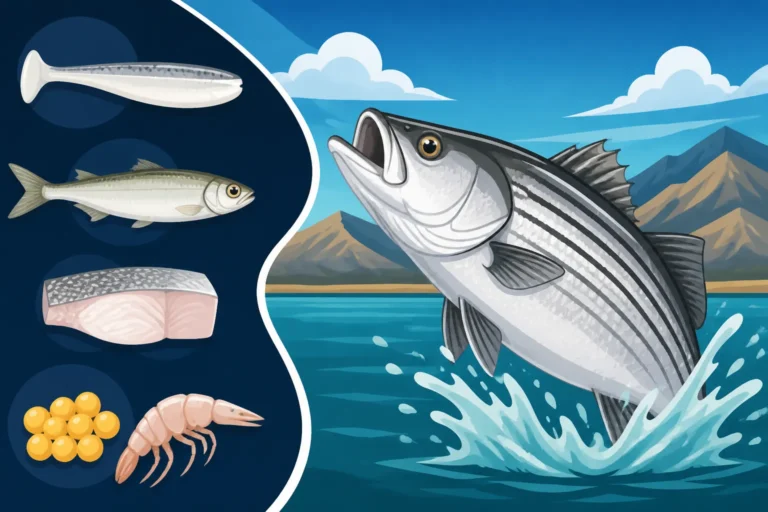
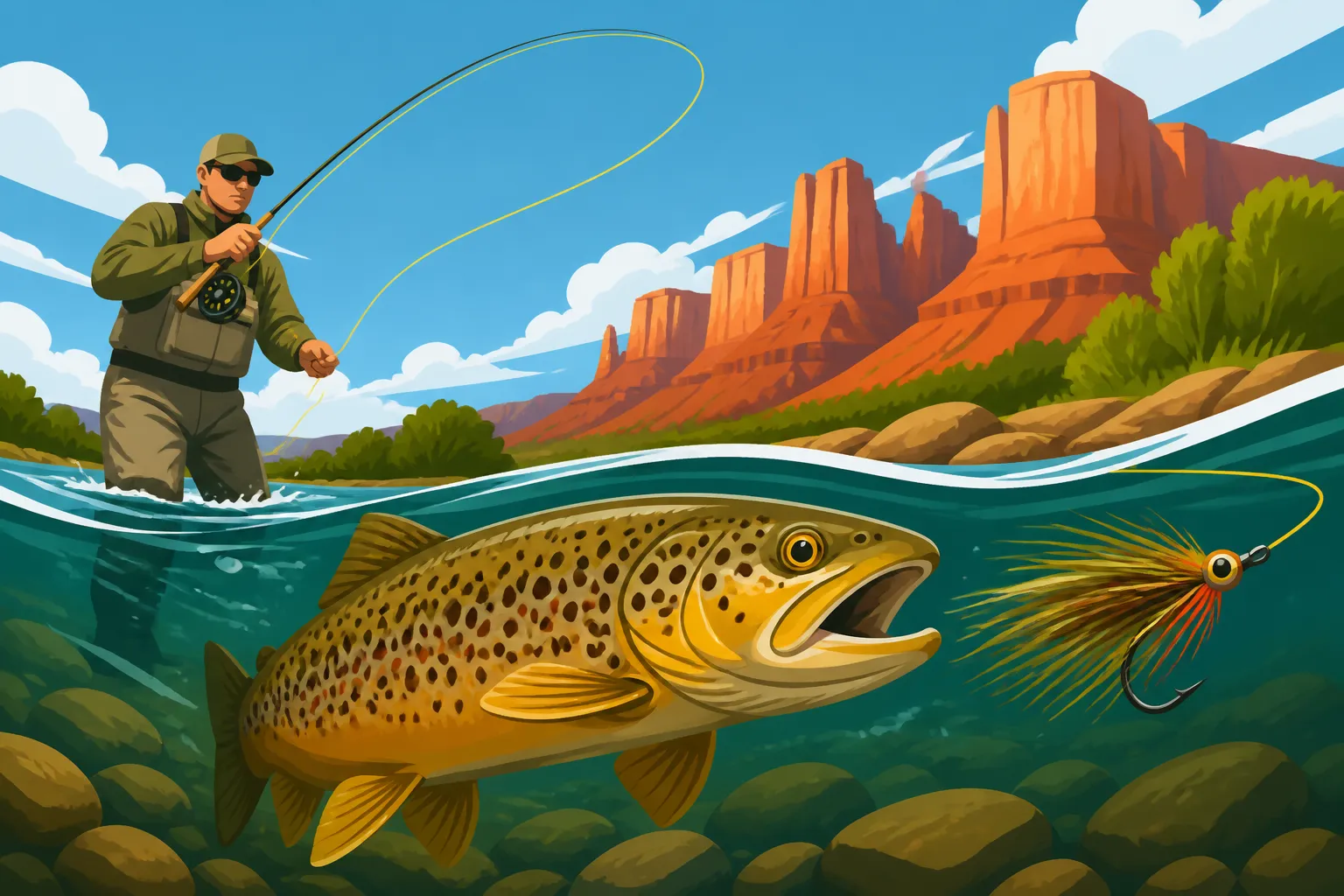
Brown trout, particularly the trophy-sized individuals, are apex predators in their aquatic environments. As they grow, their diet shifts from small insects to larger, more calorie-rich prey. This is where streamers come into their own. A well-presented streamer mimics a variety of the brown trout's natural food sources, making it irresistible.
Think about it: smaller fish like sculpins, dace, or juvenile trout, crayfish, leeches, and even large nymphs can all be represented by a streamer. These are high-energy meals that brown trout actively hunt. Unlike a subtle nymph drifting along, a streamer implies a fleeing meal, triggering an aggressive, territorial strike rather than a delicate sip. This is especially true in places like the Provo River or the Green River below Flaming Gorge, where big browns know a good meal when they see one. They're not just feeding; they're hunting.
Prime Brown Trout Habitats for Streamer Fishing
Brown trout are masters of concealment and ambush. They prefer lies that offer them protection from currents and predators, while also providing a strategic vantage point to dart out and grab passing prey. When you're fishing a streamer, you're looking for these prime ambush points.
Look for deep pools, especially those with significant structure like large rocks, submerged logs, or undercut banks. These are classic brown trout hideouts. The deeper, darker water gives them a sense of security. Seams where fast water meets slow water are also fantastic, as baitfish often get swept into these calmer zones, becoming easy targets. Beyond obvious structure, consider riffle-to-pool transitions and even behind large boulders in faster currents. The more complex the water, the more likely a big brown is holding there. Understanding where these fish position themselves is half the battle; the other half is putting your streamer right in their strike zone.
Essential Gear for Streamer Fishing Brown Trout
Successfully slinging streamers, especially larger ones, requires a slightly different setup than your typical nymph or dry fly rig. You need gear that can handle the weight of the fly, the impact of casting, and the powerful fight of a big brown. Don't skimp on this; the wrong rod or line can make your day more frustrating than fun.
The Right Rod, Reel, and Line Combination
For streamer fishing, you'll want to step up your fly rod. While a standard 5-weight might handle smaller streamers, a 6 or 7-weight rod is generally preferred. This heavier rod class provides the backbone needed to cast bulky, often wind-resistant streamers with authority, punch through wind, and control bigger fish. The length typically remains around 9 feet, offering good line control and casting leverage.
Your reel should be robust and capable of holding a good amount of backing, paired with a smooth drag system. While you might not be fighting a saltwater tuna, a pissed-off 20-inch brown trout can peel line in a hurry! As for the line, this is perhaps the most critical component. A weight-forward (WF) line is essential, but specifically, consider a line designed for streamers, often labeled as a "streamer taper" or having an aggressive front taper. Even better, many experienced anglers opt for a sink-tip or full-sinking line. These lines get your streamer down to the fish faster and keep it in the strike zone longer, especially in deeper water or stronger currents. For a comprehensive look, check out our guide on the "Best Fly Rods for the Provo River."
Choosing Effective Streamer Patterns
The world of streamers is vast and exciting, with patterns designed to imitate everything from minnows to leeches. When targeting brown trout in Utah, you'll want a selection of flies that can cover various conditions and mimic common prey species.
Sculpin Patterns: Sculpins are a brown trout favorite. Flies like the Sculpzilla, Woolly Sculpin, or the Drunken Disorderly are fantastic choices. They typically have a wide, flat head and a mottled, camouflaged appearance.
Minnow/Baitfish Patterns: Flashy patterns that imitate darting baitfish are also highly effective. Consider the Clouser Minnow, Sparkle Minnow, or the Sex Dungeon. Colors like olive, white, black, and brown are staples.
Leech Patterns: Don't underestimate the power of a good leech pattern. Woolly Buggers in black, olive, or brown are perennial favorites and incredibly versatile.
Articulated Streamers: For truly large browns, articulated patterns like the Double Bunny or articulated versions of the Sex Dungeon offer incredible movement in the water, mimicking bigger prey.
Many anglers find a good selection of these patterns on platforms like Amazon, ensuring they have a variety of sizes and colors ready for their next outing. You can also explore our article on "Best Flies for Utah Trout Streams" for more ideas.
Here's a quick reference table for some top streamer patterns:
| Streamer Pattern | Primary Imitation | Best Conditions/Situations | Key Characteristics |
|---|---|---|---|
| Woolly Bugger | Leech, Baitfish | All-around, versatile, great for beginners | Marabou tail, chenille body, often weighted |
| Sculpzilla | Sculpin | Deep pools, structured water, low light | Flat head, wide profile, natural colors |
| Clouser Minnow | Baitfish | Moving water, sight fishing, aggressive retrieves | Dumbbell eyes, bucktail body, flashy |
| Sex Dungeon | Large Baitfish | Targeting trophy browns, off-color water, aggressive | Articulated, large profile, lots of movement |
| Sparkle Minnow | Shad, Minnow | Clearer water, sunny days, attracting attention | Flashy materials, slim profile, active retrieve |
| Drunken Disorderly | Sculpin, Baitfish | Undercut banks, deep runs, enticing strikes | Articulated, natural colors, jigging action |
Essential Accessories for Streamer Anglers
Beyond the core rod, reel, and line, a few accessories will make your streamer fishing experience much more enjoyable and productive.
- Leader and Tippet: You'll need a stronger leader and tippet than you might use for nymphs or dry flies. A 0X or 1X leader is a good starting point, often tapering down to 1X or 2X fluorocarbon tippet. Fluorocarbon is less visible underwater and more abrasion-resistant, which is a huge plus when fishing around structure or dealing with toothy browns.
- Net: A good net, ideally one with a rubber or silicon basket, is crucial for safely landing and releasing larger brown trout. The rubber mesh protects the fish's slime coat and gills.
- Forceps/Pliers: Streamers often get swallowed deep, and brown trout have surprisingly strong jaws and sharp teeth. A sturdy pair of forceps or long-nosed pliers will make hook removal much easier and safer for both you and the fish.
- Waders and Boots: Depending on the river, good waders and wading boots are indispensable for reaching prime casting positions. For cold Utah rivers, breathable waders with sturdy wading boots (maybe even studded ones for slippery rocks) are a must. Our guide on "Best Waders for Cold Provo River Water" offers some great insights.
- Fly Box: A dedicated streamer fly box is a good idea. These often have larger compartments or slit foam to accommodate bigger, bulkier flies without crushing them.
Mastering Streamer Fishing Techniques in Utah
Now that you're geared up, let's talk about how to actually fish these enticing patterns. Streamer fishing isn't just about casting and retrieving; it's about making your fly come alive, mimicking a vulnerable baitfish or a darting meal.
Casting and Presentation Strategies
Casting a large, weighted streamer requires a bit more effort and a slightly different technique than delicate dry fly presentations. You'll likely use more of a "water haul" or "roll cast" to get the fly out of the water before a full backcast, saving your shoulder and preventing nasty tangles.
Once airborne, aim for accuracy. You want to place your streamer in those prime ambush spots we discussed earlier: alongside an undercut bank, at the head of a deep pool, or right through a current seam. Pay attention to how the current is moving; often, you want your streamer to swing through a likely holding area. If you're using a sink-tip line, give it a moment to sink to the desired depth before you start your retrieve. Experiment with different angles of presentation – sometimes directly upstream or across current can be more effective than a simple downstream cast. The goal is to make the streamer look as natural and vulnerable as possible.
Retrieve Techniques for Aggressive Strikes
This is where the magic happens. A successful streamer retrieve isn't monotonous; it's varied and mimics the erratic movements of a fleeing or injured baitfish.
- Strip-Strip-Pause: This is perhaps the most common and effective retrieve. After your cast, let the line sink, then strip in 6-18 inches of line with your non-casting hand, pause for a second or two, then strip again. The pause is critical; many strikes occur as the streamer hesitates, appearing wounded.
- Erratic Strips: Mix up your strip lengths and speeds. Sometimes a series of short, quick strips followed by a long pause will trigger a chase. Other times, a few long, steady strips are the ticket.
- Swinging: Especially effective in rivers, cast your streamer across or slightly upstream, let it sink, and then allow the current to swing it downstream. Keep your rod tip slightly upstream of the fly to maintain a tight line. As the fly swings, it will present a broadside profile to waiting fish. Often, a small twitch or strip at the end of the swing can be the final trigger.
- Jigging: If you're fishing a weighted streamer in a deep pool or pocket, try lifting and dropping your rod tip to give the fly a jigging motion. This can be deadly, especially when brown trout are hugging the bottom.
The key is to experiment. If one retrieve isn't working, don't be afraid to change it up. Think about how a baitfish would behave in that particular piece of water. For more general advice on enticing trout, our "Utah Trout Fishing Tips" article has a wealth of information.
Tips for Success and Troubleshooting
Even with the right gear and techniques, streamer fishing can present challenges. Brown trout are smart, and conditions are constantly changing. Here are some extra tips and ways to troubleshoot when the bites aren't coming.
Seasonal and Environmental Considerations
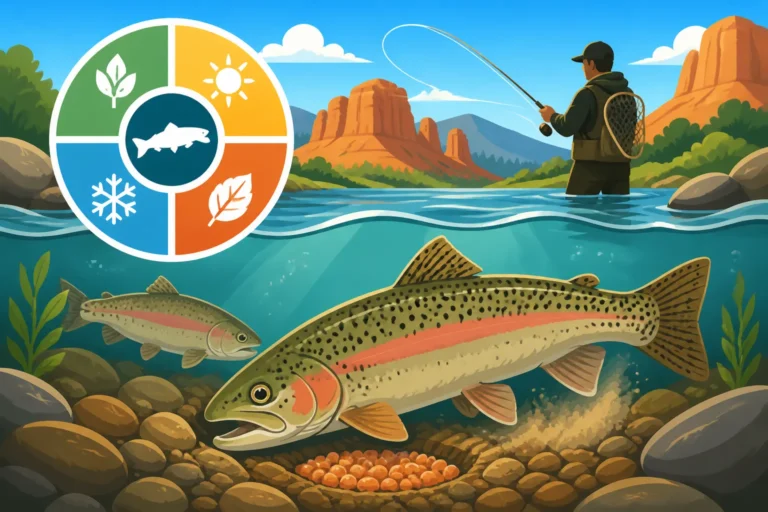
The "Best Time of Year to Fish in Utah" for brown trout with streamers often centers around periods of higher water or when other food sources are less abundant. Fall is arguably the prime season. As water temperatures drop, brown trout become more active and aggressive, preparing for their spawn and seeking out large meals. This is when you can find truly huge browns on the hunt. Spring runoff can also be excellent, as the slightly off-color, higher water gives predators an advantage and washes a lot of forage into the river. Check out "What Flies Work Best on the Provo River in Fall?" for specific fall patterns.
Water clarity plays a huge role. Streamers are often most effective in slightly off-color or murky water, where the fish can't scrutinize the fly too closely but can still see its profile and movement. In crystal-clear water, you might need to use more subtle patterns or fish during low-light conditions. Cloud cover or overcast days can also be beneficial, as it reduces visibility from above, making trout more comfortable moving out of cover.
Reading the Water for Streamer Success
Effective streamer fishing isn't just about casting; it's about intimately understanding the water you're fishing. Brown trout, especially larger ones, are incredibly selective about their lies. They want cover, a break from the current, and an easy feeding lane.
As you approach a section of river, mentally break it down. Where are the deep pockets? The obvious current seams? Undercut banks? Submerged boulders or logs? These are your primary targets. Don't overlook the tailouts of deep pools, where fish often stage. The slower, deeper water at the very end of a riffle before it breaks into a pool is also a common ambush point. Pay attention to "How Water Temperature Affects Utah Trout Fishing" as warmer water might push fish into deeper, cooler spots, while colder water might make them less active and require slower retrieves. Sometimes, the most subtle changes in current or bottom structure can hold a trophy brown. Spend time observing, and then target those high-probability areas with precise casts.
Troubleshooting Common Streamer Fishing Issues
It's going to happen: you'll have days when the fish just aren't hitting your streamers, no matter what you try. Don't get discouraged! It's a normal part of the learning curve.
- No Strikes:
- Change Retrieve: Are you stripping too fast, too slow, or too consistently? Vary your speed and add more pauses.
- Change Depth: Are you fishing too high in the water column? Add a heavier sink-tip, let the fly sink longer, or use a more weighted fly.
- Change Pattern/Color: If olive isn't working, try black, white, or brown. Sometimes a subtle change in profile or flash can make all the difference. Don't be afraid to go bigger or smaller.
- Change Location: If a particular run isn't producing, move to a different type of water – try a deeper pool, an undercut bank, or a faster seam.
- Check Your Leader: Is your leader too light or too visible? Switch to a heavier, less reflective fluorocarbon tippet.
- Short Strikes/Fish Not Hooking Up:
- Sharpen Your Hook: A dull hook won't penetrate tough mouth cartilage.
- Strip Set: When you feel a bump or see a flash, don't lift the rod. Instead, make a firm, quick strip with your line hand. This ensures the hook sets horizontally into the fish's jaw. Lifting the rod can pull the fly out of its mouth.
- Adjust Fly Size: Sometimes, short strikes mean the fish is nipping at the tail. Try a slightly smaller fly, or one with a trailing hook.
- Casting Difficulties:
- Too Much Line: Try to only false cast with the amount of line you need to reach your target. Too much line in the air makes it harder to control a heavy streamer.
- Water Haul/Roll Cast: Utilize the water's resistance to help load your rod before your backcast. This reduces false casts and fatigue.
- Smooth Acceleration: Focus on a smooth, steady acceleration of your rod, not a jerky "whipping" motion. This will load the rod more efficiently and help propel the heavy fly.
Remember, streamer fishing for brown trout is an active, often physical way to fish. It requires persistence, observation, and a willingness to adapt. For those looking to dive deeper into techniques, our full "Utah Fly Fishing Guide" provides a great foundation.
Disclaimer
Fishing regulations in Utah can change frequently. Always consult the current Utah Division of Wildlife Resources (DWR) fishing guide before heading out to ensure you are aware of all rules, limits, and special regulations for the specific waters you plan to fish. This guide is for informational purposes only and does not supersede official DWR regulations.