When Does Runoff End on Utah’s Mountain Rivers?
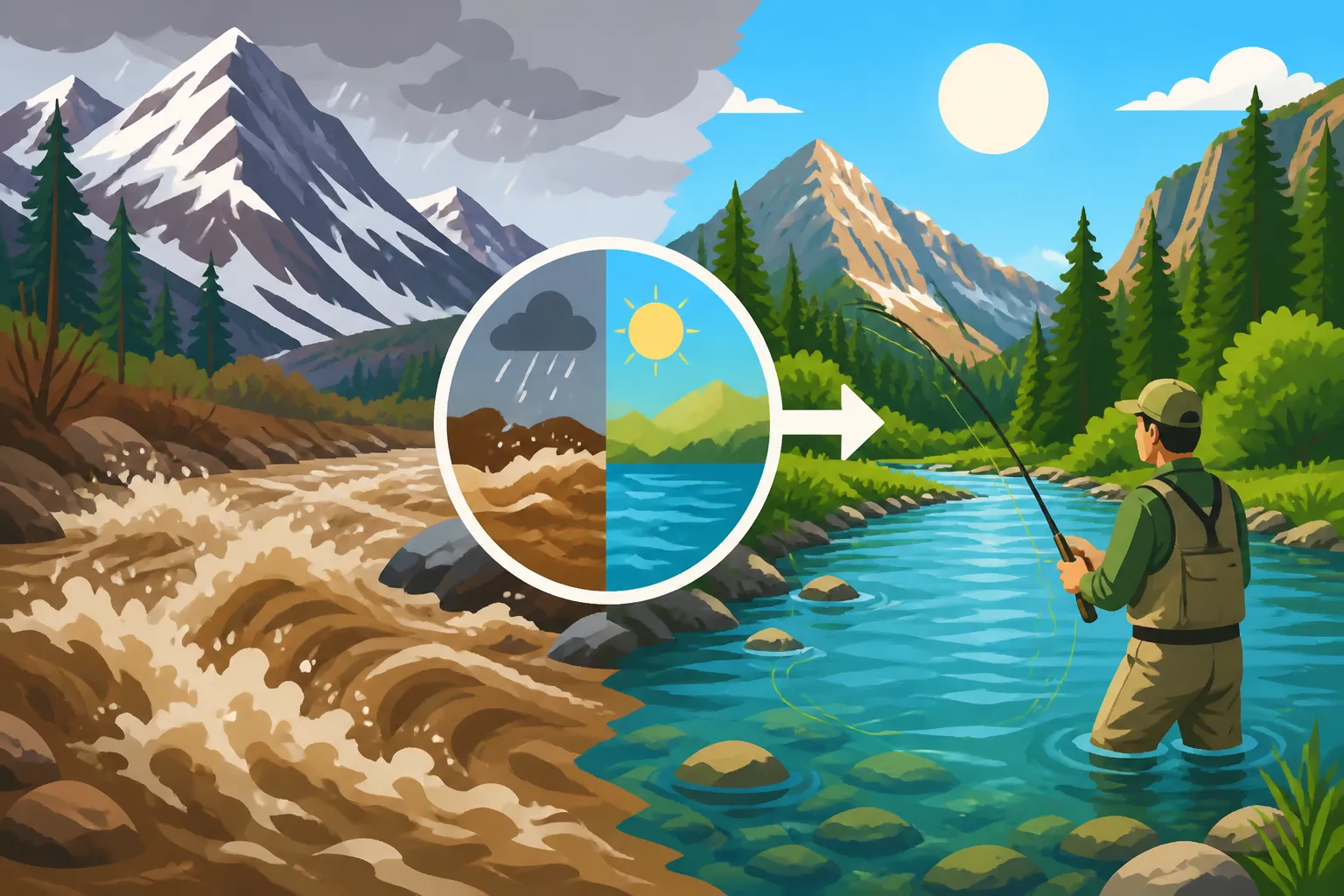
If you've spent any time fishing Utah's mountain rivers in the spring, you know the frustration: one day the water is clear and inviting, and the next it's a roaring, muddy torrent. Spring runoff can be a real headache for anglers, making it feel impossible to predict when the rivers will finally settle down and offer up some prime fishing. This guide is all about helping you understand the runoff cycle in Utah's river systems and how to anticipate when those waters will become fishable again.
Understanding Utah's Spring Runoff Phenomenon
Utah's magnificent mountain ranges, like the Wasatch and Uintas, accumulate massive amounts of snow throughout the winter. This snowpack is the lifeblood of our rivers and reservoirs, but it also dictates the annual phenomenon we call spring runoff. As temperatures rise in late spring and early summer, this accumulated snow begins to melt, swelling our rivers and streams to their highest flows of the year.
The runoff isn't just about high water; it's also about turbidity. The sheer volume of water flowing at high velocity picks up sediment, silt, and debris, turning typically clear mountain streams into opaque, chocolate-milk-like rapids. This dramatically impacts fishing conditions. Fish become harder to spot, their feeding patterns change, and the water's oxygen levels and temperatures fluctuate. It's a natural cycle, but one that demands patience and a keen understanding from any angler hoping to find success. If you're wondering about the broader impact, we have a detailed guide on How Runoff Affects Utah River Fishing that dives even deeper into these changes.
The Role of Snowpack and Temperature
The severity and duration of runoff are directly tied to two main factors: the total winter snowpack and the spring/early summer temperatures. A deep snowpack means more water will eventually melt and enter the river systems. If that snow melts rapidly due to a sudden heatwave, you'll see a very intense, short-lived runoff period. Conversely, a gradual warming trend leads to a more prolonged but less extreme runoff event.
Think of it like a giant sponge. Our mountains soak up winter precipitation, and then slowly release it. But if you squeeze that sponge too fast with hot weather, it all comes out at once. This interplay of stored water and release speed is what makes predicting the exact end of runoff such a nuanced challenge. Anglers often keep a close eye on forecasts, not just for the day they plan to fish, but for the preceding weeks to gauge how the melt is progressing.
Impact on Fish Behavior and Habitat
During peak runoff, the conditions are incredibly challenging for fish. The strong currents require them to expend more energy to hold their position, often pushing them into slower, more protected areas like eddies, backwaters, or behind large rocks and fallen trees. The increased turbidity also means reduced visibility, making it harder for fish to hunt by sight. Instead, they rely more on scent and vibrations to find food.
The rushing water can also scour riverbeds, rearranging gravel and dislodging aquatic insects, which can be a double-edged sword. On one hand, it provides an abundance of dislodged food. On the other, it can destroy insect habitats. Understanding these changes in fish behavior is key to adapting your fishing techniques, especially if you venture out during this period. For specific tactics, our article on How to Fish a River During Spring Runoff in Utah offers some excellent advice.
Typical Timing of Runoff Ending in Utah Rivers
Pinpointing the exact moment runoff ends for every river in Utah is like trying to guess the winning lottery numbers – it's just not possible due to the sheer variability of weather and geography. However, we can talk about general windows and provide a typical timeline for different regions and river types.
Generally speaking, you can expect runoff to really kick in around late April to mid-May and start to subside sometime in June. For many popular fisheries, the sweet spot for clearer water often emerges in late June or early July.
Low-Elevation and Smaller Rivers
Rivers and streams at lower elevations, or those with smaller watersheds, tend to clear up faster. These rivers don't have the vast snowfields contributing to their flow, so their runoff peaks earlier and recedes quicker.
For example, the lower sections of the Provo River, especially below reservoirs like Deer Creek or Jordanelle, might stabilize sooner than its higher-elevation stretches. This is because reservoir releases can sometimes regulate flow, although they can also contribute to runoff if they're releasing high volumes to make room for incoming meltwater.
| River/Region | Typical Peak Runoff Window | Typical Clear Water Emergence | Notes |
|---|---|---|---|
| Provo River (Lower) | Late April – Mid-May | Early – Mid-June | Heavily influenced by reservoir releases. |
| Weber River (Lower) | Early May – Late May | Mid – Late June | Similar to Provo, reservoir dependent. |
| Smaller Wasatch Front Streams | Early May – Early June | Mid – Late June | Varies greatly; quicker to rise and fall. |
| Green River (Below Flaming Gorge) | Consistent Flow | Year-round (Tailwater) | Regulated by dam, minimal runoff impact; exceptional year-round. |
| High Uinta Mountain Streams | Late May – Early July | July – August | Heavily dependent on elevation, slower melt, later clear. |
| Southern Utah Rivers | March – April | May | Earlier melt due to lower elevation, less snowpack. |
High-Elevation and Larger Rivers
Conversely, rivers fed by extensive, high-elevation snowpacks, like those in the Uinta Mountains, will experience later and longer runoff periods. The snow takes longer to melt at higher altitudes, pushing the clear water window further into summer. For some of the more remote, high-altitude streams and lakes in the Uintas, you might not see truly clear, stable conditions until mid-July or even early August.
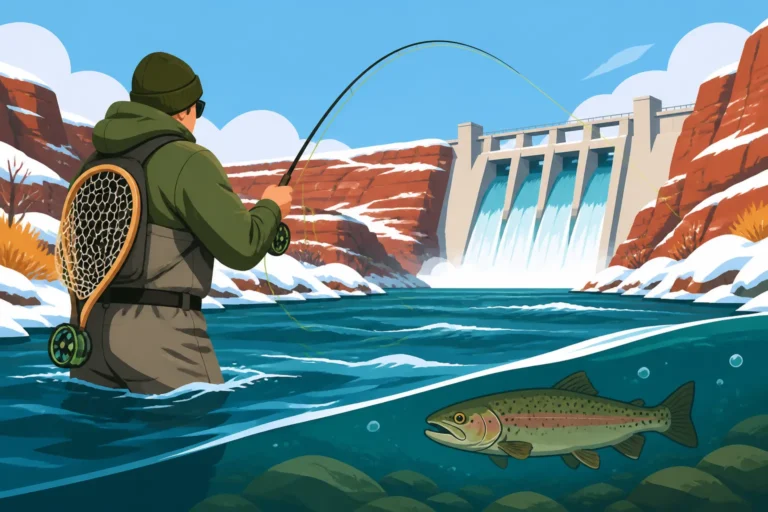
The main stem of the Weber River can also hold higher flows for longer, as it drains a significant portion of the northern Wasatch. Understanding these regional differences is crucial. A river like the Green River Below Flaming Gorge Dam, however, is a different beast entirely. As a tailwater fishery, its flows are primarily controlled by the dam releases from Flaming Gorge Reservoir, meaning it's often fishable and relatively clear even during peak runoff on other natural rivers. This unique characteristic makes it a go-to for many anglers seeking clear water when other rivers are blown out.
Factors Influencing Runoff Duration
As much as we'd love a crystal ball, the end of runoff isn't a fixed date on the calendar. Several dynamic factors play a huge role in how long the rivers stay swollen and murky. Knowing these can help you make more informed decisions about when and where to fish.
Winter Snowpack Levels
This is perhaps the biggest single predictor. A winter with above-average snowpack almost guarantees a more significant and often longer runoff period. The sheer volume of water stored as snow takes more time to melt and move through the system. Conversely, a low snowpack year might mean an earlier and less impactful runoff, sometimes leading to very low flows later in the summer. You can find snowpack data readily available from the Natural Resources Conservation Service (NRCS) which provides SNOTEL site information, a valuable resource for gauging what the spring might bring.
For example, if the snowpack in the Provo River watershed is at 150% of normal, you can bet that river will be high and muddy for an extended period, pushing the clear water window well into summer. This directly influences the Best Time of Year to Fish in Utah for various species.
Spring and Early Summer Temperatures
The rate at which the snow melts is entirely temperature-dependent.
- Gradual Warming: A slow, steady increase in temperatures, with cool nights, allows for a more controlled melt. This results in a prolonged runoff, but the river flows might not reach extreme peaks, and turbidity might be less severe. It's like a long, gentle bath instead of a sudden downpour.
- Rapid Warming (Heatwaves): Sudden spikes in temperature, especially when combined with warm nights, can cause the snowpack to melt very quickly. This leads to intense, short-lived peak runoff flows with extremely high water and severe turbidity. These "blowout" conditions can make fishing impossible for days or even weeks.
- Late Spring Storms: Unexpected late-season snowstorms can temporarily halt the melt or even add to the snowpack, effectively extending the runoff season. While frustrating, these can sometimes help prolong good flows into late summer, preventing rivers from getting too low too quickly.
Elevation of the Watershed
The average elevation of a river's watershed dictates how late the snow will melt. Rivers draining higher mountain ranges, such as those originating in the Uinta Mountains, will inherently have later runoff periods because snow persists longer at higher altitudes. These systems can see peak runoff well into June or even early July, with smaller feeder streams and high mountain lakes only becoming fully accessible and fishable much later in the summer. Lower elevation rivers, fed by less extensive and lower-altitude snowpacks, will typically experience earlier and shorter runoff seasons.
Rainfall Events
Even after the main snowmelt starts to subside, significant spring and early summer rainstorms can cause rivers to surge again. Heavy rainfall can quickly turn a clearing river turbid and high once more, setting back the "end of runoff" timeline. Anglers need to keep an eye on both mountain temperatures and precipitation forecasts. A clear river one day can become a muddy mess overnight if a heavy rain system moves through.
How to Monitor Current River Conditions
You don't have to guess when the runoff is ending. There are fantastic tools and resources available that provide real-time data, allowing you to monitor river conditions and plan your fishing trips strategically.
Online Streamflow Gauges
The U.S. Geological Survey (USGS) operates an extensive network of streamflow gauges across Utah. These gauges provide real-time data on river height (stage) and discharge (cubic feet per second, or CFS). This is your absolute best friend during runoff season.
- Interpreting CFS Readings: Higher CFS means faster, more voluminous water. For many trout streams, flows above 500-800 CFS can be challenging, though it varies by river. Some anglers find success as flows drop below 200-300 CFS and the water begins to clear. Comparing current CFS to historical averages can give you a good sense of how high the water truly is.
- Accessing Data: You can access this data directly from the USGS National Water Information System website. Many local fishing forums and guides also link directly to the relevant gauges. Bookmark your favorite rivers!
Water Clarity Reports
While streamflow gauges tell you how much water is flowing, they don't always tell you how clear it is. This is where local fishing reports and webcams come in handy.
- Local Fly Shops and Guides: These are invaluable resources. Shop employees and guides are often on the water daily and can give you real-time, on-the-ground reports about clarity, temperature, and fish activity. Many maintain websites or social media pages where they post regular updates. Places like Trout Bum 2 or Western Rivers Flyfisher in the Park City/Provo area are excellent sources for condition updates on the Provo River and other nearby waters.
- Webcams: Some popular fishing spots might have webcams that offer a live look at river conditions. A quick search for " Provo River Fishing Guide webcam" or " Weber River Fly Fishing Spots webcam" might turn up some useful visual information, allowing you to see the water color for yourself.
- Community Forums: Online fishing forums and social media groups dedicated to Utah fishing are great places to ask for and receive current conditions from fellow anglers. Just be mindful that information can be anecdotal, so cross-reference with official data.
Weather Forecasts and Snowpack Data
Remember, runoff is driven by snowmelt and rain. So, staying on top of weather forecasts is crucial.
- Mountain Temperatures: Pay close attention to projected high and low temperatures in the mountains. Extended periods of warm days and especially warm nights will accelerate snowmelt.
- Precipitation: Any significant rain in the forecast can quickly muddy a river, even if the snowmelt is otherwise receding.
- SNOTEL Sites: The NRCS SNOTEL (SNOw TELemetry) network provides real-time snowpack depth and water equivalent data from remote mountain sites. This helps you understand how much "fuel" is left in the system to drive runoff. Searching for SNOTEL data for the specific watershed you plan to fish can give you an early heads-up on potential future high water. You can often find apps or websites that aggregate this data, making it easier to track. Some reputable weather apps and sites, often downloadable from platforms like Amazon, also integrate this kind of data.
Strategies for Fishing During and After Runoff
The good news is that even during runoff, and certainly immediately after, there are opportunities to catch fish. It just requires a shift in tactics and an understanding of where fish will hold.
Fishing During Peak Runoff
When rivers are high and off-color, the fish are still there, but they're not going to be out in the main current.
- Seek Out Slow Water: Focus on eddies, backwaters, seams where fast water meets slow, and deep pockets behind large boulders or log jams. These are prime areas where fish can escape the strong current and conserve energy.
- Use Heavier Gear: You'll need heavier leaders, split shot, and potentially even heavier fly line or spinning lures to get your offering down to the fish in the fast, deep water. Don't be afraid to go up a size or two on your sinkers if using bait or nymphs.
- Big and Bright: With reduced visibility, fish rely more on scent and vibration. Use larger, darker flies (like big stoneflies, San Juan Worms, or Woolly Buggers) or brightly colored spinning lures and baits that create a strong profile and good contrast. We also have an article on What Water Clarity Is Too Muddy to Fish in Utah? that explores the limits of visibility and how to adapt your presentation.
- Bait Can Be King: While many anglers prefer artificials, bait can be incredibly effective during runoff. Worms, salmon eggs, or even PowerBait (easily found on Amazon, by the way) can provide the scent trail needed to attract fish in murky conditions.
- Wade Carefully (or Don't): High water often means dangerous wading conditions. Prioritize safety. If the water is above your knees and moving fast, stay out. Consider fishing from the bank or finding access points with calmer sections. A good pair of waders, such as those you can find on Amazon, are crucial, and our guide on Best Waders for Cold Provo River Water offers some solid recommendations.
Fishing as Runoff Recedes
As the water begins to drop and clear, the fishing can become absolutely fantastic. This post-runoff period is often characterized by hungry fish and prolific insect hatches.
- Follow the Clarity: As rivers drop, the first sections to clear will usually be the lower, wider sections, or areas just below reservoirs. Pay attention to those real-time gauges and webcams.
- Fish the Margins: As flows decrease, fish will start to move out of the absolute slowest water but will still be concentrated along current seams and just off the main flow, where food is swept to them.
- Smaller, More Natural Presentations: As water clarity improves, you can start to downsize your flies and lures to more natural patterns. Mayflies, caddis, and stoneflies will become more active, and fish will start to feed more selectively. Check out our recommendations for Best Flies for Utah Trout Streams for excellent patterns to use.
- Look for Hatches: Post-runoff often brings strong insect hatches. Keep an eye on the water for rising fish and emerging insects. Match the hatch if you can.
- Adapt Your Approach: Be prepared to adjust your tactics throughout the day. Early mornings might still require nymphs or streamers, while a mid-day hatch could call for delicate dry fly presentations. The trout will be eager to feed after the challenging high-water period.
Enjoying the Post-Runoff Bounty
Once Utah's mountain rivers have shed their winter coat of snow and the runoff subsides, you're in for some truly spectacular fishing. The rivers are replenished, the fish are active, and the mountain scenery is at its vibrant best. While the waiting game during runoff can be frustrating, the reward of clear, flowing water filled with hungry trout is well worth it. Keep a close eye on those streamflow gauges, consult local experts, and gear up with confidence. The season of abundant river fishing will be here before you know it, and with a little patience and preparation, you'll be ready to enjoy every moment.
Disclaimer
Please remember that fishing regulations, water conditions, and safety guidelines can change. Always check the latest Utah Division of Wildlife Resources (DWR) regulations and local conditions before heading out on the water. Prioritize your safety, especially around swift-moving rivers.