What Bait Works Best for Wiper at Willard Bay?
Figuring out the absolute best bait for wiper at Willard Bay can feel like a constantly shifting puzzle, especially with how aggressively these hybrid striped bass feed and how much their preferences can change based on the season or even the time of day. It's truly frustrating when you're out on the water, seeing boils, but can't tempt a strike. This guide aims to cut through that uncertainty, offering you a comprehensive look at the baits and techniques that consistently put Willard Bay wiper in the net.
Understanding Wiper Behavior and Diet at Willard Bay
Before we even talk about specific baits, it's crucial to understand the fish we're targeting. Wiper are a hybrid of striped bass and white bass, and they inherit the voracious appetite and aggressive nature of both parents. At Willard Bay, they are often found in large schools, actively hunting for prey. Their behavior is highly influenced by the food sources available, water temperature, and time of year. Knowing what makes them tick is half the battle when trying to figure out what bait works best for wiper at Willard Bay.
Wiper's Natural Diet in Willard Bay
The primary forage for wiper in Willard Bay is often various species of shad, particularly threadfin shad and gizzard shad. These small, silvery baitfish form the cornerstone of the wiper's diet. When shad are abundant, wiper will key in on them almost exclusively. This means that any successful bait, whether live or artificial, needs to mimic these baitfish as closely as possible in terms of size, profile, color, and action. They are opportunistic feeders, too, and won't turn their noses up at a meal if it presents itself, but shad are definitely the main course.
Think about it this way: if you were a hungry wiper, cruising the open waters of Willard Bay, what would you be looking for? Fast-moving, silvery schools of protein, right? That's why baits that imitate this natural prey are so effective. If you're ever trying to figure out what bait works best for wiper at Willard Bay, always start with what they naturally eat.
Seasonal Movements and Feeding Habits
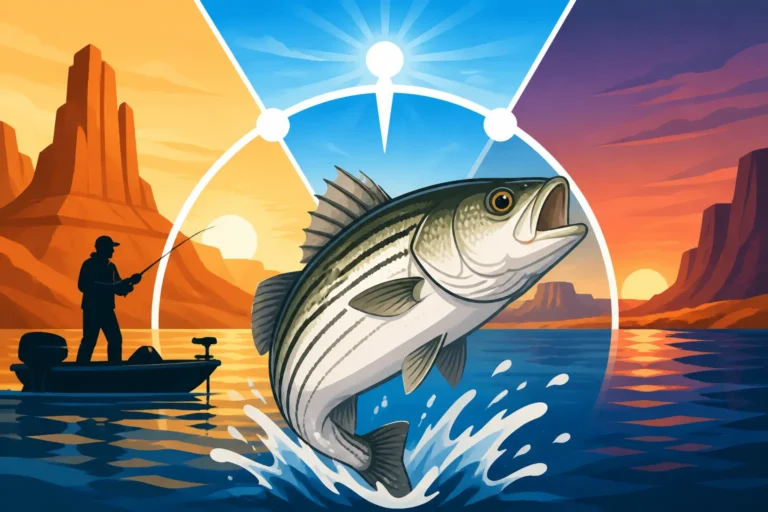
Wiper behavior changes throughout the year, impacting where they are found and how they feed. In spring, as water temperatures rise, wiper become increasingly active, moving into shallower areas to chase baitfish. They might be found near points, submerged humps, or even along the causeway. During the summer, especially on calm mornings or evenings, you'll often see them breaking the surface in what anglers call "boils" as they aggressively push schools of shad to the surface. This is a prime time for targeting them with topwater lures or quick presentations into the feeding frenzy.
As fall approaches, wiper continue their aggressive feeding to bulk up for winter, often schooling up tightly. In winter, during the ice fishing season, they tend to move deeper, though they can still be caught with vertical jigging techniques. Understanding these patterns, and checking resources like Utah Fishing Season Dates and Limits, can help you position yourself and your chosen bait for maximum success. Their willingness to travel long distances in search of food also means they can be found across various depths and structures within the bay.
Top Live and Natural Baits for Wiper
For many anglers, nothing beats the effectiveness of live bait when targeting aggressive predators like wiper. The natural scent, movement, and realism of live bait can be irresistible, especially when fish are finicky or under heavy pressure. While using live fish as bait always requires checking the current regulations to ensure legality and prevent the spread of invasive species, these options are often incredibly effective for wiper.
Shad Imitations (Threadfin Shad, Gizzard Shad)
If you can legally obtain and use live shad, they are arguably the single most effective bait for wiper at Willard Bay. There's simply no better mimic for what wiper naturally eat. Anglers will often catch their own shad using cast nets in designated areas or purchase them from bait shops if available and legal. Presenting a live shad under a bobber or free-lining it into a boil is a surefire way to get a strike.
When using live shad, the key is to keep them lively and present them naturally. A simple hook through the back or lips, allowing the shad to swim freely, is usually all it takes. Imagine a school of wiper working a bait ball – a struggling, solitary shad is an easy target. This strategy is frequently mentioned when discussing how to catch wiper at Willard Bay. For those unable to procure live shad, carefully selected cut bait can also be incredibly potent.
Other Live Bait Options
While shad are king, other live bait options can also produce results, especially if shad are scarce or difficult to obtain. Small perch, chubs, or other local baitfish, if legal to use, can sometimes tempt a hungry wiper. The crucial factor here, again, is matching the size of the available forage. If the wiper are feeding on smaller baitfish, a large live bait might be ignored. Always check the Utah Fishing Regulations Explained to ensure you're using legal baitfish for the specific waterbody.
For anglers looking to try different live bait presentations, fishing these baits on a Carolina rig near the bottom can be effective, particularly when wiper are holding deeper near structure. This allows the bait to move naturally with the current while staying in the strike zone. You might even find success fishing these baits on a jig head, imparting a subtle swimming action.
Cut Bait Strategies
Cut bait, particularly pieces of shad or other oily fish, can be surprisingly effective for wiper, especially when they are aggressively feeding or when a strong scent trail is needed to draw them in. The beauty of cut bait is its ease of use and the strong scent it releases into the water, which can attract fish from a distance. This can be particularly useful when fishing in turbid water or on days when fish are less active and relying more on scent than sight.
To use cut bait effectively, ensure the pieces are fresh and sized appropriately for the wiper. A strip of shad filet, hooked once through the tougher skin, can be trolled or fished on the bottom with a weight. Many anglers find success using a 1/2 to 1-inch square of shad as bait. This is a practical solution for those days when live bait isn't an option. Having a well-stocked tackle box with various options, including hooks suitable for cut bait, is always a good idea. You can find a great selection of hooks and terminal tackle on Amazon.
Effective Artificial Lures for Wiper
Artificial lures offer versatility, ease of transport, and the ability to cover a lot of water quickly. For wiper, the most effective artificial lures typically mimic shad in appearance and action, or create enough commotion to trigger their aggressive predatory instincts. Understanding what makes a lure effective in different scenarios is key to deciding what bait works best for wiper at Willard Bay on any given day.
Crankbaits and Swimbaits
Crankbaits and swimbaits are absolute workhorses for wiper fishing. They excel at imitating swimming baitfish and can be retrieved at various depths and speeds. For shallow to mid-depths, lipless crankbaits are fantastic for covering water and creating vibrations that attract wiper. Their loud rattles and darting action can draw strikes from a distance. Brands like Rattlin' Rapalas or lipless crankbaits found on Amazon are popular choices. For deeper presentations or when fish are holding near the bottom, diving crankbaits can reach the strike zone effectively.
Swimbaits, especially those with a paddle tail, offer an incredibly realistic swimming action. Both hard-bodied and soft-plastic swimbaits can be deadly. Rigging soft swimbaits on a weighted swimbait hook or a jig head allows you to control the depth and retrieve. The key is to match the size and color to the prevalent shad, often silvery, white, or chartreuse patterns. Experiment with retrieve speeds; sometimes a fast, erratic retrieve triggers a chase, while other times a steady, moderate retrieve is preferred.
Jigs and Soft Plastics
Jigs, paired with various soft plastic trailers, are another highly effective category of artificial baits for wiper. Bucktail jigs, metal jigs, and jig heads tipped with grubs, paddle tails, or flukes can all catch wiper. The versatility of jigs allows for vertical jigging, casting and retrieving, or even trolling. When wiper are schooling up and feeding aggressively, a quick jigging motion can elicit explosive strikes.
Colors often mirror natural baitfish: white, pearl, chartreuse, and various shad patterns. A 3/8 to 3/4 ounce jig head, depending on depth and wind, is a good starting point. Consider trying different soft plastic body styles; sometimes a simple curly-tail grub is all it takes, while other times a more realistic fluke-style bait attached to a jig head will out-fish everything else. Soft plastics are a great item to keep stocked in your Best Tackle Boxes for Utah Anglers. For targeting deeper wiper or when they are less active, a slow, deliberate jigging presentation near the bottom can be incredibly effective.
Topwater and Spoons
There's nothing quite like a wiper blowing up on a topwater lure. When wiper are actively chasing shad on the surface (often called "boils"), topwater baits like poppers, walking baits, or prop baits can be absolutely exhilarating. These lures mimic a struggling baitfish on the surface, making them an easy target for aggressive wiper. The key is to cast beyond the boil and retrieve the lure into the feeding frenzy, allowing the wiper to zero in on it.
Spoons, both casting and jigging varieties, are also highly effective for wiper. Casting spoons like Kastmasters or similar flutter spoons can be cast a country mile and retrieved quickly through schooling fish. Their flash and erratic action mimic a fleeing baitfish. Jigging spoons, on the other hand, are great for vertical presentations when wiper are holding deeper, such as during the colder months or when you've located a school on your Best Fish Finders for Utah Reservoirs. Drop them to the bottom, reel up a few feet, and impart a sharp jigging motion to trigger strikes.
Tips for Presenting Your Bait Successfully
Having the right bait is only half the battle; knowing how to present it effectively is equally important. Wiper are aggressive, but they can also be wary, especially in clear water or under heavy fishing pressure. Paying attention to details like matching the hatch, understanding their location, and using appropriate tackle can significantly increase your success rate.
Matching the Hatch and Presentation
"Matching the hatch" isn't just for fly fishing; it's a critical concept for wiper fishing too. This means selecting a bait (whether live or artificial) that closely resembles the size, color, and behavior of the prey fish that wiper are currently feeding on. If you notice small, silvery baitfish jumping, choose a small, silvery lure or live bait. If the shad are larger, adjust accordingly. The more natural your presentation, the more likely you are to fool a cautious wiper.
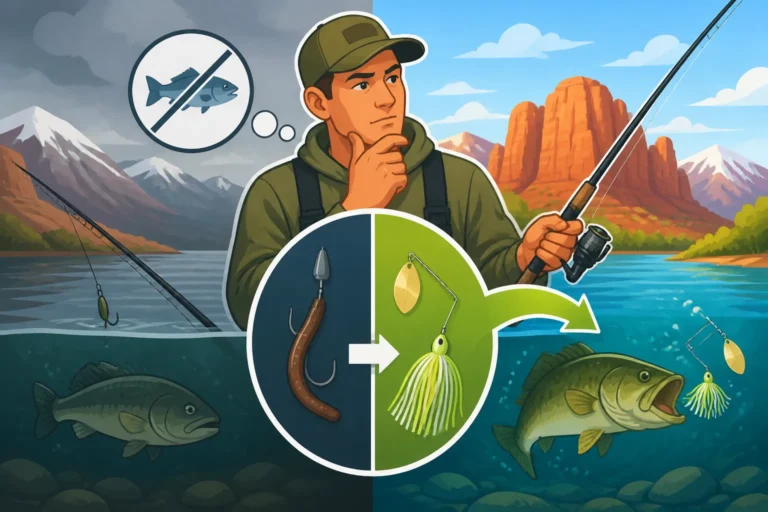
For live bait, this means minimal tackle to allow for natural movement. For artificials, it means experimenting with retrieve speeds and actions to best imitate a struggling or fleeing baitfish. Sometimes a steady retrieve is best, other times a stop-and-go or erratic twitch will trigger a strike. Observing the water, looking for signs of baitfish or wiper activity, will give you clues about what bait works best for wiper at Willard Bay on that particular day. If you're new to this, checking out a guide on Utah Fishing Techniques for Beginners might offer some good foundational knowledge.
Reading the Water and Locating Wiper
Wiper are mobile predators, constantly on the move in search of food. Learning to read the water and identify likely holding or feeding areas is paramount. Look for surface activity like jumping baitfish or active "boils" where wiper are crashing the surface. These are obvious indicators of feeding fish. Beyond surface action, wiper will often relate to underwater structure such as submerged humps, points, drop-offs, and even the riprap along the causeway.
Using a fish finder is invaluable for locating submerged schools of wiper and baitfish. Pay attention to changes in depth, water temperature, and bottom contours. On windy days, wiper might be found on the windblown side of the lake, where baitfish are pushed by the current. On calm days, they might be scattered or holding deeper. Resources like Best Fishing Spots at Willard Bay can give you a head start on where to look. Always remember, if you're fishing a new reservoir you've never been to, observe, learn, and adapt.
Tackle and Gear Considerations
Using appropriate tackle is essential for both casting effectively and successfully fighting a powerful fish like a wiper. A medium-heavy spinning or baitcasting rod, typically 6'6" to 7'6" in length, paired with a reel spooled with strong, abrasion-resistant line (10-20 lb test monofilament or fluorocarbon, or braided line with a leader) is ideal. Wiper are notorious for their strong runs and head shakes, so a good drag system is a must. You can find many suitable rod and reel combinations on Amazon.
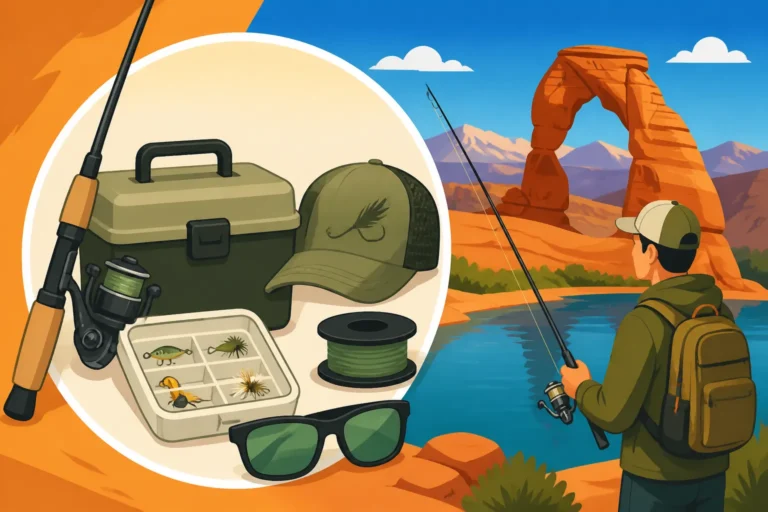
When choosing your fishing line, considering options like Best Fishing Line for Utah Bass can also be relevant for wiper, as they share similar fighting characteristics. Keep a variety of lures and baits in your tackle box, organized efficiently. This allows you to quickly switch presentations if one isn't working. Don't forget essentials like a good pair of pliers for hook removal, a landing net, and a cooler with ice to keep your catch fresh if you plan to harvest fish. Remember, while a basic setup can get you started, the right gear makes a huge difference in your success and enjoyment on the water.
| Bait Type | Pros | Cons | Ideal Conditions |
|---|---|---|---|
| Live Shad | Highest realism, irresistible scent & action | Hard to obtain/keep, often regulated, can be fragile | When wiper are finicky, active feeding, clear water |
| Cut Bait | Strong scent trail, easy to procure/store | Less active visually, can attract trash fish | Turbid water, deeper fishing, less active wiper |
| Crankbaits | Cover water quickly, various depths/actions | Can get snagged, less natural scent | Active fish, searching for schools, varying depths |
| Swimbaits | Realistic presentation, versatile rigging | Less vibration than crankbaits, can be expensive | When fish are keying on shad, moderate activity |
| Jigs/Soft Plastics | Highly versatile, can mimic many forage | Requires active rod work, less scent, can be subtle | Deeper fish, vertical presentations, specific retrieves |
| Topwater Lures | Exciting strikes, visual appeal | Only effective during surface feeding activity (boils) | Surface boils, calm mornings/evenings, aggressive fish |
| Spoons | Excellent flash, long casting distance | Less natural action, can be ignored if not retrieved right | Casting to boils, vertical jigging, deep fish |
Disclaimer
This article is for general informational purposes only and does not constitute professional advice. Laws, prices and regulations vary by location and change over time. Consult a qualified professional for guidance on your specific situation.