Best Tip-Up Setup for Utah Ice Fishing
There’s nothing quite as frustrating as walking up to your ice fishing tip-up, flag proudly flying, only to find the line has been completely stripped or, worse, the bait is gone and the fish is nowhere to be found. It leaves you wondering if your setup was wrong, if the fish was too clever, or if you simply weren't prepared for the conditions. This guide is here to walk you through crafting the ultimate tip-up setup specifically tailored for Utah's diverse ice fishing environments, helping you maximize your chances and put more fish on the ice.
Understanding the Core Components of a Tip-Up System
Before we dive into species-specific rigs, let's break down the essential components that make up a reliable tip-up system. Each piece plays a critical role in alerting you to a bite and successfully landing your catch, especially when the conditions are challenging, as they often are during Utah's winter.
The Tip-Up Frame and Flag Mechanism
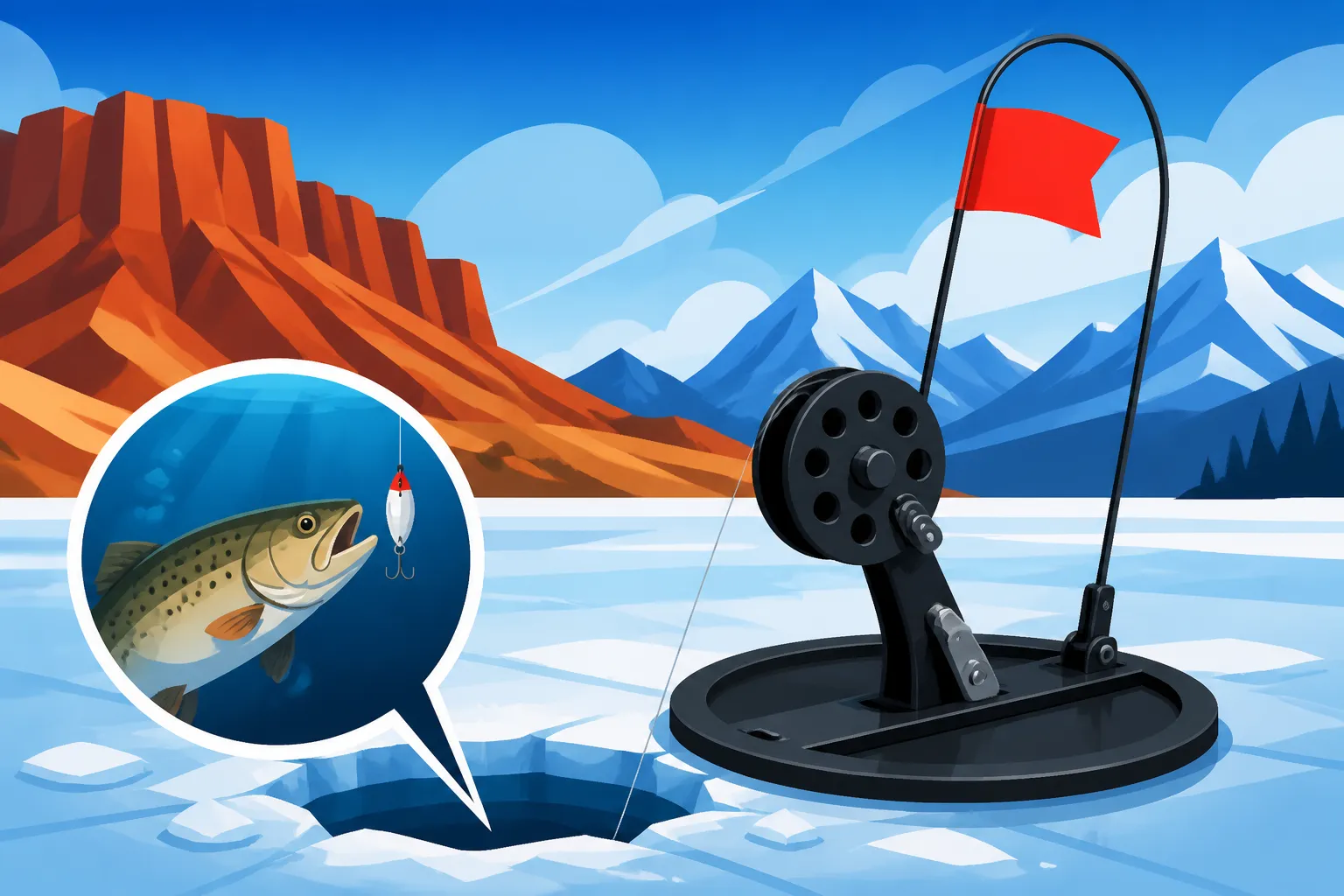
The tip-up itself is far more than just a stick in the ice. It's your primary alert system, and choosing the right one can make a huge difference. You'll find a variety of materials and designs, each with its own advantages. Traditional wooden tip-ups, like those from HT Enterprises, are often very stable and durable. Plastic models, such as those made by Clam or Frabill, tend to be lighter and more affordable.
What you really want to pay attention to is stability and how easily the flag trips. In Utah, especially on large reservoirs like Strawberry or Flaming Gorge, wind can be a significant factor. A tip-up with a wide base or a low profile will resist being blown over. Thermal tip-ups are also a game-changer. These designs, often round or square, cover the entire hole, preventing it from freezing over even on the coldest days. This means your line can run freely without getting stuck in slush or ice, which is crucial for sensitive bites. When choosing, think about the visibility of the flag too – a bright orange or red flag is much easier to spot from a distance when you're tending to other holes or warming up in your shelter. You can find a wide array of options for different conditions on sites like Amazon.
Spool and Line Selection for Utah Ice Fishing
The spool beneath the ice is what holds your line, and selecting the right line is paramount. Unlike jigging rods where sensitivity is felt directly through the rod, a tip-up relies on the fish taking the bait without resistance, so line characteristics are key.
- Main Line (Spool Line): Many anglers prefer heavier, more abrasion-resistant line for the main spool line, typically 20-30 pound braided or Dacron line. This heavier line is easier to handle with gloved hands, less prone to tangling in the hole, and holds up better against ice abrasion. It also makes it easier to recover your tip-up if a larger fish takes a long run.
- Leader Material: This is where stealth comes in. For most Utah trout fishing, a fluorocarbon leader is highly recommended. Fluorocarbon is nearly invisible underwater, extremely abrasion-resistant (great for rocky bottoms or fish with rough mouths), and sinks quickly. For targeting trout, a 4-8 pound test fluorocarbon leader is usually sufficient. If you’re chasing species like northern pike, especially at Utah Lake where you're encouraged to harvest them, you'll absolutely need a steel or heavy fluorocarbon leader (30lb+) to prevent bite-offs from their razor-sharp teeth.
- Line Capacity: Ensure your tip-up spool can hold enough line. For general trout fishing, 50-75 feet of main line plus your leader is often plenty. However, for deep-water lake trout at Flaming Gorge or aggressive striped bass at Lake Powell (if you use tip-ups there, which is less common but possible), you might want 100-150 feet or more to accommodate long runs. Always consider the species and water depth.
The Importance of Leaders and Swivels
Never underestimate the power of a good leader and swivel in your tip-up setup. A well-chosen leader is the bridge between your main line and your hook, offering both strength and subtlety.
- Leaders for Stealth: As mentioned, fluorocarbon is fantastic for its low visibility. It helps trick wary fish that might shy away from a heavier, more visible main line. For species like rainbow and cutthroat trout, which are abundant in many of Utah's waters, a 4-6 pound fluorocarbon leader will increase your hook-up rates significantly. Think of it as a stealth bomber for your bait.
- Leaders for Protection: For toothy critters like northern pike, a steel leader is non-negotiable. These fish can easily slice through monofilament or even fluorocarbon. Make sure your steel leader is designed for ice fishing, often shorter (6-12 inches) to keep your bait close to the main line, reducing tangles in the hole.
- Swivels and Snaps: A small barrel swivel or a high-quality snap swivel serves multiple purposes. Firstly, it prevents line twist, especially if you're using rotating baits or if a fish spins during the fight. Secondly, it provides a strong connection point between your main line and your leader. Make sure the swivel is appropriately sized for your line and target species – you don't want a bulky swivel that spooks fish. For added convenience, a snap swivel can make changing leaders or rigs much faster when your fingers are cold.
Rigging Your Tip-Up for Different Utah Species
Different fish species in Utah require distinct strategies when it comes to tip-up setups. What works for a feisty rainbow trout might not cut it for a cruising walleye or a massive lake trout.
Trout-Specific Tip-Up Rigs
Trout are arguably the most popular target for Utah ice anglers, and a proper tip-up setup can make all the difference. When learning how to ice fish for trout in Utah, remember that these fish can be finicky.
- Bait Selection: Live bait minnows are often kings for larger trout like brown trout or splake, especially in waters where they are legal (always check current Utah Fishing Regulations Explained). Nightcrawlers or chunks of cut bait (like chub or sucker meat) are also highly effective. For stocked rainbow trout, you can’t go wrong with PowerBait or a small marshmallow-and-worm combination. The key is scent and natural presentation.
- Hook Types and Sizes: For smaller baits or PowerBait, a #10 to #6 treble hook or a small single baitholder hook (like a #8 or #6) works well. If using larger minnows for trophy trout, consider a larger single hook (like a #2 or #1) or even a small treble hook placed near the dorsal fin of a live minnow. Ensure the hook is sharp!
- Weighting: A small split shot or two, placed 6-12 inches above your hook, is usually enough to get your bait down and keep it relatively still. For a more natural presentation, some anglers prefer to use no weight at all, letting the bait sink slowly, though this is only effective in shallower water or with heavier baits. When rigging for deeper water, a slip sinker can be used, allowing the fish to take the bait without feeling the weight, before the line slides through the sinker and triggers the flag.
- Depth: Trout often cruise at varying depths. Experiment! Start by setting some baits just off the bottom, some halfway up, and some near the ice. On heavily pressured waters, suspending your bait just a few feet under the ice can sometimes produce bites from wary fish. For lakes like Strawberry Reservoir, where fish can suspend, don't be afraid to put your bait higher in the water column.
Walleye and Perch Setups
Walleye and perch are fantastic targets through the ice, offering delicious table fare and exciting bites. Their preferences differ from trout, leaning heavily on live bait presentations.
- Bait of Choice: For walleye, live minnows are almost always the top choice. Shiners, fatheads, or even chub minnows (where legal) are deadly. Hook them lightly through the back or lips. For perch, smaller minnows (like emerald shiners or fatheads) or even a cluster of wax worms or maggots are excellent.
- Jigs or Hooks: When using minnows for walleye, many anglers prefer a plain #4 or #2 octopus-style hook, sometimes tipped with a small jig head instead of a plain hook for added flash and weight. This allows for a more natural presentation. For perch, a small #8 or #6 jig head, like a teardrop jig, tipped with wax worms or a minnow head, can be very effective.
- Sensitivity: Walleye can be incredibly subtle biters, especially in cold water. You want your setup to offer minimal resistance. Use light fluorocarbon leaders (6-10 pound test) and ensure your tip-up's trip mechanism is set to its most sensitive setting. Any resistance might cause them to drop the bait. A light split shot can be used to hold the minnow down, but too much weight will deter a walleye.
- Depth and Presentation: Walleye often hug the bottom or relate to structure like humps, points, and drop-offs. Set your bait just a foot or two off the bottom. Perch often school up, so once you find them, you can often catch several from the same hole. If using a jig, occasionally twitch it slightly to attract attention, but mostly let your live bait do the work.
Targeting Northern Pike and Larger Predators
For those looking for a real battle, northern pike offer an exhilarating fight through the ice. Utah Lake is a prime example, where you're often required to kill every northern pike caught due to their invasive nature. Understanding what Does Mandatory Harvest Mean on a Utah Fishing Water? is crucial here.
- Bait Size Matters: Pike are apex predators, and they prefer a substantial meal. Large live minnows (suckers, chubs, or shiners, again, check legality) are the go-to. Don't be shy; minnows 4-8 inches long are not uncommon for pike rigs. Hook them lightly below the dorsal fin to keep them active.
- Heavy Duty Gear: This is where you upgrade everything. You'll need stout tip-ups with large spools. Your main line should be at least 30-50 pound braided line. As mentioned earlier, a steel leader (10-inch minimum, 20-30 pound test) is absolutely essential to prevent bite-offs. Pike can inhale baits, and their teeth will shred anything less.
- Hooking the Beast: For large minnows, a quick-strike rig is often preferred. This involves two treble hooks: one lightly hooked near the minnow's dorsal fin and the other free-swinging near its tail. This allows for an earlier hook set, before the pike swallows the bait too deeply, making release (if allowed) or easier handling much more feasible. If using a single hook, a large #1/0 or #2/0 single hook is appropriate.
- Depth and Location: Pike often relate to weeds, shallow bays, and structure where their prey fish congregate. They will also cruise deeper edges. Setting your bait anywhere from 2 feet under the ice to just above the weed line is a good starting point. They are ambush predators, so scattering your tip-ups along a weed line or a drop-off can be highly effective.
Here’s a quick comparison of tip-up setups for common Utah species:
| Species | Main Line (Spool) | Leader Material | Leader Test (lbs) | Hook Type/Size | Bait | Typical Depth Setting | Notes |
|---|---|---|---|---|---|---|---|
| Rainbow Trout | 20 lb Dacron/Braid | Fluorocarbon | 4-6 | Treble #10-#6 / Single #8-#6 | PowerBait, Worms, Small Minnows | Mid-water to 1-2 ft off bottom | Minimal weight, sensitive trip setting. |
| Cutthroat Trout | 20-30 lb Dacron/Braid | Fluorocarbon | 6-8 | Single #6-#2 / Treble #8-#6 | Minnows, Worms, Cut Bait | Mid-water to 1-2 ft off bottom | Slightly larger bait, cautious biters. |
| Walleye | 20-30 lb Dacron/Braid | Fluorocarbon | 8-12 | Octopus #4-#2 / Small Jig | Live Minnows (Shiners, Fatheads) | 1-2 ft off bottom | Very sensitive, minimal resistance crucial. |
| Yellow Perch | 20 lb Dacron/Braid | Fluorocarbon | 4-6 | Jig #8-#6 / Single #10 | Small Minnows, Wax Worms, Maggots | Bottom to mid-water | Target schools, small baits. |
| Northern Pike | 30-50 lb Braid | Steel / Heavy Fluorocarbon | 20-40+ | Quick-Strike Rig / Treble #2-#1/0 | Large Live Minnows (Suckers, Chubs) | Just above weeds to mid-water | Mandatory harvest in some waters, robust gear essential. |
| Lake Trout | 30-50 lb Braid | Heavy Fluorocarbon | 15-30 | Single #1/0-#3/0 / Large Treble | Large Live Minnows, Cut Bait, Smelt | Bottom to suspended (deep) | Strong drag, long runs possible, often requires deep-water tactics. |
Remember, always verify specific regulations, including bait restrictions and daily limits like Utah Trout Daily Limit Explained, for the water body you plan to fish, as they can change seasonally and by location.
Advanced Tip-Up Strategies and Deployment for Utah Ice
Simply dropping a line isn't enough to consistently catch fish through the ice, especially when using tip-ups. Strategic deployment and understanding fish behavior are critical.
Optimal Placement and Spacing
Where you set your tip-ups can be just as important as how you rig them. Think like a fish – where would you hide, hunt, or rest?
- Understanding Structure: Fish are almost always associated with structure. Look for underwater points, humps, drop-offs, weed lines, or channels. A good contour map (many lakes have them available through fishing apps or online) is invaluable. Drill your holes along these features. For example, if you're fishing a point, place tip-ups at different depths along its sides and off its tip.
- Fan Pattern: When you have multiple tip-ups (remember to check How Many Ice Fishing Rods Can You Use at Once in Utah?), spread them out in a fan or grid pattern across a promising area. This allows you to cover more water and explore different depths. If one tip-up gets consistent action, you can then concentrate more of your efforts in that specific depth or location.
- Fish Travel Lanes: Some fish, particularly walleye and pike, use certain "lanes" or routes to move around a lake. These might be along a specific depth contour or between areas of cover. Try to intercept these lanes with your tip-ups.
- Shallow vs. Deep: Don't be afraid to fish both shallow and deep, even in the same general area. Fish behavior can change throughout the day and with weather conditions. Sometimes a trophy fish will cruise just a few feet under the ice in search of an easy meal.
- Targeting the Edges: Often, the edges of submerged weed beds, rock piles, or old river channels are prime locations for predatory fish. Place your tip-ups right on these transition zones.
Enhancing Sensitivity and Strike Detection
A flag popping isn't always a guaranteed hook-up. Sometimes fish are tentative, or they "mouth" the bait. Maximizing your tip-up's sensitivity can lead to more successful catches.
- Trip Sensitivity: Most modern tip-ups have adjustable trip mechanisms. For finicky fish like walleye or perch, set the trip to its lightest possible tension. This means even a slight tug on the line will release the flag. For aggressive fish like pike, you might need a slightly heavier setting to prevent false flags from strong winds or baitfish activity.
- Balance Your Bait: The amount of weight you use with your bait impacts how freely a fish can take it. If using live bait, try to use just enough weight to keep the minnow at the desired depth, but not so much that it restricts its movement. A lively minnow will attract more attention and, with minimal weight, present a more natural offering.
- Visual Indicators: For those extra cautious fish, some anglers add small strike indicators to their main line, such as a tiny piece of reflective tape or a small spring bobber just above the hole. While the flag is the primary alert, these subtle indicators can sometimes show you a nibble before the flag even goes up, giving you a heads-up.
- "Pop" or "Float" Up: Some anglers prefer to rig their live bait so that it's slightly buoyant or can "pop" up a few feet when a fish bites, before the weight settles. This creates a natural presentation that fish often find irresistible, and the slack created when the bait pops up can make it easier for the fish to run without resistance.
Practical Tips for Harsh Utah Conditions
Utah's winters can be unforgiving, but with the right preparation, your tip-ups can still perform flawlessly. When you're out ice fishing, it's wise to be familiar with the comprehensive Utah Ice Fishing Guide.
- Wind Management: Wind is the enemy of the lightweight tip-up. If you're using traditional tip-ups, consider using ice screws or weights to anchor them down. Some anglers even build small snow berms around their tip-ups for added stability. Thermal tip-ups naturally offer better wind resistance by covering the hole. If you're in a portable Best Ice Fishing Shelters for Utah Winters, you'll have some protection, but your outside tip-ups still need attention.
- Preventing Freeze-Up: This is crucial. If your hole freezes around your line, your flag won't trip, or a fish will immediately feel resistance and drop the bait. Thermal tip-ups are designed specifically for this. If you don't have thermal tip-ups, regularly check your holes, especially on bitter cold or windy days, and scoop out slush and ice. A sprinkle of non-toxic hole-saver liquid (like cooking oil or specialized ice fishing products) can help slow down freezing.
- Monitoring Multiple Lines: While How Many Ice Fishing Rods Can You Use at Once in Utah? allows for multiple lines, effectively monitoring them all is key. Space them out within reasonable visibility, especially if you're fishing alone. A good pair of binoculars can help you spot flags from a distance. If you're fishing a wider area, consider using a snowmobile or ATV to quickly reach flags, but always prioritize safety on the ice.
- Cold Hands: Prepare for cold conditions by having warm gloves or mittens that are easy to remove quickly when a flag goes up. The last thing you want is fumbling with frozen fingers while a fish is stripping line. Keep a small towel handy to dry your hands after handling fish or bait. You'll also want to know How to Keep Bait Alive in Cold Weather, as cold temps can quickly render live bait sluggish.
Essential Tip-Up Accessories and Maintenance
Having the right gear extends beyond just the tip-up itself. A few well-chosen accessories can make your Utah ice fishing trip more comfortable, safer, and ultimately more successful.
Tools and Extras to Keep Handy
Don't let a missing tool ruin a good bite or cause a delay. These items are often overlooked but incredibly valuable.
- Ice Scoop/Skimmer: Absolutely essential for clearing slush and ice chips from your holes. Choose one with a comfortable handle and a large enough basket to be efficient. Regularly cleaning your holes prevents line freeze-up and ensures smooth operation.
- Hook Remover/Forceps: Sometimes fish swallow hooks deep. A good pair of long-nosed pliers or specialized hook removers will help you quickly and safely remove hooks, minimizing stress to the fish if you plan to release it.
- Measuring Tape/Scale: If you're chasing trophy fish or adhering to specific slot limits, a reliable measuring tape and portable scale are crucial. Knowing the size and weight of your catch adds to the experience and helps you comply with regulations.
- Headlamp/Flashlight: Even if you don't plan on night fishing, a headlamp is invaluable for early mornings, late evenings, or even just working in the shade of your shelter. Choose one with a red light option to preserve your night vision.
- Spare Spools/Line: It happens – a line snags, gets frayed, or a large fish spools you. Having pre-rigged spare spools of line for your tip-ups, or at least extra leader material, means you can quickly get back in the game without wasting precious fishing time.
- Bait Buckets and Aerators: For live bait, a good insulated bait bucket with an aerator will keep your minnows lively and healthy throughout the day. A lively minnow is a productive minnow. You can find excellent options for these on Amazon.
- Rod Holders for Tip-Ups: Yes, they exist! For windy days, or if you just want extra security, small portable rod holders can attach to your tip-up and keep it firmly in place, preventing it from being blown over.
Winterizing and Storing Your Tip-Ups
Proper care at the end of the season ensures your gear is ready for next year's Utah Ice Fishing Season Dates. Neglecting your tip-ups can lead to rust, cracked spools, and tangled lines.
- Cleaning: After each trip, especially at the end of the season, give your tip-ups a thorough cleaning. Remove any ice, mud, or bait residue. A simple wipe-down with a damp cloth and then drying is usually sufficient. Pay close attention to the spool and trip mechanism to ensure no grit is present.
- Drying: Absolutely critical! Ensure all components, especially wooden frames and metal parts, are completely dry before storage. Moisture leads to rust on metal and warping or rot on wood.
- Line Inspection and Replacement: Inspect your line for frays, nicks, or weak spots. If in doubt, replace the line. Monofilament lines can develop "memory" and lose strength over time, so consider fresh line each season, especially for leader material. Braided line is more durable but still benefits from inspection.
- Lubrication: A very light application of silicone lubricant on moving parts, like the spool shaft and flag trip mechanism, can keep them operating smoothly. Avoid heavy oils that can attract dirt or freeze in cold weather.
- Proper Storage: Store your tip-ups in a cool, dry place. Many anglers use dedicated tip-up bags or buckets to keep them organized and prevent tangles with other gear. If stacking them, ensure they are not putting pressure on delicate flag mechanisms. Consider a dedicated storage container to protect them from dust and damage. This small effort will save you headaches and money in the long run.
Disclaimer
Fishing regulations and conditions in Utah can change frequently. Always consult the latest Utah Division of Wildlife Resources (DWR) proclamations before heading out onto the ice. This guide is for informational purposes only and does not substitute for official regulations or professional advice. Ice fishing can be inherently dangerous; always prioritize safety, check ice thickness, and never fish alone.