How Many Ice Fishing Rods Can You Use at Once in Utah?
It can be incredibly frustrating to head out onto a frozen lake, ready for a peaceful day of ice fishing, only to feel uncertain about exactly how many lines you're legally allowed to have in the water. Nobody wants to accidentally break a rule and face a fine, especially when you're just trying to maximize your chances of catching a few fish. This guide is here to clear up the confusion, walking you through Utah's specific regulations for ice fishing rod limits, ensuring your next trip is both successful and compliant.
Understanding Utah's General Rod Limit for Fishing
Before we dive specifically into the frozen world of ice fishing, it's helpful to understand the baseline rules that apply to most open-water fishing in Utah. This context is important because the ice fishing regulations offer a bit more leniency, which can sometimes lead to confusion if you're not aware of the standard.
The Standard Two-Rod Rule for Most Waters
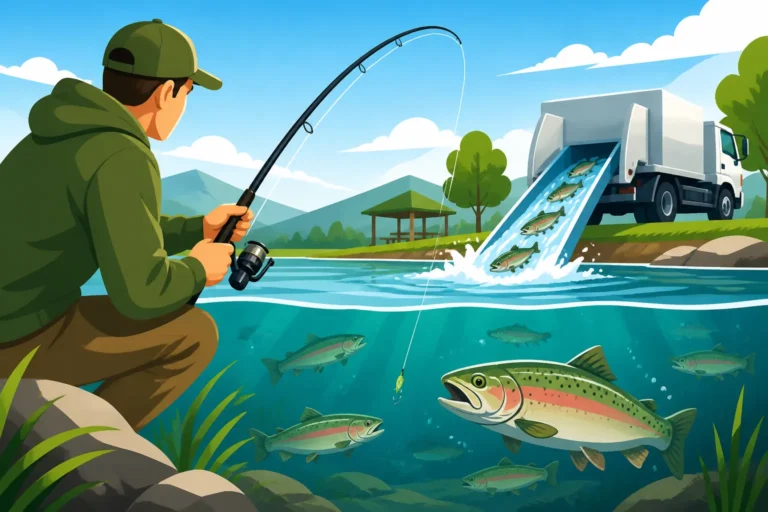
For the majority of Utah's waters and during the open-water seasons, anglers are typically limited to using two fishing poles or lines at a time. This is the general rule you'll encounter whether you're casting from the shore of a reservoir, drifting down a river, or trolling from a boat. Imagine you're at Jordanelle Reservoir on a warm summer day, casting for trout with one rod and perhaps setting up a bottom rig for perch with another. This two-rod limit helps manage the fishing pressure, ensures anglers can adequately attend to their lines, and prevents excessive harvesting in situations where fish might be easily caught.
This rule applies broadly across different species as well. Whether you're targeting smallmouth bass at Flaming Gorge or pursuing rainbow trout in a mountain lake, the default expectation is that you will not have more than two lines actively deployed. Exceeding this limit, even by accident, can lead to conversations with Utah Division of Wildlife Resources (DWR) officers and potential penalties. It's always best to be absolutely sure of the rules for the specific water body and season you're fishing. For a comprehensive overview, checking the latest Utah Fishing Regulations Explained is always a smart move.
Why Regulations Vary in Different States
It’s completely understandable why anglers might get a little mixed up about rod limits, especially if they've fished in other states. Fishing regulations aren't universal, and they can vary dramatically from one state to another, or even between different regions within the same state. For example, some states might allow only one rod, while others might permit three or even more, sometimes with the purchase of an additional rod stamp or permit.
This variation often comes down to a few factors: the density of fishing pressure, the health of fish populations, and the specific management goals for certain species or water bodies. A state with abundant, fast-growing fish might have more liberal rules, whereas a state managing sensitive or overfished populations might be stricter. Utah's DWR carefully crafts its regulations based on scientific data and conservation objectives for its unique ecosystems. So, while your buddy in Minnesota might be able to easily run ten tip-ups, what's legal there might not fly here in the Beehive State. It highlights why local knowledge and checking the current Utah DWR Fishing Guide are absolutely crucial, rather than relying on past experiences elsewhere.
The Specifics of Ice Fishing Rod Limits in Utah
Now, let's get down to the nitty-gritty of ice fishing. This is where Utah offers a little more flexibility, recognizing the unique nature of fishing through the ice. It’s a welcome difference that allows for a more dynamic and often more productive day on the hard water.
The Generous Ice Fishing Allowance
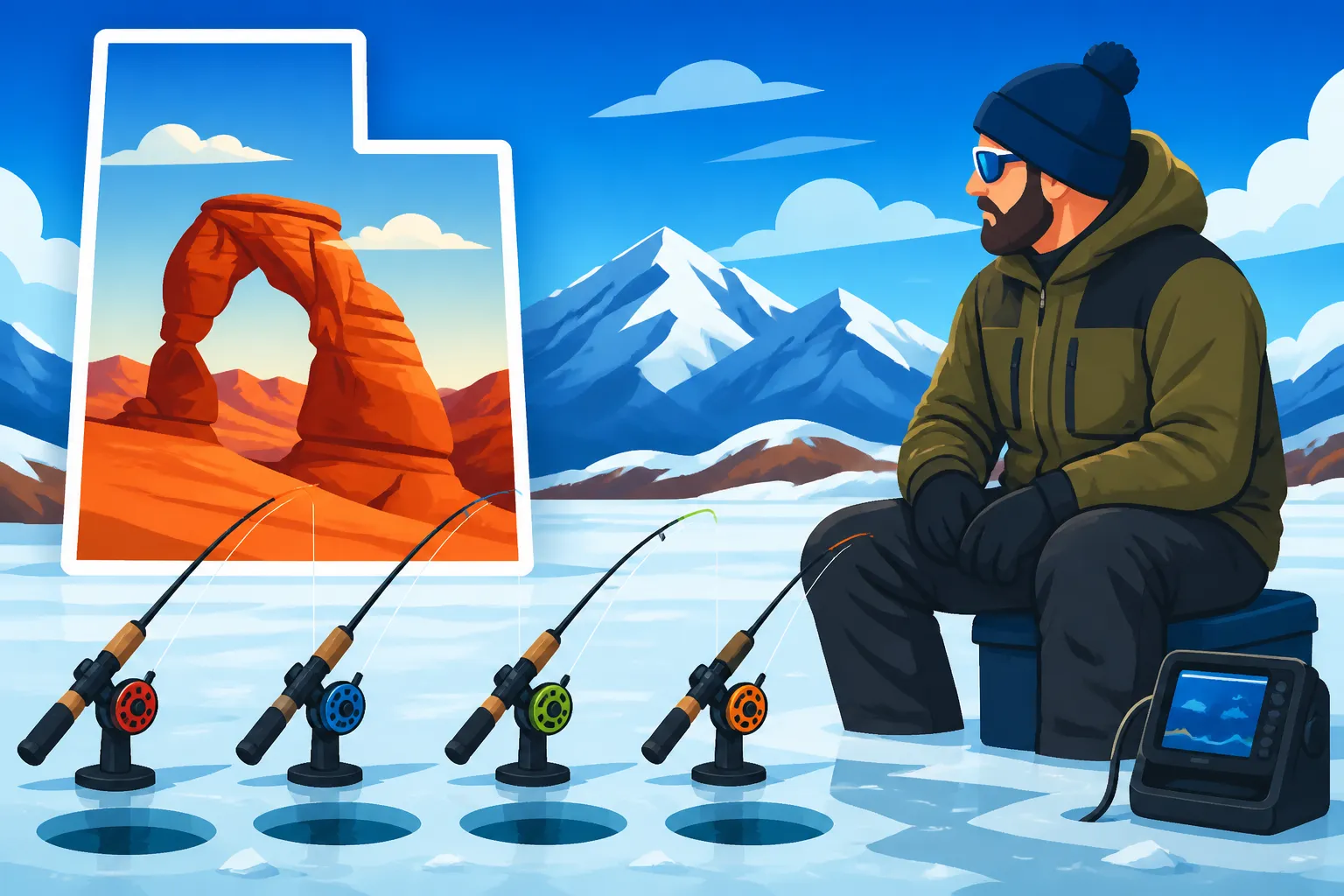
Here's the good news for all you ice anglers: when you're out on the ice in Utah, you're actually allowed to use more lines than during open-water seasons. The regulation specifically states that you can use up to two lines or poles, plus up to four additional lines, for a grand total of six lines! This expanded limit is a huge advantage, letting you cover more area and try different presentations simultaneously. Imagine you're out on Strawberry Reservoir in the depths of winter, hoping for a kokanee or a trophy trout. With six lines, you can jig with one, have a couple of deadstick rods set with bait, and even deploy a couple of tip-ups to cover a wider spread.
This generous allowance applies to most waters throughout the state during the official Utah Ice Fishing Season Dates. However, there's a crucial caveat: all six of your lines must be "properly attended." This isn't just a suggestion; it's a rule that ensures responsible angling and the well-being of the fish. It means you need to be actively supervising your lines, keeping them within sight and easily accessible for immediate action should a fish bite or if you need to re-bait. You can learn more about this exciting winter pursuit in our comprehensive Utah Ice Fishing Guide.
The Importance of Attentiveness and Control
The term "properly attended" might sound a bit vague, but in practice, it's quite clear. It means that you, the angler, must be close enough to your lines to see them, react to a bite, and handle any fish immediately. You can't set six lines across a massive area, walk away for a snack break in your ice fishing shelter, and expect to be compliant. Instead, think about it as maintaining constant supervision.
Consider a scenario where you've drilled six holes in a tight pattern around your portable ice fishing shelter. You might be actively jigging one or two rods inside the shelter, while the other four are set up on rod holders or as tip-ups just outside, visible through a window or from the shelter door. If one of your tip-ups flags, you should be able to reach it and respond within seconds. This rule exists primarily for two reasons:
- Preventing Waste: If a fish bites and you're too far away, it might swallow the hook deep, suffer unnecessary injury, or even die before you get to it, especially if you intend to release it.
- Responsible Angling: It promotes ethical fishing practices, ensuring that anglers are present and engaged with their gear, rather than simply leaving lines unattended as passive traps.
So, while the six-rod limit is fantastic, it comes with the responsibility of active management. Don't push the boundaries of how far you can stray from your lines; it's better to be safe than sorry and ensure you're always within easy reach. Failing to properly attend your lines can be seen as a violation, potentially leading to a ticket and even having your gear confiscated by wildlife officers, similar to other Utah Fishing License Penalties for Violations.
Practical Considerations for Managing Multiple Ice Fishing Rods
Having the ability to fish with up to six rods is a game-changer for ice anglers, but it also means you'll need to think about how to effectively manage all that gear. It’s not just about drilling holes; it’s about setting up a system that allows you to be efficient, comfortable, and, most importantly, successful.
Equipment to Help Manage Your Spread
Managing six fishing lines through the ice can be a coordinated effort, and having the right equipment makes all the difference. You'll want gear that helps you monitor multiple rods without feeling overwhelmed.
- Rod Holders: These are essential. Rather than precariously balancing rods on buckets or the edge of a hole, purpose-built ice fishing rod holders keep your rods secure, visible, and angled correctly for bite detection. Many attach directly to the bucket you sit on, or stand alone.
- Tip-Ups: These classic ice fishing tools are perfect for setting lines away from your main jigging hole. A flag pops up when a fish bites, giving you a clear visual signal. Brands like Clam and Frabill offer reliable tip-ups, which you can often find easily on Amazon or at local sporting goods stores. Using different colors of flags or adding reflective tape can make them even easier to spot from a distance.
- Fish Finders (Flashers/Sonar): While not directly for holding rods, a good fish finder is invaluable for managing your spread. It lets you see what's happening under each hole, helping you decide which rods to actively jig and which ones to leave as dead sticks. For example, if you see fish consistently at 20 feet on one hole, you can focus your jigging rod there, while setting other rods at different depths nearby. Check out our guide on Best Fish Finders for Ice Fishing in Utah for recommendations.
- Ice Augers: To accommodate six holes, you'll need an efficient way to drill them. Whether it's a hand auger, a gas-powered auger, or a modern battery-powered option, make sure it's up to the task. Drilling six holes quickly and safely is key to setting up your spread effectively. For tips on drilling and choosing the right one, see How to Auger Through Utah Ice Safely and Best Ice Augers for Utah Ice Fishing.
- Ice Shelters: Many portable ice fishing shelters are designed with multiple access points or enough space to comfortably manage several rods inside, keeping you out of the biting Utah winter wind. Some even have features like rod storage and heating options to make your multi-rod setup more enjoyable. Look into Best Ice Fishing Shelters for Utah Winters for options that suit your style.
Here's a quick comparison of popular multi-rod setup components:
| Equipment Type | Primary Function | Ideal Use Case | Pros | Cons |
|---|---|---|---|---|
| Rod Holders | Securely hold rods | Deadsticking, passive bait fishing | Keeps rods upright, easy bite detection | Requires active monitoring, doesn't flag |
| Tip-Ups | Signal bites from distance | Spreading out to cover more area | Automatic flag, allows mobility | Can be bulky, less direct fight with fish |
| Fish Finder | Locate fish & depth | Strategic placement of lines | Greatly increases efficiency, real-time info | Adds cost, learning curve for new users |
| Portable Shelter | Comfort & weather protection | Extended trips, windy conditions | Keeps you warm, allows more gear | Can be heavy, takes time to set up/take down |
Balancing Efficiency with Enjoyment
While the six-rod limit offers a fantastic opportunity to increase your catch rate, it's important to find a balance between maximizing efficiency and simply enjoying your time on the ice. Sometimes, managing too many lines can become more of a chore than a pleasure. You might spend more time untangling lines, re-baiting hooks, and scrambling from hole to hole than actually relaxing and appreciating the peace of the winter landscape.
For some anglers, especially those new to ice fishing or taking kids along, starting with two or three rods might be more enjoyable. This allows you to focus on the basics, teach proper techniques, and ensure everyone has a positive experience. As you gain confidence, you can gradually add more lines to your spread. If you're constantly feeling overwhelmed or missing bites because you're too busy with another rod, it might be a sign to scale back. Remember, fishing is about connecting with nature and having fun, not just filling your bucket. Consider How to Stay Warm Ice Fishing in Utah if you're planning on being out for extended periods with multiple rods, as staying comfortable makes managing your gear much easier.
Water-Specific Rules and Exceptions
While the six-rod rule is generally applicable for ice fishing across Utah, it's absolutely critical to remember that specific waters can, and sometimes do, have unique regulations that might override or modify this general rule. The Utah DWR constantly monitors fish populations and environmental conditions, and they implement special rules to protect certain species or manage specific fisheries.
For example, a particular community pond might have a stricter rod limit to prevent overharvesting in a smaller, easily accessible water body, especially if it's heavily stocked. Or, a blue ribbon fishery known for trophy trout might have specific gear restrictions that could indirectly affect how many lines you'd logically want to use. You might even find specific regulations about bait use or mandatory harvest rules for invasive species like northern pike at Utah Lake, which could influence your setup.
Always, and I mean always, double-check the current Utah Fishing Proclamation before you head out. This document, available online through the DWR website and at license vendors, is your definitive guide to all regulations, including any exceptions for the specific body of water you plan to fish. Don't assume the general rule applies everywhere. A quick check can save you a lot of grief. For instance, if you plan to go Where to Ice Fish at Strawberry Reservoir, it's always wise to verify if there are any specific local rules for that popular destination.
Common Mistakes and How to Avoid Them
Even with the best intentions, anglers can sometimes make mistakes when it comes to understanding and following fishing regulations. Being aware of these common pitfalls can help you avoid unnecessary trouble and ensure your ice fishing trips are always within the bounds of the law.
Not Knowing the Current Regulations
One of the most frequent mistakes anglers make is simply not knowing or keeping up with the current fishing regulations. It's easy to assume that if a rule applied last year, it still applies this year. However, Utah's DWR regularly updates its fishing proclamation. Changes can occur annually, sometimes even mid-season, based on fish population data, conservation efforts, and environmental factors.
Relying on old information or hearsay from a friend can land you in hot water. Always make it a habit to review the latest Utah Fishing Regulations Explained before your first outing of the season, and especially if you're visiting a new water body. The official DWR website is the best place to find the most up-to-date information. Ignorance of the law is not an excuse, and DWR conservation officers are diligent in enforcing the rules to protect Utah's fisheries for everyone. Obtaining your Utah Fishing License Guide is the first step, and understanding the regulations is the vital second.
Exceeding Attentiveness Limits
While it's exciting to fish with six rods, pushing the "properly attended" rule is a common misstep. Anglers might set out lines too far apart, wander off to socialize with friends, or retreat too deep into a warm shelter where their lines aren't clearly visible. Remember, the rule isn't just about having six rods; it's about being actively responsible for each one.
What happens if you're not attentive? Best case, you miss a bite. Worst case, a fish takes the bait and gets deeply hooked, suffering unnecessarily. Or, a DWR officer observes your unattended lines. The consequences can range from a warning to significant fines, and even the confiscation of your fishing gear. This is particularly true if you are found to be violating Utah Daily Bag and Possession Limits in conjunction with unattended lines. It’s an easy mistake to make when you're distracted by the cold or conversation, but it's one that can be easily avoided by staying vigilant and keeping your spread manageable for your level of attentiveness.
Mixing Up Open Water and Ice Fishing Rules
Another common source of confusion is applying the generous ice fishing rod limit to open-water fishing. It's easy to remember "six rods" and mistakenly think it applies year-round. However, as we discussed, the standard limit for open-water fishing in Utah is typically two rods.
This means that once the ice thaws, and you're back to casting from shore or trolling from a boat, you must revert to the two-rod limit (unless specific water body regulations state otherwise). Using six rods from a boat would be a clear violation and could lead to enforcement action. Always make sure you adjust your setup and your mindset depending on whether there's hard water underfoot or if you're enjoying the liquid expanse of a spring or summer day. The key is to be mindful of the season and the specific regulations that apply to it. Check out our guide to the Best Rods for Ice Fishing in Utah to ensure you're using appropriate gear for the season.
Disclaimer
Please note that fishing regulations are subject to change. While this guide provides current information based on readily available data, it is ultimately the angler's responsibility to consult the most recent Utah Fishing Proclamation published by the Utah Division of Wildlife Resources (DWR) before heading out on any fishing trip. The DWR proclamation is the official and definitive source for all fishing rules and regulations in Utah.