What to Do If You Fall Through Utah Ice While Fishing
Utah ice fishing safety steps detail the one ten one rule to control breathing, perform self rescue, and survive cold water immersion.
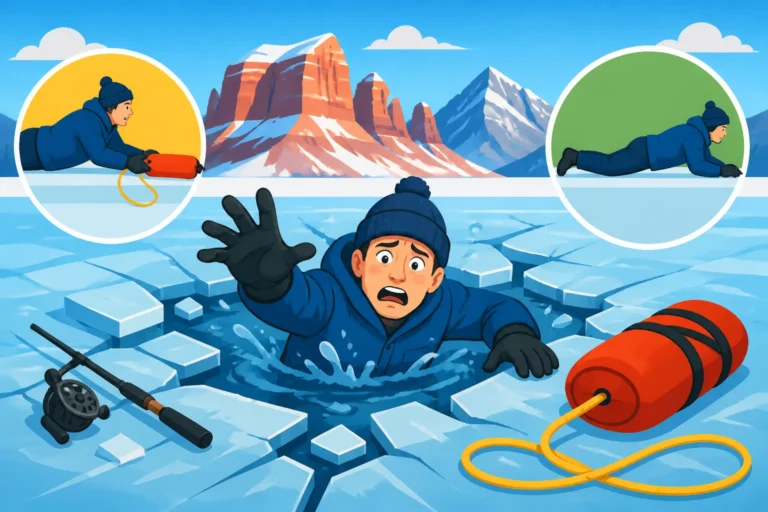
Utah ice fishing safety steps detail the one ten one rule to control breathing, perform self rescue, and survive cold water immersion.
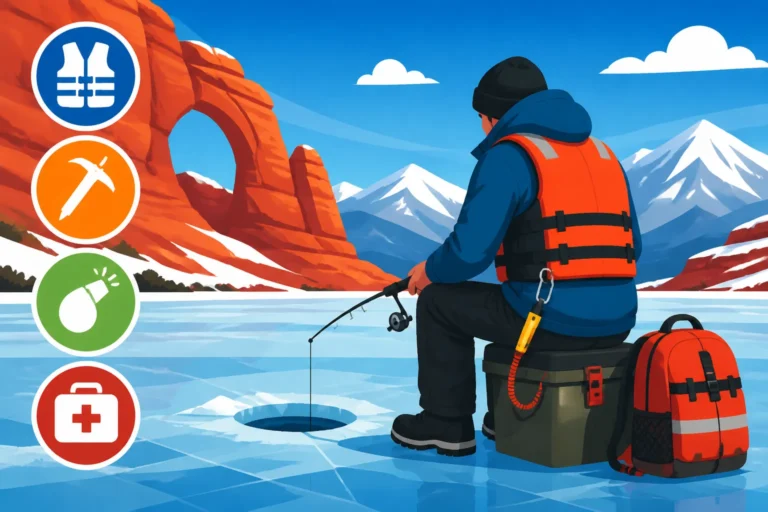
Solo ice fishing in Utah requires checking lake ice conditions, sharing travel plans, preventing hypothermia, and preparing gear.
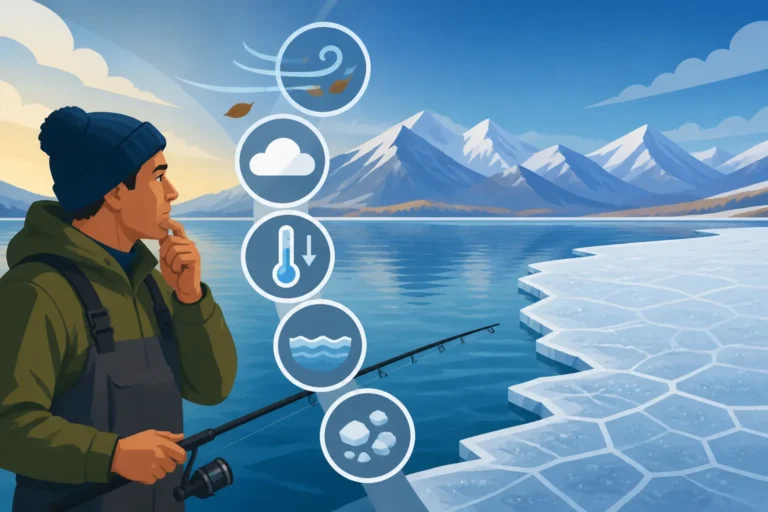
Utah lake freezing conditions, including air temperature drops, water density, and depth, determine when winter ice forms.
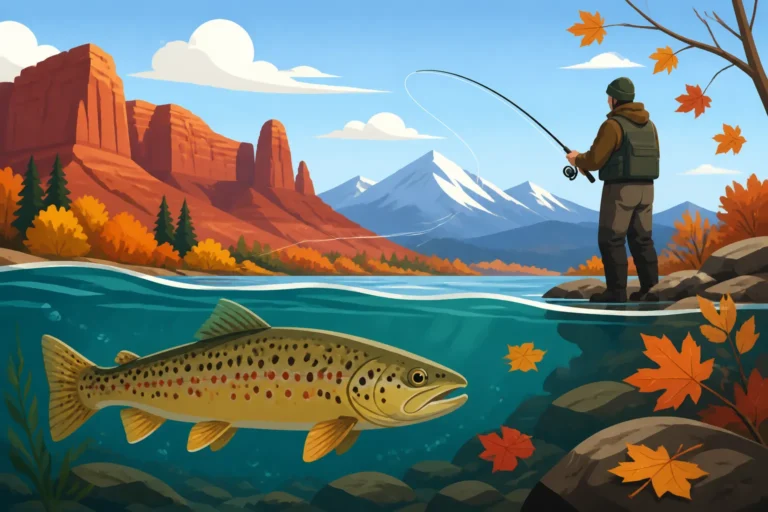
Late fall fishing strategies for Utah waters help anglers target trout, bass, and walleye before winter ice-up brings freezing temperatures.
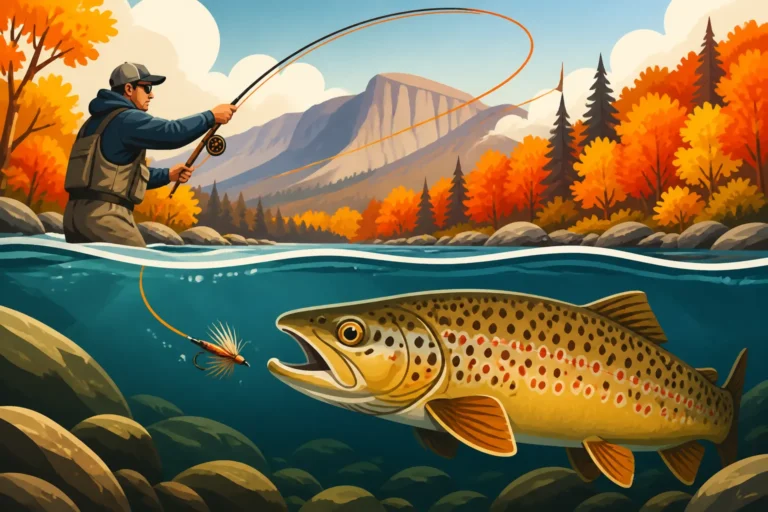
Cooling water temperatures and pre-spawn feeding frenzies explain how rainbow trout, cutthroat trout, and brown trout behave in Utah waters.
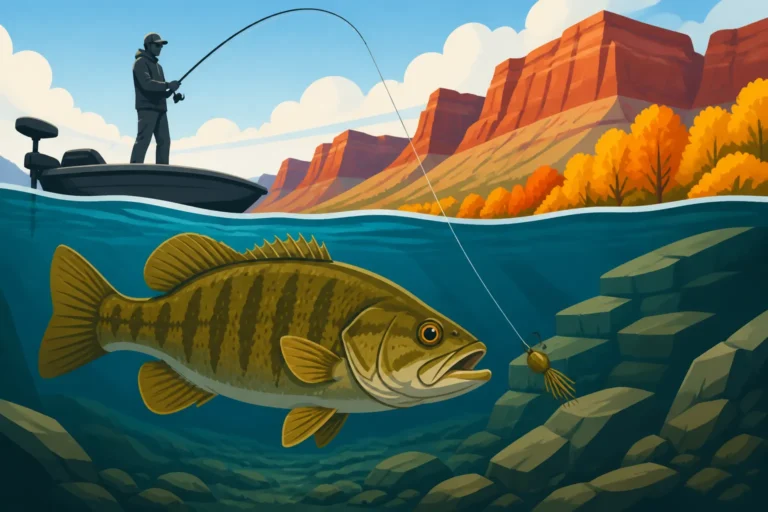
Fall smallmouth bass in Utah move to deep structure because dropping water temperatures change their behavior and metabolism.
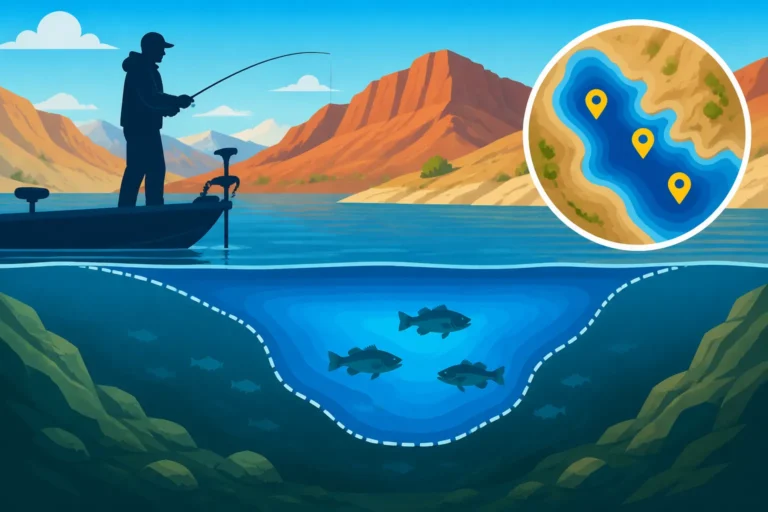
Thermal stratification in Utah reservoirs creates distinct layers of water that help anglers locate cold-water fish during summer.
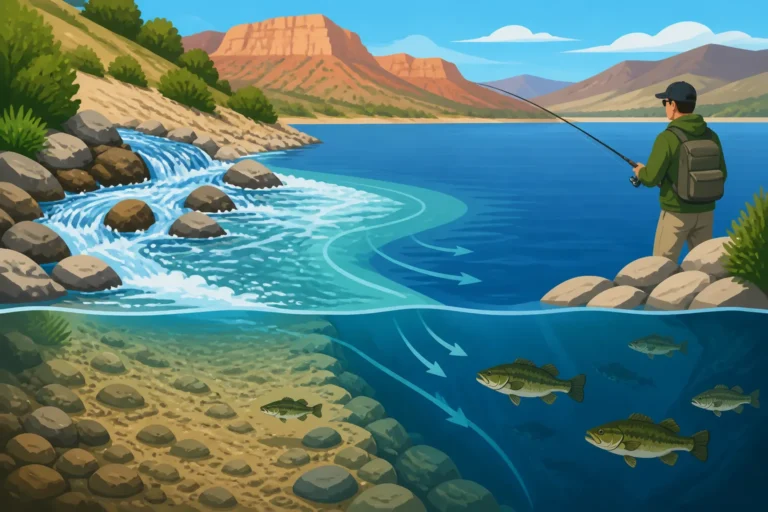
Reservoir inlet fishing in Utah offers consistent action by targeting dynamic zones where incoming streams deliver food, oxygen, and structure.
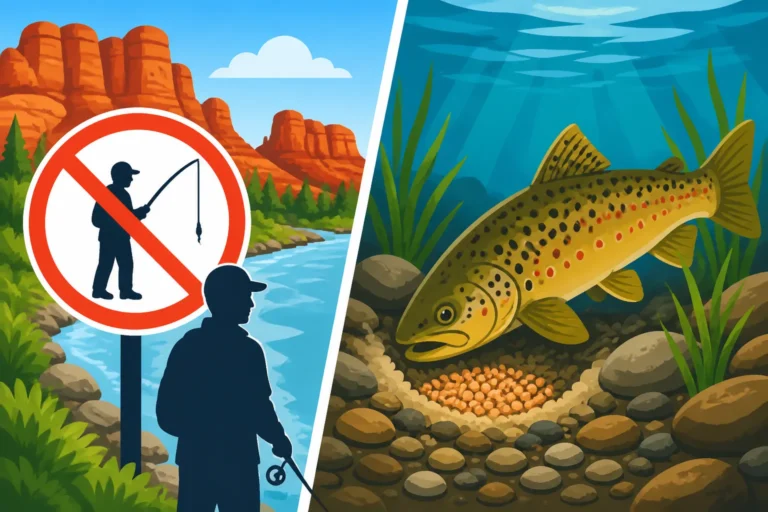
Utah trout spawning closures protect fragile gravel nests and vulnerable fish from human disturbance during reproduction.
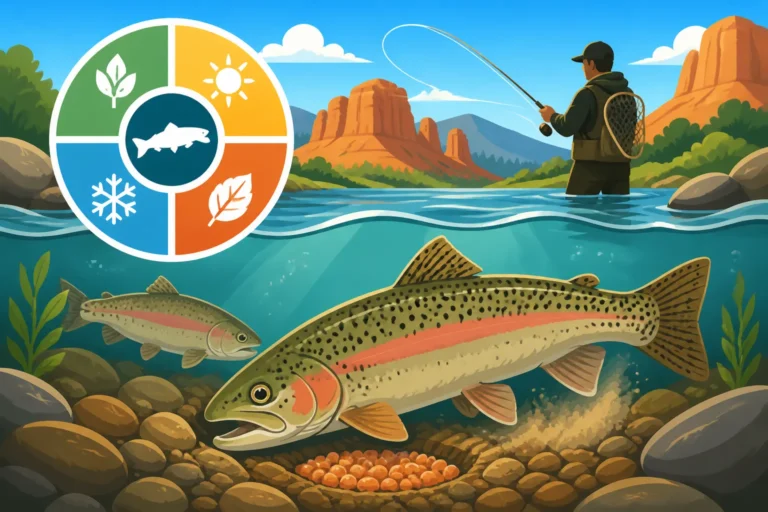
Utah trout spawning cycles, driven by water temperature and daylight, dictate fish behavior and seasonal angling success.