Why Do Some Utah Waters Close During Trout Spawning Season?
It can be incredibly frustrating to plan a perfect fishing trip, pack all your gear, and arrive at your favorite Utah waterway only to find a "CLOSED TO FISHING" sign staring back at you. We've all been there, scratching our heads and wondering why certain stretches of river or entire reservoirs are off-limits, especially when the weather seems just right. This guide is here to shed some light on this common dilemma, explaining the crucial biological reasons and conservation efforts behind why some Utah waters close during trout spawning season, and what that means for you as an angler.
The Biological Imperative: Protecting Future Generations of Trout
When you see a closure sign, it's not just to make your life harder, I promise! It's usually a critical measure to protect the very heart of Utah's trout fisheries: their ability to reproduce and create the next generation of fish. Trout, like all fish, need specific conditions to spawn successfully, and human activity can inadvertently disrupt this delicate process.
What Happens During Trout Spawning?
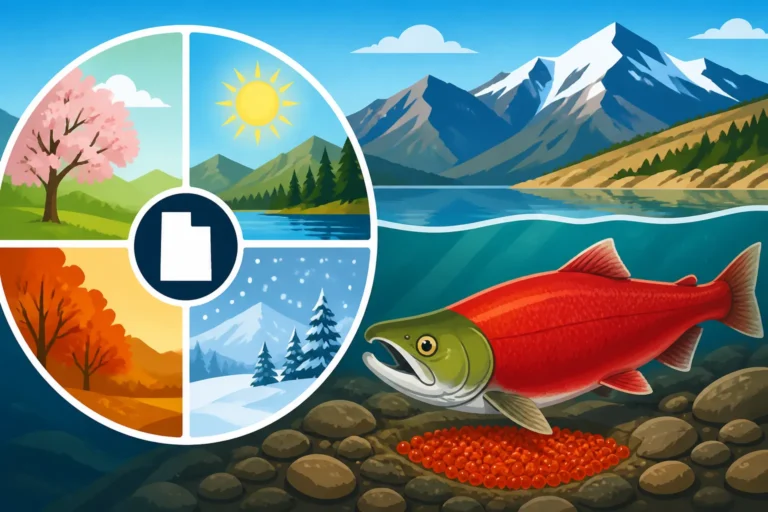
Trout spawning is a fascinating, instinct-driven process that ensures the continuation of the species. Different trout species have different spawning habits and times of year. For example, brown trout and brook trout are typically fall spawners, often laying their eggs between October and December. Rainbow trout and many cutthroat trout varieties, including our native Bonneville cutthroat, are generally spring spawners, with their activity picking up from March through May, sometimes even into early June in higher elevations.
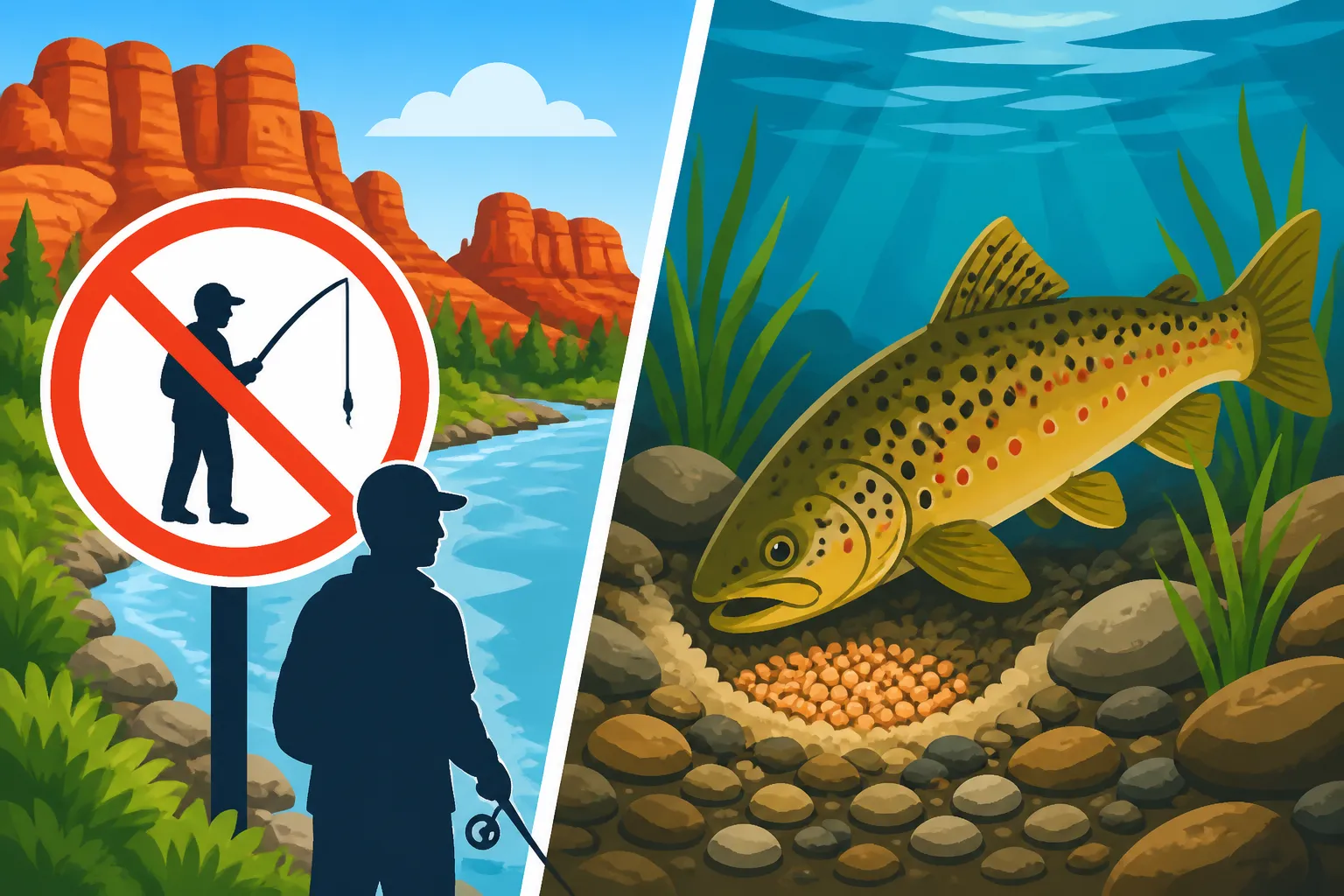
During this time, male and female trout pair up and seek out suitable spawning grounds, often shallow, gravelly areas in rivers or stream inlets where there's good water flow to oxygenate the eggs. The female digs a shallow depression called a "redd" using her tail, depositing her eggs into it. The male then fertilizes them. This process can be repeated several times, with the female covering the eggs with gravel to protect them. These eggs will incubate for weeks or months, depending on water temperature, before hatching into tiny "alevins," which then develop into fry. This whole sequence is incredibly vulnerable to disturbance.
Why Spawning Areas Are Vulnerable
Imagine trying to raise a family in a bustling shopping mall, and you start to get an idea of the stress spawning trout face. Redds, those gravel nests holding thousands of future fish, are incredibly fragile. Walking through shallow water where trout are known to spawn can crush these hidden eggs. Even wading upstream or downstream from an active redd can stir up sediment, which then settles over the eggs, suffocating them by cutting off their oxygen supply. These delicate, unhatched fish rely entirely on clean, well-oxygenated water flowing through the gravel.
Furthermore, adult fish preoccupied with spawning are highly concentrated and often less wary than usual. This makes them much easier targets for anglers. While it might seem like easy pickings, catching and disturbing these fish can interrupt their spawning cycle, cause them to abandon their redds, or even injure them at a critical time when their energy reserves are already stretched thin. The potential for a single angler to inadvertently decimate a season's worth of offspring, or prevent an adult from spawning at all, is a risk wildlife agencies simply can't take.
Different Trout, Different Seasons: Why Closures Vary
One of the reasons you'll notice that Utah Fishing Season Dates and Limits vary so much across the state is directly related to the diverse spawning patterns of our Utah Trout Species Guide. You might find a river closed in the fall for brown trout, while a high mountain lake remains open, only to close in the spring for cutthroat. This isn't arbitrary; it's a carefully calculated decision based on extensive biological data.
For instance, the famous cutthroat trout populations in waters like Strawberry Reservoir are often protected with seasonal closures in the late fall or early winter when they begin to stage for their spring spawn in tributary streams. This closure ensures that these valuable fish can migrate, pair, and reproduce without interruption. Understanding these species-specific behaviors helps the Utah Division of Wildlife Resources (DWR) implement targeted closures that maximize spawning success for each trout species, whether they're fall spawners preparing for the cold or spring spawners waiting for the thaw.
How Closures Safeguard Utah's Fishery Management Goals
The DWR doesn't close waters lightly. Every closure is part of a broader, science-based strategy designed to maintain and improve the health of Utah's fisheries for the long term. It's about looking ahead, not just at what's happening this week.
Supporting Wild and Self-Sustaining Populations
While Utah does a fantastic job stocking many waters with trout, the ultimate goal for many of our prime fishing destinations, especially our "Blue Ribbon Fisheries," is to foster wild, self-sustaining populations. These fish are often hardier, more genetically diverse, and better adapted to their specific environments. Protecting their spawning areas is the single most effective way to achieve this.
When trout can spawn naturally and successfully, it reduces the reliance on hatchery-raised fish, which can sometimes introduce genetic weaknesses or simply not thrive as well in the wild. Closures help maintain the natural balance and vigor of these wild strains, ensuring that Utah continues to boast some incredible fishing for generations to come. It’s an investment in the wildness and robustness of our fish, which ultimately leads to better fishing experiences for everyone.
Preventing Angler Interference and Illegal Activities
Let's be honest, fishing ethics sometimes take a backseat for a few individuals. During spawning, fish are concentrated, vulnerable, and often aggressive towards anything near their redds, making them easier to catch. Without closures, there would be a significant temptation for some anglers to engage in unethical practices like snagging (foul hooking) or targeting fish directly off their redds. These methods are not only unsportsmanlike but also highly detrimental to the fish population.
Closures mitigate this by removing the opportunity for such interference entirely. It prevents the intentional and unintentional harassment of spawning fish, allowing them to complete their natural cycle undisturbed. While we do have unique situations like the Utah Snagging Rules for Cisco at Bear Lake, which is a highly managed and specific event for a different species, the general rule is to give spawning trout wide berth. Protecting these fish ensures that future generations of anglers have a chance to experience the thrill of catching a healthy, vibrant trout that reproduced right here in Utah.
Balancing Conservation with Recreation
The DWR walks a tightrope, constantly trying to balance the needs of conservation with the desires of anglers. It’s a challenge to ensure healthy fish populations while also providing ample opportunities for people to get out and fish. Closures are one of the most direct tools they have to tip that balance towards conservation when it's most critical.
These decisions are not made on a whim. Biologists conduct extensive research, monitor fish populations, track spawning success, and consider habitat health. They use this data to determine the precise timing and duration of closures. It's a strategic move to ensure that a momentary inconvenience for anglers translates into a significant, long-term gain for the fish and the overall fishery. While it might feel restrictive in the moment, it’s a vital part of what makes Utah fishing so good.
Navigating Closures: What Anglers Need to Know
Understanding why closures happen is the first step. The next is knowing how to navigate them so you can still enjoy fishing while respecting the regulations.
Identifying Closed Waters and Checking Regulations
The most important thing you can do as an angler is to be informed. Ignorance of the law is never an excuse, especially when it comes to fishing regulations. Before you head out, always, always check the current Utah Fishing Regulations Explained booklet or the DWR's official website. These resources are updated annually and are your go-to source for precise closure dates, times, and specific water bodies.
Many experienced anglers even keep a waterproof copy of the regulations in their tackle box, or better yet, download the DWR's mobile app. This app is incredibly useful, offering features that allow you to check regulations, identify species, and even see stocking reports right from your phone. You can even find waterproof cases for your phone on Amazon to keep it safe while on the water. Taking a few minutes to confirm that your chosen spot is open will save you a potential fine and, more importantly, ensure you're not inadvertently harming a spawning fishery.
Ethical Angling Practices During Open Seasons Near Spawning Areas
Even if a particular water isn't officially closed, if you're fishing during a known spawning season for the species present, it's wise to practice extra caution and ethical angling. If you see signs of spawning activity – like trout actively paired up in shallow gravel or fresh redds in the streambed – consider moving to a different spot. If you do fish nearby, avoid wading directly through gravelly areas. Stay on streambanks or use existing access points to minimize disturbance.
If you happen to catch a fish that appears to be actively spawning (often showing darker colors, prominent kypes on males, or a distended belly on females), handle it with extreme care and release it as quickly and gently as possible. Wet your hands before touching the fish, avoid squeezing it, and use a good landing net to keep it in the water if possible. Knowing How to Release a Fish Without Hurting It in Utah is crucial during these times, allowing the fish the best chance to recover and complete its mission.
Alternative Fishing Opportunities
Don't let a few closures deter you from fishing entirely! Utah offers a vast array of fishing opportunities, and chances are, there's always an open water somewhere. If your favorite river is closed for the spring trout spawn, consider exploring one of the many community ponds that are regularly stocked and often open year-round. These ponds are fantastic for family outings and provide plenty of action.
Alternatively, look for waters known for different species. If trout are spawning, perhaps it's a great time to target panfish like bluegill or perch, or even warmer-water species like bass or catfish in a different reservoir. Many waters remain open and offer excellent fishing during these periods. The DWR website lists Best Fishing Spots Open Year-Round in Utah and current fishing reports that can guide you to productive waters where closures aren't an issue. Sometimes, just changing your target species or driving an hour to a different type of water can turn a frustrating situation into a fantastic fishing day.
The Long-Term Benefits of Spawning Closures
While it might feel like a temporary setback, respecting spawning closures contributes significantly to the overall health and future enjoyment of Utah's fisheries. These aren't just rules; they're investments.
Healthier Fish Populations and Trophy Opportunities
The most direct benefit of protecting spawning trout is the creation of healthier, more robust fish populations. When trout can reproduce successfully, the resulting offspring are often stronger, better adapted, and have a higher survival rate. This leads to a greater abundance of fish, which means more bites for you in the long run.
Beyond sheer numbers, strong genetic diversity from natural reproduction can also lead to larger, healthier fish. This means a better chance of catching those truly memorable, trophy-sized trout that Utah is famous for. Many of our Best Utah Lakes for Trophy Fish owe their reputation in part to strong, protected natural spawning populations. It's a virtuous cycle: protect the spawn, get more and bigger fish.
Ecosystem Health and Biodiversity
The impact of healthy trout populations extends far beyond just fishing. Trout are a vital part of the aquatic ecosystem, playing a role in the food web as both predators and prey. A thriving trout population indicates a healthy aquatic environment, with good water quality, abundant insect life, and balanced predator-prey dynamics.
Spawning closures contribute to this broader ecosystem health by protecting crucial habitat and ensuring that a key species can fulfill its natural role. It supports biodiversity, not just for the trout themselves, but for all the creatures that depend on a vibrant, functioning aquatic environment. When you abide by a closure, you're not just helping trout; you're helping the entire river or lake come alive.
Sustainable Fishing for Future Generations
Ultimately, every regulation, every closure, and every ethical angling practice boils down to one goal: ensuring sustainable fishing for our children and grandchildren. We want them to experience the same joys and thrills of Utah fishing that we do today. This means making responsible choices now, even if they occasionally mean foregoing a specific fishing spot for a short period.
Imagine introducing a first-time angler to the sport, perhaps with a basic rod and reel combo that you found on Amazon, and knowing that the fish they're catching are part of a thriving, self-sustaining population because of sound management practices and angler cooperation. That's the legacy we're building. Respecting closures is a small price to pay for the priceless gift of abundant fishing for years to come. It's a foundational part of Utah's Utah Fishing License Guide and the spirit of conservation that defines our outdoor heritage.
Here's a quick reference for common Utah trout species and their general spawning seasons:
| Trout Species | General Spawning Season | Typical Habitat for Spawning | Notes |
|---|---|---|---|
| Brown Trout | Fall (October – December) | Rivers, streams, lake inlets | Often form large redds in gravelly areas. |
| Brook Trout | Fall (September – November) | Small streams, cold springs | Smaller fish, prefer colder, clear water. |
| Rainbow Trout | Spring (March – May) | Rivers, streams, lake inlets | Widely stocked, can also reproduce naturally. |
| Cutthroat Trout | Spring (March – June) | Rivers, streams, lake inlets | Native species, spawning can extend into early summer in high elevations. |
| Lake Trout (Mackinaw) | Fall (October – December) | Deep lake shoals, rocky areas | Spawn in deeper water, less impacted by wading. |
| Tiger Trout | Fall (October – November) | Rivers, streams, lake inlets | Sterile hybrid, but mimics brown trout spawning behavior. |
| Splake | Fall (October – December) | Deep lake shoals | Sterile hybrid, but mimics lake trout spawning behavior. |
Disclaimer
This article is for general informational purposes only and does not constitute professional advice. Laws, prices and regulations vary by location and change over time. Consult a qualified professional for guidance on your specific situation.