Do Fishing Derbies in Utah Need a Special Permit?
It’s a common misconception among enthusiastic anglers and community organizers that throwing together a casual fishing get-together, especially one with a little friendly competition, is a simple affair. You might think, "It's just fishing, right?" But when you start talking about "derbies" or "tournaments" in Utah, even informal ones, you step into a realm where the Utah Division of Wildlife Resources (UDWR) has some pretty clear guidelines. This guide is here to walk you through whether your fishing derby needs a special permit and how to navigate those waters smoothly, ensuring your event is both fun and fully compliant.
Understanding Fishing Derbies and Their Role in Utah's Waters
A fishing derby, at its heart, is an organized event where people gather to fish, often with some element of competition, prizes, or shared goals. This could range from a small, local contest at a community pond to a large-scale, multi-day tournament on a major reservoir. While they're fantastic for promoting outdoor recreation, bringing communities together, and even introducing new anglers to the sport, these events can also have significant impacts on fish populations, other recreational users, and the aquatic environment if not properly managed.
What Exactly Constitutes a "Derby" in the Eyes of the UDWR?
The UDWR defines a fishing tournament or derby as an organized event involving competitive fishing, where prizes, awards, or recognition are given, or where there's an entry fee. This broad definition means that even if you're just pooling money for a "big fish" prize among friends, it could potentially fall under these regulations. The key is the organization and competitive element that differentiates it from just a group of friends going fishing. It's not about stifling fun; it's about safeguarding the resources everyone shares. Imagine dozens or even hundreds of anglers targeting a specific species in a concentrated area – without rules, that could put undue pressure on fish stocks or inadvertently spread invasive species.
Why Do Regulations Exist for Fishing Events?
The primary reason for regulating fishing derbies and tournaments is conservation. The UDWR is tasked with managing Utah's wildlife, including its fish populations, for sustained use and enjoyment. When a large number of anglers converge on a specific water body, even for a short time, it can:
- Impact Fish Populations: Increased harvest pressure, stress from handling, and potential mortality rates for catch-and-release fish can affect local stocks. The UDWR often uses derbies as an opportunity to educate participants on proper fish handling.
- Conflict with Other Users: Non-derby anglers, boaters, and other recreational users might find their experience diminished by concentrated derby activity. Permits help coordinate and manage these interactions.
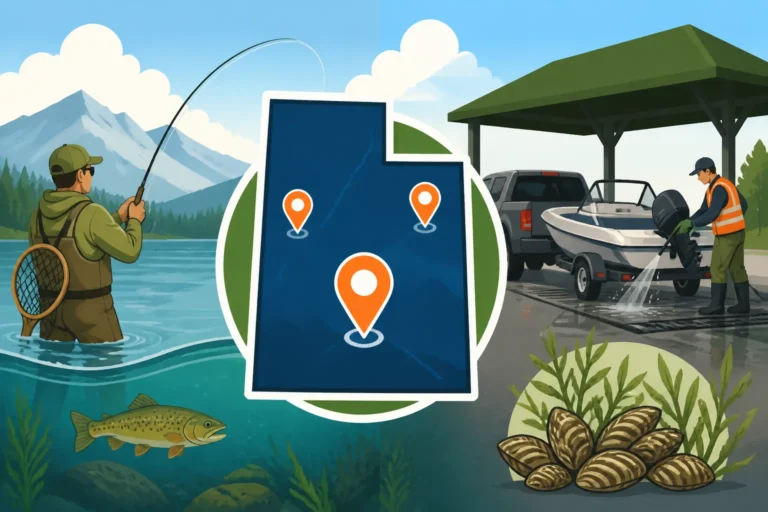
- Spread of Aquatic Invasive Species (AIS): Derbies often involve participants bringing boats and gear from various locations. Without proper checks and balances, the risk of introducing devastating species like quagga mussels or whirling disease increases dramatically. You can learn more about Utah Aquatic Invasive Species Rules for Anglers.
- Public Safety and Logistics: Large gatherings require planning for parking, access, emergency services, and waste management. A permit process ensures these aspects are considered and addressed.
It's easy to assume a small, friendly competition among friends doesn't need bureaucracy, but the regulations are designed to provide a framework that protects Utah's natural beauty and its angling opportunities for everyone.
Utah's Official Stance on Fishing Tournament Permits
So, let's get right to it: Yes, fishing derbies and tournaments in Utah generally require a special permit from the Utah Division of Wildlife Resources (UDWR). This isn't a suggestion; it's a requirement to ensure these events are conducted in a manner that's consistent with sound wildlife management principles and doesn't negatively impact the fishery or other users.
The Mandatory Permit Requirement
Any organized fishing event that has a competitive element, awards prizes, or charges an entry fee, regardless of its size, typically needs to go through the UDWR's permitting process. This applies whether you're planning a corporate team-building event, a charity fundraiser, or a large public tournament. The specific permit you'll need is often referred to as a "Fishing Tournament Permit" or "Special Use Permit" for fishing activities. This also ties into broader Utah Fishing Regulations Explained.
There are specific criteria that trigger the need for a permit, and these include:
- Monetary Prizes or Entry Fees: Any event where participants pay to enter and compete for cash, gift cards, or merchandise of significant value.
- Trophy or Award Recognition: Even if no cash is involved, if you're giving out trophies, plaques, or other forms of public recognition for catches, it generally qualifies.
- Pre-registration Requirements: Events that require anglers to sign up in advance.
- Specific Rules or Format: Events with clearly defined rules about fishing methods, boundaries, or scoring.
The UDWR's goal isn't to be overly restrictive but to ensure these events are managed responsibly. They want to work with organizers to make sure derbies are successful while protecting the integrity of the fisheries.
Distinguishing Formal Derbies from Casual Outings
It's crucial to understand the line between a formal derby and a casual fishing trip. If you and a few buddies are just heading out to Strawberry Reservoir, and you jokingly say, "whoever catches the biggest trout buys dinner," that's probably not a derby requiring a permit. There's no formal organization, no entry fee, and no official prizes beyond bragging rights or a casual wager.
However, if you put up flyers, collect a $20 entry fee from 30 people, promise a new fishing reel (which you can easily find on Amazon) to the winner, and plan a weigh-in at the boat ramp, you've crossed the line into needing a permit. The scale and intent of the event are the key differentiators. The UDWR explicitly states that all participants in a permitted event must still hold a valid Utah Fishing License Guide, unless they qualify for specific Utah Fishing License Exemptions and Discounts.
Applying for a Fishing Tournament Permit in Utah
Navigating the permit application process can seem a bit daunting at first glance, but the UDWR has a pretty straightforward system designed to help organizers ensure their event is compliant. It's all about planning ahead and providing the necessary information so they can assess the potential impacts and offer guidance.
The Application Process: Step-by-Step
Here's a general overview of the steps involved in securing a fishing tournament permit:
- Contact the UDWR Regional Office: The very first step is to contact the regional office that manages the water body where you plan to hold your derby. Utah has several regional offices (Northern, Central, Northeastern, Southeastern, Southern), and they are the best resource for specific local regulations and application forms. Don't just pick up an application; talk to someone. They can provide invaluable insight.
- Obtain the Application Form: The UDWR will provide you with the official "Fishing Tournament Permit Application" form. This form collects essential details about your event. You can often find these forms online on the UDWR website, or they can be sent to you.
- Gather Required Information: You'll need to provide comprehensive details about your planned derby, including:
- Organizer Contact Information: Who is responsible for the event.
- Event Date(s) and Time(s): Exact dates and proposed start/end times.
- Location: The specific water body and planned access points (e.g., specific boat ramps, shorelines).
- Target Species: Which fish species will be targeted during the competition.
- Expected Number of Participants/Boats: An estimate of how many people or teams will be involved.
- Rules and Format: Details on how the competition will be conducted (e.g., catch and release, live weigh-in, length limits).
- Prize Information: What kind of prizes will be awarded and their approximate value.
- Entry Fees: If applicable, the amount of the entry fee.
- Waste Management Plan: How you plan to handle trash, fish carcasses, etc.
- Aquatic Invasive Species (AIS) Plan: How you will ensure participants' boats and gear are clean, drained, and dry to prevent AIS spread. This is a critical component, especially for events on waters like Lake Powell or Flaming Gorge.
- Public Safety Considerations: Any plans for emergency response or crowd control.
- Submit the Application: Once complete, submit the application to the relevant UDWR regional office. Be sure to submit it well in advance. The UDWR recommends at least 30-60 days prior to your event, but larger or more complex events might require even more lead time.
- Review and Approval: The UDWR will review your application. They may contact you for additional information or to suggest modifications to your plans to ensure conservation goals are met. This might involve adjusting target species, implementing specific handling requirements, or even changing the dates if there's a conflict.
- Receive Your Permit: Once approved, you'll receive your official permit. It will outline any specific conditions or requirements you must adhere to during the derby. Make sure all organizers and key personnel are fully aware of these conditions.
Key Information for Your Application
To make the process smoother, having all your ducks in a row for the application is essential. Think about every aspect of your event. For instance, if your derby involves boats, you'll need to consider Utah Boating and Fishing Rules, including safety gear and registration.
Here's a quick checklist of common elements required:
| Section | Details Needed |
|---|---|
| Event Basics | Name of event, Date(s), Time(s), Location (water body, access points) |
| Organizer Info | Full Name, Address, Phone, Email, Organization Name (if applicable) |
| Participation | Estimated number of anglers/boats, type of participants (adults, youth, professional) |
| Competition Details | Target species, fishing methods allowed, scoring method (weight, length, points), catch-and-release rules |
| Prizes & Fees | Entry fee amount, description/value of prizes (e.g., gift certificates, fishing rods from Amazon) |
| Conservation Plan | Fish handling procedures, livewell requirements, AIS prevention strategy, waste disposal |
| Safety & Logistics | Emergency contact plan, first aid availability, parking plans, access control, public notification |
| Permits & Licenses | Confirmation that all participants will hold valid Utah fishing licenses |
Remember, accuracy and thoroughness in your application will significantly speed up the review process.
Common Scenarios and Exemptions
While the general rule is that derbies need permits, there are always nuances. Understanding these scenarios can help you determine if your event truly falls under the permit requirement or if you might have some flexibility.
Youth Events and Community Ponds
Sometimes, events for kids at local community ponds are organized by cities, counties, or local youth groups. These often aim to introduce children to fishing, focusing more on participation and fun than intense competition. In many cases, these types of events, especially those on dedicated urban fisheries, may have simplified permit requirements or be covered under a broader umbrella permit held by the organizing entity (e.g., a city parks department). It's always best to check with the UDWR regional office and the local municipality for specific guidelines for community ponds. They often want to encourage youth participation and may have programs to support it. For example, some ponds are stocked specifically for youth events, and during events like Utah Free Fishing Day, certain rules might be relaxed, though the need for an event permit remains.
Informal Get-Togethers vs. True Derbies
Let’s reiterate: A few friends deciding to see who catches the biggest fish for bragging rights or a shared pizza isn't what the UDWR is targeting. The distinction lies in the formality, advertising, collection of fees, and official prizes. If your "competition" is truly impromptu, unadvertised, has no formal entry fees, and no official prizes beyond a personal wager, it likely doesn't require a permit. However, if any of these elements creep in, especially public advertising or substantial prizes (like a new fishing reel or a gift card to your favorite outdoor retailer, even if bought from Amazon), you should consult the UDWR.
Events with Limited Impact
Some might argue that a small-scale event with only 10 participants won't have a significant impact. While this might be true from a pure fish population standpoint, the permit requirement still stands because it creates a consistent standard. The UDWR can't realistically assess every "small" event individually without a formal process. The permit ensures everyone is aware of critical rules, like those for Utah Daily Bag and Possession Limits, and especially the crucial Aquatic Invasive Species rules, which are vital regardless of event size.
Ensuring Compliance and Best Practices for Derby Organizers
Getting a permit is just the first step. As an organizer, your responsibility extends to ensuring the event is conducted safely, ethically, and in full compliance with all regulations. This not only protects the environment but also enhances the reputation of your derby and the sport of fishing.
Adhering to Permit Conditions
Your permit will likely come with specific conditions that you must follow. These can include:
- Fish Handling Guidelines: Requiring livewells, specific release procedures, or even mandatory harvest of invasive species like Northern Pike, as is the case in Utah Lake.
- Time and Area Restrictions: Limiting fishing to certain hours or areas to minimize disruption to other anglers or sensitive habitats.
- Reporting Requirements: You might be required to submit a post-event report detailing the number of participants, fish caught, and any issues encountered. This data is valuable for UDWR management.
- AIS Protocols: Strict adherence to clean, drain, and dry principles for all boats and gear, and potentially requiring participants to pass through an inspection station if applicable to the water body.
It's critical that all event staff and participants are aware of these conditions. Consider a pre-event briefing or distributing a handout with key rules.
Promoting Ethical Angling and Conservation
Derbies are a fantastic opportunity to model and promote responsible angling. Encourage catch-and-release practices for sensitive species, educate participants on proper fish handling to minimize stress, and stress the importance of not littering. Providing easy access to trash receptacles and reminding anglers to pack out what they pack in goes a long way. This also aligns with the spirit of the UDWR's conservation efforts.
Consider incorporating educational elements into your derby. Perhaps a segment on identifying Utah Trout Species, or a demonstration on how to properly release a fish. You can even partner with local conservation groups or the UDWR itself to provide these educational components.
Contingency Planning for the Unexpected
Even the best-planned events can encounter unforeseen circumstances. What if weather turns bad? What if there's a medical emergency? As an organizer, having a contingency plan is crucial.
- Emergency Contacts: Have a list of local emergency services, UDWR contacts, and key staff members readily available.
- Weather Plan: Know when to call off or delay an event due to severe weather.
- First Aid: Ensure basic first-aid supplies are on hand, and ideally, someone trained in first aid is present. You can find essential first-aid kits on Amazon that are great for any outdoor event.
- Communication: Have a plan for communicating with participants before and during the event, especially if plans change.
By proactively addressing these potential issues, you can ensure your fishing derby is not only permitted but also safe, enjoyable, and a positive experience for everyone involved and for Utah's cherished aquatic environments. If you're looking to plan even larger events or need guidance on specific regulations, exploring topics like Utah Fishing Guide License Requirements might provide additional context, especially if you consider professional assistance.
Disclaimer
Please note that while this guide provides comprehensive information, fishing regulations in Utah can change. It is always the responsibility of the individual angler and event organizer to consult the most current Utah Fishing Guidebook and communicate directly with the Utah Division of Wildlife Resources (UDWR) for the most up-to-date and specific requirements regarding fishing derbies and tournaments. This content is for informational purposes only and should not be considered legal advice.