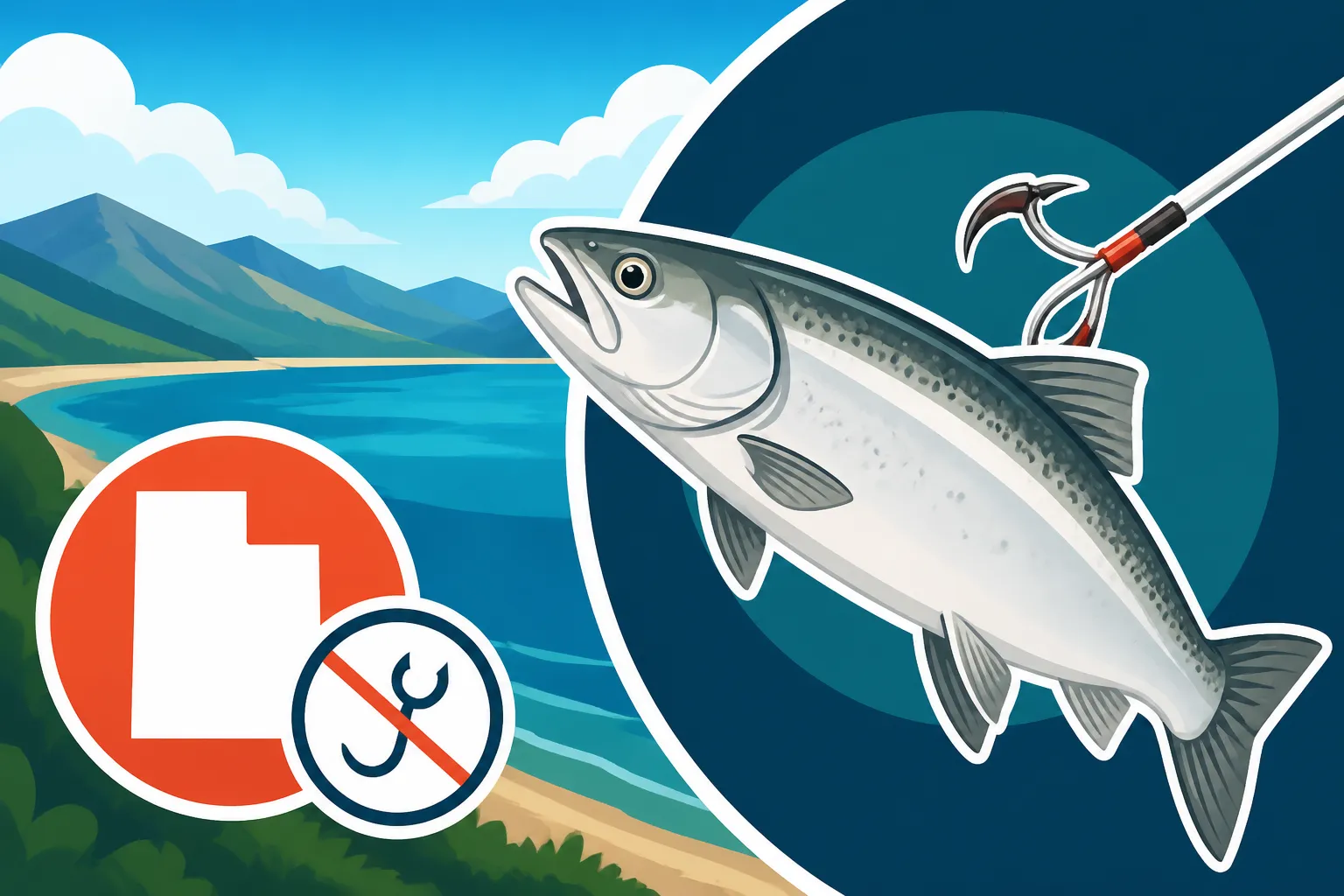
Utah Snagging Rules for Cisco at Bear Lake
If you've ever found yourself wondering about the specific rules for fishing in Utah, especially when it comes to unique situations like snagging for cisco at Bear Lake, you're definitely not alone. It can feel like navigating a maze of regulations, and the last thing any of us wants is to accidentally break a rule while trying to enjoy a peaceful day on the water. This guide is here to untangle the complexities of Utah's snagging rules for cisco at Bear Lake, offering clear, detailed answers and practical advice so you can fish confidently and legally.
Understanding Cisco Snagging Regulations at Bear Lake
Bear Lake, often called the "Caribbean of the Rockies" for its vibrant turquoise waters, holds a special place in the hearts of many Utah and Idaho anglers. But its most unique draw for a brief, intense period each winter is the Bonneville cisco run. This small, silvery fish is found nowhere else on Earth, and its annual spawning migration attracts thousands of people. However, the unique nature of this fishery also comes with very specific, and sometimes misunderstood, regulations, particularly concerning how you're allowed to catch them.
The Utah Division of Wildlife Resources (DWR) has very precise rules in place to manage this distinct event, aiming to allow harvest while protecting the cisco population and ensuring fair chase principles for other species. The term "snagging" itself often carries a negative connotation in fishing, generally referring to foul-hooking fish rather than enticing them to bite. However, for the Bonneville cisco at Bear Lake, during a very limited window, a specific method of "snagging" is not only permitted but is the primary way people harvest these fish.
The Specifics of Legal Cisco Snagging
It's crucial to understand that "snagging" for cisco at Bear Lake is a highly regulated activity. It's not a free-for-all, and it's certainly not legal for any other species in Utah. The DWR explicitly defines when and how this can be done. Typically, the cisco run occurs during a short window in January, usually lasting about 10-14 days, though the exact dates can shift slightly based on ice conditions and water temperatures. When the fish move into the shallower, accessible areas to spawn, they become incredibly concentrated, making this unique snagging method effective.
During this designated period, anglers are allowed to use specialized cisco jigs, often weighted and brightly colored, to essentially "snag" the fish. This isn't about casting and reeling in a fish that bit your hook; it's about vertically jigging a heavy lure through dense schools of fish, hoping to hook them anywhere on their body. The key here is the timing and location. This activity is strictly confined to the designated cisco areas of Bear Lake, primarily along the eastern shore near the Utah-Idaho state line, often accessible from places like Cisco Beach or Rainbow Cove at Bear Lake. If you're wondering about the exact periods, our guide on when the Bonneville Cisco Only Spawn for About Ten Days a Year can offer more insight.
It’s also important to note the daily bag and possession limits. These are strictly enforced to prevent overharvest. For cisco at Bear Lake, the daily limit can be quite generous compared to other species, sometimes as high as 30 fish. However, this is always subject to change, so always double-check the current Utah Fishing Regulations Explained before heading out. Anglers flock to these areas, often setting up portable shelters on the ice or fishing from shore during milder conditions. Many bring along buckets to hold their catch, and perhaps a comfortable chair purchased from a reliable online retailer like Amazon to weather the chilly conditions.
Gear and Methods for the Cisco Run
While it’s called snagging, the method used for cisco is still a targeted approach requiring specific gear. Anglers typically use short, stout ice fishing rods with strong line, often monofilament or braided line around 8-10 pound test. The lures are generally heavy, lead-headed jigs, sometimes adorned with small pieces of colored plastic or feathers, designed to sink quickly and create a "snagging" motion when vigorously jigged. These specialized jigs are readily available at local tackle shops around Bear Lake or from online vendors.
The technique involves dropping the jig to the desired depth, often near the bottom where cisco congregate, and then lifting and dropping the rod aggressively. This motion causes the jig to sweep through the water column, increasing the chances of foul-hooking a fish in the dense schools. It's an active, often fast-paced style of fishing, quite different from traditional bait fishing or fly fishing. Because the action can be so quick, many anglers prepare multiple rods or have extra jigs ready. You can find robust, cold-weather appropriate fishing gloves on Amazon, which can be a real hand-saver during this icy endeavor.
Why Snagging for Cisco is Allowed
The idea of "snagging" fish can be controversial, as it deviates from the widely accepted "fair chase" ethic in fishing. However, for the Bonneville cisco at Bear Lake, there are very specific biological and historical reasons why this method is not only permitted but actively managed by the DWR. This isn't an arbitrary rule; it's a carefully considered exception.
Unique Biology of the Bonneville Cisco
The Bonneville cisco are a unique species, a relic of ancient Lake Bonneville, and are found exclusively in Bear Lake. They are a schooling fish that spend most of their lives in the deep, cold waters of the lake. However, during their spawning run, they move into the shallow margins of the lake, particularly along the eastern shore. When they do this, they concentrate in incredibly dense schools.
Unlike many other fish species that actively feed during their spawn, cisco during the spawn become less interested in traditional baits or lures presented to mimic food. Their primary drive is reproduction. Because of this behavior, trying to catch them with conventional hook-and-line methods (where they bite the hook) becomes extremely difficult, if not impossible, given their non-feeding state. The permitted snagging method capitalizes on their schooling behavior and density during this critical, short window. Without this specific allowance, harvesting cisco would be nearly impossible, essentially making them an unfishable species during their most accessible period. Our article on what the Bonneville Cisco Is details more about this fascinating fish.
Historical Precedent and Management
The practice of "snagging" for cisco at Bear Lake has a long history, predating modern wildlife management practices. Local communities have traditionally harvested cisco this way for generations, often using them as food or bait for other species. When the DWR established formal regulations, they recognized this unique tradition and the biological realities of the cisco spawn.
Instead of banning the practice outright, which would essentially close a culturally significant and biologically unique fishery, they chose to regulate it. This careful management ensures that the harvest remains sustainable while still allowing anglers to participate in this extraordinary event. It's a pragmatic approach to managing a very specific resource. The regulations are annually reviewed and updated, taking into account population assessments and angler feedback to ensure the long-term health of the cisco fishery. This balance between tradition, biology, and conservation is a hallmark of the Utah Fishing Regulations Explained.
Distinguishing Legal Cisco Snagging from Foul Hooking Other Species
It's vital to draw a clear distinction between the permitted "snagging" for cisco at Bear Lake and illegal "foul hooking" or "snagging" of other fish species. This distinction is paramount for any angler to understand, as violating these rules can lead to serious consequences.
Foul Hooking and Its Illegality
For virtually all other fish species in Utah, intentionally snagging or foul hooking a fish is strictly prohibited. "Foul hooking" generally refers to intentionally hooking a fish anywhere other than in the mouth. The principle of "fair chase" dictates that fish should be caught by enticing them to bite a bait or lure. This is the foundation of ethical angling. If you're targeting trout, bass, or walleye, and you accidentally foul hook one, the ethical and legal requirement is generally to release it immediately and unharmed. If you're curious about how to release a fish without hurting it in Utah, we have a guide for that too.
The DWR's regulations are very clear on this. The only exception, as we've discussed, is the specific allowance for Bonneville cisco during their designated spawning run at Bear Lake. Any attempt to snag other species, or to snag cisco outside of the approved season and methods, is a serious violation. This includes trying to snag trout or kokanee salmon, even if they are schooling, as these species are managed under conventional fishing rules. This is why the question of whether foul hooking is legal during the Bear Lake Cisco Run is so important—it's legal for cisco, but only for cisco, and only during the limited season.
Ethical Angling Beyond the Cisco Run
When you're not participating in the unique cisco run, all other fishing in Utah adheres to standard fair chase principles. This means using appropriate tackle, baits, or lures designed to be taken by the fish in its mouth. Whether you're fly fishing the Provo River for brown trout, trolling for Lake Trout (Mackinaw) at Flaming Gorge, or casting for smallmouth bass, your objective should always be to entice a bite.
If you're unsure about specific gear or techniques, local tackle shops like Sportsman's Warehouse or Cabela's are excellent resources. They can guide you on everything from the right Best Fishing Rods for Utah Anglers to the appropriate baits. You can also find a vast array of fishing equipment, from Best Tackle Boxes for Utah Anglers to specialized lures, on Amazon. It's always best to be prepared and knowledgeable about the regulations for the specific species and waterbody you're fishing.
Consequences of Illegal Snagging in Utah
Understanding the rules for snagging cisco at Bear Lake isn't just about following the law; it's also about avoiding severe penalties that come with illegal fishing practices. Utah takes its wildlife management seriously, and violations can quickly turn an enjoyable outing into a costly and regrettable experience.
Fines and Penalties
If you are caught intentionally snagging fish illegally—meaning targeting any species other than cisco at Bear Lake during the permitted season, or targeting cisco outside of that season—you could face significant fines. These aren't just minor tickets; they can range from hundreds to thousands of dollars, depending on the severity of the offense, the species involved, and whether it's a repeat offense. For example, some violations are considered Class B misdemeanors, which carry potential jail time in addition to hefty monetary penalties.
Beyond the immediate financial hit, there can be additional costs. You might be required to pay restitution for the value of the illegally taken fish, especially if it's a species with high management value or if trophy fish are involved. This can add substantially to the overall penalty. Our resource on Utah Fishing License Penalties for Violations provides more detailed information on the legal ramifications.
License Revocation and Future Impact
One of the most impactful consequences of illegal snagging, or any serious fishing violation, is the potential for your fishing license to be revoked. This isn't just a temporary suspension; it can mean losing your privilege to fish in Utah for an extended period, sometimes for several years. This revocation can also extend to hunting licenses or other wildlife-related permits.
Furthermore, a conviction for a wildlife violation in Utah can have interstate implications. Many states are part of a compact that shares information on license revocations. This means that if your license is suspended in Utah, you might also find yourself unable to purchase a fishing license in neighboring states like Idaho, Wyoming, or Arizona. This severely limits your ability to enjoy the sport you love. It's a harsh reminder that abiding by the rules, especially those surrounding unique situations like the cisco run at Bear Lake, is not just a suggestion but a critical responsibility for every angler. Always carry your valid Utah Fishing License Guide and be prepared to show it to any conservation officer.
| Violation Type (Examples) | Potential Penalty Range (Approx.) | License Impact | Other Consequences |
|---|---|---|---|
| Illegal Snagging (Non-Cisco) | $680 – $2,500+ | Revocation (1-5+ years) | Restitution, equipment confiscation, interstate denial |
| Fishing Without a License | $680 – $1,500 | Possible revocation (1 year) | Restitution |
| Over Bag Limit | $680 – $2,500+ per fish | Revocation (1-3+ years) | Restitution, equipment confiscation |
| Fishing in Closed Waters | $680 – $1,500 | Possible revocation | Restitution |
| Failure to Decontaminate Boat | $250 – $1,000+ | N/A | Mandatory decontamination fees, impoundment |
Note: Penalties are approximate and can vary based on specific circumstances, repeat offenses, and court decisions. Always consult official DWR regulations for the most current information.
Be Informed, Be Responsible
The rules surrounding the Bonneville cisco run at Bear Lake are a prime example of how specific and nuanced fishing regulations can be. While the unique biology of the cisco permits a form of "snagging" that would be illegal for almost any other fish, it's a privilege that comes with strict limitations. Understanding these rules, respecting the fishery, and practicing ethical angling are cornerstones of responsible recreation. Whether you're out for the cisco run or targeting other species, always make sure you're up-to-date on the current Utah Fishing Regulations Explained and possess the correct Utah Fishing License Cost for Ages 18 to 64 or the appropriate license for your age and residency.
It's a beautiful thing to participate in traditions like the cisco run, and by staying informed, we can ensure these unique experiences remain available for generations to come.
Disclaimer
The information provided in this guide is intended for general informational purposes only and does not constitute legal advice. Fishing regulations in Utah are subject to change by the Utah Division of Wildlife Resources (DWR). It is the responsibility of every angler to consult the most current official Utah Fishing Guidebook and DWR proclamations before engaging in any fishing activity. Always adhere to all local, state, and federal laws and regulations.