Do You Need a Fishing License at Zion National Park?
It's a common misconception that fishing within the boundaries of a national park operates under a completely different set of rules, often leading anglers to wonder if they even need a state-issued license. Many folks mistakenly think federal land means federal regulations override everything, but when it comes to fishing at places like Zion National Park, that's simply not the case. This guide will clarify exactly what you need to know to legally and responsibly cast a line in Zion's stunning waters, ensuring your trip is as stress-free as it is picturesque.
Navigating the Waters: Do You Need a Fishing License at Zion National Park?
Let's cut right to the chase because this is the most frequently asked question: Yes, you absolutely need a valid Utah fishing license to fish anywhere within Zion National Park. The park's majestic red rock canyons and pristine streams are indeed federal land, but when it comes to wildlife management, including fish, state laws and regulations typically govern fishing activities. The National Park Service works in cooperation with the Utah Division of Wildlife Resources (DWR) to ensure that fishing in Zion aligns with broader conservation efforts across the state.
Imagine planning a dream trip to Zion, hiking through breathtaking Narrows, and then deciding to try your luck in the Virgin River. You wouldn't want to get caught without the proper paperwork, right? It's not just about avoiding a fine; it's about contributing to the conservation efforts that keep Utah's fisheries healthy and vibrant for everyone. Whether you're a seasoned angler from out of state or a local Utahn, that little piece of paper (or digital license on your phone) is your golden ticket. Ignoring this requirement can lead to fines and even confiscation of your gear, which nobody wants when they're trying to enjoy the beauty of Zion.
The requirement applies to almost everyone. There are very few exceptions, such as Utah's annual Utah Free Fishing Day (which only happens once a year), or specific age exemptions for very young children. Generally, if you're 12 years old or older, you need a license. This ensures that everyone who benefits from the state's natural resources is also contributing to their upkeep and management. Think of your license fee as an investment in the future of Utah fishing.
Why a State License for a National Park?
This might seem a bit confusing at first glance, but it makes a lot of sense when you understand how resource management works. While the National Park Service manages the land within Zion National Park, the fish and other wildlife often move freely across park boundaries and into state-managed waters. The Utah Division of Wildlife Resources has the expertise and resources to conduct fish surveys, manage stocking programs (where applicable), enforce limits, and protect threatened and endangered species throughout the entire state, including those populations that reside within federal lands.
This cooperative approach ensures consistency in regulations, making it easier for anglers to understand and follow the rules, regardless of whether they're fishing in a state park, a national forest, or a national park like Zion. Without a uniform licensing system, it would be a tangled mess of overlapping or conflicting regulations, which would benefit no one – especially not the fish! So, while you're standing in the shadow of those incredible canyon walls, remember you're part of a larger system designed to protect these precious natural assets. It’s the same principle as needing a Utah driver's license to drive on a federal highway that runs through the park; the federal land doesn't nullify the state's jurisdiction over certain activities.
Securing Your Permit: How to Get a Utah Fishing License
Now that we've established the necessity, let's talk about how easy it is to obtain your Utah fishing license. Gone are the days of strictly standing in line at a single government office. Utah has made the process incredibly convenient, offering several avenues to get your license quickly, so you can spend less time on paperwork and more time enjoying the fishing opportunities at Zion.
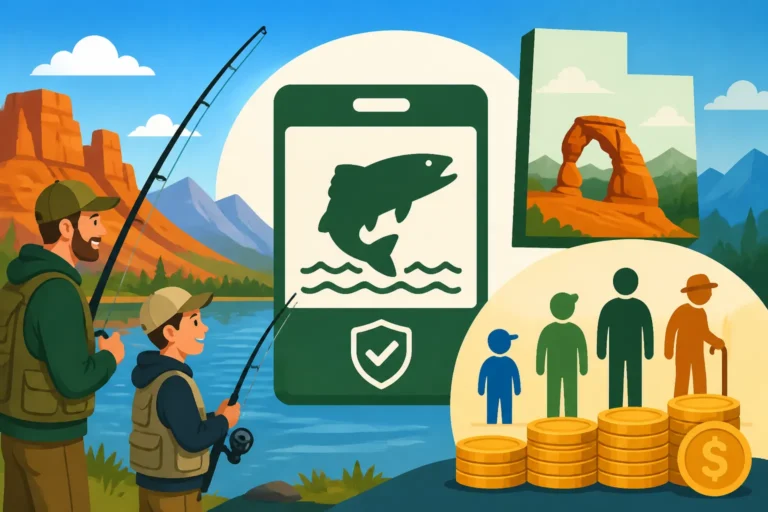
Most anglers opt for an annual license, which is valid for 365 days from the date of purchase. This is often the most cost-effective option if you plan to fish more than a few times a year. However, if your visit to Zion is a one-off fishing excursion, or you're just passing through, Utah also offers shorter-term options like a 3-day or 7-day fishing license. These are perfect for vacations or quick weekend getaways. Understanding the various Utah Fishing License Costs by Age and Residency can help you pick the best option for your specific trip.
Online and In-Person Purchase Options
The easiest and quickest way to get your Utah fishing license is often online. You can simply visit the Utah Division of Wildlife Resources website, navigate to their licensing portal, and complete the purchase in a matter of minutes. This is fantastic because you can do it from anywhere, even the night before you plan to fish in Zion. Once purchased, you'll receive a digital copy that you can store on your phone, making it super convenient. No more worrying about losing a paper license! If you're wondering about the specifics, our guide on the Utah Fishing License Online Purchase Process walks you through it step-by-step.
For those who prefer a more traditional route or need to pick up some last-minute bait and tackle, you can also purchase a Utah fishing license in person. Authorized license agents include many sporting goods stores, some convenience stores, and DWR offices located throughout the state. Places like local sporting goods shops are often invaluable resources, not just for licenses but also for local fishing advice, bait recommendations, and the latest conditions in areas like Zion National Park. Just make sure you bring a valid ID and proof of residency if you're claiming resident status.
| License Type | Resident Adult (18-64) | Non-Resident Adult (18+) | Youth (12-17) | Senior (65+) |
|---|---|---|---|---|
| Annual | ~$34 | ~$90 | ~$16 | ~$25 |
| 3-Day | N/A | ~$35 | N/A | N/A |
| 7-Day | N/A | ~$50 | N/A | N/A |
Note: Prices are approximate and subject to change. Always check the official Utah DWR website for the most current pricing. Youth under 12 do not require a license.
Age Requirements and Special Considerations
As mentioned, kids under the age of 12 do not need a fishing license in Utah. This is a fantastic way to introduce the next generation to the joys of angling without any bureaucratic hurdles. However, any angler 12 years of age or older must possess a valid license. This includes teenagers and seniors. For those between 12 and 17, there's a special Utah Youth Fishing License Rules which often comes at a reduced cost, encouraging younger anglers to participate responsibly.
Utah also offers various discounts and exemptions for specific groups, such as military personnel, disabled veterans, and individuals with disabilities. For instance, there are specific provisions for a Utah Disabled Veteran Fishing License which significantly reduces costs or even grants free licenses. It's always a good idea to check the official DWR website or contact them directly if you think you might qualify for one of these special licenses. Having all your paperwork in order before you head out is crucial, especially when fishing in popular and protected areas like Zion.
Zion's Unique Aquatic Ecosystem: Regulations and Species
Fishing within Zion National Park isn't just about catching fish; it's about connecting with a unique and delicate ecosystem. The primary waters for fishing in Zion are the Virgin River and its tributaries. These aren't vast reservoirs but rather intimate, clear streams carving their way through stunning canyon country. While these waters are beautiful, they also host a mix of native and non-native fish, and understanding the specific regulations is paramount to being a responsible angler. Our broader Utah Fishing Regulations Explained guide is an excellent resource, but let's dive into Zion's specific nuances.
The Virgin River is home to several native species, some of which are protected. Species like the Virgin River Chub, Speckled Dace, and Woundfin are often present, and it's absolutely critical to be able to identify them and release them unharmed if caught. These fish are vital to the river's health and biodiversity, and their protection is a high priority for both the National Park Service and the Utah DWR. Accidental catches can happen, but being prepared to handle and release these species carefully is part of responsible angling in Zion.
Beyond the native species, you'll generally find brown trout and rainbow trout in the fishable sections of the Virgin River within Zion. Brown trout are often wild, reproducing naturally in the river, and can offer a challenging catch. Rainbow trout are often stocked in various Utah waters, including some rivers, to enhance fishing opportunities. If you're specifically targeting trout, our comprehensive Utah Trout Species Guide can help you differentiate between them and understand their habitats.
Specific Rules for the Virgin River and Tributaries
The Utah DWR publishes a detailed fishing proclamation each year, which includes specific rules for individual water bodies. For the Virgin River and its tributaries within Zion National Park, there are often special catch-and-release regulations or specific bait restrictions to protect the ecosystem. For example, some stretches might be designated as artificial lures and flies only, or even catch-and-release only for certain species. It's not uncommon for park regulations to prohibit the use of live bait, as it can introduce non-native species or diseases into sensitive aquatic environments.
Always consult the most current Utah Fishing Guidebook before heading to Zion. You can usually pick up a physical copy at any DWR office or license agent, or download the digital version from their website. This guide will provide the precise daily bag and possession limits, any length restrictions, and specific gear or bait prohibitions for the Virgin River. Disregarding these rules, even unintentionally, can have serious consequences and harm the very environment you're there to enjoy. For example, certain sections might have a "limit of 4 trout, only 1 over 18 inches" while other sections might be strictly catch and release. This nuance is critical.
What to Expect When Fishing in Zion
Fishing in Zion is primarily a wade-fishing experience, often with fly fishing or light spin tackle. The Virgin River is relatively small and can be quite clear, especially outside of runoff periods. This means stealth and presentation are key. You'll likely encounter other park visitors enjoying hiking, photography, or simply soaking in the scenery, so being courteous and mindful of your surroundings is important. This isn't a place for loud motors or high-impact fishing, but rather a tranquil experience that complements the park's natural beauty.
Because of the river's clear nature and the potential for protected species, barbless hooks are often recommended or even required in some areas within national parks. Barbless hooks minimize injury to fish, making catch and release much more effective and less stressful for the fish. Even if not explicitly required, using barbless hooks is a great practice in any sensitive fishery. Ensure you have the right gear, which can easily be found on platforms like Amazon, from small tackle boxes suitable for wade-fishing to appropriate waders and lightweight rods. Many anglers prefer a shorter, lighter fly rod, perhaps a 3- or 4-weight, to navigate the brushy banks and cast precisely into small pockets.
Responsible Angling: Protecting Zion's Natural Beauty
Fishing in a national park like Zion comes with a heightened sense of responsibility. You're not just enjoying a day on the water; you're interacting with a globally significant natural treasure. Adhering to all regulations, practicing ethical angling, and embracing the "Leave No Trace" principles are essential to ensure these incredible resources remain pristine for generations to come.
One of the most important aspects of responsible angling, especially in a sensitive area like Zion, is understanding and practicing proper catch and release techniques. If you're targeting trout, and especially if you accidentally hook a protected native species, knowing how to quickly and gently release them is crucial. This means minimizing their time out of the water, handling them with wet hands to protect their slime coat, and avoiding touching their gills. A good pair of hemostats or long-nose pliers, which you can find readily on Amazon, can make hook removal much easier and less traumatic for the fish.
Leave No Trace Principles
The seven principles of Leave No Trace are a cornerstone of responsible outdoor recreation, and they apply perfectly to fishing in Zion:
- Plan Ahead and Prepare: This includes getting your Utah Fishing License Guide in order, researching the specific regulations for Zion, and packing appropriate gear. Knowing the weather forecast and potential river conditions is also key.
- Travel and Camp on Durable Surfaces: While fishing, stick to established trails and access points. Avoid trampling vegetation along the riverbanks, as this can lead to erosion and habitat degradation.
- Dispose of Waste Properly: Pack out everything you pack in. This means no discarded fishing line, bait containers, snack wrappers, or anything else. Even biodegradable items should be packed out.
- Leave What You Find: Resist the urge to collect rocks, plants, or other natural objects. The beauty of Zion is in its untouched state.
- Minimize Campfire Impacts: While campfires aren't typically associated with day-fishing trips in Zion, if you're camping in the park, be aware of fire restrictions and use established fire rings.
- Respect Wildlife: Observe wildlife from a distance and never feed them. Your fishing activity should not disturb their natural behaviors.
- Be Considerate of Other Visitors: Zion is a popular park. Share the trails and river access, keep noise levels down, and allow others to enjoy their experience undisturbed.
Aquatic Invasive Species (AIS) Prevention
Although large boats aren't typically used for fishing in Zion's rivers, the general principles of Aquatic Invasive Species (AIS) prevention still apply, especially if you've recently fished other waters. Invasive species like quagga mussels and viral hemorrhagic septicemia (VHS) can devastate native fish populations and alter ecosystems. The golden rule in Utah for any watercraft (even waders and boots!) is "Clean, Drain, Dry."
- Clean: Remove all visible mud, plants, fish, and foreign objects from your waders, boots, fishing gear, and any small watercraft (like a float tube if you bring one).
- Drain: Completely drain all water from gear before leaving the launch area.
- Dry: Allow all equipment to thoroughly dry for an extended period before using it in another water body. If you’re coming from a high-risk water like Lake Powell, the DWR has specific Utah Quagga Mussel Decontamination Rules that might even require professional decontamination for boats, but for waders and boots, drying in the sun is often sufficient. Always check the latest DWR guidelines.
By following these practices, you play a vital role in protecting Zion National Park's delicate aquatic environments and ensuring that its fishing opportunities remain healthy and accessible for future generations of anglers. So, grab your Utah fishing license, pack your gear (maybe a compact kit from Amazon), and get ready to experience the unique blend of breathtaking scenery and peaceful angling that Zion offers.
Disclaimer
The information provided in this guide is for general informational purposes only and is not legal advice. Fishing regulations, license requirements, and fees are subject to change by the Utah Division of Wildlife Resources and the National Park Service. Always consult the most current official Utah Fishing Guidebook and Zion National Park regulations before planning your fishing trip to ensure compliance with all laws.