Utah Ice Fishing Season Dates
There's nothing quite like the thrill of ice fishing, but waiting for that perfect, safe ice to form can be a real test of patience, especially when you're trying to plan your winter angling adventures. The frustration of not having fixed, statewide dates for the Utah ice fishing season is something every angler here understands, making it tough to know when and where to safely drop a line. This comprehensive guide will help clear up the mystery, detailing the typical timelines, regional variations, and crucial factors that influence when you can hit the hard water across the Beehive State.
Understanding Utah's Ice Fishing Season Dates
Unlike some other fishing seasons that adhere to strict calendar dates, Utah's ice fishing season is a dynamic beast, entirely dependent on Mother Nature's whims. This can be a bit maddening when you're itching to get out there, but it’s also what makes ice fishing such a unique and rewarding challenge. You can't just pick a date; you have to watch the weather, listen to local reports, and always, always prioritize safety.
The General Window for Ice Fishing
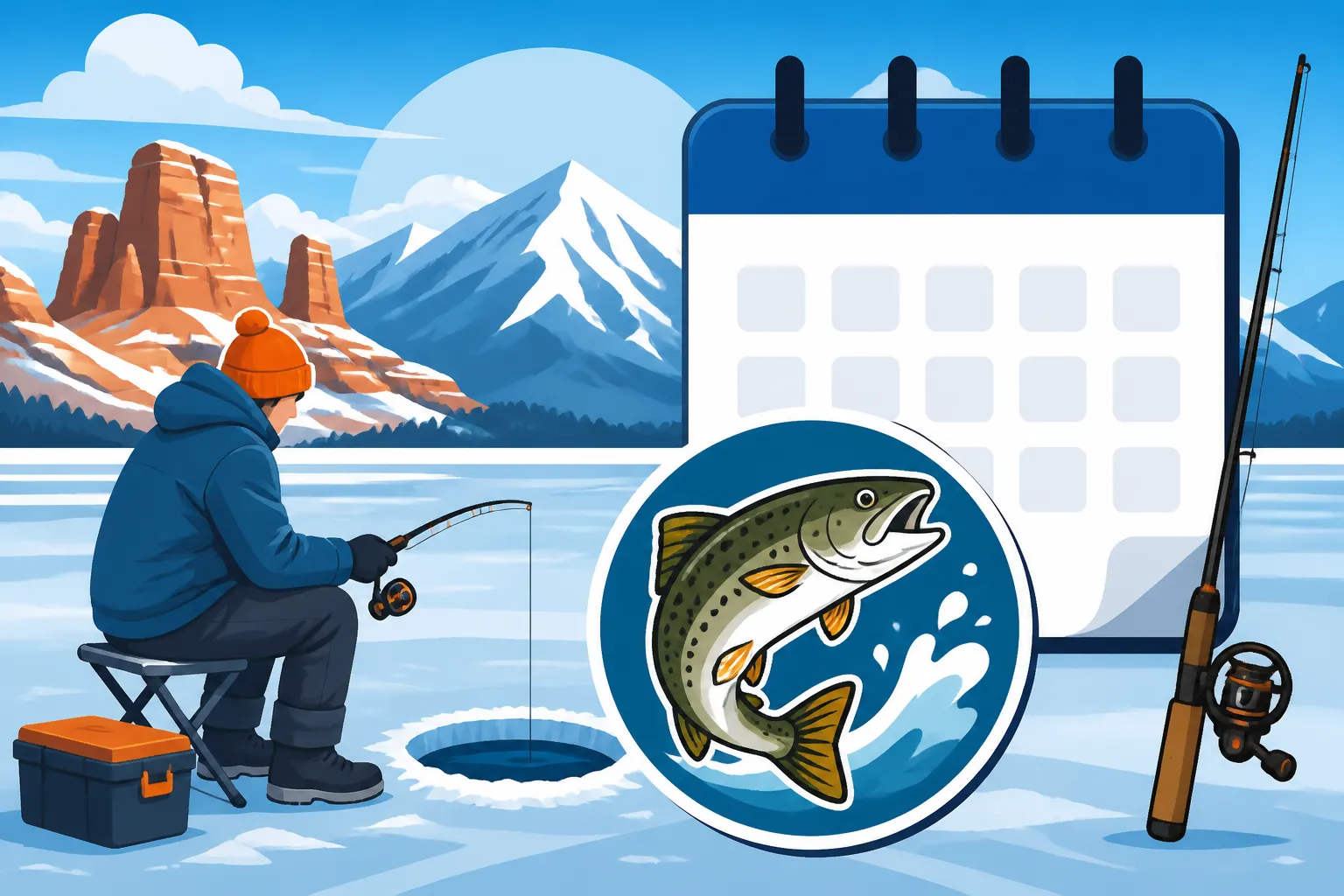
Generally speaking, the ice fishing season in Utah typically kicks off in late November or early December. This is when the first consistent cold snaps begin to lay down a solid foundation of ice on many of the state's smaller, higher-elevation lakes and reservoirs. It then usually extends through March, and sometimes even into April, especially in those higher, colder areas. The peak of the season, when ice conditions are often at their most stable and reliable, tends to be January and February.
However, it's crucial to understand that this is a broad generalization. A mild winter might push the start date well into December or even January for many popular spots, and an early warm spell could cut the season short. Conversely, a prolonged cold snap can extend the season, offering fantastic late-season opportunities. It's a game of meteorological roulette, and being prepared to adapt is half the battle.
How Ice Formation and Safety Define the Season
The absolute, non-negotiable factor that defines the ice fishing season is ice thickness and safety. There isn't an official "open" or "closed" date set by the Utah Division of Wildlife Resources (DWR) for ice fishing specifically because ice conditions are so variable. Instead, the season begins when ice is safe enough to walk on, and it ends when the ice becomes unstable and dangerous.
For safe foot travel, the recommended minimum ice thickness is usually four inches of clear, solid ice. For snowmobiles or ATVs, you're typically looking at five to seven inches, and for a small car or light truck, it's even more, often eight to twelve inches or more. Always remember that ice thickness can vary dramatically even on the same body of water, and currents, springs, or areas with moving water can create dangerously thin spots. This is why learning how to check ice thickness safely before ice fishing is absolutely vital, not just at the start of the season, but every time you venture out onto the ice. Nobody wants to be the person who took an unexpected plunge into freezing water because they assumed the ice was solid.
No Fixed Statewide Calendar
The biggest takeaway here is that there's no single, universal Utah ice fishing season dates calendar you can refer to for all waters. Each lake or reservoir essentially has its own micro-season, dictated by its elevation, size, depth, and exposure to wind and sun. This means you might be enjoying solid ice on a high mountain lake in December, while a larger, lower-elevation reservoir might not be safe until mid-January.
This variability means that being an informed angler is key. You'll need to stay updated on local conditions, rather than relying on a general assumption. Many experienced anglers track weather patterns, keep an eye on online forums, and check DWR reports to pinpoint the best windows. It’s a constant monitoring effort, but it pays off with more days on the ice.
Regional Variations and Key Reservoir Ice Seasons
Utah is a diverse state, from its high Uinta Mountains to its desert reservoirs, and this geographical spread means wildly different ice formation and melt patterns. Understanding these regional nuances is crucial for pinpointing where and when you'll find the best and safest ice.
High-Elevation Reservoirs: Early Freeze, Late Thaw
The high-elevation reservoirs and mountain lakes are typically the first to freeze over and often the last to thaw out. Think places like Mirror Lake, Trial Lake, and many of the smaller Uinta Lakes. These waters, often sitting above 9,000 feet, experience much colder temperatures earlier in the year.
- Typical Season: Late November/Early December through March/April.
- Why they're first: Higher elevation means colder ambient temperatures, less solar radiation due to shorter daylight hours in winter, and often less wind compared to large, open reservoirs. These factors combine to create ice quickly and keep it solid longer.
- Considerations: While they offer an early start, accessing these areas can be challenging with heavy snowfall. Many roads leading to these lakes close seasonally. Always check road conditions before planning a trip to a high mountain lake.
Mid-Elevation and Lower Lakes: Later Start, Earlier End
Moving down in elevation, reservoirs like Strawberry Reservoir, Fish Lake, Scofield Reservoir, and East Canyon Reservoir represent a large portion of Utah's most popular ice fishing destinations. These waters sit at elevations ranging from roughly 6,000 to 7,500 feet. They tend to freeze later than their high-mountain counterparts and typically melt earlier.
- Typical Season: Mid-December/Early January through March.
- Why they're later: While still cold, these areas don't consistently hit the extreme low temperatures of the high Uintas. They are often larger, deeper bodies of water that require more sustained cold to fully freeze. Wind can also play a significant role, churning the water and delaying ice formation.
- Considerations: These are often the busiest ice fishing spots, so expect company, especially on weekends. Ice conditions here can be highly variable year-to-year. One winter, Strawberry Reservoir might be ice-capped by Christmas, and the next, it might not be safe until mid-January. For detailed information on this popular spot, check out our guide on how to ice fish for trout in Utah.
Special Considerations for Specific Waters
Some of Utah's larger, or more unique, bodies of water have their own distinct ice fishing personalities:
- Strawberry Reservoir: This is probably the state's most iconic ice fishing destination. Its large size means it needs consistent cold, but once it freezes, it offers incredible opportunities for cutthroat and rainbow trout. Historically, Strawberry usually offers safe ice from late December into March. Keep an eye on reports for Strawberry Reservoir Ice Fishing Spots, as different bays and areas can freeze at different rates.
- Bear Lake: Straddling the Utah-Idaho border, Bear Lake is a massive, deep lake. It often doesn't freeze completely solid, and large open water areas can remain all winter. However, certain bays and shorelines, especially on the Utah side, can offer good ice fishing for Bonneville cisco, cutthroat, and lake trout. The prime window is often January and February. The Bonneville cisco run in January is a unique phenomenon.
- Utah Lake: As one of the largest freshwater lakes in the West, Utah Lake is shallow but also very large. It often takes a prolonged, severe cold snap to freeze over safely, and even then, large sections might remain open or have dangerously thin ice. When it does freeze, it offers excellent opportunities for walleye and channel catfish. Its ice season is typically the shortest and most unpredictable, often limited to January and early February in very cold winters.
- Willard Bay: This shallow, warm-water reservoir near Ogden often freezes solid quickly once cold weather sets in, making it an earlier option for ice anglers targeting wipers, walleye, and crappie. However, its shallowness also means it can melt quickly with warm temperatures.
- Flaming Gorge Reservoir: This vast, deep reservoir on the Utah-Wyoming border is another one that rarely freezes completely. However, certain bays and coves, especially in the northern (Wyoming) parts, can offer good ice fishing for lake trout, rainbow trout, and kokanee. The season here is highly localized to these protected areas and depends heavily on specific wind and temperature conditions.
It’s clear that a "one-size-fits-all" approach to ice fishing dates simply doesn't work in Utah. Always think locally and adapt your plans accordingly.
Factors Influencing Ice Fishing Season Length
Knowing the general timelines is a good start, but understanding why these seasons shift is crucial for becoming a more adept ice angler. It helps you anticipate conditions and better plan your trips.
Weather Patterns and Snowpack
The most obvious influence on ice fishing season dates is the weather. Prolonged periods of below-freezing temperatures are essential for ice formation. However, it's not just about cold air.
- Early, Deep Cold: If Utah experiences a deep, widespread cold front in November or early December, ice can form rapidly and thickly. This gives anglers a longer season.
- Mild Winters: Conversely, a mild winter with fluctuating temperatures and warm spells can delay ice formation significantly or even prevent some lakes from freezing over entirely. This has been a growing concern in recent years, impacting the consistency of the ice fishing season.
- Snowfall: While snow might seem like it helps, heavy snowfall before thick ice has formed can actually insulate the water, slowing down the freezing process. Once solid ice is established, a layer of snow can act as an insulator, protecting the ice from melting too quickly during milder days. However, too much snow can also make travel on the ice difficult and obscure thin spots.
- Wind: Wind is the enemy of ice formation. Strong winds can keep larger bodies of water churned up, preventing a stable ice sheet from forming even when temperatures are well below freezing. This is why protected bays and smaller lakes often freeze faster than open, exposed sections of larger reservoirs.
Water Levels and Lake Depth
The amount of water in a reservoir can also play a role in how quickly it freezes and how long the ice lasts.
- Lower Water Levels: In some instances, lower water levels can lead to quicker freezing, especially in shallower areas, as there's less volume to cool down. However, lower levels can also expose areas that would normally be covered by deeper, more stable ice, making for unpredictable conditions.
- Depth: Deep lakes simply hold more heat energy and take much longer to cool down and freeze than shallow ones. This is why large, deep lakes like Bear Lake and Flaming Gorge often have limited ice fishing areas or don't fully freeze. Shallow lakes like Willard Bay, on the other hand, can freeze relatively quickly.
Utah DWR Monitoring and Public Advisories
While the DWR doesn't "open" or "close" ice fishing seasons with specific dates, they play a vital role in public safety and awareness. The DWR monitors ice conditions at various popular reservoirs, particularly for their annual ice fishing tournaments and events.
- Stocking Reports: The DWR regularly stocks community ponds and larger reservoirs with trout, often right before or during the ice fishing season. Knowing when and where these stockings occur can help you plan productive trips.
- Local Office Information: Your best bet for current conditions is often to call the nearest DWR regional office. They can provide insights into specific reservoir conditions, safety concerns, and recent fishing reports. While they won't give you a "go-ahead" on ice safety (that's always your personal responsibility), they can offer valuable context.
- Online Forums and Social Media: Many local angling groups on platforms like Facebook and dedicated Utah fishing forums are excellent resources for real-time, peer-to-peer ice condition reports. Anglers will often post their experiences, including ice thickness measurements and success rates. Always cross-reference this information and exercise your own judgment, but it can be a great way to gauge conditions.
Remember, the DWR is a fantastic resource for general information, but the final decision on ice safety rests solely with you.
Staying Informed and Planning Your Ice Fishing Trips
Given the dynamic nature of Utah's ice fishing season, proactive planning and staying informed are your best allies. Don't wait until the last minute; start gathering information as soon as the weather turns cold.
Checking Ice Conditions Before You Go
This cannot be stressed enough: NEVER assume ice is safe. Always check conditions yourself or get reliable, recent reports from trusted sources.
- Personal Inspection: When you arrive at a body of water, start by observing. Look for cracks, open water, or areas where the ice looks discolored. Use a spud bar or ice auger to check the ice thickness every few steps as you venture out, especially near the shore, around points, and over potential submerged structure. It's often thinner closer to shore.
- DWR Resources: Check the Utah DWR fishing reports page. While they don't explicitly endorse ice safety, their reports often mention ice conditions where available. Local sporting goods stores are also often excellent sources of up-to-date, word-of-mouth reports.
- Angler Community Forums: Online fishing forums and social media groups dedicated to Utah fishing are goldmines for current conditions. Anglers frequently post real-time updates on ice thickness and fishing success. Just remember to use this information as a guide and verify with your own checks.
A critical reminder from the DWR: "No ice is 100% safe." Always be vigilant. For detailed safety advice, make sure to read up on how to check ice thickness safely before ice fishing.
Essential Gear for Safe Ice Fishing
Being properly equipped isn't just about catching fish; it's about being safe and comfortable in freezing conditions.
- Ice Safety Kit: This is non-negotiable. It should include ice picks (worn around your neck), a rope, and a whistle. A spud bar is also essential for testing ice as you go. You can find robust safety kits on platforms like Amazon.
- Warm Clothing: Layers, layers, layers! Thermal underwear, fleece, a waterproof and windproof outer shell, insulated boots, hat, and gloves are all critical. Consider thermal ice fishing suits for maximum warmth and flotation protection. Our guide on how to stay warm ice fishing in Utah offers more in-depth advice on appropriate attire.
- Shelter: An ice fishing shelter, whether a portable pop-up or a more robust flip-over model, provides crucial protection from wind and cold. There are many great options available on Amazon, from simple windbreaks to fully insulated shanties. Choosing one of the best ice fishing shelters for Utah winters can make a huge difference in your comfort and endurance.
- Auger: You'll need an ice auger to drill your holes. Hand augers work for thinner ice, but a powered auger (electric or gas) is a game-changer for thicker ice or if you plan to drill many holes. Check out our recommendations for the best ice augers for Utah ice fishing.
- Fishing Gear: Appropriate rods, reels, and tackle for ice fishing are also vital. Ice fishing rods are shorter and stiffer than conventional rods, designed for jigging in a small hole. Our article on how many ice fishing rods can you use at once in Utah provides important regulatory details.
Having the right gear makes the experience safer and far more enjoyable. Don't skimp on safety equipment or warm clothing; your well-being is paramount.
Resources for Real-Time Updates
To make sure you're heading out when conditions are best, here are a few ways to get the most current information:
- Utah DWR Website: Regularly check their fishing reports. While they don't explicitly declare ice safe, they often provide general conditions for popular waters.
- Local Bait and Tackle Shops: These are often the best sources of hyper-local, real-time information. Shop owners and employees are usually avid anglers themselves and hear firsthand reports constantly.
- Online Fishing Forums: Websites like BigFishTackle.com, or local Facebook groups for Utah fishing, are excellent platforms where anglers share current conditions, photos of ice thickness, and success stories. Search for groups like "Utah Ice Fishing" or "Utah Fishing Reports."
- Weather Apps: Keep a close eye on detailed weather forecasts for the specific area you plan to fish. Look for extended periods of freezing temperatures, overnight lows, and wind forecasts. AccuWeather or NOAA weather are reliable sources.
By actively monitoring these resources, you'll be well-equipped to pinpoint the best windows for safe and productive ice fishing, making the most of the short but exciting season. Don't forget to secure your Utah fishing license renewal guide well in advance of the season to avoid any last-minute hassles.
Disclaimer
The information provided in this guide is for general informational purposes only and does not constitute official legal or safety advice. Ice conditions can change rapidly and unpredictably. It is the sole responsibility of each individual angler to assess ice safety, adhere to all local regulations, and exercise extreme caution. Always prioritize your safety and never venture onto unsafe ice. Consult official Utah Division of Wildlife Resources (DWR) regulations and local authorities for the most current and accurate information.