How to Fish From a Kayak in Utah
There’s nothing quite like the freedom of being out on the water, silently gliding along, chasing after your favorite fish. But let's be honest, getting into kayak fishing, especially here in Utah with our diverse and sometimes challenging waters, can feel a bit overwhelming. From choosing the right boat to figuring out what gear you actually need versus what's just nice to have, it's a lot to wrap your head around. This guide is all about cutting through that confusion, giving you the practical, down-to-earth advice you need to confidently launch your kayak fishing adventures across our beautiful state.
Why Embrace Kayak Fishing in Utah?
For many anglers, the thought of fishing from a kayak brings up images of tippy boats, cramped spaces, and gear sinking to the bottom. And yeah, those concerns are valid if you're not prepared! But once you experience the unique advantages of kayak fishing in Utah, you'll understand why so many of us are hooked. It’s a different kind of connection to the water, offering a blend of peaceful solitude and exhilarating challenge that traditional boats often can’t match.
The Unparalleled Stealth and Access
One of the biggest frustrations for many anglers is getting to those prime fishing spots that bigger boats can't reach, or spooking fish with loud motors. This is where kayak fishing truly shines. Kayaks are inherently stealthy, allowing you to sneak up on unsuspecting fish in shallow coves, quiet backwaters, and tight channels that would be impossible for larger craft. Imagine paddling silently into a secluded inlet on Lake Powell, where striped bass are boiling, without a noisy outboard engine disrupting the calm. That's the power of kayak stealth.
This silent approach isn't just about not scaring fish; it's about connecting with nature in a profound way. You hear the birds, the gentle lapping of water against your hull, and the splash of a rising trout with crystal clarity. It transforms a fishing trip into a truly immersive outdoor experience. For those of us who appreciate the quiet moments as much as the tug on the line, the stealth factor is a huge draw. Plus, you can easily launch a kayak from almost any shoreline access point, bypassing crowded boat ramps entirely. This means less waiting, less hassle, and more time on the water.
A Cost-Effective and Fitness-Friendly Option
Let's talk about the elephant in the room: fishing can be an expensive hobby. Powerboats come with hefty price tags, fuel costs, maintenance, and storage fees. Kayaks, on the other hand, offer a much more budget-friendly entry point into boat fishing. You can find excellent fishing kayaks for a fraction of the cost of even a used motorboat, and they require minimal maintenance beyond a good rinse. No gas, no oil changes, no trailer registration if you’re just car-topping it!
Beyond the financial savings, kayak fishing is a fantastic way to combine your passion for angling with a healthy dose of exercise. Paddling, pedaling, and even just maneuvering your kayak engage your core, arms, and legs. It's a low-impact workout that leaves you feeling invigorated, not just from the thrill of the catch, but from the physical activity itself. Think of it as a moving gym that takes you to the best fishing holes! It’s an ideal choice for those who are looking to stay active and enjoy the outdoors simultaneously.
Picking the Perfect Kayak for Utah's Diverse Waters
Choosing a kayak is probably the most critical decision you'll make when getting into kayak fishing. Utah’s waters are incredibly varied, from vast, open reservoirs like Flaming Gorge to winding rivers like the Green River, and smaller, calm community ponds. What works great on one body of water might be a nightmare on another. It's not a one-size-fits-all situation, so let’s break down the main types and what to look for.
Sit-on-Top vs. Sit-in Kayaks
This is often the first big question: should you go with a sit-on-top (SOT) or a sit-in kayak? For fishing, the overwhelming majority of anglers lean towards sit-on-top kayaks, and for good reason. They offer superior stability, which is crucial when you're casting, fighting a fish, or reaching for gear. You're less likely to feel tippy, and many SOTs allow you to stand up and cast, giving you a better vantage point, especially helpful for sight fishing for trout or bass. If you do happen to capsize, re-entry is much easier – you just climb back on. The open deck also provides more space for gear and makes it simple to customize with rod holders, fish finders, and tackle storage.
Sit-in kayaks, while often faster and offering more protection from the elements, are generally less preferred for dedicated fishing. The enclosed cockpit can restrict movement, making casting and landing fish more challenging. Re-entry after a capsize can also be more difficult, and they tend to have less space for mounting accessories. However, for river fishing in colder conditions where you prioritize speed and staying dry, some anglers still prefer a sit-in touring kayak. But for the average Utah kayak angler hitting reservoirs and larger lakes, a SOT is almost always the way to go.
Pedal Drive vs. Paddle Kayaks
Once you've decided on a sit-on-top, the next big consideration is how you want to propel it: traditional paddle or a modern pedal drive system? Both have their advantages and disadvantages, and your choice will largely depend on your fishing style and the waters you plan to frequent.
Pedal drive kayaks, like those from Hobie or Old Town, use a fin or propeller system that you power with your legs, much like riding a bicycle. The huge advantage here is hands-free propulsion. This means you can constantly adjust your position, hold yourself against the wind, or slowly troll a lure while keeping your hands free to fish. Imagine drifting along a shoreline, casting to every piece of structure, or fighting a big fish without having to drop your paddle. It's a game-changer for many. Pedal kayaks are often faster and less fatiguing over long distances, making them ideal for covering large reservoirs like Deer Creek Reservoir or even sections of Lake Powell. They do tend to be heavier, more expensive, and have more moving parts that require maintenance, and they can struggle in very shallow, weedy, or rocky areas where the prop or fins can get fouled or damaged.
Paddle kayaks are the traditional choice and often the more budget-friendly option. They are generally lighter, easier to transport, and can operate in very shallow water without worrying about propeller obstruction. While you'll need to put your paddle down to cast and retrieve, many anglers appreciate the simplicity and the upper-body workout they provide. For smaller waters, river fishing where you're often paddling and floating, or if you're on a tighter budget, a good paddle kayak is an excellent choice. Many come equipped with paddle clips and paddle parks to keep your paddle secure and out of the way when you're actively fishing.
Here's a quick comparison to help you weigh your options:
| Feature | Sit-on-Top Kayak (Paddle) | Sit-on-Top Kayak (Pedal Drive) |
|---|---|---|
| Stability | High | Very High (often wider) |
| Propulsion | Hand-powered paddle | Foot-powered fins/propeller |
| Hands-Free | No (must hold paddle) | Yes (can fish while moving) |
| Speed/Endurance | Moderate, depends on paddler | High, less fatigue over distance |
| Cost | Lower to mid-range | Mid to high-range |
| Weight | Lighter, easier to transport | Heavier, sometimes requires a cart |
| Shallow Water | Excellent | Can be limited by prop/fin depth |
| Maintenance | Minimal | More complex, more moving parts |
| Best For | Rivers, smaller lakes, budget-conscious anglers | Large reservoirs, covering distance, trolling |
Gearing Up: Essential Kayak Fishing Accessories and Rigging Tips
Once you've got your kayak picked out, it's time to think about rigging it for fishing. This isn't just about throwing your tackle box in; it's about optimizing your space, ensuring safety, and making sure everything you need is easily accessible. Trust me, fumbling for gear while a fish is on the line or battling a strong wind is a quick way to sour a trip.
Essential Safety Gear and Apparel
Before we even talk about fishing tackle, let's talk safety. This is non-negotiable, especially on Utah's often cold and vast waters.
- Personal Flotation Device (PFD): You absolutely must wear a PFD. Not just have it in the boat, but wear it. Modern fishing PFDs are designed with comfort and utility in mind, featuring pockets for small tackle, pliers, and even a hydration pack. They’re a far cry from the bulky orange life vests of old.
- Whistle or Horn: Required by law in most places, and crucial for attracting attention if you're in distress or need to warn other boaters.
- Paddle Leash (for paddle kayaks): Dropping your paddle in the middle of a lake is a rookie mistake you don't want to make. A leash keeps it attached to your kayak.
- First-Aid Kit: A small, waterproof kit with basics for cuts, scrapes, and other minor mishaps is always a good idea.
- Communication Device: A fully charged cell phone in a waterproof case, or even a marine VHF radio for larger waters like Lake Powell or Flaming Gorge, can be a lifesaver.
- Headlamp/Nav Lights: If you plan on being out at dawn, dusk, or after dark, navigational lights are essential and legally required on many waters. A good headlamp is also invaluable for rigging up in low light.
- Sun Protection: Utah sun is intense. Wide-brimmed hats, sunglasses (polarized are a must for seeing into the water!), and plenty of sunscreen will save you from a miserable sunburn.
Beyond these essentials, consider the weather. Layers are key for Utah's unpredictable conditions. A good rain jacket and waterproof pants can turn a chilly, damp day into a comfortable one. For winter kayak fishing, thermal layers and dry suits become critical.
Rigging Your Kayak for Maximum Efficiency
Now for the fun part: making your kayak a fishing machine! The goal is to keep frequently used items within arm's reach and secure everything else. Many anglers find a lot of useful kayak rigging accessories available on Amazon.
- Rod Holders: You'll want at least one flush-mount or adjustable rod holder for trolling or keeping a rod out of the way while paddling. Many kayaks come with flush mounts, but adjustable RAM mounts or Scotty rod holders are popular additions, letting you customize the angle and position.
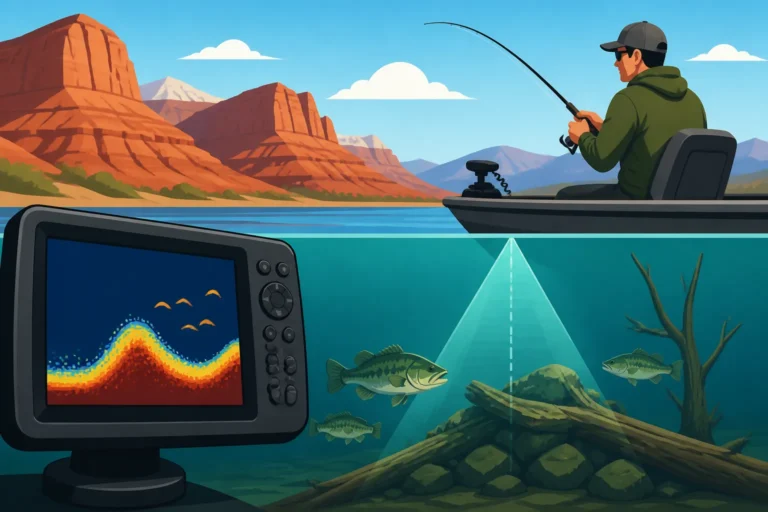
- Fish Finder/GPS: A compact, waterproof fish finder is a huge asset. These days, many units combine GPS, giving you depth, water temperature, structure identification, and the ability to mark hotspots. Brands like Humminbird and Garmin make excellent compact units. Check out our guide on the Best Fish Finders for Utah Reservoirs for more in-depth advice.
- Anchor System: A small grapnel anchor or a drag chain is invaluable for holding your position in wind or current. A proper anchor trolley system allows you to easily deploy and retrieve your anchor from either the bow or stern, without having to reach awkwardly. This is a must-have for fishing in any kind of breeze.
- Storage Solutions:
- Milk Crate/Storage Box: A simple milk crate can be a game-changer. You can bungee it to the stern, add PVC pipe rod holders, and use it to hold tackle, water bottles, and other essentials.
- Dry Bags: Keep your phone, wallet, keys, and extra layers safe and dry in a quality dry bag.
- Tackle Management: Consider a dedicated tackle box or soft-sided tackle bag that fits securely in your kayak. Keep only what you need for the day to avoid clutter. For smaller items like leader material and tools, many anglers use compact tackle trays that fit in a PFD pocket or a small console.
- Paddle Park/Paddle Clips: If you have a paddle kayak, ensure you have a secure way to stow your paddle when fishing, so it doesn't get in the way or drift off.
- Landing Net: A good quality, rubber-coated landing net is crucial for safely landing fish, especially larger ones, and preventing hooks from tangling in mesh. Look for a net with a long handle to reach from your kayak. Our guide on the Best Net Size for Catching Utah Trout might be helpful here.
Top Utah Fishing Spots Ideal for Kayak Anglers
Utah is blessed with an incredible variety of waters, and many of them are simply perfect for kayak fishing. The beauty of a kayak is that it opens up access to countless hidden gems that are tough to reach for shore anglers or impossible for larger boats. From vast reservoirs to tranquil community ponds, there's a kayak fishing adventure waiting for everyone.
Large Reservoirs for Trophy Hunts
When you think of big fish in Utah, names like Flaming Gorge Reservoir, Strawberry Reservoir, and Lake Powell often come to mind. These expansive waters can be intimidating for kayakers due to their size and potential for choppy conditions, but they also offer some of the most rewarding experiences.
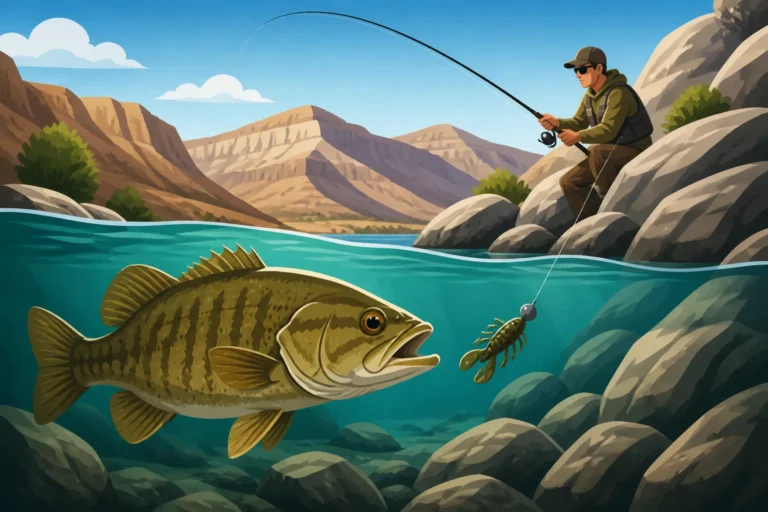
Flaming Gorge Reservoir is legendary for its trophy lake trout (mackinaw) and robust populations of rainbow trout, brown trout, and kokanee salmon. Kayak anglers can explore the countless coves and inlets, often finding calmer water away from the main channel. While trolling for lake trout might require a pedal drive kayak or a small electric motor, paddling along the towering red rock cliffs, casting for smallmouth bass or cruising trout, is an experience in itself. Focus on areas with structure or drop-offs, especially in the mornings before the wind picks up. Remember that a Utah Fishing License Guide is essential for both Utah and Wyoming waters at Flaming Gorge.
Strawberry Reservoir is another iconic spot, renowned for its large cutthroat and rainbow trout. Known as one of Utah's Blue Ribbon Fisheries, it offers fantastic opportunities for fly fishing and bait fishing from a kayak. The numerous bays and points provide excellent cover and structure for fish. Kayakers can easily access areas like Strawberry Bay or Soldier Creek, paddling into quieter zones where fish are actively feeding. Pay attention to seasonal patterns; early spring and late fall can be phenomenal. However, be mindful of weather changes on this large body of water, as winds can whip up quickly. For information specific to this fishery, check out our Strawberry Reservoir Fishing Guide.
Lake Powell, with its labyrinthine canyons and warm-water species, is an unparalleled kayak fishing destination. While its sheer size can be daunting, focusing on specific canyons or areas near marinas like Wahweap or Bullfrog allows for incredible striped bass, largemouth bass, and smallmouth bass fishing. The stealth of a kayak is a massive advantage here, letting you explore tight coves and shallow pockets where stripers often chase shad. The crystal-clear water and stunning scenery make every paddle stroke a joy.
Rivers and Community Ponds for Accessible Angling
Not every kayak adventure needs to be on a massive reservoir. Utah's rivers and community ponds offer equally exciting, and often more accessible, opportunities for kayak anglers.
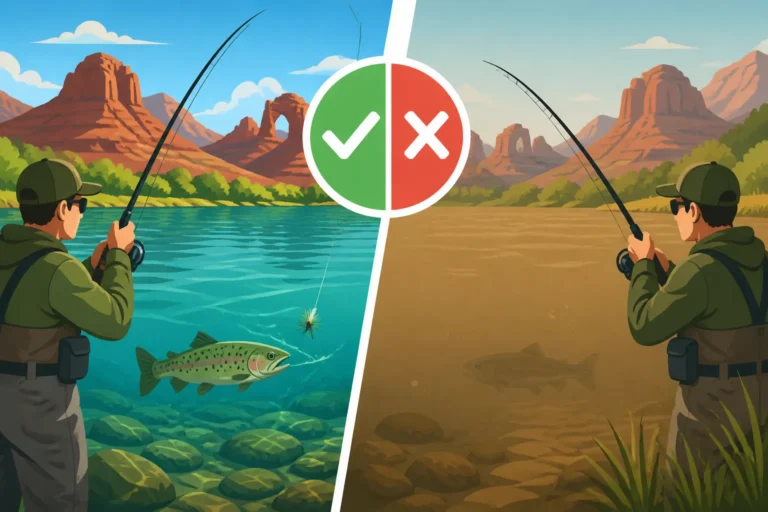
The Provo River, particularly the Middle Provo River, is a world-class fly-fishing destination known for its abundant brown and rainbow trout. While many fish this river by wading, a smaller, agile kayak or even a float tube can provide an excellent way to drift through sections, covering more water and reaching spots that are difficult to access from the bank. However, be aware of specific regulations, as some sections are catch-and-release only or fly-fishing-only water rules. Always check the current Utah Fishing Regulations Explained before you go.
For a more relaxed and family-friendly experience, Utah’s numerous community ponds are perfect for kayak fishing. These ponds are regularly stocked with rainbow trout and often hold warm-water species like bass and panfish. Ponds like Decker Lake or Highland Glen are ideal for beginners, offering easy access, calm waters, and the chance to catch plenty of fish. You don't need a fancy pedal drive kayak here; a simple paddle kayak will do just fine. These spots are fantastic for teaching kids to fish from a kayak in a safe, controlled environment. Do You Need a License to Fish Community Ponds in Utah? Generally, yes, but confirm for specific local rules.
Mastering Kayak Fishing Techniques for Utah Success
Kayak fishing isn't just about having the right gear and knowing where to go; it's also about adapting your fishing techniques to suit the unique platform of a kayak. The way you paddle, position your boat, cast, and even fight a fish will be different than in a traditional powerboat or from shore.
Effective Paddling and Positioning
One of the first things you'll realize is that your kayak is constantly moving, even in what seems like calm water. Wind, current, and even your own movements will shift your position. Learning to control your kayak efficiently is paramount to effective fishing.
- Paddle Strokes: Practice efficient forward strokes to conserve energy, and learn reverse strokes and rudder strokes for subtle adjustments. A strong paddle stroke isn't just for covering distance; it's for holding your position against wind or current while you cast.
- Wind and Current Management: Learn to use the wind and current to your advantage. Often, a slow drift with the wind can be an incredibly effective way to cover water and present your lure naturally. Use your anchor system to hold yourself precisely on a hotspot, or to slow your drift in faster conditions. For instance, when fishing a weed line or a rocky point, you might want to anchor upwind and then cast into the target area, slowly working your bait back.
- Boat Position for Casting: Always consider how your kayak's position affects your casting angle and retrieve path. Position yourself so the wind is at your back or side for easier casting, and aim to present your lure upstream or upwind from your target to allow for a natural drift. If you're targeting structure, try to approach it from multiple angles to cover all possibilities.
Casting, Trolling, and Landing Fish from a Kayak
Fishing from a kayak requires some minor adjustments to your standard techniques, but with a little practice, you'll find it incredibly effective.
- Casting from a Kayak: The sitting position in a kayak means you'll often be making more roll casts or side-arm casts to avoid hitting your paddle or the water behind you. If your kayak is stable enough for stand-up casting, it can greatly improve your visibility and casting distance, especially when using a sturdy fishing kayak. Always be mindful of your balance, especially when setting the hook or fighting a larger fish.
- Trolling from a Kayak: This is where pedal drive kayaks truly shine, allowing you to maintain a consistent speed while you fish. However, paddle kayaks can also troll effectively. Simply paddle at a slow, steady pace, letting your lure trail behind. This is a deadly technique for covering water on reservoirs like Starvation or Jordanelle, especially when targeting kokanee salmon or cruising trout. Experiment with different speeds and lure depths until you find what the fish are hitting. Consider a basic fish finder to monitor depth and identify thermoclines where fish might be holding.
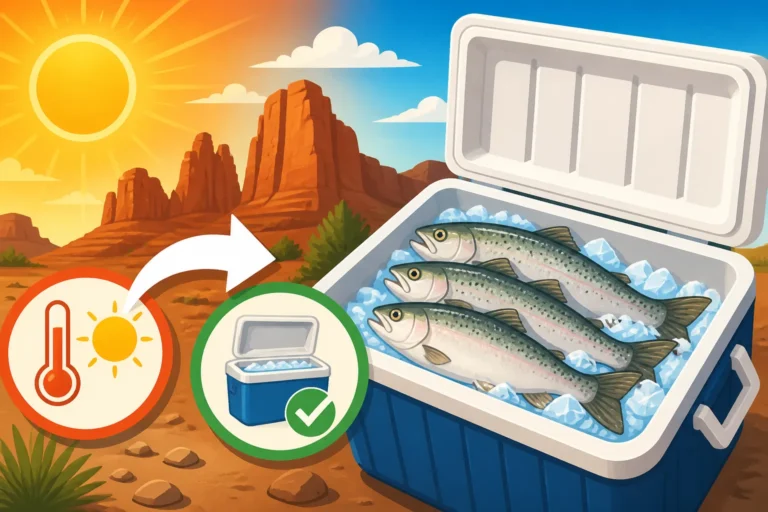
- Landing Fish: This is often the trickiest part. Keep your rod tip low and use your net. Never try to lift a large fish directly into the kayak by the line. Bring the fish alongside the kayak, net it headfirst, and then carefully bring it into the boat. For larger species like a big northern pike from Utah Lake or a Flaming Gorge lake trout, it’s often safer to get the fish boat-side, unhook it while it’s still in the water, and release it if you’re not keeping it, or slide it directly into a measuring board or cooler. Always have your pliers and camera ready before the fish is alongside.
Navigating Safety and Regulations on Utah's Waterways
Kayak fishing in Utah offers incredible opportunities, but it also comes with responsibilities. Understanding and adhering to safety protocols and state regulations isn't just about avoiding fines; it's about protecting yourself, others, and our precious aquatic ecosystems.
Essential Safety Practices
Beyond the gear, good judgment is your best safety tool.
- Check the Weather: Utah's weather can change rapidly, especially in the mountains and on large reservoirs. Always check the forecast before you launch, paying close attention to wind advisories. Strong winds can quickly turn a calm lake into a dangerous environment for a kayak. If storms are predicted, it's always better to stay safe on shore.
- Tell Someone Your Plans: Let a friend or family member know where you're going, when you expect to be back, and what your backup plan is. This is a simple but critical step for any solo outing.
- Know Your Limits: Don't venture into conditions or waters that exceed your paddling or fishing experience. If a lake looks too choppy, or a river too swift, choose another spot or another day. Pushing your limits unnecessarily can lead to dangerous situations.
- Cold Water Immersion: Many of Utah's fishing waters, even in summer, can have dangerously cold temperatures, especially at depth. If you plan to fish in colder seasons, consider a dry suit or wetsuit. The danger of hypothermia is real, and it can set in much faster than you think. Learn about what to do if you fall through Utah ice while fishing – prevention is key!
- Stay Hydrated and Fueled: Even though you're on the water, you can still get dehydrated. Bring plenty of water and snacks, especially on longer trips.
Utah Fishing and Boating Regulations
Ignorance of the law is no excuse, and Utah has specific rules that apply to all anglers and boaters.
- Fishing License: A valid Utah fishing license is required for anyone 12 years and older. You can purchase these online, at DWR offices, or from many sporting goods stores. Our comprehensive Utah Fishing License Guide covers everything you need to know about purchasing and understanding your license, including options like the Utah 3-Day and 7-Day Fishing License Options for shorter trips.
- Bag and Possession Limits: Be intimately familiar with the daily bag and possession limits for the specific fish species and waters you are fishing. These limits can vary greatly from one reservoir to another. For example, the Strawberry Reservoir Trout and Kokanee Limit is very specific. Always check the Utah Division of Wildlife Resources (DWR) Proclamation before heading out.
- Aquatic Invasive Species (AIS) Regulations: This is a big one in Utah. All boats, including kayaks, are subject to AIS rules, primarily aimed at preventing the spread of quagga mussels and other invasives. This means you must Clean, Drain, and Dry your kayak and gear after every outing. For Lake Powell, which is heavily infested, there are even stricter rules, including mandatory inspections and dry times. Learn about Utah Quagga Mussel Decontamination Rules and Utah Aquatic Invasive Species Inspection Stations. It's not just a suggestion; it's the law, and vital for protecting our fisheries.
- Boat Registration (for some kayaks): While most paddle-only kayaks don't require registration in Utah, if your kayak has any kind of motor (electric trolling motor, for example), it typically needs to be registered with the Utah Division of Motor Vehicles. Always verify if your specific setup falls under registration requirements. Our guide on Utah Boat Registration Requirements can help clarify this.
- Navigational Rules: Familiarize yourself with basic navigational rules, such as yielding to larger vessels, understanding buoy markers, and operating safely around other boaters. Even in a small kayak, you are a vessel on the water.
By paying attention to safety and respecting the regulations, you're not just ensuring a fun day on the water; you're contributing to the health and longevity of Utah's incredible fishing resources for everyone to enjoy for years to come.
Disclaimer
The information provided in this guide is for general informational purposes only and does not constitute legal advice. Fishing regulations and safety guidelines can change. Always consult the most current Utah Division of Wildlife Resources (DWR) Fishing Proclamation and local boating laws before engaging in any fishing or boating activities. Safety on the water is your responsibility.