How to Fish During a Utah Afternoon Thunderstorm
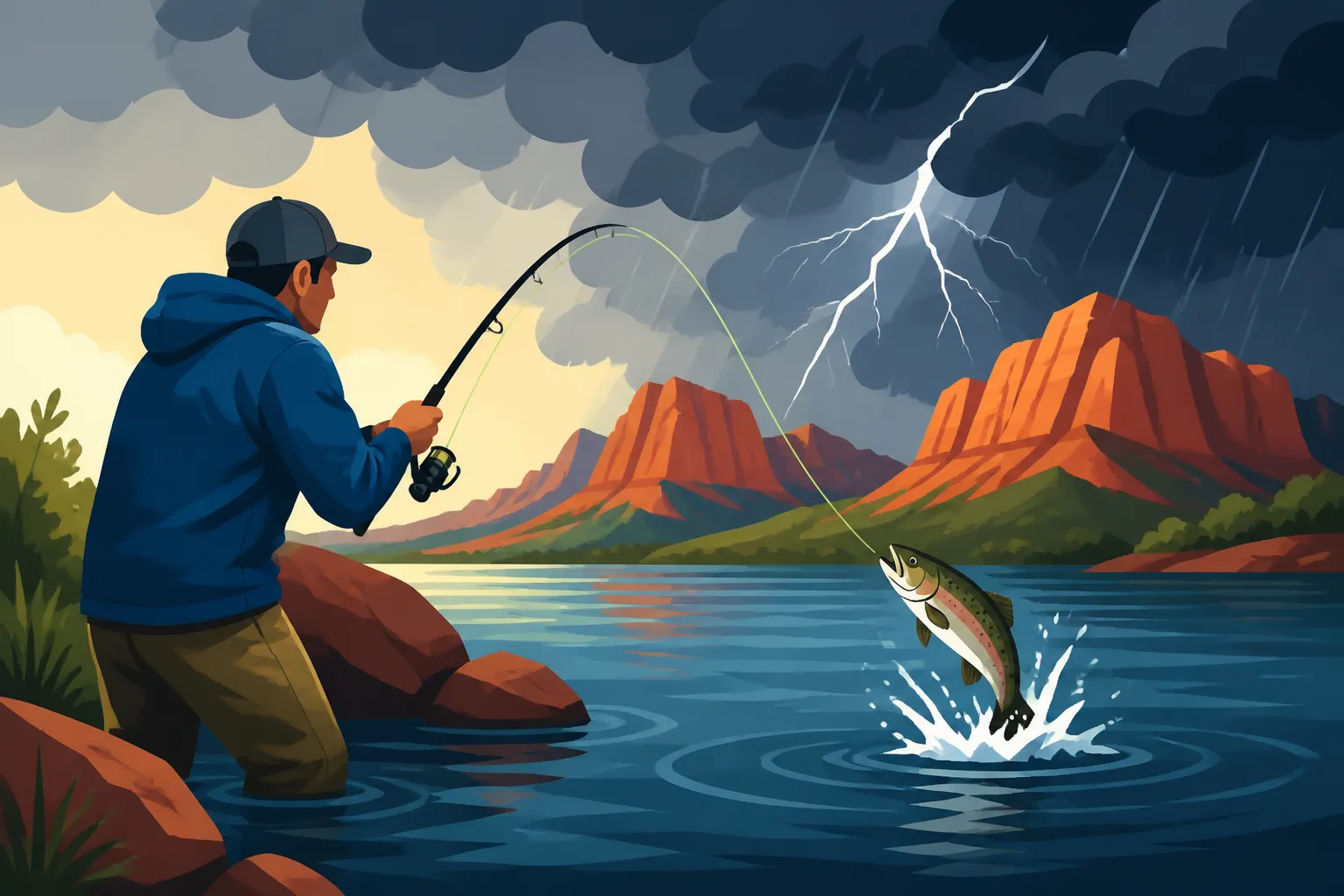
You wake up to a stunning Utah morning, the sun rising over the peaks, promising a perfect day on the water. You load up your gear, head to your favorite reservoir or river, and start casting. But as the afternoon rolls around, those innocent-looking cumulus clouds start to darken, grow, and suddenly, you're looking at a full-blown thunderstorm. This isn't just a minor inconvenience; it can be downright dangerous. This guide is all about navigating those unpredictable Utah afternoon thunderstorms, ensuring your safety, and maybe, just maybe, even catching a few fish in the process.
Understanding Utah's Afternoon Thunderstorms and Why They Matter for Fishing
Utah's weather has a knack for being beautifully cooperative one moment and wildly unpredictable the next, especially in the afternoon during warmer months. These aren't just your average rain showers; they can be intense, bringing with them lightning, heavy rain, strong winds, and even hail. Understanding how these storms develop and how to read the signs is the first step to staying safe and making smart decisions about your fishing day.
The Anatomy of a High-Desert Storm: How They Form and Their Impact
Many of Utah's summer and early fall thunderstorms are what we call "convective" storms. This means they form when the sun heats the ground, causing moisture in the air to rise rapidly. As this warm, moist air ascends, it cools, condenses, and forms those towering thunderheads. In Utah, the combination of high elevation, intense solar radiation, and moisture from sources like the Gulf of California (especially during monsoon season) creates a perfect recipe for these dramatic afternoon spectacles.
The impact on fishing can be significant. Sudden downpours can muddy up clear waters, especially in smaller streams and river inlets, making it harder for fish to see your presentation. The atmospheric pressure drops associated with these storms can sometimes trigger a feeding frenzy right before the storm hits, but during the actual event, fish often hunker down. Strong winds can churn the water, making boat control difficult and casting nearly impossible, not to mention creating dangerous waves on larger reservoirs like Deer Creek Reservoir or Jordanelle Reservoir. The primary concern, however, is always the lightning.
Reading the Signs: Predicting a Storm on the Water
While weather apps are incredibly helpful, nothing beats learning to read the sky yourself, especially in areas with spotty cell service. Keep an eye out for these tell-tale signs:
- Cloud Development: Small, fluffy cumulus clouds that rapidly grow vertically into tall, dark, anvil-shaped cumulonimbus clouds are a clear indicator of impending thunder and lightning. The higher and darker they get, the more potent the storm is likely to be.
- Atmospheric Pressure Changes: Many anglers swear by a barometer. A rapid drop in atmospheric pressure often precedes a storm. While you might not carry a traditional barometer, a sudden feeling of "heaviness" in the air, or even a headache, can sometimes be a personal indicator.
- Distant Thunder or Lightning: Even if the sky directly above you looks clear, listen for distant rumbles. Lightning can strike many miles away from the rain shaft. If you hear thunder, lightning is close enough to be a threat. The old saying "When thunder roars, go indoors" is absolutely valid for fishing.
- Sudden Wind Shifts or Gusts: A sudden change in wind direction or an increase in gustiness can indicate a storm front approaching. The air might also feel cooler.
- Weather Apps and Marine Forecasts: Don't ignore technology! Before heading out, always check the local weather forecast, particularly for mountain or lake-specific conditions. Many modern fish finders and even some portable devices offer real-time weather radar overlays, which can be a lifesaver. Even simple apps on your phone can give you a heads-up, but remember their limitations in remote areas.
Safety First: Prioritizing Your Well-being During a Storm
When a thunderstorm rolls in, catching fish immediately takes a back seat to your personal safety. This isn't a time to be a hero or try to get "just one more cast." Utah's outdoor environments can turn dangerous quickly, and lightning, in particular, poses a severe threat.
Lightning: The Biggest Threat and How to Avoid It
Lightning is an indiscriminate killer, and being on or near the water significantly increases your risk. Water conducts electricity, meaning a strike near your boat can still cause serious harm. Likewise, standing in an open field, on a ridge, or under a lone tall tree are all incredibly dangerous positions.
- Get Off the Water Immediately: This is non-negotiable. If you see lightning or hear thunder, regardless of how far away it seems, get to shore as quickly and safely as possible. Don't wait for the rain to start or the storm to be directly overhead. Even if you're fishing from a kayak or a float tube, the risk is too great. Consult resources like the Utah Boating and Fishing Rules for general water safety, which always applies to adverse weather.
- Seek Safe Shelter: Once off the water, look for a substantial building with plumbing and wiring, like a ranger station or visitor center. If no such structure is available, a fully enclosed metal vehicle (like your car or truck with windows rolled up) offers excellent protection. Avoid open-sided shelters, isolated trees, high ground, and metal objects like fences or light poles.
- If Trapped Outdoors: If you can't reach a safe shelter, find a low-lying area away from tall trees, utility poles, or metal objects. Crouch low to the ground with your feet together, minimizing your contact with the ground. Do not lie flat. This is a last resort, however; prevention is always the best strategy.
Wind, Waves, and Rain: Managing Environmental Hazards
Besides lightning, the other elements of a thunderstorm can present their own dangers and challenges.
- Wind and Waves: A sudden squall can whip up waves surprisingly quickly, especially on large, open reservoirs like Lake Powell or Flaming Gorge. This can capsize smaller boats, kayaks, or float tubes. If you're in a boat, secure all loose gear, lower any antennas, and head directly into the waves at a controlled speed to minimize rocking and swamping. Always wear your life jacket, as per Life Jacket Requirements on a Utah Boat, and ensure everyone on board has one. If waves become too large, find a protected cove or head to shore.
- Heavy Rain and Visibility: Torrential rain can reduce visibility to near zero, making navigation difficult and increasing the risk of collision with other boats or shorelines. If you're driving a boat, slow down and use navigation lights if equipped. For shore anglers, heavy rain can quickly make trails slippery and create flash flood hazards in washes or canyons, especially in southern Utah. Be aware of your surroundings and potential escape routes.
- Hail: While less common, hail can accompany severe thunderstorms. Large hail can cause damage to gear, boats, and even injury. If caught in a hail storm, protect your head and seek robust overhead cover.
Adjusting Your Approach: Fishing Strategies When a Storm Hits
Alright, once safety is paramount and you've assessed the situation, you might be wondering how fish react to these dramatic weather shifts. It's not always a complete shutdown; sometimes, a storm can even trigger an intense bite. The key is knowing when to fish and when to prioritize getting out of dodge.
Pre-Storm Frenzy: Capitalizing on Changing Pressure
Before the main event of a thunderstorm, when the atmospheric pressure starts to drop, many anglers report a distinct increase in fish activity. It's as if the fish sense the impending change and go on a feeding binge. This can be your golden window, if you're prepared to get off the water quickly when the real storm arrives.
- Aggressive Presentations: Fish might become more aggressive during this pre-storm period. Consider switching to larger, more active lures or baits that create more disturbance. Think crankbaits, spinnerbaits, or even larger spoons for trout and bass. If you're fly fishing, heavier nymph rigs or larger streamer patterns might get attention. For instance, if you're fishing a popular trout spot like Strawberry Reservoir, a bigger PowerBait offering might get picked up.
- Targeting Structure: Fish might move closer to cover or structure as the pressure drops, seeking refuge from the coming weather. Focus your efforts around submerged logs, rock piles, weed lines, or drop-offs where fish can ambush prey. Areas where you might typically fish for smallmouth bass at Flaming Gorge could become particularly active.
- Watch the Clock and the Sky: This is a short window. Keep one eye on your watch and both eyes on the sky. Have a plan for where you'll go if the storm breaks earlier than expected. This pre-storm bite is not an excuse to ignore the early warning signs.
During the Storm: When to Hold 'Em and When to Fold 'Em
Let's be unequivocally clear: if there's lightning or heavy thunder, you fold 'em. You get off the water. Your safety is worth infinitely more than any fish. There are no fish worth being struck by lightning for.
However, if you find yourself in a situation where the storm is only heavy rain and strong wind, with no lightning or thunder present for at least 30 minutes, there might be a very narrow window for specific types of fishing. This is rare and still carries significant risks.
- Focus on Cover and Inflow: If you are safely tucked away on shore, perhaps under a substantial, lightning-safe shelter, or in your vehicle, and the rain is just falling, fish might congregate near fresh inflows of water (like small creeks dumping into a reservoir) or heavily oxygenated areas. These new inflows can wash in food and provide a temporary boost of oxygen.
- Bottom Fishing with Scent: With reduced visibility from rain and churned water, fish might rely more on scent. This is a time when traditional bait-fishing with things like worms, PowerBait, or even cut bait for species like catfish at Utah Lake might be more effective than artificial lures. Use heavier sinkers to keep your bait in place against currents.
- Wait It Out Safely: Realistically, the best "during the storm" strategy is often to simply wait it out in a safe place. Use the time to check your gear, tie new knots, or enjoy a snack. It's a forced break, but a necessary one.
Post-Storm Recovery: Finding the Bite Again
Once the storm has passed, the skies begin to clear, and the wind dies down, the fishing can sometimes really pick up again. The water may still be turbulent or muddy, but the atmospheric pressure has stabilized, and fish might be ready to feed.
- Consider Water Clarity: If you were fishing a smaller stream or a river like the Provo River, heavy rain might have muddied the water. Fish darker colored lures or baits that create a strong silhouette in murky conditions. Alternatively, wait for the water to begin clearing.
- Look for Fresh Inflow: As mentioned before, new inflows from rain can bring food and oxygen. Fish might cruise these areas looking for an easy meal. This is a great time to target areas where small drainages meet larger bodies of water.
- Topwater Action: After a rainstorm, especially on warm evenings, insects can hatch, and fish might look up for food. This can lead to exciting topwater action for bass or even opportunistic trout. Keep an eye out for rising fish or insect activity on the surface.
- Explore New Areas: The storm might have dislodged food sources or created new current patterns. Don't be afraid to try spots you might not have considered before the weather hit. The entire ecosystem just got a shake-up, and fish might have relocated.
Essential Gear and Preparedness for Unpredictable Weather
Being prepared is half the battle when it comes to Utah's dynamic weather. Having the right gear not only makes your trip more comfortable but can also be crucial for your safety.
The Right Clothing and Rain Gear
Don't let a sunny forecast fool you; always pack for rain when fishing in Utah, especially during the warmer months. A sudden downpour in the mountains can drop temperatures rapidly, making you miserable if you're soaked.
- Layering is Key: Start with moisture-wicking base layers, add insulating layers (fleece or wool are great), and top it off with waterproof outer shells. This allows you to adjust to changing temperatures and conditions throughout the day.
- High-Quality Rain Jacket and Pants: Invest in a good set of waterproof and breathable rain gear. Look for fully sealed seams and adjustable hoods and cuffs. A cheap poncho might offer temporary relief, but it won't hold up to a prolonged downpour and strong winds. You can find excellent options from various brands on Amazon that will stand up to serious weather. Remember, staying dry can prevent hypothermia, which is a real risk even in summer if you're wet and the temperature drops. Consider options designed for outdoor pursuits, not just light drizzle.
- Waterproof Hat: A hat with a brim, preferably waterproof, will keep rain out of your eyes and off your face, helping with visibility.
- Waterproof Footwear: Depending on where you're fishing, waterproof boots or wading shoes are essential. Getting cold, wet feet is a surefire way to cut your trip short.
Waterproofing Your Essentials and Electronics
Beyond your personal comfort, protecting your essential gear and electronics is vital. A wet phone, car keys, or fishing license can create a major headache.
- Dry Bags and Waterproof Cases: Invest in several sizes of dry bags. These are fantastic for keeping spare clothes, snacks, first-aid kits, and extra tackle completely dry. For your phone, wallet, and car keys, a dedicated waterproof case or a small, roll-top dry bag that you can keep on your person is a smart move. You can find a wide selection of these waterproof containers and bags suitable for fishing on Amazon.
- Protect Your Electronics: Fish finders, GPS units, and even portable power banks can be damaged by water. Many modern units are marine-grade waterproof, but always double-check. Consider a protective cover for your fish finder if it's not fully sealed, and always power down and cover electronics if heavy rain is imminent.
- First-Aid Kit: A small, waterproof first-aid kit is always a good idea, not just for storm fishing but for any outdoor adventure. Minor cuts or scrapes can become bigger problems if exposed to wet, dirty conditions.
- Weather Radio or Satellite Communicator: For very remote fishing locations, a hand-crank or battery-powered weather radio can provide vital updates if your phone has no service. For true backcountry trips, a satellite messenger (like a Garmin InReach or Spot device) is an ultimate safety tool, allowing you to send and receive messages and even trigger an SOS in an emergency, regardless of cell service. These are a great piece of kit to find on Amazon before your next big trip.
Remember, fishing during a Utah afternoon thunderstorm isn't about defying the elements; it's about respecting them, prioritizing safety, and understanding how to adapt your approach. Often, the best strategy is simply to wait for the storm to pass and enjoy the renewed peace and potentially reinvigorated bite afterward. Knowing the Utah Fishing Season Dates and Limits will help you plan your trips around generally favorable weather, but always be ready for the unexpected.
Disclaimer
This article is for general informational purposes only and does not constitute professional advice. Laws, prices and regulations vary by location and change over time. Consult a qualified professional for guidance on your specific situation.