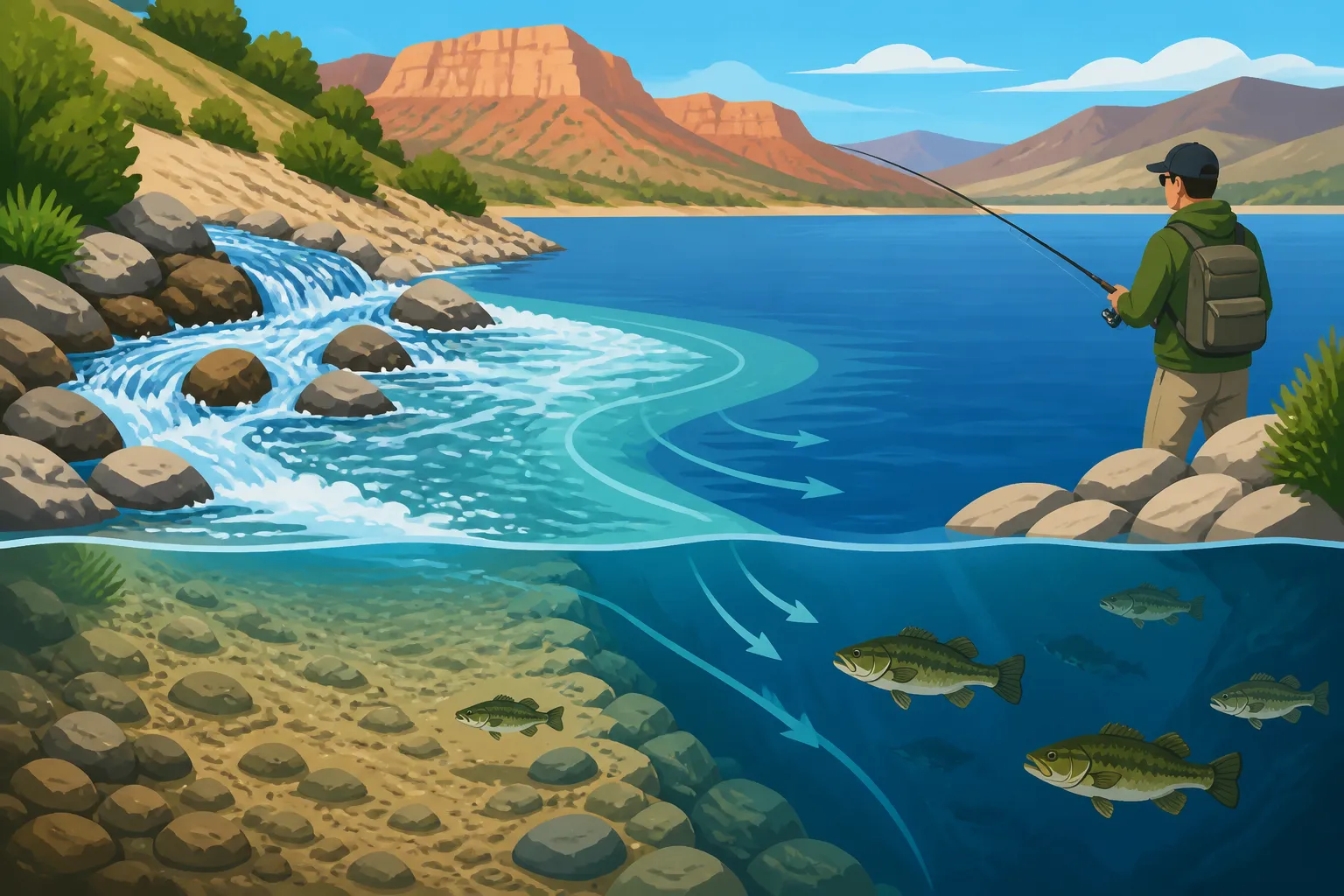
How to Fish a Reservoir Inlet Where a Stream Feeds In
Few fishing scenarios offer as much consistent action and variety as a reservoir inlet, yet many anglers feel unsure about how to approach these dynamic zones where river meets lake. The fluctuating currents, diverse depths, and constant influx of new food can seem overwhelming at first glance. This guide will demystify the art of fishing reservoir inlets across Utah, helping you understand why they're such fish magnets, how to read their subtle cues, what gear to bring, and the best techniques to use for a successful day on the water.
The Irresistible Pull: Why Reservoir Inlets Are Fish Magnets
Reservoir inlets are nature's perfect fishing traps, funneling nutrients, oxygen, and baitfish from an upstream source directly into a larger body of water. This unique confluence creates a dynamic ecosystem that attracts and holds a wide array of fish species, from hungry trout to opportunistic bass and walleye. It's a place where riverine and stillwater characteristics merge, demanding a versatile approach from any angler hoping to find consistent success.
A Constant Buffet of Food and Nutrients
Imagine a never-ending conveyor belt delivering a smorgasbord of deliciousness right to a fish's fin – that's essentially what a stream or river inlet provides. As water flows downstream, it carries with it a rich tapestry of aquatic insects, larvae, nymphs, and small baitfish. This continuous inflow constantly replenishes the food supply in the inlet area, making it an incredibly attractive feeding ground. For species like rainbow trout and brown trout, which are always on the hunt for an easy meal, these zones are prime real estate. The diverse food sources also attract panfish and smallmouth bass, eager to gorge themselves on whatever drifts by.
Beyond the visible food, the incoming water also transports vital nutrients, stimulating plant growth and supporting a robust invertebrate population. This foundational food web further enhances the appeal of the inlet, creating a self-sustaining pantry that keeps fish well-fed throughout the year. Even during lean times in the main reservoir, the inlet often remains a productive area because of this steady delivery system.
Oxygenation and Temperature Regulation
One of the most critical roles an inlet plays is regulating water quality, especially oxygen and temperature. Incoming streams, particularly those from higher elevations, often deliver cooler, highly oxygenated water into the reservoir. This is a game-changer during warmer summer months when the main body of the reservoir might experience higher temperatures and lower dissolved oxygen levels, stressing cold-water fish like trout. The inlet acts as a cool, refreshing sanctuary where these fish can find comfort and continue to feed actively. Knowing "How to Find Cold-Water Pockets in a Utah Reservoir in Summer" is often as simple as heading to the nearest inlet.
Conversely, during colder periods, a larger, slightly warmer river flowing into a reservoir might offer a warmer refuge, preventing the inlet from freezing as quickly as the main lake. This can extend the open-water fishing season or concentrate fish in these relatively warmer zones. Understanding these subtle temperature and oxygen differentials is paramount to locating fish, as they will instinctively seek out their preferred conditions for comfort and metabolic efficiency.
Structure and Shelter in a Dynamic Zone
The meeting point of a stream and a reservoir is rarely a featureless expanse; rather, it's a dynamic zone constantly sculpted by current and sediment. This creates an abundance of structural elements that fish absolutely love. You’ll find everything from submerged gravel bars and deep channels scoured by the current to undercut banks, fallen trees, and rock piles – all prime real estate for fish. These features offer crucial shelter from strong currents, provide hiding spots from predators, and serve as ambush points for those on the hunt.
The fluctuating water levels common in many Utah reservoirs can expose and re-submerge structure, changing the fishing landscape throughout the year. Old creek beds become deep trenches, and flooded timber creates intricate cover. Predatory fish like smallmouth bass and walleye will often utilize these structural elements to hide and surprise their prey. Meanwhile, smaller baitfish will congregate around cover for protection, inadvertently drawing in larger game fish. Familiarizing yourself with these underwater nuances, perhaps even using a fish finder, is a fantastic way to understand "How to Fish Structure With a Fish Finder in Utah" effectively.
Decoding the Currents: Reading Inlet Waters for Success
Fishing reservoir inlets isn't just about casting; it's about observation and understanding the subtle language of the water. The way currents interact, the changes in depth, and variations in water clarity all provide vital clues about where fish are holding and how they are feeding. Learning to "read the water" in an inlet is a skill that will dramatically increase your catch rate and make your fishing experience far more rewarding.
Identifying Current Seams and Eddies
One of the most crucial elements to identify in an inlet is the current seam. This is the visible line where faster-moving incoming water meets the slower, more stagnant water of the reservoir. Fish rarely expend energy fighting strong currents unless they have to; instead, they position themselves just outside the main flow in these seams, allowing food to be funneled directly to them. They can dart out into the current to grab a meal and then easily slip back into the calmer water to rest.
Similarly, eddies – swirling pockets of calm water that form behind obstacles like large rocks, fallen trees, or points of land – are prime holding areas. These spots offer a comfortable resting place, often with a slight reverse current that circulates food right to the fish. Look for subtle boils or swirls on the surface that indicate an eddy. A keen eye and a good pair of polarized sunglasses, easily found on Amazon, can make these subtle current breaks much more apparent, revealing exactly where you should focus your casts.
Navigating Depth Changes and Submerged Structure
Inlets are rarely uniformly shallow. The constant flow of water, especially during high runoff, sculpts the bottom, creating a diverse underwater topography. You'll often find deep scour holes where the current has eroded the streambed, sudden drop-offs where the river channel meets the reservoir basin, and submerged humps or shelves where sediment has accumulated. Fish utilize these depth changes for a variety of reasons: larger fish might hold in deeper water for safety, while smaller fish might forage in shallower areas.
Look for visual cues on the surface, such as changes in water color (darker water often indicates deeper areas) or subtle ripples that suggest a hump or submerged rock bar. If you have access to a boat or kayak, a basic fish finder can be invaluable for mapping these underwater contours. If wading, make slow, careful progress, paying attention to how the bottom changes underfoot. Fish will often hold right on the edge of a depth change, using it as a transition zone between feeding and resting areas.
Water Clarity and Temperature Gradients
Water clarity in an inlet can be highly variable. After a rainstorm or heavy snowmelt, the incoming stream might be murky and full of sediment, pushing a distinct plume of discolored water into the reservoir. Fish often react to these changes. While some species, like walleye or catfish, might tolerate or even prefer slightly stained water for cover, many game fish, especially trout, will often move to the edges of the clearer water. The "seam" where clear and murky water meet can be an incredibly productive zone.
Temperature gradients are equally important. As discussed, the incoming water is often cooler or warmer than the main reservoir, creating distinct thermal layers or zones. Fish are cold-blooded and will seek out their preferred temperature range. A simple stream thermometer can be an invaluable tool to identify these temperature breaks. If the main reservoir is a balmy 70 degrees, but the incoming stream is 55 degrees, you can bet the trout will be congregating where that cooler water first enters the reservoir. These temperature differences are a key factor in understanding "Best Time of Year to Fish in Utah" for specific species.
Arming for the Inlet: Essential Gear and Bait
To tackle the varied conditions of a reservoir inlet, you need gear that's both versatile and reliable. From your rod and reel setup to your choice of bait or flies, having the right tools for the job can make all the difference when facing unpredictable currents, diverse fish species, and fluctuating water levels. Don't underestimate the importance of accessories like waders and polarized sunglasses, which enhance both comfort and effectiveness.
Rods, Reels, and Line for Varied Conditions
For the average angler targeting trout, bass, or panfish in an inlet, a medium-light to medium power spinning rod, typically between 6 feet 6 inches and 7 feet 6 inches, offers excellent versatility. This length provides good casting distance while maintaining enough sensitivity to detect subtle bites and enough backbone to handle a decent-sized fish in current. Pair it with a 2000 or 2500 series spinning reel spooled with 6-8 pound fluorocarbon or high-quality monofilament line. Fluorocarbon offers lower visibility and good abrasion resistance, which is great around submerged structure, while monofilament provides excellent knot strength and shock absorption.
If you anticipate larger fish like trophy brown trout, walleye, or even northern pike venturing into the inlet, stepping up to a medium-heavy rod with 10-12 pound line might be a wise move. For fly anglers, a 5 or 6-weight fly rod is a fantastic all-around choice for inlets, capable of casting everything from delicate dry flies to heavier nymphs and streamers. You can find excellent options for "Best Spinning Reels for Utah Trout Fishing" or "Best Fly Rods for the Provo River" (which flows into Utah Lake's inlet) by exploring reputable online retailers like Amazon.
Bait, Lures, and Flies: Matching the Hatch (or the Buffet)
The beauty of reservoir inlets lies in the sheer diversity of food sources, which means a wide array of baits, lures, and flies can be incredibly effective. The key is to have options and be willing to experiment.
- Natural Bait: For trout and panfish, classic natural baits are hard to beat. Nightcrawlers, mealworms, and PowerBait are consistent producers. Drifting a worm naturally with the current or suspending PowerBait just off the bottom can trigger bites when other methods fail. For catfish or larger predators, cut bait or live minnows (where legal) can be very effective. This method is a staple for "How to Fish PowerBait for Stocked Trout" at many inlets.
- Lures: Spinners (e.g., Mepps, Panther Martin), small spoons (e.g., Kastmaster, Dardevle), and crankbaits (especially those mimicking baitfish) are excellent for covering water and targeting active fish. Choose sizes and colors appropriate for the water clarity and target species. Soft plastics, rigged on a jig head, can imitate crawfish, small baitfish, or aquatic insects, and are particularly effective when jigged near the bottom or retrieved slowly.
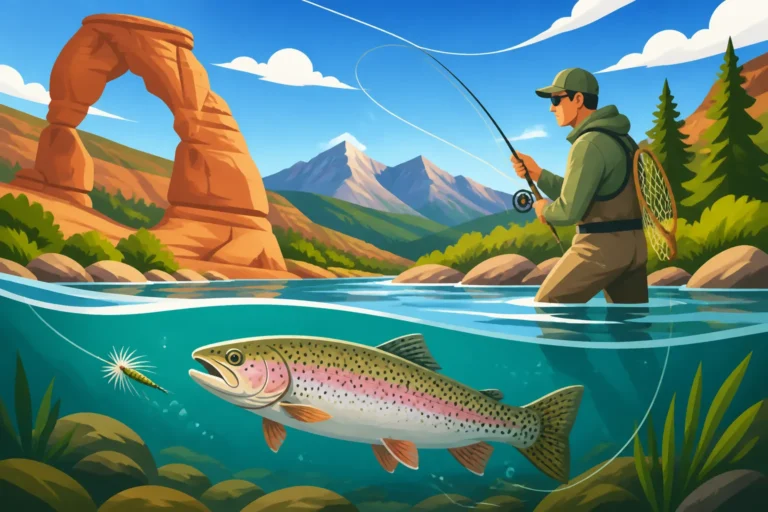
- Flies: Fly anglers have a vast arsenal. Streamers like Woolly Buggers (in black, olive, or white) are highly versatile for imitating baitfish or leeches. Nymphs (e.g., Prince Nymph, Hare's Ear, Pheasant Tail) fished under an indicator are deadly for subsurface trout feeding on aquatic insects. If you see active rises, don't hesitate to tie on a dry fly that matches the hatching insects. Consider looking at "What Flies Work Best on the Provo River in Spring?" for inspiration, as many of these patterns will work in other inlet scenarios.
Waders and Essential Accessories
Depending on the access and desired fishing positions, a good pair of waders can be a game-changer in an inlet. Chest waders provide the most flexibility, allowing you to venture into deeper sections to reach prime casting lanes or navigate around obstacles. Breathable waders are great for warmer weather, while neoprene offers superior warmth in colder conditions. Don't forget proper wading boots with good grip.
Beyond waders, a few essential accessories will greatly enhance your inlet fishing experience. A durable landing net is crucial for safely landing fish, especially larger ones in current. Pliers or forceps are indispensable for hook removal, particularly when practicing catch-and-release to minimize harm to the fish. A well-organized tackle box or fly box, perhaps one you got from Amazon, stocked with a variety of options for different conditions, is also key. Lastly, a quality pair of polarized sunglasses will help you cut through the glare to spot fish, submerged structure, and subtle current changes.
Mastering the Inlet: Techniques for Every Angler
Once you understand why fish are in the inlet and how to read the water, it's time to put your skills to the test with effective fishing techniques. Whether you prefer spin fishing, fly fishing, or the simplicity of bait, there are proven methods to entice strikes in these dynamic environments. The key is often adaptability, changing your approach based on the conditions and the fish's mood.
Spin Fishing Tactics for Diverse Species
Spin fishing offers incredible versatility and is a popular choice for many anglers in reservoir inlets. The most effective approach often involves presenting your bait or lure naturally with the current.
- Drifting Baits: This is a killer technique for trout. Use a slip bobber or a very light split shot (or even just the bait itself if the current is slow enough) to drift worms, PowerBait, or small minnows through current seams, into eddies, and over submerged structure. Cast slightly upstream and let the current carry your offering naturally downstream, keeping a watchful eye on your line or bobber for any hesitation or movement. Adjust your depth until you find where the fish are holding. This is essentially "How to Fish With Bobber and Bait for Beginners" but adapted for dynamic flows.
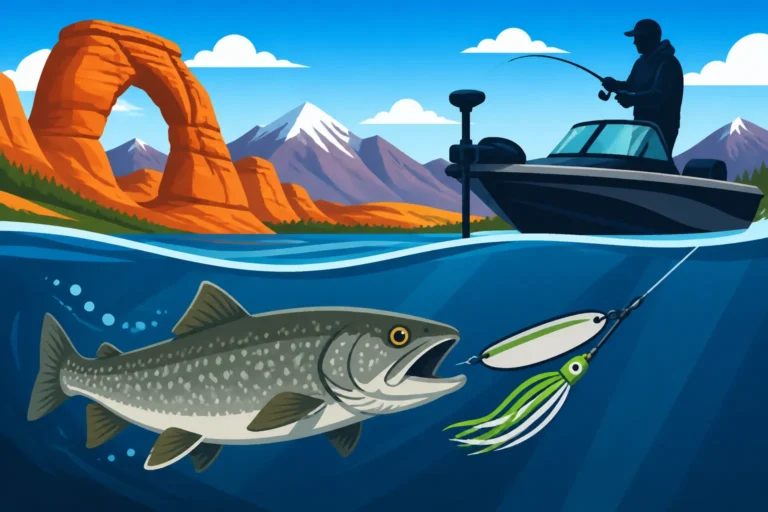
- Casting Lures: Spinners and spoons are fantastic for covering water and targeting aggressive fish. Cast them across the current or slightly upstream, allowing them to swing downstream as you retrieve. Vary your retrieve speed – sometimes a fast, erratic retrieve triggers a chase, while other times a slow, steady wobble is what they crave. Experiment with different colors and sizes. For bass or walleye, small crankbaits that dive to different depths can be very effective when retrieved along current breaks or near submerged structure.
- Jigging Soft Plastics: If fish are holding tight to the bottom, especially in deeper channels or scour holes, soft plastics rigged on jig heads can be deadly. Cast out, let the jig sink to the bottom, and then impart short hops and pauses with your rod tip. This mimics crawfish or other bottom-dwelling prey. This is especially effective for walleye and bass, which often hug the bottom in these areas.
Fly Fishing Strategies for Flowing Water and Still Pools
Fly fishing in an inlet demands a nuanced understanding of presentation and entomology, making it a rewarding challenge for those who embrace it.
- Nymphing: This is arguably the most consistent fly fishing technique in inlets. Rig up with an indicator, split shot, and one or two nymph patterns (like a Pheasant Tail, Hare's Ear, or Prince Nymph). Cast upstream and allow your nymphs to dead-drift naturally through current seams, runs, and pockets of calmer water. The goal is to imitate a free-floating insect larva or nymph. Watch your indicator carefully for any subtle pause, twitch, or dive – that's often a fish taking your fly. For specific patterns, "How to Match the Hatch on the Provo River" offers excellent guidance that often translates to other river inlets throughout Utah.
- Streamer Fishing: When targeting larger, more aggressive fish like brown trout or even bass, streamers are incredibly effective. These flies imitate baitfish or leeches. Cast your streamer across or slightly downstream, and then retrieve it with a series of short, erratic strips and pauses. Concentrate your efforts around undercut banks, submerged logs, and drop-offs, as these are prime ambush points.
- Dry Fly Fishing: While less common year-round, dry fly fishing can be explosive during active insect hatches. Look for rising fish feeding on the surface, identify the size and color of the hatching insect, and then present a matching dry fly upstream of the rising fish. This is often more prevalent during warmer months when various insect species emerge from the water.
Bait Fishing Approaches: Simplicity and Effectiveness
For many, bait fishing is the gateway to angling, and in an inlet, its simplicity often translates into surprising effectiveness, especially for beginners or those targeting a diverse range of species.
- Bottom Fishing: This method is excellent for species like catfish, walleye, or larger trout that often hold closer to the bottom in deeper, slower pools or channels within the inlet. Use a sinker heavy enough to hold your bait in place, and present a worm, cut bait, or even a dough bait on a hook directly on the bottom. This approach requires patience but can yield impressive results, particularly during low light conditions or at night.
- Float Fishing: A bobber or float allows your bait to drift naturally at a set depth, keeping it suspended off the bottom and away from snags. This is perfect for covering broader areas of the inlet where fish might be scattered, or for targeting fish suspended in the water column. It's also an incredibly intuitive and visually rewarding method, making it ideal for teaching children "How to Fish With Bobber and Bait for Beginners." The visual cue of a bobber disappearing underwater is always a thrill.
- Still Fishing: Sometimes, the most effective approach is to simply cast your bait into a promising spot – perhaps a calm eddy, a deep pool, or near a piece of submerged structure – and wait patiently. This is particularly effective when you've identified a specific area where fish are likely holding, allowing your bait to sit there and tempt them over time. Just ensure your presentation looks as natural as possible.
Seasonal Considerations for Inlet Success
Fishing a reservoir inlet isn't a one-size-fits-all endeavor; the best techniques and even the most productive areas can shift dramatically with the seasons. Understanding these seasonal changes in water flow, temperature, and fish behavior is crucial for consistent success.
Spring Runoff and Early Season
Spring in Utah often brings significant snowmelt, resulting in high and often turbid water flowing into reservoir inlets. While challenging, this period can still be highly productive. Fish will often move to the edges of the main current where the water is slightly slower and clearer, seeking refuge from the heavy flow and waiting for food to be washed downstream. Focus your efforts on these calmer seams and eddies, using baits or lures that create vibration or offer a strong visual profile in the murky water. As runoff begins to subside, typically by late spring, these areas become incredibly fertile, with trout becoming very active in the shallower zones. Knowing "When Does Runoff End on Utah's Mountain Rivers?" for your specific fishing area will be a key piece of information.
Summer's Bounty and Warm Water Refuges
During the heat of summer, reservoir temperatures can climb, pushing cold-water species like trout into deeper, cooler water. This is when the inlet truly shines as a refuge. The incoming stream often delivers a steady supply of cooler, oxygenated water, creating an oasis for trout. Focus your efforts in the deepest pools within the inlet or at the very mouth where the cooler water first enters the main reservoir. Early mornings and late evenings are often the most productive times for trout. Meanwhile, warm-water species like bass and panfish thrive in the summer heat and will actively feed in the inlet's abundant cover and food sources throughout the day. "How to Find Cold-Water Pockets in a Utah Reservoir in Summer" is directly applicable here – look for that cooler water.
Fall Feeding Frenzies and Spawning Runs
Fall is arguably one of the most exciting times to fish reservoir inlets. Many fish species become incredibly active, feeding aggressively to build up fat reserves for the coming winter. More significantly, trout and kokanee salmon often begin their spawning runs up the incoming rivers, making the inlets prime staging areas. Large brown trout, in particular, will migrate into these areas, offering opportunities for trophy catches. Target these staging areas with larger streamers, minnow-imitating lures, or even large natural baits. However, always be mindful of local regulations, especially concerning spawning fish. "Why Some Utah Waters Close During Trout Spawning Season?" is an important consideration, and respecting these closures or practicing careful catch-and-release is vital for conservation.
Winter Holding Patterns and Ice Fishing Opportunities
Even when much of the reservoir freezes over, inlets can remain productive. The constant flow of water often prevents the inlet channel itself from freezing as quickly, or it might create areas of thinner ice that require extreme caution. For open-water opportunities, target the deepest, slowest-moving pools within the inlet. If the inlet does freeze solid, the underlying current can create interesting bottom contours and depth changes that concentrate fish. Ice fishing in these frozen inlet areas can be excellent, as fish will often congregate in specific deeper pockets or along subtle current channels under the ice. Always prioritize safety and thoroughly check ice thickness before venturing out, as currents can make ice unpredictable. For general tips on winter angling, check out a comprehensive "Utah Ice Fishing Guide."
| Season | Water Conditions | Fish Behavior | Recommended Tactics |
|---|---|---|---|
| Spring (Runoff) | High, cold, often murky water | Fish move to slower, clearer edges; opportunistic feeding | Drifting worms/PowerBait in seams, brightly colored spinners/spoons. |
| Spring (Post-Runoff) | Clearing, warming, moderate flow | Active feeding, trout often shallower | Nymphing, small spinners, worms, PowerBait in gravel areas. |
| Summer | Warmer reservoir, cooler inlet water, lower flows | Cold-water fish seek cool refuge; warm-water fish active | Deep nymphing, streamers, crankbaits/soft plastics near structure, early/late fishing. |
| Fall | Cooling water, stable flows, pre-spawn activity | Aggressive feeding, spawning runs begin | Large streamers, minnow lures, egg patterns, bottom baits; focus on transition zones. |
| Winter | Very cold, low flow, potential ice cover | Fish lethargic, concentrated in deep holes/eddies | Slow jigging, bottom baits, small nymphs; careful ice fishing if conditions allow. |
Disclaimer
This article is for general informational purposes only and does not constitute professional advice. Laws, prices and regulations vary by location and change over time. Consult a qualified professional for guidance on your specific situation.