Best Time of Day to Fish for Utah Trout
Oh, the age-old question that keeps so many of us Utah anglers up at night (or rather, getting up before the sun!): when exactly is the best time of day to catch those elusive trout? It's frustrating to dedicate precious hours to a beautiful stream or lake, only to come up empty-handed while hearing tales of others hauling in fish. This guide isn't just about giving you a clock time; it's about helping you understand the "why" behind trout behavior so you can adapt your approach and truly maximize your time on the water, no matter the season or conditions.
Understanding Trout Behavior Through the Day
Trout are fascinating creatures, and their daily routines are largely dictated by a few critical environmental factors. If we can get a handle on what makes them tick, we can position ourselves for success far more often. It's not just about when we want to fish, but when the trout want to eat.
Light and Visibility
Think about it from a trout's perspective: they're both predators and prey. During bright daylight, they can see their food well, but they're also highly visible to ospreys, eagles, and even us humans casting shadows. This often makes them feel exposed and wary, leading them to seek cover. Conversely, too little light, like pitch-black night, can also make hunting harder for some species and sizes, though larger trout often gain confidence under the cover of darkness.
The sweet spot for many trout is often when light levels are moderate. This low-light environment allows them to hunt effectively without feeling overly vulnerable. It's why those periods around sunrise and sunset are so frequently touted as prime times; the sun isn't directly overhead, reducing glare and harsh shadows, making both feeding and evasion easier for them.
Water Temperature Fluctuations
Water temperature is a huge driver of trout activity, especially their metabolism. Trout are cold-blooded, meaning their body temperature mirrors that of the water around them. There's a "goldilocks zone" for each trout species where they are most comfortable and active. For most trout in Utah, this often falls between 50 and 65 degrees Fahrenheit. When water temperatures get too cold, their metabolism slows down, making them sluggish and less likely to chase food. Too warm, and they become stressed, seek cooler, deeper water, and might even shut down feeding altogether to conserve energy.
As the day progresses, particularly during warmer months, surface water temperatures rise. This pushes trout deeper, to cooler thermoclines, or into shaded areas. Conversely, as night falls and temperatures drop, trout might move back into shallower feeding zones. Understanding these subtle shifts is key to knowing where to cast your line at different times of the day. You can dive deeper into this topic by reading about How Water Temperature Affects Utah Trout Fishing.
Insect Activity and Food Availability
Trout are opportunistic feeders, and their daily feeding schedule is intrinsically linked to the availability of their food source, particularly aquatic insects. Many insect hatches, like mayflies, caddisflies, and midges, have peak emergence times that often coincide with specific light and temperature conditions throughout the day. When a big hatch is on, trout will actively feed, often moving into shallower water to gorge themselves.
Beyond insects, other food sources like minnows, sculpins, or even mice (especially for larger trout) might be more active during certain times. For instance, minnows might seek cover during bright daylight, making them more available targets for trout during low-light periods. Pay attention to what's happening around the water – swarms of insects, birds diving, or even tiny ripples from rising fish can give you clues about the best feeding times.
The Golden Hours: Early Morning and Late Evening
If you ask seasoned Utah anglers when they prefer to be on the water, chances are "early morning" and "late evening" will come up almost universally. These "golden hours" aren't just for beautiful photos; they're genuinely the most productive times for trout fishing, and for very good reasons.
The Dawn Patrol Advantage
There's something magical about being on the water as the first light breaks, and it's not just the peaceful solitude. As the sun begins to peek over the Wasatch Front or illuminate the canyon walls, water temperatures are typically at their lowest and most stable point of the 24-hour cycle, especially after a cool night. This makes trout feel comfortable and active. The low light also provides a crucial advantage for trout; they can see insects and baitfish silhouetted against the brightening sky, while remaining less visible to overhead predators and us anglers.
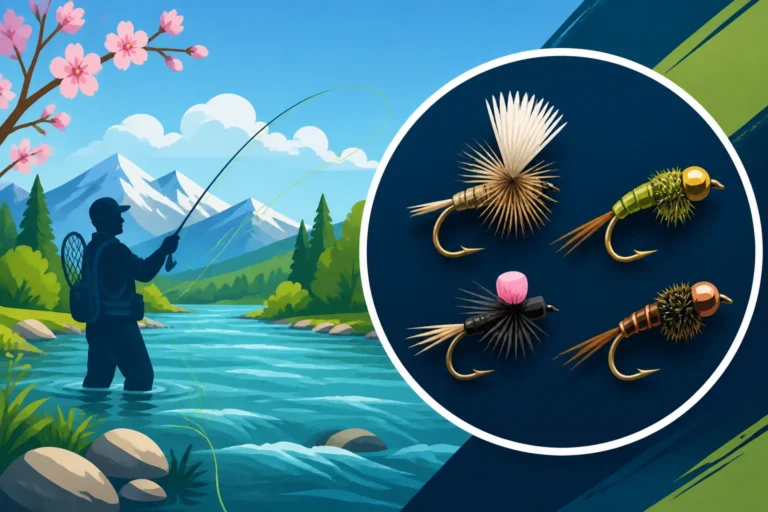
This is when many insect hatches begin, drawing trout to the surface for an easy meal. Whether you're fly fishing the Provo River with a dry fly imitation or tossing a spinner into a still mountain lake, the first couple of hours after sunrise can be incredibly productive. Trout, having rested through the night, are often hungry and aggressive, making them more willing to chase a well-presented lure or fly. Many anglers consider this the best time of day for Utah Trout Fishing Tips.
Dusk and Twilight Tactics
Just as the day begins, the end of the day offers another fantastic window of opportunity. As the sun dips below the horizon, temperatures start to fall, and the harsh midday glare dissipates. This prompts trout to become more active again, often moving from deeper, cooler water or dense cover into shallower feeding lanes. The fading light again provides that perfect balance of visibility for the trout to hunt, while offering them a sense of security.
Evening hatches can be just as prolific as morning ones, sometimes even more so, with caddisflies often making a strong appearance. This is a prime time for targeting larger trout that might be too wary to feed aggressively during the day. As the light fades to twilight, don't be afraid to switch to slightly larger, darker patterns or lures that create a more pronounced silhouette against the dim sky.
Cooler Water, Active Fish
The common thread linking both early morning and late evening success is undoubtedly water temperature. Trout thrive in cooler water. During the hottest parts of the year, these periods represent the most comfortable conditions for trout to feed actively. In colder months, these periods represent the least harsh thermal shock. Their metabolism is optimally humming, allowing them to chase, consume, and digest food efficiently.
When the water is cool, oxygen levels are also typically higher, which further energizes the fish. This combination of optimal temperature, increased oxygen, and reduced light makes trout more confident and less lethargic. You'll often find them cruising shorelines, patrolling drop-offs, or holding in current seams with a renewed vigor that you simply won't see during the harsh midday sun.
Midday Challenges and Opportunities
The sun climbs high, the air warms up, and many anglers start packing up their gear, assuming the fishing is dead. While midday can certainly be a struggle, especially in summer, it's not always a lost cause. You just need to adjust your approach and think like a trout looking for refuge.
Sun-Drenched Struggles
When the sun is blazing directly overhead, especially on clear, calm days, two things happen that make trout fishing tough. First, the intense light penetrates deeper into the water, making trout incredibly visible to predators and making them feel exposed. Second, and often more importantly during warmer months, surface water temperatures can climb rapidly, pushing trout out of their preferred comfort zone.
In these conditions, trout will typically retreat. They'll seek out the deepest parts of a lake or reservoir, or find the densest cover in rivers—under cut banks, submerged logs, or thick vegetation. Their metabolism might slow, and they'll become lethargic, unwilling to expend much energy chasing food. Simply casting into open, shallow water is often a recipe for frustration during these hours.
Seeking Shade and Structure
To beat the midday blues, you need to think about where a trout would find sanctuary. Shade is paramount. Look for areas where trees overhang the water, casting deep shadows. Bridges, large boulders, and steep canyon walls can also create valuable pockets of shade. Trout will stack up in these cooler, darker zones, waiting for more favorable conditions. This applies to both rivers and stillwaters.
Beyond shade, structure offers both cover and cooler water. This includes sunken logs, rock piles, drop-offs, and even the shadows cast by your boat or a dock. In rivers, deeper pools or eddies with overhead cover are prime midday spots. Using a fish finder can be incredibly helpful in reservoirs like Strawberry Reservoir or Flaming Gorge to locate these submerged structures and find where the fish are holding. Many anglers purchase reliable fish finders from retailers like Amazon to aid in this search.
Deep Water Strategies
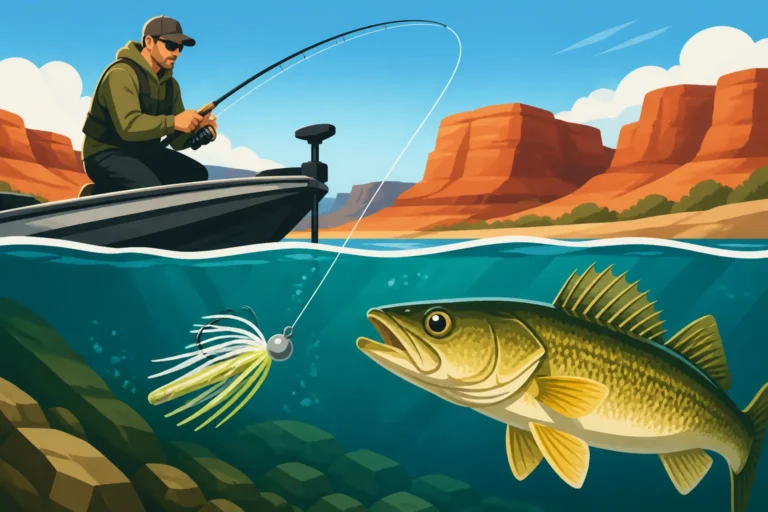
When trout retreat to deeper water to escape the heat and light, your strategy needs to follow suit. This means changing your presentation to get your lure or fly down to where the fish are. For spin fishing, heavy jigs, spoons, or even weighted crankbaits are essential. You might need to use techniques like vertical jigging, especially from a boat or a deep-water pier. For fly fishing, this means nymphing deep with split shot or using heavy streamers on sinking lines.
Targeting drop-offs, submerged humps, and the deepest parts of pools is key. Think about the thermocline – the layer of water where temperature changes rapidly. Trout will often hold just above or within this cooler layer. This is particularly true for larger fish like lake trout (mackinaw) in places like Flaming Gorge. Learning to effectively fish deep water can turn a seemingly barren midday into a productive session. If you're struggling, consider reading about How to Fish Deep Water for Summer Lake Trout.
Nocturnal Nymphs and Lunkers: Night Fishing for Trout
While most anglers pack it in at sunset, a whole new world of trout fishing opens up after dark. Night fishing, though requiring more preparation and a different mindset, can be incredibly rewarding, often yielding larger, more aggressive fish.
Why Fish at Night
The primary reason to fish for trout at night is to target the biggest, most wary fish. Larger trout, especially brown trout, become much more active and less cautious under the cover of darkness. They move into shallower water, often cruising the banks and targeting larger prey like sculpins, baitfish, or even mice that might fall into the water. The lack of light provides them with the ultimate camouflage, allowing them to hunt with confidence.
Night fishing also means less fishing pressure from other anglers, giving you a more undisturbed environment. This can be especially appealing on popular waters. While it's not always about catching a massive lunker, the chance of hooking into a truly memorable fish significantly increases when the sun goes down.
Techniques for After Dark
Night fishing requires a shift in tactics. Visual cues become less important, and you'll rely more on feel, sound, and scent. For fly fishing, large, dark-colored streamers are highly effective. Patterns like a black Woolly Bugger or Muddler Minnow, fished with a slow, deliberate retrieve, create a strong silhouette and vibration that trout can detect. Sometimes, even surface poppers or mice patterns can be deadly near banks where big fish might be cruising. For spin fishing, dark crankbaits with rattles, large inline spinners, or even glow-in-the-dark jigs can entice strikes.
Scent can also play a role. Using scented baits or adding a scent to your lures can give trout another reason to strike. Work your presentations slowly and deliberately; trout aren't always going to chase fast in the dark. Focus on known holding areas or places where you’ve seen fish during the day, as they’ll often move into these spots under cover of night. Having a good headlamp, like those found on Amazon, is crucial for rigging and safely navigating.
Safety Considerations for Night Fishing
Safety is paramount when fishing in the dark. Always let someone know where you're going and when you expect to return. A reliable headlamp (and spare batteries!) is non-negotiable for tying knots, unhooking fish, and navigating terrain. Wading at night, especially in unfamiliar waters, can be extremely dangerous due to unseen obstacles, slippery rocks, and sudden drop-offs. It's often best to stick to known bank fishing spots or fish from a boat in familiar waters.
Bring extra layers of clothing as temperatures can drop significantly after dark, even in summer. A first-aid kit, a fully charged cell phone, and plenty of water are also essential. If you're on a boat, ensure all navigation lights are working and that you're familiar with Utah Boating and Fishing Rules. While the rewards of night fishing can be great, they're never worth compromising your safety.
Seasonal Shifts in Daily Patterns
Just as the best time of day changes, the best part of the day to fish for trout shifts dramatically with the seasons. What works in July will likely fail in January, and vice-versa. Understanding these seasonal nuances is key to consistent success.
Springtime's Flexible Schedule
Spring in Utah is a time of transition, and trout can be quite active throughout much of the day, especially as ice-off occurs and waters begin to warm. In early spring, just after ice-off, fish are often hungry and looking to bulk up after a long winter. The midday sun, which might be detrimental in summer, can actually be beneficial in early spring as it warms the shallow water and kickstarts insect activity. Many anglers find great success in the middle of the day during these cooler weeks. If you’re fishing right after the ice melts, check out How to Fish Utah Waters in Early Spring Right After Ice-Off.
As spring progresses into late spring and early summer, river runoff from snowmelt can significantly affect fishing conditions. High, muddy water can make fishing tough at any time of day, but when clarity improves, fish often feed aggressively as water temperatures stabilize. Mornings and evenings still offer a prime bite, but you might find productive windows extending further into the day if cloud cover is present or during periods of stable weather. You can learn more about this by reading How Runoff Affects Utah River Fishing.
Summer's Early Bird and Night Owl Specials
Summer is when the "golden hours" truly earn their name. With intense heat and bright sun dominating the middle of the day, trout will overwhelmingly concentrate their feeding efforts on the cooler, lower-light periods of dawn and dusk. This is especially true for larger, more selective trout. During the day, they'll retreat to deep water, dense cover, or cooler tributaries, becoming lethargic.
If you insist on fishing midday in summer, you absolutely must target deep water or heavy shade. Otherwise, plan your outings for the earliest morning hours, finishing up by late morning, or hitting the water in the late afternoon and fishing well into twilight, or even after dark. Night fishing can be exceptionally good during warm summer nights when big trout are less inhibited.
Autumn's Consistent Window
Fall in Utah is often considered one of the best times for trout fishing, and the daily patterns become a bit more forgiving. As air and water temperatures cool down and stabilize after the summer heat, trout become much more active throughout the day. The intense midday sun is less of a factor, and you'll find productive fishing windows extending from late morning through mid-afternoon, in addition to the traditional dawn and dusk bites.
Many trout species, particularly brown trout, are preparing for their spawn in the fall, making them aggressive and willing to chase larger lures and streamers at almost any time of day. While mornings and evenings are still excellent, don't dismiss the midday in fall; often, it can be just as productive, especially on overcast days or after a cold front.
Winter's Brief Warmth
Winter fishing, especially ice fishing, has its own unique daily rhythm. When fishing through the ice, the warmest part of the day, often from late morning through mid-afternoon, can be the most productive. The slight increase in light penetration and temperature can stimulate fish activity. Trout under the ice are often lethargic, so you're looking for those brief windows when they might be more willing to feed.
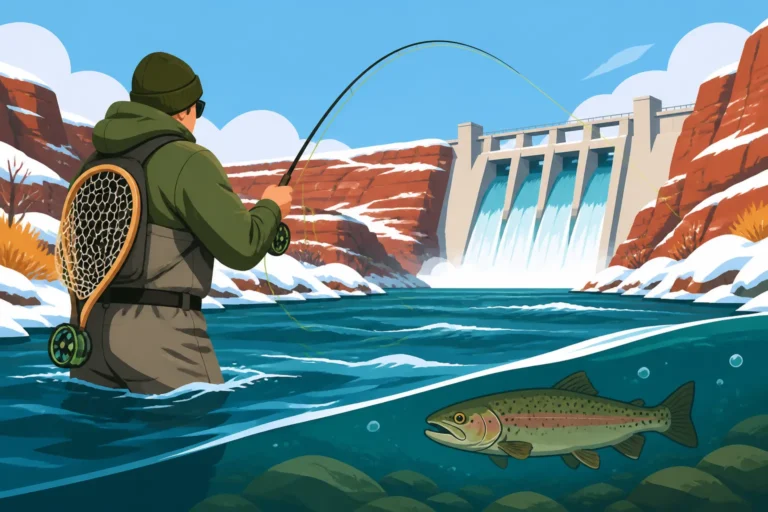
For open water winter fishing, such as on tailwaters below dams (like the Green River below Flaming Gorge Dam) or spring-fed creeks, the midday sun can again be your friend. It can slightly raise water temperatures, bringing more insects off the bottom and making trout more inclined to move and feed. The key in winter is often patience and targeting the most comfortable, stable part of the day for the fish. For more tips on this challenging but rewarding season, check out the Utah Ice Fishing Guide.
Here's a quick overview of how daily patterns typically shift by season:
| Season | Peak Daily Fishing Times | Key Considerations |
|---|---|---|
| Spring | Morning, Midday (early Spring), Evening | Runoff, ice-off, warming water, pre-spawn activity |
| Summer | Early Morning, Late Evening, Night | High heat, bright sun, deep water/shade for midday |
| Autumn | Morning, Midday, Evening | Cooling water, stable temperatures, pre-spawn aggression |
| Winter | Midday, Late Morning/Early Afternoon | Cold water, slow metabolism, short feeding windows |
Factors Beyond the Clock: What Else Influences Daily Bites
While the clock plays a huge role in trout behavior, it's not the only factor. Many other environmental conditions can override or amplify the typical daily patterns, and a truly successful angler learns to consider all of them.
Weather Patterns and Fronts
Sudden changes in weather, like the approach of a cold front, can dramatically alter trout feeding patterns, often making them less active. Conversely, stable weather conditions, especially a few days of consistent high pressure, can lead to more predictable and aggressive feeding. Overcast days, even in summer, can extend the "golden hours" into midday, as the reduced light and cooler temperatures encourage trout to stay active longer. Stormy weather, particularly before a front hits, can sometimes trigger a burst of feeding activity as fish sense a change coming.
Rain, especially a gentle, warm rain, can sometimes improve fishing by washing insects into the water and breaking up the surface tension, making trout feel more secure. However, heavy, cold rain that muddies the water or drastically drops temperatures will often shut the bite down completely. Always check the local forecast before heading out.
Water Clarity and Flow
In rivers, water clarity and flow are huge determinants of daily success. High, muddy runoff, common in spring, will make fishing difficult at any time of day. Trout rely on their vision to hunt, and when the water is murky, they struggle to find food. During these periods, focus on slower eddies, clear side channels, or try using larger, vibrantly colored lures that can be detected through vibration rather than sight.
Conversely, very low, clear water can make trout extremely wary, especially during bright midday conditions. You'll need to use lighter lines, smaller presentations, and be incredibly stealthy. In these conditions, the low-light hours become even more critical, as trout gain confidence in the dimness. Reservoirs generally have more stable clarity, but high winds can stir up sediment, affecting fishing.
Fishing Pressure
Last but certainly not least, human activity plays a significant role in when and where trout feed. Heavily pressured waters, especially those close to urban areas like some of the Salt Lake Valley Urban Fishing Ponds, will often see trout become incredibly wary during peak fishing hours. On these waters, the very early morning or late evening bite becomes even more crucial, as trout will be less disturbed. They learn quickly to associate daytime activity with danger.
On some very popular waters, trout may even shift their feeding almost entirely to off-peak hours or after dark to avoid anglers. If you're consistently striking out during prime times on a well-fished spot, consider adjusting your schedule to earlier, later, or even night fishing. Alternatively, explore some of Utah's "hidden gem" fishing spots that see less traffic. Sometimes, finding the "best time of day" on a pressured lake means simply being there when no one else is.
Disclaimer
Fishing conditions and regulations in Utah can change frequently. Always consult the most current Utah Fishing Guidebook published by the Utah Division of Wildlife Resources (DWR) before heading out. This article is for informational purposes only and does not constitute legal advice regarding fishing regulations.