Utah Fish Species Found Only in One Lake
It's easy to think that once you've learned about Utah's common trout, bass, and panfish, you've got the whole aquatic picture. But what many anglers don't realize is that some of Utah's most fascinating fish species are hidden gems, found exclusively within the confines of a single, special lake. These unique fish represent a rare blend of evolutionary history and ecological significance, and understanding them adds another layer of appreciation for our state's incredible natural heritage. This guide will dive deep into these singular aquatic inhabitants, helping you understand where they live and why they matter.
The Marvel of Endemic Fish Species in Utah
When we talk about "endemic" species, we're not just talking about fish that are common in a certain lake. We're talking about species that have evolved in isolation and can only be found naturally in that specific body of water and nowhere else on Earth. It's a truly remarkable thing, and Utah, with its ancient lakes and diverse landscapes, boasts a few such marvels. These aren't just fish; they're living pieces of geological and evolutionary history.
What Makes a Fish "Endemic" to a Single Lake?
Imagine a lake, perhaps formed eons ago, that became completely cut off from other waterways. Over thousands, even millions of years, the fish populations trapped within that lake began to adapt to their unique environment. The water chemistry, the available food sources, the predators, the temperatures – all these factors slowly sculpted the fish into something distinct. They might develop different fin shapes, unique feeding habits, or even entirely new physical characteristics that allow them to thrive only in that isolated system. This process, driven by natural selection, leads to the emergence of a new species that can't be found anywhere else. It’s a testament to the power of adaptation and the uniqueness of specific habitats.
Why These Species are So Important
These endemic fish species are critically important for several reasons. Ecologically, they often play unique roles in their specific ecosystems, sometimes being the primary forage for larger predators or acting as key indicators of water quality and habitat health. If they disappear, the entire food web can suffer. From a scientific perspective, they offer invaluable insights into evolution and biodiversity. Each species is a library of genetic information that could hold clues to environmental resilience or adaptation.
Culturally, these fish often become intertwined with the identity of the lake and the communities around it. Think of the Bonneville Cisco at Bear Lake, which isn't just a fish but a reason for a unique winter festival and fishery. Protecting these species isn't just about saving a fish; it's about preserving a piece of Utah's natural identity and a living laboratory for future scientific discovery. Loss of endemic species represents an irreversible loss of biodiversity, diminishing the richness of our planet's living tapestry.
Bear Lake's Aquatic Treasures
Nestled on the Utah-Idaho border, Bear Lake is often called the "Caribbean of the Rockies" for its stunning turquoise waters. But beneath its beautiful surface lies a truly unique aquatic ecosystem, home to not one, but four species of fish found nowhere else in the world. These species have evolved in the lake's deep, cold, and chemically distinct waters, making Bear Lake a true hotspot for endemic fish.
The Bonneville Cisco: A Winter Phenomenon
The Bonneville Cisco ( Prosopium gemmifer ) is perhaps the most famous of Bear Lake's endemic species, primarily because it supports a truly one-of-a-kind fishery. These small, silvery fish spend most of their lives in the lake's deeper, colder waters, feeding on zooplankton. But come mid-January, when the lake often freezes over, the cisco move into shallower water to spawn. This is when the "Cisco Run" happens, attracting hundreds, sometimes thousands, of anglers who brave freezing temperatures to scoop these fish from the water with dip nets. It's a truly unique cultural event, and you can learn more about specific access points in our Bear Lake Cisco Run Fishing Spots guide.
The Bonneville Cisco is crucial to Bear Lake's ecosystem, serving as a primary food source for larger predators like the endemic Bear Lake Cutthroat Trout. Their small size, typically 6-9 inches, belies their importance. While not generally targeted with traditional hook-and-line fishing, their unique spawning habits and the communal atmosphere of the winter fishery make them a beloved part of Bear Lake's identity. If you're planning a trip to witness this phenomenon, make sure you have appropriate cold-weather gear, which you can often find readily on sites like Amazon.
Bear Lake Cutthroat Trout: A Native Survivor
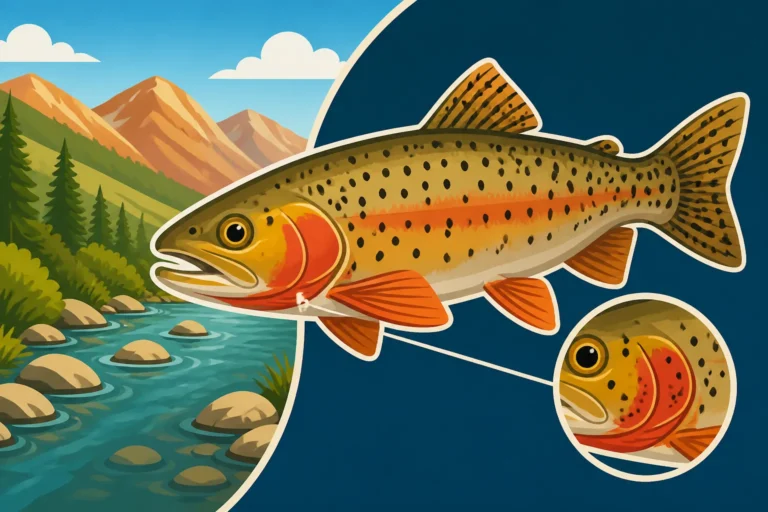
Another crown jewel of Bear Lake is its unique strain of Bonneville Cutthroat Trout ( Oncorhynchus clarkii utah ). While Bonneville Cutthroat are found in other parts of Utah, the Bear Lake population has adapted specifically to its deep, cold, and clear waters, developing distinct characteristics. Historically, these trout were the apex predators of the lake, growing to impressive sizes. Their distinct genetic makeup and adaptation to Bear Lake's unique conditions make them a special subspecies. You can dive deeper into their biology and history by reading Bear Lake Cutthroat Trout Facts.
These fish face ongoing conservation challenges, primarily from the introduction of non-native species like lake trout (mackinaw) and rainbow trout, which compete for food and habitat. Efforts to protect the Bear Lake Cutthroat involve careful management of fishing regulations, stocking programs, and habitat restoration. Anglers targeting cutthroat in Bear Lake are encouraged to practice catch-and-release to help sustain this precious population. Catching one of these native beauties is a deeply rewarding experience, connecting you to the lake's ancient past.
The Enigmatic Bear Lake Sculpin and Whitefish
Beyond the well-known cisco and cutthroat, Bear Lake harbors two other unique endemic species: the Bear Lake Sculpin ( Cottus extensus ) and the Bear Lake Whitefish ( Prosopium abyssicola and Prosopium spilonotus ). These are lesser-known residents, often dwelling in the lake's deeper, colder, and less accessible zones.
The Bear Lake Sculpin is a small, bottom-dwelling fish with a distinctive broad head and large pectoral fins, perfectly adapted for life among the rocks and sediments of the lakebed. They feed on small invertebrates and are an important part of the deeper water food chain, serving as forage for larger predatory fish. You're unlikely to encounter a sculpin on a typical fishing trip, as they prefer the darker, cooler depths and are not targeted by anglers. Their secretive nature only adds to their intrigue, making them true hidden treasures of Bear Lake. Similarly, the Bear Lake Whitefish, comprised of two distinct species, are also deep-water inhabitants. These species are related to the Bonneville Cisco but have evolved to occupy different niches within the lake, further demonstrating the incredible adaptive power within this isolated ecosystem. They are rarely caught by recreational anglers, typically requiring specialized deep-water gear and techniques. Their presence reinforces Bear Lake's exceptional biodiversity, a truly remarkable natural laboratory of evolution.
Utah Lake's Enduring Mystery: The June Sucker
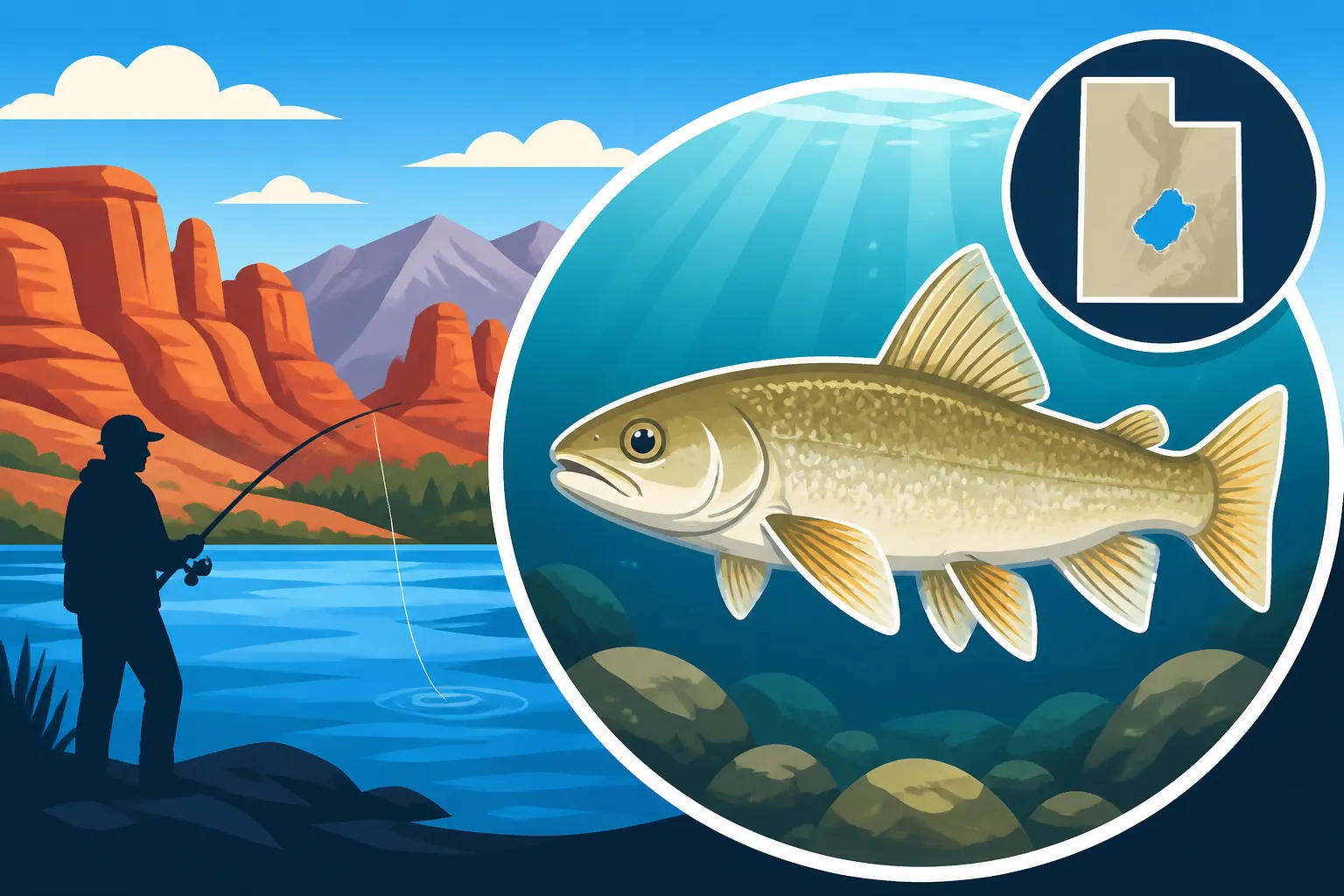
Moving south to Utah Lake, we encounter another incredibly unique and critically important fish species: the June Sucker ( Chasmistes muriei ). This large, long-lived sucker is found only in Utah Lake and its tributaries, and its story is one of both struggle and incredible conservation effort. Unlike the abundance of the Bear Lake Cisco, the June Sucker is a symbol of fragility and resilience.
The June Sucker's Struggle for Survival
The June Sucker's journey has been a perilous one. Historically, they were a plentiful fish, a key part of the local ecosystem and even a food source for early settlers. Their name comes from their tendency to spawn in the Provo River during the month of June. However, decades of habitat degradation, water diversions, and the introduction of non-native fish species (like common carp) pushed the June Sucker to the brink of extinction. Their spawning grounds were altered, their food sources competed for, and their young preyed upon.
By the late 20th century, the population had dwindled to alarmingly low numbers, earning them a place on the federal endangered species list. This dire situation highlighted the profound impact human activities can have on fragile endemic species. Understanding Why the June Sucker Is Endangered in Utah Lake is crucial for any angler who cares about Utah's aquatic future. Their struggle serves as a stark reminder of the delicate balance within our freshwater ecosystems.
Conservation Efforts and Their Impact
Thankfully, the story of the June Sucker isn't just one of decline; it's also a powerful testament to successful, collaborative conservation. Extensive efforts have been undertaken to save this unique fish. The June Sucker Recovery Implementation Program (JSRIP) has been a multi-agency, multi-stakeholder endeavor, focusing on several key strategies. These include the removal of invasive species from Utah Lake, significant habitat restoration in spawning tributaries like the Provo River, and a critical hatchery program that raises June Sucker from eggs to a size where they have a better chance of survival when released into the lake.
These efforts have started to pay off, and the June Sucker population has seen a modest but hopeful recovery. While they are still a federally endangered species and cannot be legally harvested by anglers, their presence is a beacon of hope. Anglers fishing Utah Lake play a vital role in their recovery by identifying and immediately releasing any June Sucker they might accidentally catch. Learning What's Being Done to Protect the June Sucker shows the immense dedication of many individuals and organizations to bring this unique fish back from the brink. You can find detailed guides on fish identification, often available on platforms like Amazon, to help ensure you know what you're catching.
Other Lakes and Their Potentially Unique Inhabitants
While Bear Lake and Utah Lake are the most prominent examples of Utah waters holding truly endemic fish species, it's worth considering the broader context of unique populations and strains found across the state. The geological history of Utah, with its ancient lakes and isolated mountain valleys, has created conditions ripe for specialized fish populations to emerge, even if they haven't always evolved into entirely new species.
Exploring Lesser-Known Aquatic Wonders
Beyond the strict definition of an endemic species, Utah's diverse geography has fostered unique populations of fish that, while technically part of a broader species, have adapted distinct characteristics to their specific lakes or river sections. Think of specific strains of Bonneville Cutthroat Trout that, while related to the Bear Lake population, have evolved unique traits in isolated mountain lakes or specific river drainages. These populations might not be recognized as separate species but are genetically distinct and critically important to their local ecosystems. For instance, specific high-altitude lakes in the Uinta Mountains might host cutthroat trout with exceptionally slow growth rates and unique foraging behaviors, honed by generations of adapting to nutrient-poor, cold environments.
It's a reminder that "unique" doesn't always mean a completely new species, but can also refer to populations that have undergone significant, localized adaptation. These are often the hidden gems that regional anglers cherish, understanding that while the fish might look like others of its kind, its local heritage makes it special. Being aware of these distinct populations and their needs is an integral part of responsible angling in Utah.
The Role of Isolation in Utah's Aquatic Diversity
The geographical isolation of many of Utah's water bodies has been a primary driver of this incredible aquatic diversity. Ancient Lake Bonneville, which once covered much of western Utah, left behind remnants that evolved independently once the larger lake receded. This phenomenon, known as allopatric speciation, allowed fish populations trapped in separate basins to diverge genetically over millennia. High mountain lakes, cut off by formidable terrain, also act as natural laboratories, fostering unique adaptations.
This isolation isn't just about ancient history; it continues today. Barriers like dams, waterfalls, and long stretches of unfavorable habitat can prevent gene flow between populations, leading to localized evolution. This is why preserving connected habitats and minimizing artificial barriers is crucial for maintaining genetic diversity. It's also why specific management strategies are often developed for individual lakes or river sections, recognizing their unique biological heritage. The distinct characteristics of water chemistry, depth, and temperature across Utah's various lakes mean that even within the same species, a fish from one reservoir might behave and look slightly different from its cousin just a few canyons away.
The Angler's Role in Protecting Unique Utah Fish
As anglers, we have a unique connection to these aquatic environments, and with that connection comes a responsibility to protect these irreplaceable species. Our actions on and off the water directly impact the survival of these unique fish, and embracing conservation is a crucial part of the angling experience.
Understanding and Following Regulations
The first and most critical step is to thoroughly understand and strictly follow all fishing regulations, especially those pertaining to special waters or sensitive species. For species like the June Sucker, this means immediate and careful release. For others, like the Bonneville Cisco, it means adhering to specific methods and seasons. The Utah Division of Wildlife Resources (DWR) publishes detailed regulations annually, which are accessible online and at license vendors. Reviewing the Utah Fishing Regulations Explained is not just a suggestion; it's an obligation for every angler. These rules are designed based on the best available science to protect populations, especially those that are rare or endangered.
It's not enough to just know the general rules; you need to know the specific nuances for the waters you plan to fish. For example, some waters might have different bag limits for certain species, or be designated as catch-and-release only. Ignoring these details, whether intentionally or through ignorance, can have severe consequences for fragile populations and may result in legal penalties. Make it a habit to check the current regulations before every fishing trip, as they can change.
Practicing Responsible Angling
Beyond regulations, practicing responsible angling techniques is paramount. When fishing in waters known to host sensitive or endemic species, even if you're targeting other fish, assume you might encounter one of these unique residents. This means being prepared to handle fish gently and release them quickly if required. Learning How to Release a Fish Without Hurting It in Utah is a skill every angler should master. Use appropriate tackle to minimize stress on the fish, avoid excessive fighting time, and always wet your hands before handling a fish to protect its delicate slime coat.
Preventing the spread of aquatic invasive species (AIS) is another huge part of responsible angling that directly protects our native and endemic fish. Invasive species, like quagga mussels or non-native fish, can devastate native populations by competing for food, altering habitat, or introducing diseases. Always "Clean, Drain, and Dry" your boat and gear after every outing, especially when moving between different bodies of water. Even small steps, like properly disposing of bait and never moving live fish between waters, make a significant difference. Our collective commitment to these practices ensures that future generations can also marvel at Utah's incredible and unique aquatic inhabitants.
| Endemic Fish Species | Primary Lake | Conservation Status | Unique Trait / Fishery |
|---|---|---|---|
| Bonneville Cisco | Bear Lake | Stable | Winter dip-net fishery |
| Bear Lake Cutthroat Trout | Bear Lake | Conservation Dependent | Native top predator |
| Bear Lake Sculpin | Bear Lake | Data Deficient | Deep-water bottom dweller |
| Bear Lake Whitefish | Bear Lake | Data Deficient | Two distinct deep-water species |
| June Sucker | Utah Lake | Federally Endangered | Spawns in Provo River in June |
Disclaimer
This article is for general informational purposes only and does not constitute professional advice. Laws, prices and regulations vary by location and change over time. Consult a qualified professional for guidance on your specific situation.