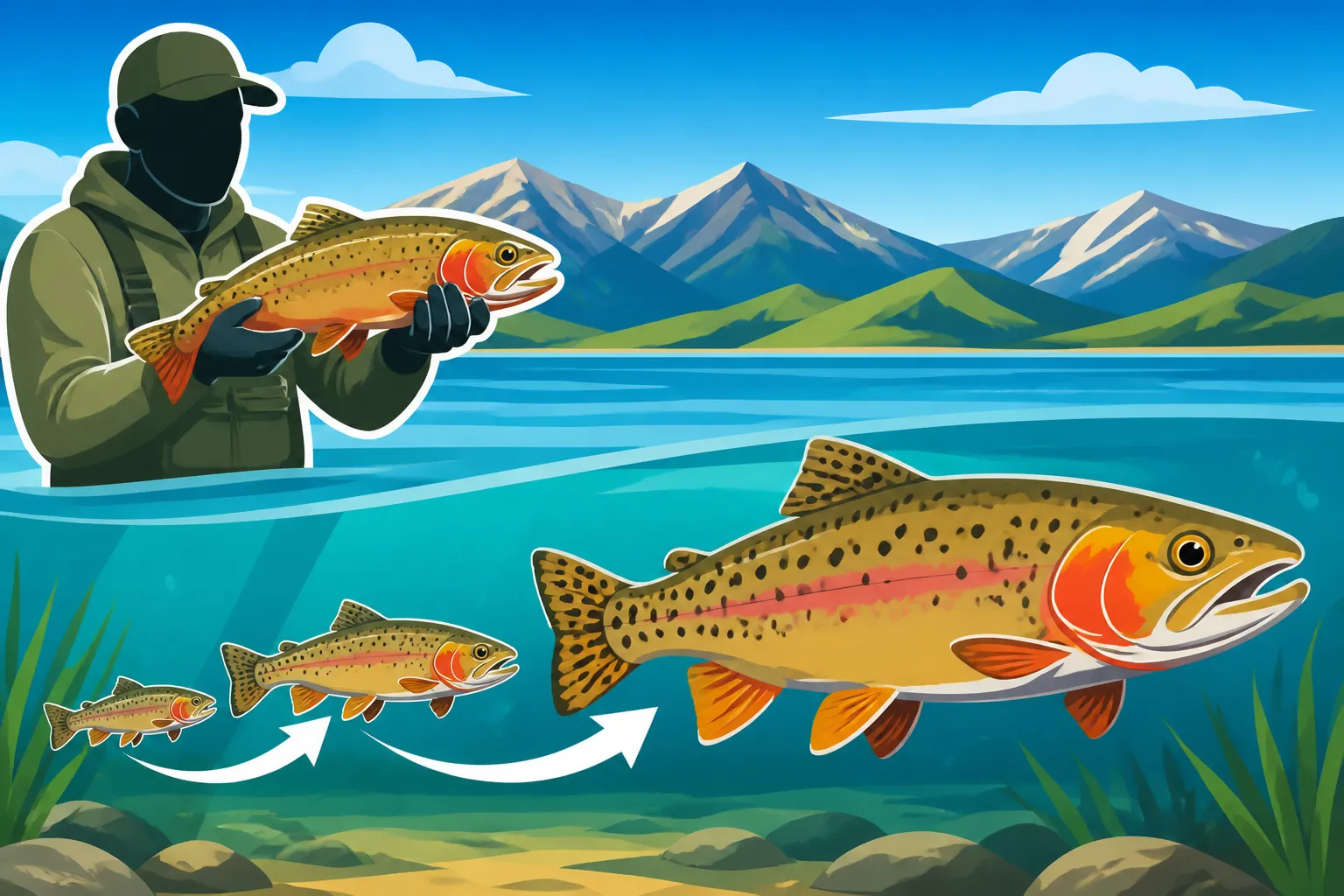
Bear Lake Cutthroat Trout Size and Growth
One of the most exciting things about fishing Bear Lake, often called the "Caribbean of the Rockies," is the chance to hook into a gorgeous Bear Lake Cutthroat Trout. But let's be honest, we've all been there: you hear tales of monster fish, spend a glorious day on the water, and then wonder if the one you caught was "big" or just average. Understanding the typical size and growth patterns of these unique fish can completely change your perspective, helping you appreciate every catch and set realistic expectations for your next trophy hunt. This guide will walk you through what to expect when it comes to the size and growth of Bear Lake Cutthroat Trout, helping you become a more informed and successful angler.
What Size Bear Lake Cutthroat Trout Can You Realistically Expect to Catch?
When you head out onto the turquoise waters of Bear Lake, whether you're trolling or casting from shore, you're probably dreaming of a lunker. The reality is, the size of Bear Lake Cutthroat Trout you'll encounter can vary quite a bit, depending on a multitude of factors, but there are definitely averages to consider. These are wild, native fish, and their growth is a testament to the lake's unique ecosystem. Unlike heavily stocked reservoirs where fish grow quickly on hatchery feed, Bear Lake's cutthroat mature at a pace dictated by nature and available forage.
Average Sizes for Recreational Anglers
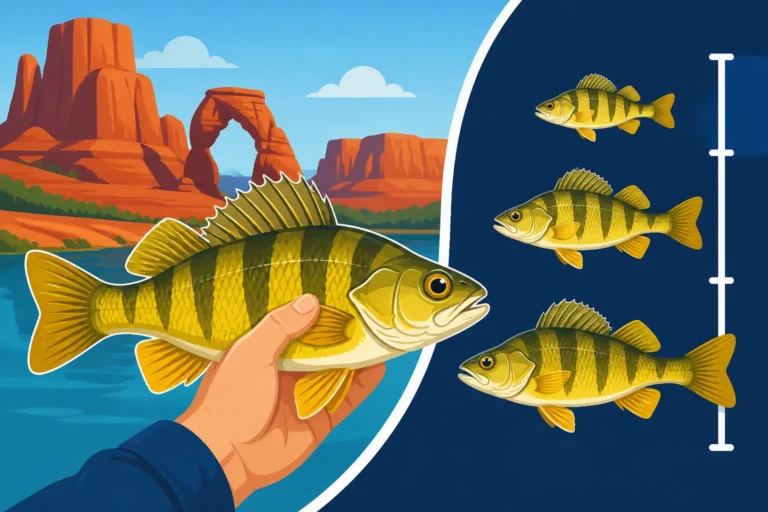
For most recreational anglers, a "good" size Bear Lake Cutthroat Trout typically falls into the 16 to 24-inch range. Fish in this size category are strong fighters, providing a thrilling experience on light tackle. When you weigh them, these fish usually come in between 1.5 to 4 pounds. It’s certainly not uncommon to land several fish of this size during a productive outing, especially during peak seasons or if you're targeting them with specific techniques.
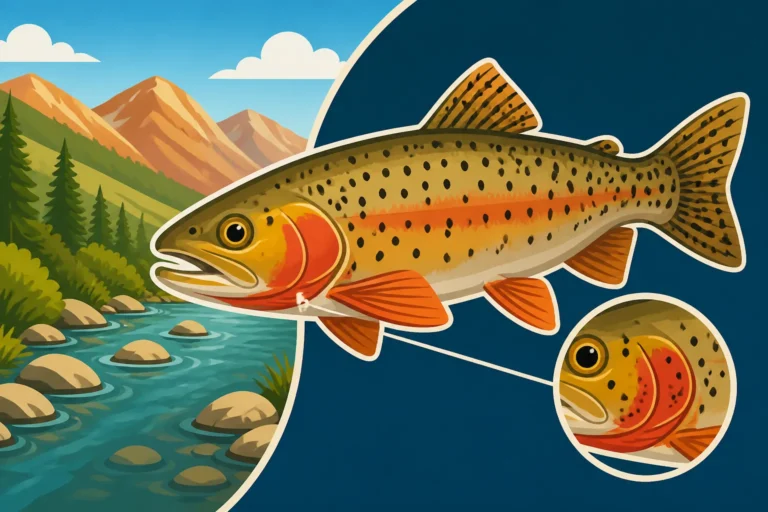
Think about the feeling of reeling in a solid 20-inch cutthroat – that broad tail fin slapping the water, the vibrant colors shimmering in the sunlight. That's a memorable catch for anyone! Smaller fish, say 12 to 15 inches, are also quite common, especially if you're fishing areas where younger fish tend to congregate or if they've had a particularly strong spawning year. While they might not be the giants of your dreams, these smaller fish are often full of fight and are an excellent sign of a healthy, reproducing population. Many anglers will practice catch and release with these smaller fish, letting them grow larger for future generations.
Factors Influencing Growth
So, what makes some Bear Lake Cutthroat Trout grow into absolute behemoths while others remain more modest? It comes down to a blend of genetics, environment, and food availability. The Bear Lake strain of cutthroat trout, specifically the Bonneville Cutthroat Trout, is well-adapted to this unique lacustrine environment. You can learn more about their heritage in Bear Lake Cutthroat Trout Facts.
- Food Source Abundance: This is probably the biggest factor. Bear Lake is home to a unique species of fish called the Bonneville Cisco. These small, silvery fish undertake a famous spawning run each January, and for the rest of the year, they form the primary food source for the larger cutthroat. A year with a robust cisco population often correlates with faster growth rates and larger average sizes for the cutthroat. If the cisco population is down, cutthroat might grow slower or rely more on other food like sculpins or even smaller trout. A good fish finder, perhaps one you scouted on Amazon, can sometimes help identify schools of these crucial baitfish.
- Age: Like all fish, cutthroat grow throughout their lives. Older fish are naturally larger, provided they've had enough food. However, they also face more challenges like predation and disease. Bear Lake Cutthroat Trout can live for several years, with the truly large specimens being quite old.
- Genetics: Some fish are just predisposed to grow larger and faster due to their genetic makeup. This is why even within the same age class, you'll see a range of sizes.
- Water Temperature and Conditions: While Bear Lake is a relatively stable environment, variations in water temperature, oxygen levels, and overall lake health can subtly impact fish metabolism and growth. Colder water generally means slower metabolism and growth, while optimal temperatures allow for more efficient feeding and development.
The Growth Journey: From Fry to Trophy-Sized Cutthroat
Understanding the growth journey of a Bear Lake Cutthroat Trout gives you a deeper appreciation for each fish you catch. It's not just about a measurement; it's about the life history held within those scales. These fish undertake incredible migrations and endure significant challenges to reach their full potential in Bear Lake.
Life Cycle and Growth Stages
The life cycle of the Bear Lake Cutthroat Trout is intrinsically linked to the lake and its feeder streams. Unlike many trout that spend their entire lives in the lake, Bear Lake Cutthroat are an adfluvial species, meaning they live in the lake but spawn in rivers and streams that feed into it, primarily the Bear River.
- Eggs and Fry: Spawning typically occurs in late spring to early summer in the gravel beds of tributary streams. After hatching, tiny cutthroat fry emerge. These little guys spend their first year or two in the relative safety and food-rich environment of the streams, growing slowly on aquatic insects. They are incredibly vulnerable at this stage, and only a fraction will survive to migrate into the lake.
- Juvenile Lake Migration and Growth: Once they reach a certain size, usually around 6-8 inches, these young cutthroat make the perilous journey from the streams down into the vastness of Bear Lake. This transition marks a significant shift in their diet and growth rate. In the lake, they start to encounter a much wider array of food, including the abundant Bonneville Cisco. Initially, they might still eat smaller invertebrates, but as they grow, the cisco become their primary forage.
- Adult Lake Dweller: As they mature, they become powerful predators, cruising the deeper waters of Bear Lake. Their growth accelerates significantly once they start heavily predating on cisco. A fish that's 10 inches one year could easily be 15-16 inches the next, given optimal conditions. Their distinct markings and vibrant colors become more pronounced, a reflection of their health and diet. For specific regulations regarding these fish, check out Utah Fishing Regulations Explained.
The Role of Bear Lake's Ecosystem
Bear Lake is not just any body of water; it's a unique limnological wonder. Its deep, clear, cold waters provide an ideal habitat for the Bonneville Cutthroat Trout.
- Bonneville Cisco: The Growth Engine: We can't talk about cutthroat growth without emphasizing the Bonneville Cisco. This endemic species of fish is perfectly adapted to Bear Lake's deep, cold waters. They are a fatty, protein-rich food source, essentially supercharging the growth of the cutthroat. Without the cisco, the cutthroat would likely be much smaller, relying on less energy-dense prey. This is why conservation efforts to protect both species are so critical. Anglers often target cisco themselves during the Bear Lake Cisco Run Fishing Spots.
- Depth and Water Quality: Bear Lake boasts depths of over 200 feet, providing ample cold-water refuge for the cutthroat, especially during the warmer summer months. The incredible clarity of the water, due to its high calcium carbonate content, also plays a role in the health of the entire ecosystem, from the phytoplankton to the apex predators like the cutthroat. Healthy water means healthy fish.
- Habitat Diversity: While the deep lake is their primary home, the surrounding shoreline, rocky structures, and incoming river deltas provide crucial areas for feeding, protection, and migration. This diverse habitat allows cutthroat to exploit different food sources and escape predation, contributing to their survival and growth.
Chasing the Giants: Trophy Potential and Records
While average sizes are good to know, the allure of Bear Lake fishing often lies in the possibility of hooking into a true trophy cutthroat. These are the fish that make headlines and stories around campfires. It’s important to understand what constitutes a "trophy" and what the state record looks like.
Trophy Potential and State Records
A "trophy" Bear Lake Cutthroat Trout is typically considered anything over 24 inches and certainly anything pushing or exceeding 30 inches. These are substantial fish, often weighing in at 5 pounds or more, with some monsters reaching double digits. Landing a fish of this caliber takes skill, patience, and often a bit of luck. They are often older, wiser fish that have survived many seasons.
The Utah state record for Bonneville Cutthroat Trout stands as a testament to the potential of Bear Lake. While specific numbers can change, the records are impressive, often showcasing fish well over 30 inches and weighing more than 15 pounds. These are truly rare giants that highlight the incredible growth these fish can achieve in their native environment. Anglers who consistently target these larger fish often employ specific techniques, such as deep trolling with large spoons or plugs designed to imitate cisco. You might find a great selection of these on Amazon, or at local tackle shops around Garden City or Laketown.
| Size Category | Length (inches) | Weight (pounds) | Description |
|---|---|---|---|
| Small/Young | 10-15 | 0.5-1.5 | Common, active, often found near shore or stream mouths. |
| Average Recreational | 16-24 | 1.5-4 | Most common catch, strong fighters, good eating size. |
| Large/Experienced | 25-29 | 5-9 | Impressive, less common, often older fish. |
| Trophy | 30+ | 10+ | Rare, potential state record contenders, highly sought after. |
How Angling Practices Affect Size
Anglers play a crucial role in maintaining healthy populations and the potential for trophy-sized fish. Our choices on the water directly impact the future of fishing in Bear Lake.
- Catch and Release: This is perhaps the most impactful practice for promoting larger fish. By carefully releasing smaller or even average-sized cutthroat, you're giving them the chance to grow into those trophy specimens. Proper catch and release techniques are vital for the fish's survival. Learning How to Release a Fish Without Hurting It in Utah is essential for any responsible angler. Using rubberized nets, de-barbing hooks, and minimizing air exposure are all key components.
- Following Regulations: Adhering to Utah Daily Bag and Possession Limits and other specific regulations for Bear Lake is non-negotiable. These limits are set by wildlife biologists to ensure the sustainability of the fishery, balancing angler opportunity with conservation goals. Ignoring these rules can severely impact the population and the future size potential of the fish.
- Targeted Fishing: Some anglers specifically target larger fish using techniques that deter smaller ones, such as larger baits or lures. This allows smaller fish to grow undisturbed. Others prefer to focus on areas known to hold younger, more abundant fish for consistent action. Both approaches are valid, but conscious decision-making helps manage the resource.
- Minimizing Stress: Even if you plan to keep a fish, minimizing stress during the fight and handling them gently until they are safely landed and dispatched contributes to ethical angling. The less stress a fish endures, the healthier the overall population.
By understanding the unique biology of the Bear Lake Cutthroat Trout and adopting responsible angling practices, we can all contribute to ensuring that this magnificent fishery continues to produce impressive fish for generations to come. The next time you're out on Bear Lake, take a moment to appreciate the incredible journey each cutthroat has made, from a tiny fry in a mountain stream to a powerful predator in the "Caribbean of the Rockies."
Disclaimer
This article is for general informational purposes only and does not constitute professional advice. Laws, prices and regulations vary by location and change over time. Consult a qualified professional for guidance on your specific situation.